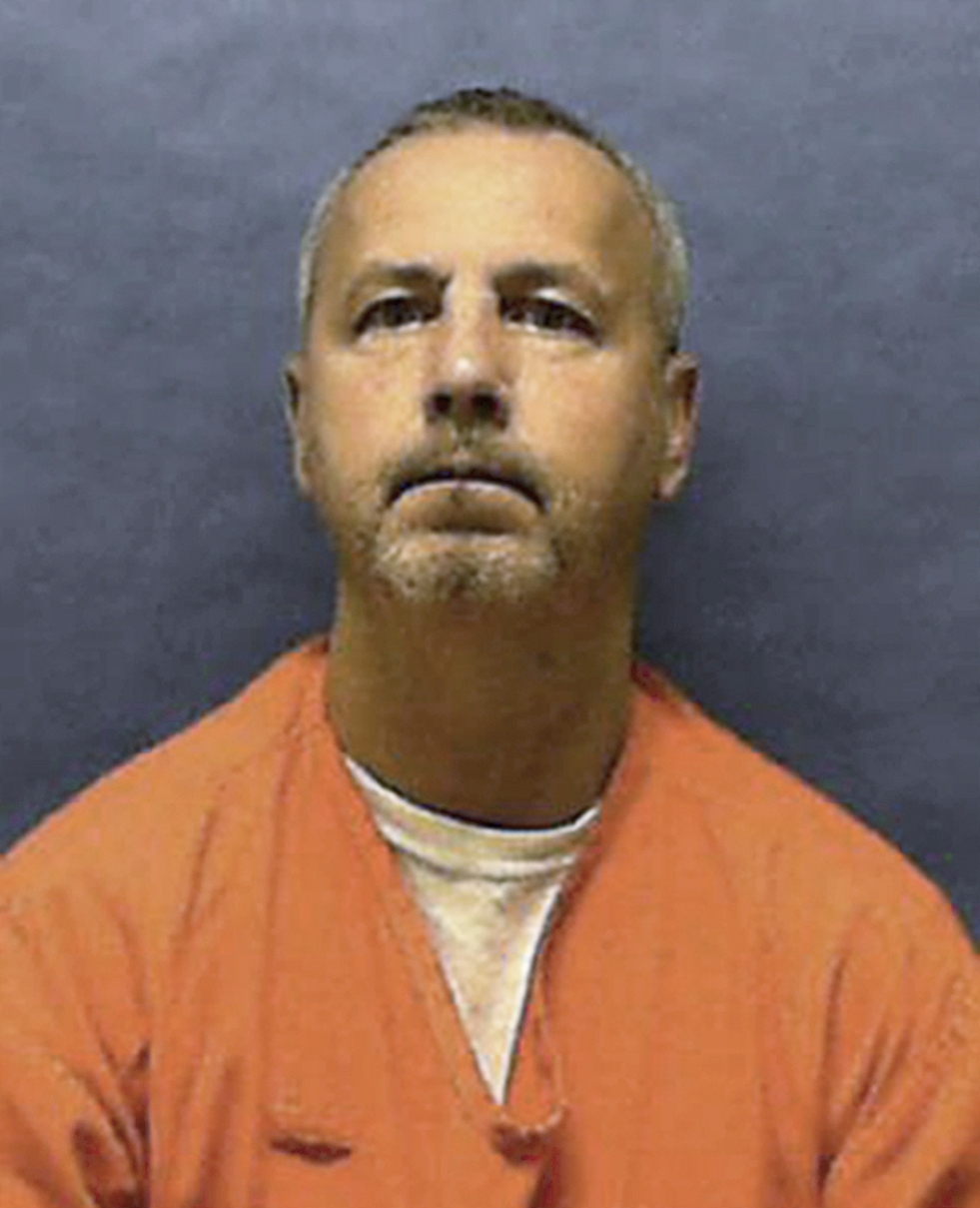
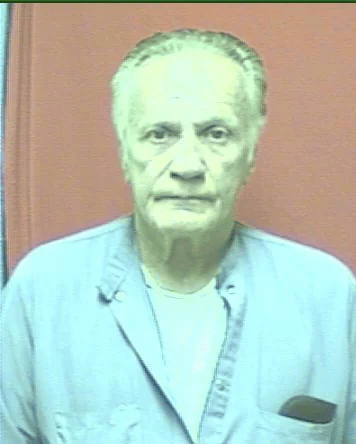
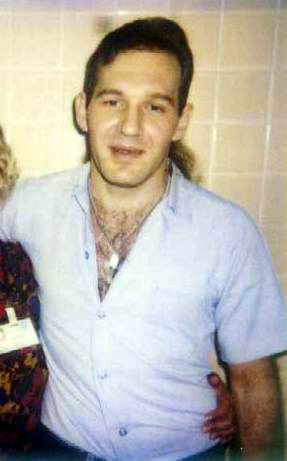
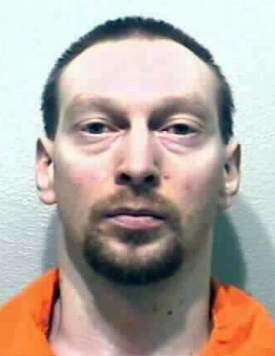
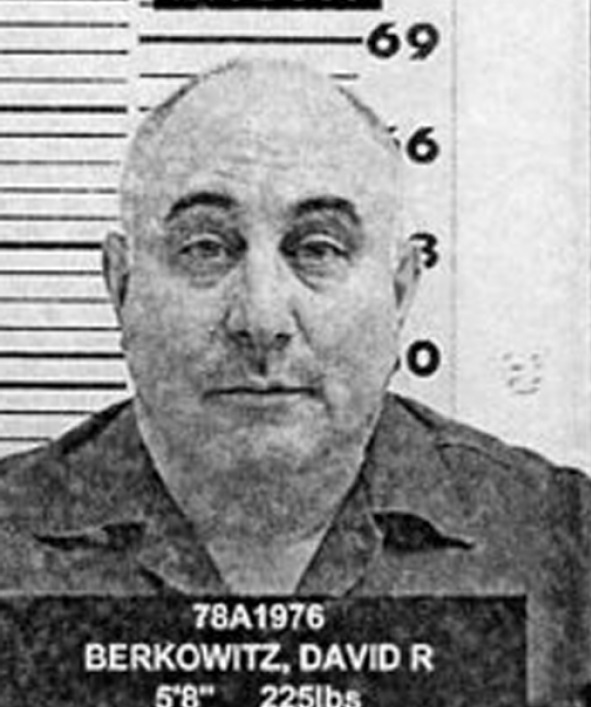
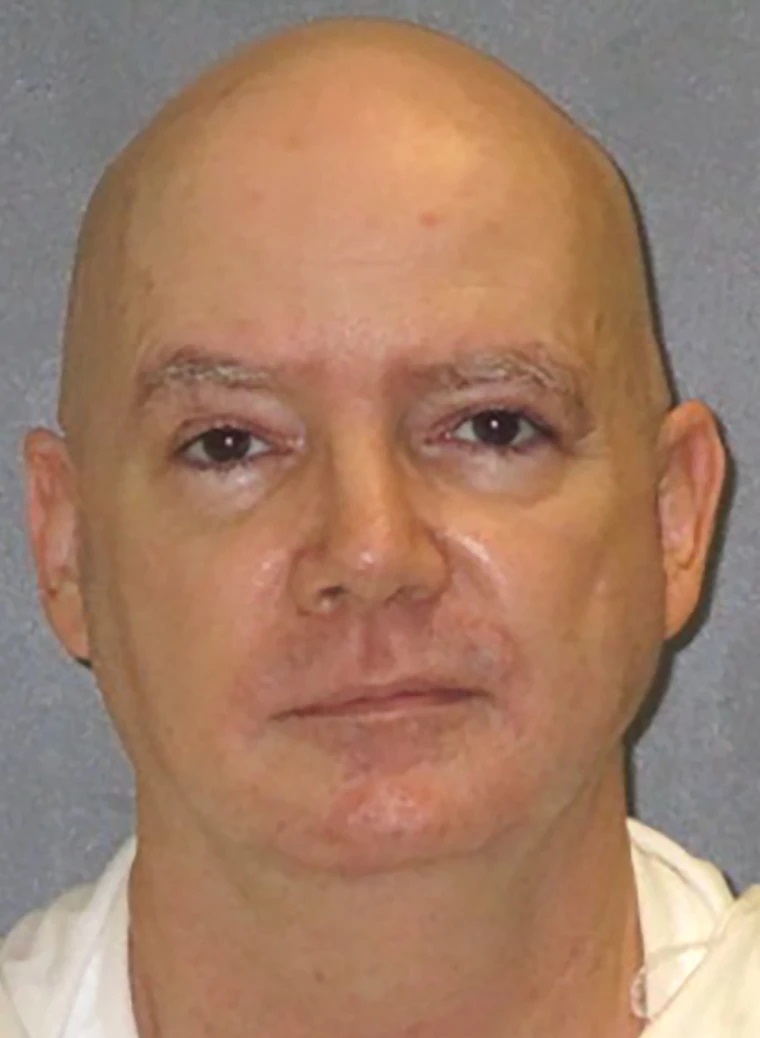
Gary Ray Bowles: The I-95 Killer
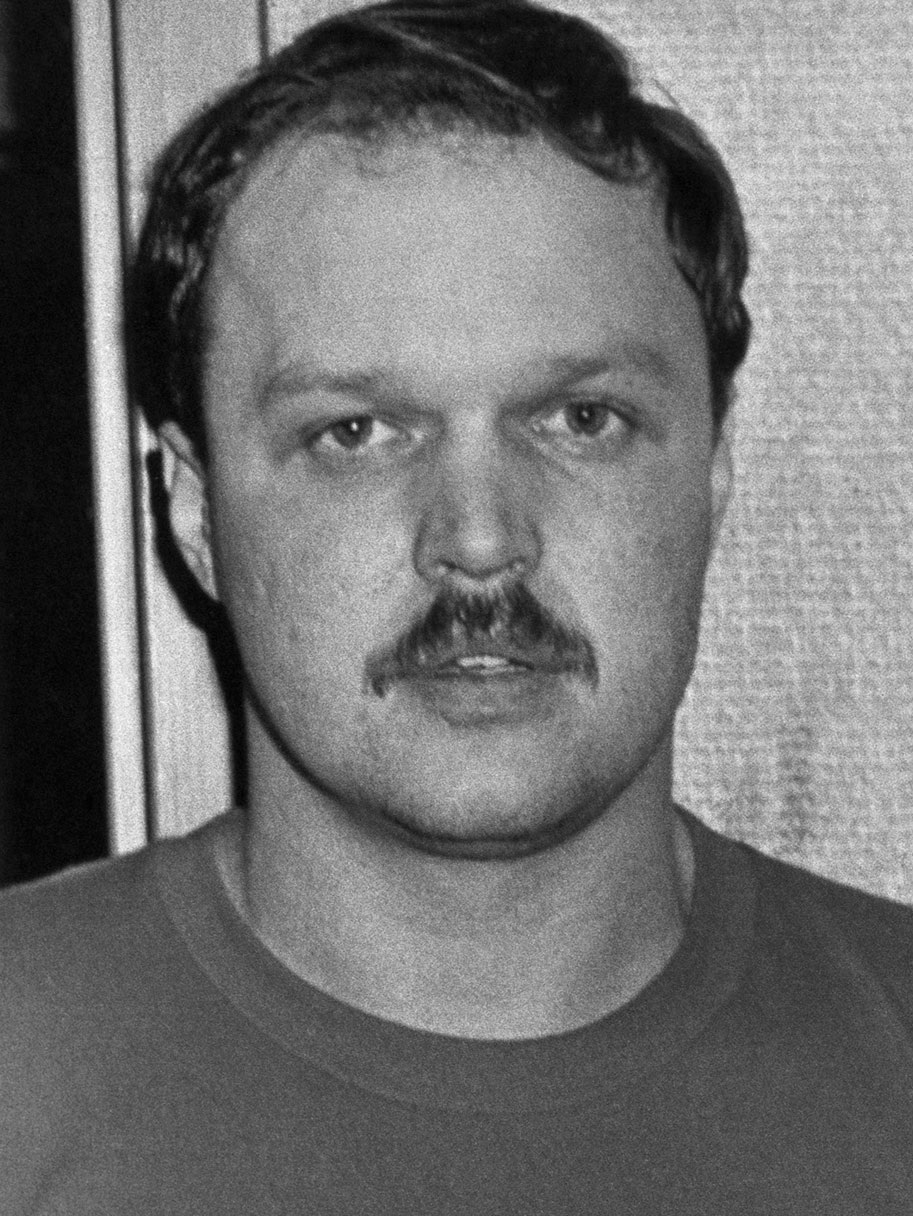
Gary Ray Bowles was an American serial killer whose crimes created fear along the Interstate 95 corridor during 1994. Over the course of approximately eight months, Bowles killed six men in Florida, Maryland, and Georgia, moving from one city to another while investigators in several jurisdictions struggled to connect the violent deaths. His victims were gay men, several of whom had allowed Bowles into their homes or provided him with a temporary place to stay. After gaining their trust, Bowles repeatedly used extreme violence and then stole property, money, credit cards, or vehicles that helped him continue traveling.
Born on January 25, 1962, in Clifton Forge, Virginia, Bowles experienced a troubled childhood and later spent much of his adult life moving between homelessness, sex work, criminal activity, and incarceration. Long before the 1994 murders, he had demonstrated a capacity for serious violence. In 1982, he was convicted in Florida of sexual battery and aggravated battery involving his girlfriend. He later accumulated additional convictions, including robbery, and spent substantial periods in prison. He was released from incarceration near the end of 1993, only months before the first murder in the series attributed to him.
The Beginning of the 1994 Murder Spree
The first known victim was John Hardy Roberts in Daytona Beach, Florida. Roberts had allowed Bowles to stay with him. On March 15, 1994, Bowles attacked Roberts inside his residence, striking him in the head with a lamp during a violent confrontation. Bowles then strangled Roberts and forced a rag into his mouth. After the killing, Bowles emptied Roberts' pockets and stole his money, credit cards, keys, wallet, and automobile.
The Roberts crime scene would later become extremely important to investigators. Bowles left behind evidence identifying him, including fingerprints and paperwork connected to his probation. Authorities also discovered evidence that Roberts' financial cards had been used after his death. Although police quickly developed Bowles as a suspect, he had already left Daytona Beach, beginning a pattern in which stolen property and vehicles helped him remain mobile.
David Alan Jarman
Bowles next surfaced in the Washington, D.C., metropolitan area. David Alan Jarman, a 39-year-old credit union employee from Wheaton, Maryland, was seen with a man matching Bowles' description after visiting a gay bar in Washington. On April 14, 1994, Jarman was found dead inside his basement apartment. He had been beaten and strangled.
Jarman's automobile, credit cards, identification, and other property were missing. Investigators subsequently traced the use of one of his credit cards to a Baltimore-area motel, and handwriting associated with the transaction helped strengthen the case against Bowles. Montgomery County authorities eventually charged Bowles with Jarman's murder, but by that point he had again disappeared.
Milton Joseph Bradley
Bowles traveled south to Savannah, Georgia, where he encountered Milton Joseph Bradley, a 72-year-old disabled World War II veteran. Bradley was remembered by people who knew him as a gentle and generous man. He reportedly met Bowles at a Savannah gay bar and was seen leaving with him.
Bradley was killed around May 4, 1994, and his body was discovered on May 5 on the grounds of a Savannah-area golf course, near a golf-cart shed. He had suffered severe blunt-force injuries and strangulation. Investigators determined that objects from the surrounding area had been used during the attack and that material had been forced into Bradley's mouth, a feature that increasingly resembled evidence found in Bowles' other crimes.
Witnesses were able to place Bowles with Bradley before the killing. Savannah investigators developed enough evidence to obtain a murder warrant, adding another jurisdiction to the rapidly growing search for him.
Alverson Carter Jr.
Bowles was next linked to the killing of 47-year-old Alverson Carter Jr. in Atlanta, Georgia. Carter was killed during May 1994 and was found dead on May 13. Contemporary accounts indicated that he had been dead for several days before his body was discovered.
Carter had been stabbed, and investigators found similarities between his death and the other killings already connected to Bowles. Material had been placed in or around Carter's mouth, again suggesting the distinctive pattern appearing at other crime scenes. Bowles was ultimately connected to Carter's death and later admitted responsibility for the Atlanta killing after his capture.
Albert Alcie Morris
Within days, Bowles was back in Florida. Albert Alcie Morris, 37, lived near Hilliard in Nassau County and had befriended Bowles, allowing him to stay at his home. According to court records, Bowles and Morris were involved in an argument and physical confrontation while visiting bars shortly before the killing.
On or about May 18, 1994, Bowles attacked Morris inside his home. He struck Morris over the head with a heavy candy dish, strangled him, and shot him in the chest. A towel was tied over Morris' mouth. Morris' wallet, credit cards, automobile, and other property were taken. His body was discovered on May 19.
The Morris investigation produced another murder charge against Bowles. By this point, police agencies in Florida, Georgia, Maryland, and federal authorities were sharing information about an increasingly obvious multistate pattern. Bowles had repeatedly met men, gained access to their homes or companionship, killed them with overwhelming violence, and taken property that allowed him to move on.
Months on the Run
After the Morris murder, the known killings abruptly stopped for several months. Bowles remained a fugitive, frequently using aliases and moving through different communities. His photograph and description were circulated nationally, particularly among law-enforcement agencies and establishments serving gay communities, where concern grew that he might kill again.
The FBI eventually classified Bowles as a major fugitive. On November 19, 1994, he became the 438th person placed on the FBI's Ten Most Wanted Fugitives list. By then he was wanted or sought for questioning in multiple murders. The national attention significantly increased pressure on Bowles, but another man had already become his final known victim.
Walter Jamelle "Jay" Hinton
Walter Jamelle "Jay" Hinton, a 47-year-old Jacksonville Beach man who worked as a floral designer, met Bowles during the fall of 1994. Hinton allowed Bowles to live with him after Bowles agreed to help move some of Hinton's belongings from Georgia to his mobile home in Florida.
On November 16, 1994, Hinton went to sleep after spending part of the evening with Bowles and another friend. Bowles later admitted that he went outside the mobile home and picked up a concrete stepping stone weighing approximately 40 pounds. He carried it into the house, placed it on a table, and eventually entered Hinton's bedroom while Hinton was sleeping.
Bowles dropped the concrete stone onto Hinton's face and head. Despite suffering serious injuries, Hinton remained alive and struggled with Bowles. Bowles then strangled him. Toilet paper was forced into Hinton's throat and a rag was placed in his mouth, obstructing his airway. Medical evidence established that Hinton ultimately died from asphyxiation.
Afterward, property belonging to Hinton disappeared, including his automobile, keys, watch, and stereo equipment. Hinton's body remained inside the locked residence until family members became concerned after being unable to contact him.
Confirmed Victims
- John Hardy Roberts, 59 — March 15, 1994 — Daytona Beach, Florida. Roberts was attacked inside his home, struck with a lamp, strangled, and gagged. Bowles stole his vehicle, money, wallet, credit cards, and other property.
- David Alan Jarman, 39 — April 14, 1994 — Wheaton, Maryland. Jarman was found in his basement apartment after being beaten and strangled. His automobile and financial cards were stolen.
- Milton Joseph Bradley, 72 — approximately May 4, 1994; body discovered May 5 — Savannah, Georgia. Bradley was killed on or near a golf course after leaving a bar with Bowles. He suffered blunt-force injuries and strangulation.
- Alverson Carter Jr., 47 — May 1994; body discovered May 13 — Atlanta, Georgia. Carter was found stabbed to death after apparently having been dead for several days. Bowles later admitted responsibility for the killing.
- Albert Alcie Morris, 37 — May 18, 1994 — Hilliard, Nassau County, Florida. Morris was beaten, strangled, shot in the chest, and gagged inside his home. His automobile, wallet, and credit cards were taken.
- Walter Jamelle "Jay" Hinton, 47 — November 16, 1994 — Jacksonville Beach, Florida. Hinton was struck with a 40-pound concrete stepping stone while sleeping, strangled, and suffocated after toilet paper and a rag were forced into his airway.
Capture and Confession
Bowles' time on the FBI's Ten Most Wanted list lasted only three days. On November 22, 1994, Jacksonville Beach authorities located him at a day-labor employment office. He had been living under an assumed identity, but during questioning he revealed that he was Gary Ray Bowles. Fingerprints confirmed his identity.
Once in custody, Bowles began discussing the killings. He confessed to six murders: Roberts, Jarman, Bradley, Carter, Morris, and Hinton. Authorities believed his arrest prevented additional deaths, particularly because the Hinton murder demonstrated that Bowles had resumed killing after several months without a known homicide.
Convictions and Death Sentence
Florida prosecutors pursued Bowles for the murders committed within the state. He was convicted of the murder of Albert Morris in Nassau County and received a life sentence. He was also convicted of the murder of John Hardy Roberts in Volusia County and received another life sentence.
The Walter Hinton case resulted in the punishment that ultimately determined Bowles' fate. Bowles pleaded guilty to Hinton's first-degree murder and was sentenced to death in 1996. The Florida Supreme Court later overturned the original death sentence because of an evidentiary error during the penalty proceeding, although his murder conviction remained intact. A new sentencing proceeding was conducted, and in September 1999 Bowles was again sentenced to death.
His appeals continued for approximately two decades. State and federal courts repeatedly rejected efforts to overturn the conviction or prevent his execution. The death sentence remained based on the murder of Walter Hinton, even though Bowles had admitted responsibility for five additional killings.
Execution
Gary Ray Bowles remained on Florida's death row until August 22, 2019. At age 57, he was executed by lethal injection at Florida State Prison. He was pronounced dead at 10:58 p.m.
Before his execution, Bowles prepared a written statement expressing remorse for the pain and suffering he had caused. His execution came nearly twenty-five years after the murders and formally ended one of the most disturbing multistate serial-murder cases of the 1990s.
Legacy of the I-95 Murders
The Bowles investigation illustrated the difficulties law enforcement faced when a mobile offender committed crimes across multiple jurisdictions. His victims lived in three states, and the early murders initially appeared to be separate local cases. Similar methods, stolen vehicles and credit cards, witness descriptions, forensic evidence, and communication between police agencies eventually revealed that many of the killings were connected to the same fugitive.
Bowles became known as the "I-95 Killer" because the murders and his movements repeatedly followed communities along or near the Interstate 95 corridor. Behind that nickname, however, were six individual victims whose willingness to offer companionship, shelter, or assistance was exploited. John Hardy Roberts, David Alan Jarman, Milton Joseph Bradley, Alverson Carter Jr., Albert Alcie Morris, and Walter Jamelle Hinton were killed during a brief but extraordinarily violent period in 1994. Their cases ultimately led investigators across several states to one offender whose arrest ended the killing spree.