In the spring of 1994, a wave of terror was quietly sweeping along the Interstate 95 corridor on the East Coast of the United States. The man responsible, Gary Ray Bowles, was a drifter with a troubled past, moving from town to town, leaving a trail of death in his wake. His victims were often older, gay men, whom he would meet and insinuate himself into their lives before the fatal encounter.
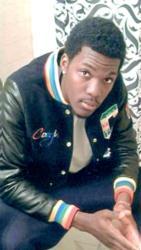
One of these men was Alverson Carter Jr., a 47-year-old man living in Atlanta, Georgia.
In May of 1994, Carter's life was cut short when he crossed paths with Bowles. While the specific details of their meeting are not widely documented, it followed a pattern that had become chillingly familiar to law enforcement agencies in multiple states. Bowles's method was to gain the trust of his victims, often offering companionship or help around the house, only to later turn on them with brutal violence. In the case of Alverson Carter Jr., the encounter ended with him being stabbed to death. His death was one of six that would ultimately be attributed to the 'I-95 Killer.'
For months, Bowles evaded capture, using the identities and vehicles of his victims to move to new locations and find his next target. The string of murders sparked a multi-state manhunt, and Bowles's face was soon featured on the FBI's Ten Most Wanted Fugitives list. The search for the elusive killer came to an end in November 1994 in Jacksonville Beach, Florida. Following the discovery of his final victim, Walter Hinton, whom he had bludgeoned and strangled, police arrested a man using the alias Timothy Whitfield. During questioning, this man revealed his true identity: Gary Ray Bowles.
In a stunning confession, Bowles admitted to the murders of six men, including Alverson Carter Jr. in Atlanta. He provided details of his eight-month killing spree that had terrorized communities along the East Coast. Following his confession, Gary Ray Bowles was tried and convicted for his heinous crimes. He received multiple death sentences for the murders he committed. After years of appeals, Bowles's sentence was ultimately carried out, and he was executed by lethal injection on August 22, 2019, bringing a final, somber close to a chapter of fear and loss that had touched the lives of many, including the friends and family of Alverson Carter Jr.