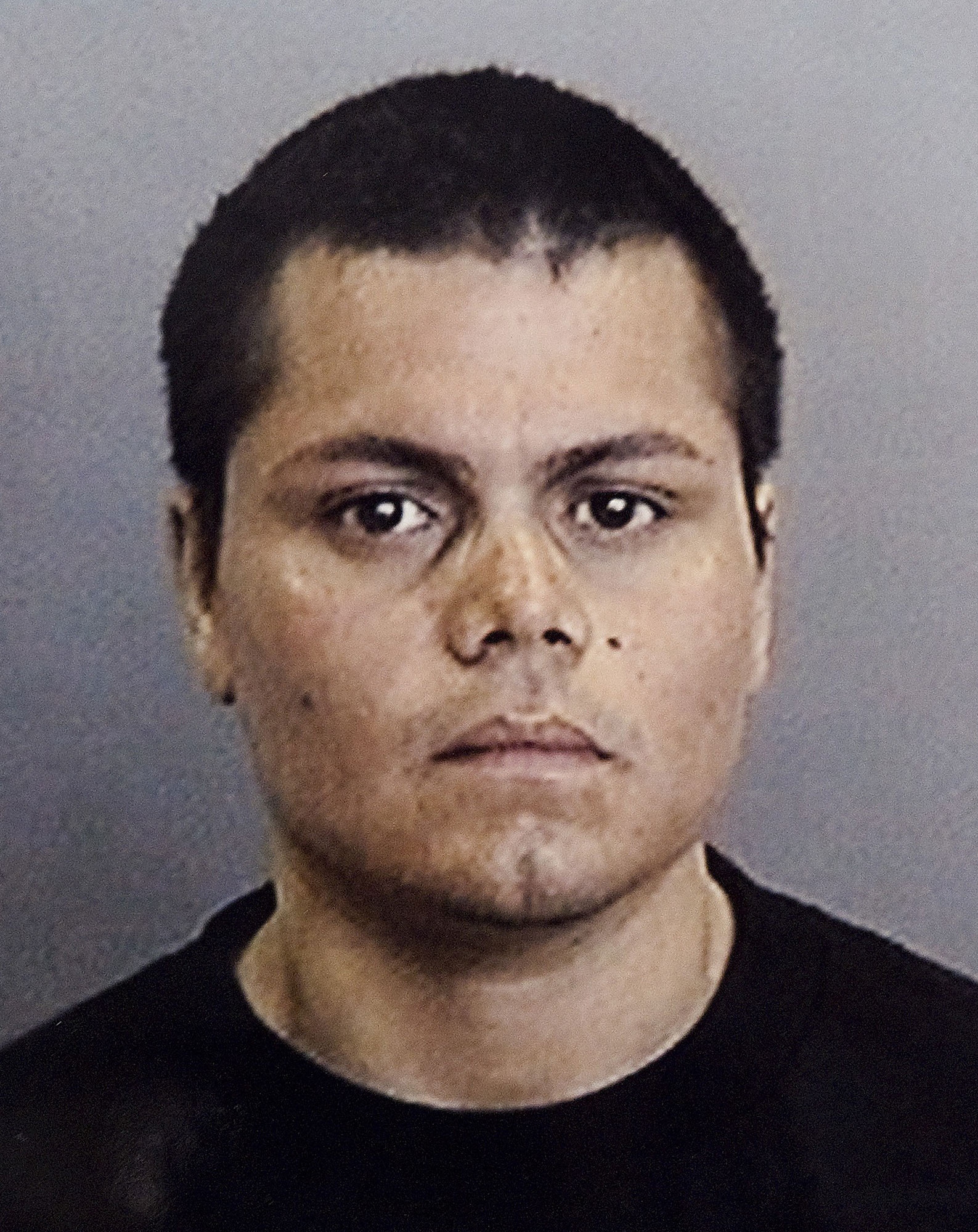
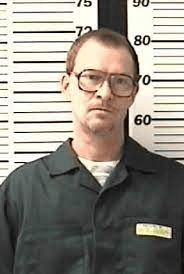
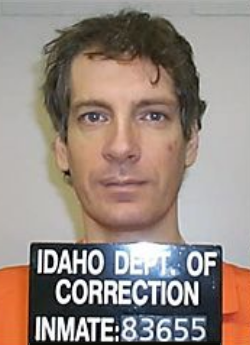
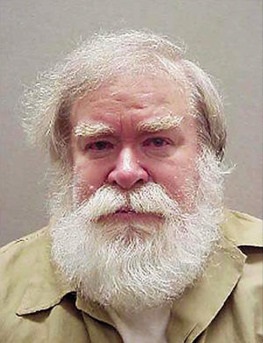
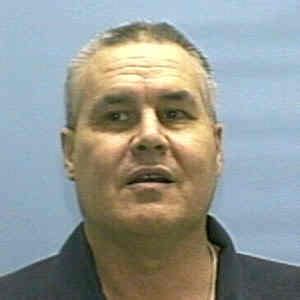
Gary James Lewingdon: The .22-Caliber Killer
Early Life and Background
Gary James Lewingdon was born on February 14, 1940, in Ohio. After graduating from high school in 1958, he entered the United States Air Force and served for approximately four years before leaving the military in 1962. During the years that followed, Lewingdon struggled to maintain stable employment and accumulated a record of relatively minor offenses, including theft and weapons-related violations. Nothing in his early criminal history suggested that he would eventually become responsible for one of the most frightening murder sprees in central Ohio.
Gary had an older brother, Thaddeus Charles Lewingdon, who appeared to have lived a more conventional life. Thaddeus was trained in electronics, held a technical or maintenance position, married, and became the father of three children. By 1977, however, his marriage had ended, and he was experiencing personal and emotional difficulties. During the same period, Gary was facing financial problems. The brothers began committing robberies together, selecting victims who had no obvious connection to them and operating away from their own homes.
What began as a plan to obtain money through robbery quickly developed into a series of exceptionally violent killings. The brothers carried .22-caliber handguns and repeatedly shot their victims, often continuing to fire long after a single wound would have been sufficient to incapacitate them. The use of these weapons led investigators and the press to identify the unknown offenders as the “.22-Caliber Killers.” Between December 1977 and December 1978, Gary participated in the murders of ten people. Thaddeus was implicated in nine of those killings, while Gary committed the final murder alone.
The Newark Double Murder
The first known killings occurred during the early morning hours of December 10, 1977, at Forkers Cafe in Newark, Ohio. Joyce Vermillion and Karen Dodrill were working at or associated with the establishment when they were attacked. Their bodies were discovered near the rear of the building after they had been shot multiple times. The absence of witnesses and the lack of an immediately identifiable suspect left investigators with little more than the physical evidence recovered from the scene.
The ammunition evidence would later become critically important. Investigators collected .22-caliber cartridge cases and bullets, but at that stage they did not know that the killings marked the beginning of a much larger series. The two women appeared to have been selected because they were isolated and vulnerable rather than because of any personal grievance. Karen Dodrill died on what was reported to have been her thirty-fourth birthday.
The McCann Triple Murder
On February 13, 1978, the Lewingdon brothers entered a Franklin County property connected to nightclub owner Robert McCann. Inside were McCann, his elderly mother, Dorothy McCann, and his girlfriend, Christine Hardman. The brothers shot all three victims, inflicting multiple wounds, particularly to their heads. The house was then searched for money and valuables.
The triple murder demonstrated the brothers’ willingness to kill every person who might identify them. Dorothy McCann posed no apparent physical threat, and Christine Hardman was considerably younger than the other occupants, but neither was spared. The crime was not a confrontation that unexpectedly turned deadly. The number and placement of the gunshot wounds indicated a deliberate effort to eliminate witnesses while carrying out the robbery.
The Murder of Jenkins Jones
On April 8, 1978, Gary and Thaddeus traveled to the Granville area of Licking County and targeted the home of 77-year-old Jenkins T. Jones. Jones was shot repeatedly inside his residence. The brothers also killed four of his dogs before stealing money and property from the home.
The killing of the animals reinforced the calculated nature of the attack. The dogs may have barked, resisted the intruders, or threatened to attract attention, but the brothers methodically shot them along with their owner. Investigators once again recovered .22-caliber evidence that could be compared with material from the Newark and Franklin County scenes.
The Killing of Reverend Gerald Fields
On April 30, 1978, the brothers killed Reverend Gerald Fields while he was working as a part-time security guard in Fairfield County. Fields, who was 35 years old, was attacked while performing his duties and was shot with a .22-caliber firearm. Ballistic testing connected evidence from his killing to ammunition recovered during the investigation of the other murders.
Fields was not known to have had any personal connection to the Lewingdons. Like the earlier victims, he appears to have been encountered during a robbery opportunity and killed to prevent identification or resistance. By this point, investigators in several Ohio jurisdictions were confronting a series of seemingly unrelated crimes that shared an increasingly recognizable ballistic signature.
The Murders of Jerry and Martha Martin
On May 22, 1978, Jerry Martin and his wife, Martha Martin, were found fatally shot at their home on Morse Road in northeast Columbus. Jerry Martin was a vice president and general manager of the Perma-Stone company. The Lewingdons fired through a window screen, striking the couple inside their residence, and then entered the home to steal valuables.
The Martin crime produced one of the most important forensic developments in the investigation. Examiners determined that a .22-caliber weapon associated with the earlier murders had been used, but evidence also showed that a second firearm had been fired during the attack. That discovery strongly suggested that two offenders were operating together. Until then, police had been searching for connections among the victims and crime scenes; the ballistics now indicated that the murders were the work of a pair of killers using similar weapons.
Confirmed Victims
- Joyce Vermillion – Killed on December 10, 1977, at Forkers Cafe in Newark, Licking County, Ohio. She was shot multiple times near the rear of the establishment.
- Karen Dodrill – Killed on December 10, 1977, at Forkers Cafe in Newark, Ohio. Her death occurred on what was reported to have been her thirty-fourth birthday.
- Robert McCann – Killed on February 13, 1978, at his property in Franklin County, Ohio. The nightclub owner was shot during a robbery.
- Dorothy McCann – Killed on February 13, 1978, with her son Robert and Christine Hardman in Franklin County. She was 77 years old.
- Christine Hardman – Killed on February 13, 1978, at the McCann property in Franklin County. She was Robert McCann’s girlfriend and was 26 years old.
- Jenkins T. Jones – Killed on April 8, 1978, at his home near Granville in Licking County, Ohio. His four dogs were also shot and killed.
- Reverend Gerald Fields – Killed on April 30, 1978, while working as a part-time security guard in Fairfield County, Ohio. He was 35 years old.
- Jerry Martin – Killed on May 22, 1978, at his home on Morse Road in northeast Columbus, Franklin County, Ohio. He was 47 years old.
- Martha Martin – Killed on May 22, 1978, with her husband Jerry at their Columbus home. She was approximately 51 years old.
- Joseph Annick – Killed on December 4, 1978, in the garage of his East Side Columbus home. The 56-year-old was the final victim and was murdered by Gary Lewingdon acting alone.
The Final Murder
By the fall of 1978, Thaddeus reportedly wanted to withdraw from the criminal partnership. Gary, however, was still in need of money and decided to continue alone. On December 4, 1978, he targeted 56-year-old Joseph Annick, who was working in the garage of his home on the East Side of Columbus. Gary shot Annick several times in the chest and abdomen and stole property that included his credit card.
The Annick murder differed from the previous crimes because Gary used a different .22-caliber weapon and acted without his brother. Nevertheless, the theft of the credit card created the direct trail that police had previously lacked. Gary attempted to use Annick’s card to buy approximately $45 worth of merchandise, including Christmas toys, at a Columbus-area discount store. An alert clerk recognized that the card had been reported stolen, and store personnel detained Gary in the parking lot until police arrived.
Confession and Arrests
Gary Lewingdon was taken into custody on December 8, 1978. Once questioned about Joseph Annick’s stolen credit card, he began providing information about the murder. His statements soon expanded into a confession covering the broader series of killings. Gary admitted his own involvement and identified Thaddeus as his partner in the first nine murders.
Investigators arrested Thaddeus on December 11, 1978. Searches connected with the arrests produced weapons and stolen property that helped corroborate Gary’s confession. Firearms testing linked the brothers’ guns to bullets and cartridge cases recovered from the murder scenes. Items belonging to victims also provided physical evidence that the Lewingdons had been inside the homes and businesses they had attacked.
On December 14, 1978, the brothers were indicted on numerous felony charges. Gary faced twenty counts, including ten counts of murder, while Thaddeus faced seventeen counts, including nine murder charges. The accumulated evidence included Gary’s confession, ballistic matches, the stolen credit card, recovered property, and weapons associated with the crimes.
Convictions and Sentences
The legal proceedings against the brothers were divided among the Ohio counties in which the murders had occurred. Thaddeus was initially convicted of the murders of Karen Dodrill and Jenkins Jones and received multiple life sentences. Additional proceedings connected him to other killings in the series. Although he did not personally participate in Joseph Annick’s murder, prosecutors considered him jointly responsible for the nine earlier deaths committed with Gary.
Gary was convicted of eight murders and acknowledged responsibility for all ten deaths. He ultimately received eight consecutive life sentences. Because Ohio did not have an applicable death-penalty statute in effect for these offenses, neither brother was sentenced to execution. Their life terms ensured that both men would remain imprisoned for the rest of their lives.
Imprisonment and Death
Gary’s mental condition reportedly deteriorated after his imprisonment. He displayed signs of severe psychological disturbance and suicidal thinking and was eventually transferred to the Lima State Hospital. In March 1982, he attempted to escape from the institution. He was later returned to a secure correctional setting.
Thaddeus remained incarcerated until he died from lung cancer on April 16, 1989, at the prison hospital in Orient, Ohio. Gary survived for another fifteen years. After developing serious cardiovascular problems, he died in Columbus on October 24, 2004, at the age of 64.
Legacy of the .22-Caliber Killings
The Lewingdon case became one of Ohio’s most notorious examples of brothers committing serial murder together. Their victims differed in age, occupation, and circumstances, and there was no personal relationship connecting the victims to one another. The consistent elements were robbery, isolation, repeated gunfire, and the brothers’ determination to leave no surviving witnesses.
The investigation also illustrated the importance of cooperation among law-enforcement agencies. The crimes were spread across several counties and initially appeared to be separate robberies and murders. Ballistic comparisons gradually revealed that the same weapons were being used, while evidence from the Martin home established that two shooters were likely involved. The chance discovery of Joseph Annick’s stolen credit card finally transformed the forensic pattern into an identifiable suspect.
Gary James Lewingdon’s arrest ended a year-long period of violence that had left ten people dead. His willingness to confess exposed the role of his brother and allowed investigators to close cases that had frightened communities throughout central Ohio. Although robbery was the stated motive, the extreme number of shots fired and the killing of defenseless victims made the crimes appear far more violent than was necessary to obtain money. The full reason for that level of brutality was never satisfactorily explained.