Raymont Hopewell: The Baltimore Serial Killer
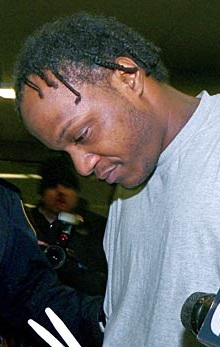
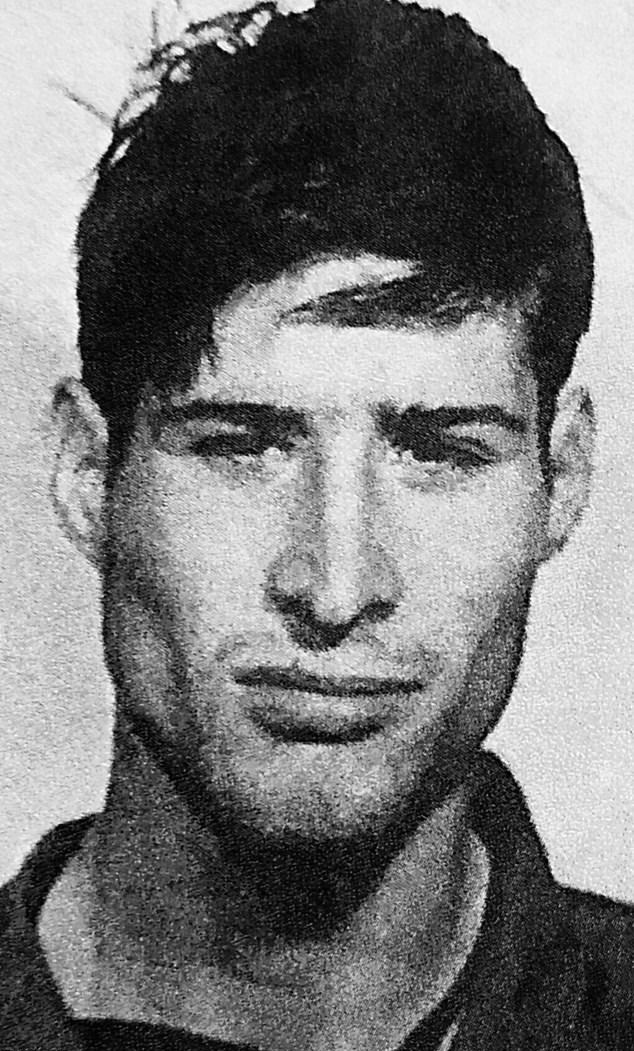
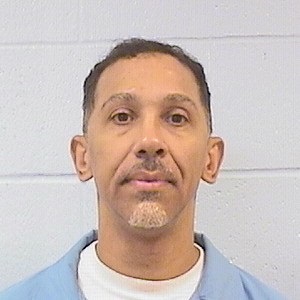
Raymont Hopewell was an American serial killer and rapist who attacked older residents of Baltimore, Maryland, between 1999 and 2005. He was born in Baltimore on June 11, 1971, and was sometimes known by the nickname “Money.” Hopewell ultimately admitted responsibility for five murders, four rapes, and several violent attacks on people who survived. His victims were generally elderly or disabled residents whom he encountered inside their homes or apartments.
Hopewell’s crimes were marked by home invasions, robbery, binding, sexual assault, beating, and strangulation or suffocation. In several cases, he appeared to use familiarity, conversation, or a connection to the neighborhood to approach a victim without immediately causing alarm. He then attacked after entering the residence. The crimes remained unconnected for years, allowing him to continue targeting vulnerable residents.
Background and Earlier Criminal Activity
Hopewell grew up near Baltimore’s Gwynns Falls and Leakin Park area. He left high school during his sophomore year and later developed a serious heroin addiction. Before the murder investigation, he accumulated a criminal history that included theft, burglary, assault, drug possession, resisting arrest, and possession of drugs with the intent to distribute them.
In 2001, Hopewell was arrested after attempting to sell cocaine to an undercover police officer. He was later placed on probation. In April 2004, he received an 18-month sentence for violating that probation. Although Maryland procedures should have resulted in the collection of a DNA sample, the sample was not obtained at that time. This missed opportunity later became important because DNA evidence eventually connected him to multiple murders and sexual assaults.
Hopewell was transferred to a halfway house in 2004. On September 2, 2004, he failed to return after being allowed to leave the facility. He was reported as having walked away and was placed on a wanted list. During the following year, he committed a concentrated series of murders and attacks in Baltimore.
Confirmed Murder Victims
- Constance Wills, age 60 — February 21, 1999 — Ellamont Avenue, West Baltimore: Hopewell knew Wills through her family. He entered her home and attacked her in a bedroom. Her wrists were bound, and she was sexually assaulted, beaten, and strangled. Hopewell also stole property from the residence. Wills was discovered by her daughter and a neighbor. Her death was officially classified as a homicide shortly afterward.
- Sarah Shannon, age 88 — November 30, 2002 — Greenhill Apartments on Violet Avenue, North Baltimore: Shannon lived in an apartment complex intended for elderly and disabled residents. Hopewell was familiar with the building because his mother lived in an apartment near Shannon’s. He entered Shannon’s bedroom, sexually assaulted her, strangled her, and stole valuables. A relative discovered her after she stopped answering telephone calls.
- Sadie L. Mack, age 78 — May 27, 2005 — Sandtown, West Baltimore: Mack was attacked inside her apartment. Hopewell bound her hands with a shoestring, sexually assaulted her, and strangled her. Her son found her body. Mack’s published death notice records May 27, 2005, as her date of death, although a number of later crime summaries identify May 31 as the date of the attack or discovery.
- Carlton Crawford, age 82 — August 21, 2005 — Baltimore, Maryland: Crawford was deaf and disabled. Hopewell entered his apartment, tied his ankles, and severely beat him. Neighbors heard loud noises and contacted a security guard. When the guard knocked, Hopewell answered the door and claimed that Crawford had fallen. He refused to allow the guard inside and fled when police were summoned. Officers entered the apartment and found Crawford dead.
- Lydia Rowena Wingfield, age 78 — August 31, 2005 — Windsor Hills, West Baltimore: Hopewell approached Wingfield’s house and introduced himself as “Money.” He claimed that he had known her son, Jerrold Wingfield, during childhood but would not provide his real name. Wingfield telephoned her son and told him about the unusual visitor. Hopewell later returned, entered the house, bound Wingfield, sexually assaulted her, and strangled her. Her son subsequently found her body.
The 2005 Attacks on Survivors
Hopewell also committed several attacks in September 2005 in which the victims survived. On September 2, he entered the West Baltimore home of a 63-year-old woman. When he did not initially find her upstairs, he searched the house and consumed food and drinks in the kitchen. He eventually located the woman hiding in the basement. Armed with a knife, he sexually assaulted her and then left the residence without killing her.
On September 9, Hopewell cut through the screen of a kitchen door and entered a home on Spaulding Avenue. He confronted a 55-year-old woman and a 61-year-old man, displayed a knife, and demanded $150. The woman told him that the police had already been called. Hopewell fled before officers arrived.
On September 10, he entered the home of Thomas Tabron, age 80, and Amelia Gertrude Tabron, age 76. Hopewell threatened to kill the couple and attacked Amelia with a butcher knife. She grabbed the weapon in an effort to defend herself, but her hand was cut when Hopewell pulled it away. Thomas fought Hopewell and suffered injuries during the struggle. Hopewell stole money and escaped, but both victims survived.
Identification and Arrest
The murder of Carlton Crawford produced an important eyewitness. The security guard who had spoken to the man answering Crawford’s door was able to identify Hopewell. Police arrested him on September 20, 2005, in connection with Crawford’s killing.
Information from Lydia Wingfield’s family also helped investigators. Before her death, Wingfield had told her son about a visitor calling himself “Money.” Her son initially did not recognize the nickname, but one of his friends connected it to Raymont Hopewell. Investigators were then able to examine Hopewell’s possible involvement in Wingfield’s murder and other unsolved attacks.
After Hopewell’s arrest, investigators obtained his DNA. Laboratory comparisons linked him to crime-scene evidence from several murders and sexual assaults. The results demonstrated that crimes committed over a period of approximately six years were connected to the same offender. The evidence also revealed how an earlier failure to collect Hopewell’s DNA during his incarceration had delayed his identification.
Guilty Plea and Sentence
In December 2005, prosecutors announced charges covering five murders and a series of rapes and assaults. The state intended to seek the death penalty. Facing extensive DNA evidence, eyewitness identification, and additional evidence connecting him to the victims, Hopewell agreed to a plea arrangement.
On August 11, 2006, Hopewell pleaded guilty to five counts of murder, four counts of rape, and other violent offenses. The agreement removed the possibility of a death sentence. On September 14, 2006, a Baltimore judge sentenced him to four consecutive terms of life imprisonment without the possibility of parole.
During the sentencing hearing, prosecutors described the home invasions and the suffering of the victims. Relatives spoke about the permanent effect the crimes had on their families. Hopewell offered a brief apology, but several family members said they considered it inadequate or insincere.
Impact of the Case
The Hopewell case exposed serious weaknesses in the handling of DNA collection and supervision of offenders. Had his DNA been collected when he was imprisoned for violating probation, investigators might have connected him to earlier crimes before the fatal attacks of 2005. His departure from a halfway house and continued freedom despite being listed as wanted also raised questions about communication among correctional institutions and law-enforcement agencies.
Hopewell’s victims were people attacked in places where they should have been safest: their own homes. Several were elderly, disabled, or living in housing intended to protect vulnerable residents. The case remains a disturbing example of how crimes against isolated victims can remain unconnected until physical evidence, witness accounts, and careful investigation reveal a larger pattern.