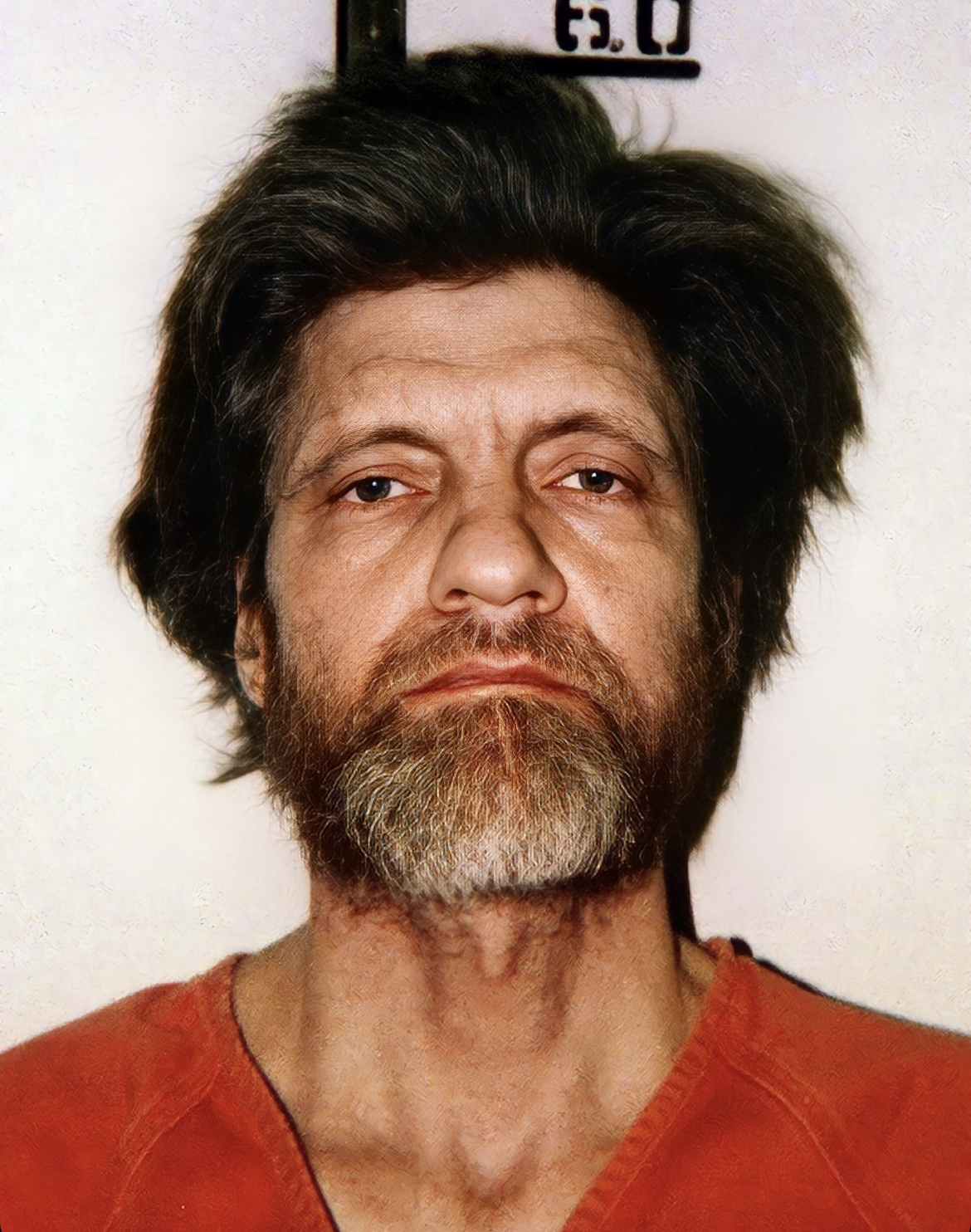
Lorenzo Fayne: Crimes, Victims, and Convictions
Overview
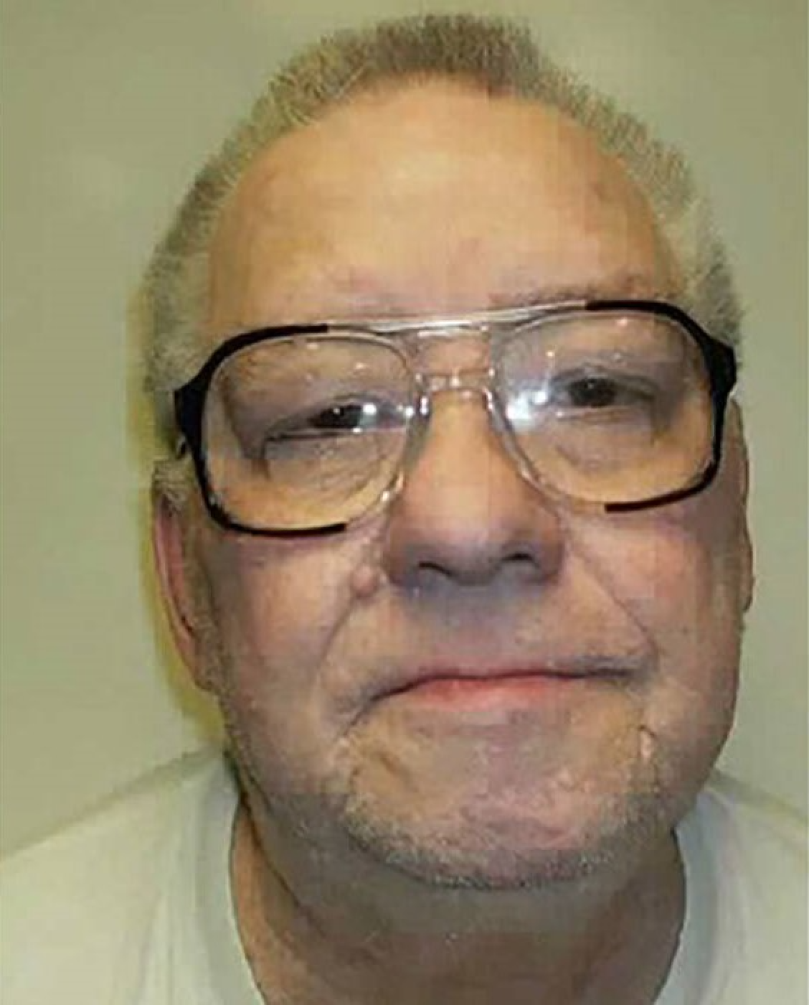
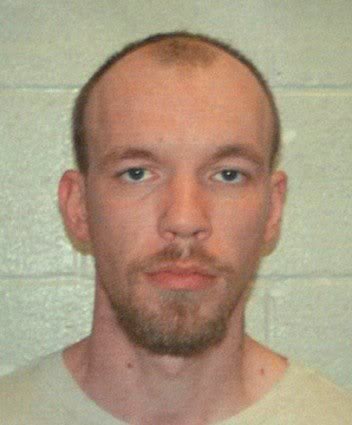
Lorenzo Fayne is an American serial killer, rapist, and necrophile whose known crimes occurred between 1989 and 1993 in Milwaukee, Wisconsin, and East St. Louis, Illinois. Born on April 2, 1971, Fayne was responsible for the murders of six known victims. Five were children or teenagers living near his grandmother’s home in East St. Louis. The sixth was an adult woman killed in Milwaukee.
Fayne used several methods to kill his victims, including strangulation, stabbing, and severe blunt-force trauma. His crimes were sexually motivated, and evidence presented during his trials showed that he sometimes continued his assaults after his victims had died. He was eventually convicted of five murders in Illinois and later charged with the previously unsolved murder in Wisconsin.
Early Criminal History
Fayne grew up in Milwaukee and had repeated contact with the juvenile justice system. During his adolescence, he was arrested for offenses that included robbery, burglary, assault, and automobile theft. After leaving juvenile custody in 1989, he moved to East St. Louis and lived with his grandmother. Most of his Illinois victims lived or were discovered within approximately one mile of that residence.
His first known murder occurred only months after his release. The killings then continued intermittently for four years. Because the victims were killed in different ways and the cases were initially investigated separately, authorities did not immediately recognize that one offender was responsible.
Known Victims
- Aree Hunt — July 14, 1989, East St. Louis, Illinois: Aree Hunt was a six-year-old boy who was sexually assaulted and strangled. His body was discovered near Fayne’s grandmother’s neighborhood. A fingerprint connected with the Hunt investigation was later matched to evidence associated with Fayne. Hunt’s murder became the first case for which Fayne was tried and convicted.
- Rita Scott — September 15, 1989, Milwaukee, Wisconsin: Rita Scott was a 32-year-old woman killed on Milwaukee’s north side. Her body was found near the area of North 13th Street and West Cherry Street. She had suffered fatal injuries caused by a blunt object. Biological evidence was preserved, but the crime remained unsolved for approximately 20 years. In 2009, renewed DNA testing matched the evidence to Fayne. He subsequently confessed to killing Scott and admitted committing a sexual act against her body after her death.
- Latonda Dean — March 20, 1992, East St. Louis, Illinois: Fourteen-year-old Latonda Dean was sexually assaulted and stabbed to death. Her killing occurred within the same limited East St. Louis area where Fayne lived. Her name has also appeared in some accounts with the spelling “Latondra,” but Illinois court records identify her as Latonda Dean.
- Fallon Flood — July 20, 1992, East St. Louis, Illinois: Fallon Flood was nine years old. Her body was found on the floor of an abandoned locker room inside a local high school. A belt had been tightened around her neck, causing her death by strangulation. The condition in which she was found showed that she had also been sexually attacked.
- Glenda Jones — June 25, 1993, East St. Louis, Illinois: Glenda Jones was 17 years old when she was sexually assaulted and stabbed to death. Her murder occurred less than one month before Fayne’s final known Illinois killing. Like the other East St. Louis victims, she lived or was killed close to the neighborhood surrounding Fayne’s residence.
- Faith Davis — July 23, 1993, East St. Louis, Illinois: Faith Davis was a 17-year-old neighbor of Fayne’s grandmother. Fayne entered her home, sexually assaulted her, and stabbed her to death. He then set fire to the residence in an apparent attempt to destroy evidence. Firefighters were called to the property during the early hours of July 24. Investigators discovered that Davis had been murdered, and a trail of blood led from her home toward the house where Fayne was staying.
Arrest and Confessions
Fayne was arrested on July 24, 1993, during the investigation of Faith Davis’s murder. Witness statements and physical evidence immediately placed him under suspicion. Investigators found blood evidence and determined that the fire in Davis’s home had been deliberately set after she was killed.
During questioning, Fayne initially admitted entering or robbing the residence but denied committing the murder. Investigators later connected him to the 1989 murder of Aree Hunt. When confronted with the evidence, Fayne confessed to killing Hunt and Davis. He eventually admitted responsibility for the murders of Fallon Flood, Glenda Jones, and Latonda Dean as well.
Fayne provided investigators and mental-health examiners with descriptions of the killings. Prosecutors characterized the crimes as a continuing pattern of sexually motivated violence. A psychiatrist who examined Fayne testified that he understood his conduct and was capable of controlling his actions, undermining the defense’s argument that he was legally insane.
Trials and Sentences
Fayne was first prosecuted for the murder of Aree Hunt. In 1994, a jury rejected his insanity defense and found him guilty of first-degree murder. Prosecutors requested the death penalty, but the jury did not unanimously agree to impose it. Fayne was therefore sentenced to natural life imprisonment without the possibility of parole.
The remaining Illinois murder cases moved forward separately. In 2001, Fayne was convicted of murdering Faith Davis, Fallon Flood, Glenda Jones, and Latonda Dean. He received a death sentence for those crimes. In January 2003, Illinois Governor George Ryan commuted the sentences of the state’s death-row prisoners. Fayne’s death sentence was changed to life imprisonment.
The Rita Scott Cold Case
The murder of Rita Scott was not connected to Fayne until advances in DNA testing allowed Milwaukee cold-case investigators to reexamine preserved evidence. Detectives submitted the biological material for new testing in January 2009. A database match identified Fayne several months later.
When questioned in October 2009, Fayne described encountering Scott near the location where she was killed. He confessed to striking her with an object and acknowledged his postmortem sexual conduct. The DNA match and confession established his responsibility for a sixth known murder, extending his confirmed criminal activity back to Milwaukee in 1989.
Legacy of the Case
Fayne’s crimes demonstrate how separate homicide investigations can remain unconnected when victims differ in age, gender, and cause of death. His East St. Louis victims included one boy and four girls, while the Milwaukee victim was an adult woman. The attacks also involved several methods of killing, making a consistent pattern more difficult to identify before his arrest.
His capture followed the murder of Faith Davis, when his attempt to conceal the crime with fire instead produced an immediate investigation and a visible trail of evidence. Later forensic testing revealed the full geographic scope of his crimes. Fayne remains imprisoned under life sentences for the murders committed in Illinois.