Charles Edmund Cullen: The Nurse Who Murdered Patients Across New Jersey and Pennsylvania
Overview
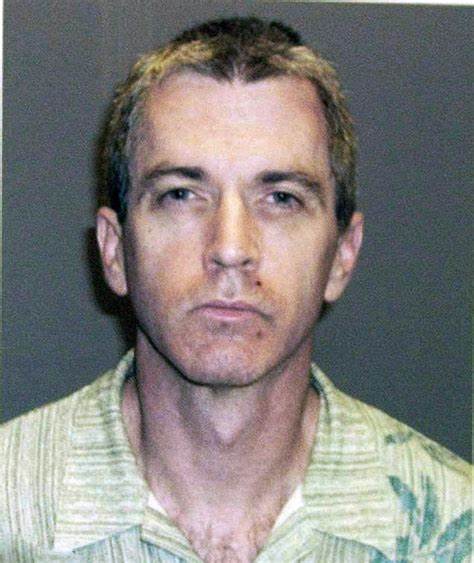
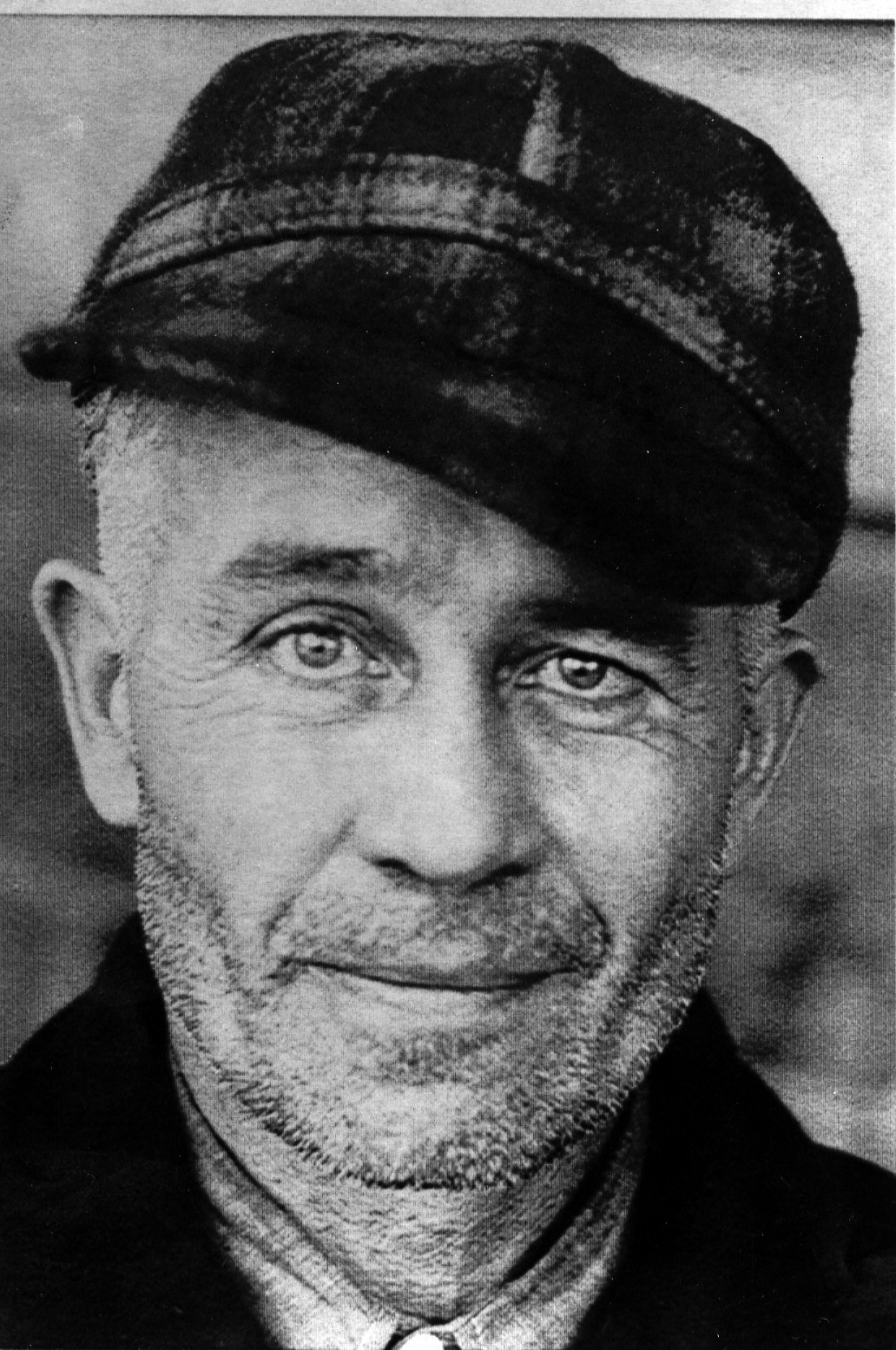
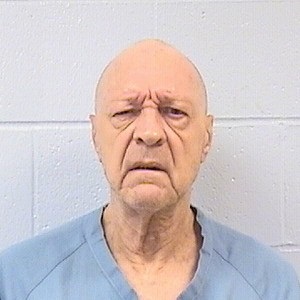
Charles Edmund Cullen was an American registered nurse and serial killer who used his position inside hospitals to deliberately poison patients entrusted to his care. Born on February 22, 1960, in West Orange, New Jersey, Cullen worked in hospitals and nursing facilities in New Jersey and Pennsylvania during a nursing career that stretched for approximately sixteen years. His crimes remained undetected for years as he moved between medical facilities, despite repeated questions about his conduct, suspicious medication practices, unusual patient emergencies, and problems at several of his workplaces.
Cullen eventually admitted killing dozens of patients. Twenty-nine murders were established through his guilty pleas in New Jersey and Pennsylvania: twenty-two in New Jersey and seven in Pennsylvania. He also pleaded guilty to six attempted murders. Cullen told investigators that the true number of people he killed could have been substantially higher, at one point estimating approximately thirty to forty murders. Because of incomplete medical records, the passage of time, and the large number of patients who died at facilities where he worked, investigators were unable to determine with certainty whether additional deaths were caused by him.
A Killer Working as a Nurse
Cullen became a registered nurse after attending nursing school and began working at Saint Barnabas Medical Center in Livingston, New Jersey, in 1987. Hospitals gave him direct access to vulnerable patients, intravenous lines, medication rooms, and powerful prescription drugs. Instead of using that access solely to care for patients, Cullen began secretly administering medications that had not been ordered by physicians or deliberately giving excessive quantities of prescribed drugs.
Among the medications associated with his crimes was digoxin, a powerful heart medication that can become deadly in excessive doses. He also used insulin and other medications capable of causing sudden and potentially fatal changes in a patient's heart rhythm, blood pressure, or blood sugar. The clinical effects could resemble complications of an existing illness, particularly when the victim was already hospitalized. This helped conceal Cullen's crimes because unexpected deterioration among seriously ill patients was not automatically treated as evidence of deliberate poisoning.
The First Confirmed Murder
The earliest murder for which Cullen was ultimately held legally responsible occurred at Saint Barnabas Medical Center. On June 11, 1988, 72-year-old John W. Yengo Sr. died at the Livingston hospital. Yengo, a former Jersey City municipal judge who had twice sought election as the city's mayor, became the first person on the official list of Cullen's confirmed murder victims.
Cullen later acknowledged additional wrongdoing during his years at Saint Barnabas, but investigators could not establish enough evidence to prosecute him for every suspicious death. He left Saint Barnabas in January 1992 while questions were being raised about contaminated intravenous bags at the hospital.
Murders at Warren Hospital
After Saint Barnabas, Cullen obtained employment at Warren Hospital in Phillipsburg, New Jersey. Three elderly women whose deaths were eventually attributed to him died there during 1993. The victims were Lucy Mugavero, Mary Natoli, and Helen Dean.
Helen Dean's case became particularly disturbing in retrospect. Dean was hospitalized for breast cancer surgery when she reported that Cullen, who was not supposed to be caring for her, had entered her room and injected her. She died shortly afterward. Cullen was questioned during the resulting inquiry but remained free and continued his nursing career.
Hunterdon Medical Center
Cullen later worked at Hunterdon Medical Center in Flemington, New Jersey. Five murders committed there in 1996 were eventually attributed to him. The victims ranged in age from 49 to 81 and included people with families, careers, military service, and community ties. Cullen's access to medication and the medical vulnerability of hospitalized patients again allowed the deaths to occur without investigators immediately recognizing that a member of the hospital staff was intentionally causing them.
The Hunterdon victims were LeRoy Sinn, Earl Young, Catherine Dext, Frank Mazzacco, and Jesse Eichlin. Their deaths occurred over less than six months, from January through July 1996.
Moving Between Hospitals
Cullen's employment history became a crucial part of understanding how the killings continued for so long. He worked at a succession of hospitals and health-care facilities, including Morristown Memorial Hospital in New Jersey and Liberty Nursing and Rehabilitation Center in Allentown, Pennsylvania. Problems repeatedly followed him, yet leaving one facility did not prevent him from obtaining employment elsewhere.
At Liberty, Cullen was eventually dismissed after he was discovered entering the room of a patient who had not been assigned to him while carrying syringes. He subsequently obtained another nursing position. The repeated movement between institutions meant that suspicious incidents tended to be examined as isolated problems instead of as part of a continuing pattern involving the same nurse.
Ottomar Schramm at Easton Hospital
Cullen worked at Easton Hospital in Pennsylvania beginning in late 1998. One of his confirmed victims there was 78-year-old Ottomar Schramm of Bethlehem. Schramm died on December 30, 1998, after being treated at Easton Hospital. Investigators subsequently determined that his death was connected to Cullen and an improper administration of digoxin.
Questions were raised about Schramm's death at the time, but the investigation did not immediately result in Cullen being identified as the killer. Years later, after Cullen's arrest and confessions, authorities were able to revisit the case and connect the earlier hospital death to his larger series of crimes.
Lehigh Valley Hospital
At Lehigh Valley Hospital in Salisbury Township, Pennsylvania, Cullen murdered 22-year-old Matthew Mattern. Mattern had suffered severe burns in an automobile accident and died on August 31, 1999. He was among the youngest of Cullen's confirmed murder victims.
Cullen was also prosecuted for attempting to murder 73-year-old Stella Danielczyk at Lehigh Valley Hospital in February 2000. She survived the poisoning, allowing investigators years later to classify the incident separately from Cullen's completed murders.
Five Murders at St. Luke's Hospital
Cullen next worked at St. Luke's Hospital in the Bethlehem area of Pennsylvania. Five murders committed there between June 2001 and June 2002 eventually became part of the criminal case against him. His victims were Irene Krapf, William Park, Samuel Spangler, Daniel George, and Edward O'Toole.
Hospital employees became increasingly concerned about Cullen's handling of medication. Coworkers reportedly noticed unusual activity involving drugs, and suspicions were eventually raised with investigators. Nevertheless, there was not enough evidence at that stage to charge Cullen with murder. He left St. Luke's in June 2002 and once again continued his nursing career elsewhere.
Somerset Medical Center and the Final Series of Murders
In September 2002, Cullen began working in the critical-care unit at Somerset Medical Center in Somerville, New Jersey. This became the location of the largest group of murders for which he was convicted. Thirteen patients were murdered there between February and October 2003.
Investigators later learned that Cullen accessed medications and patient records in ways that did not correspond with his assigned duties. Electronic medication-dispensing records provided important evidence because they recorded his interaction with drugs that certain patients had never been prescribed. Unexplained laboratory results also began revealing dangerously abnormal concentrations of medications in patients.
One particularly important case involved the Reverend Florian J. Gall, a 68-year-old Roman Catholic priest who died on June 28, 2003. Gall had not been regarded as a terminal patient and had reportedly been improving. Testing showed an abnormal level of digoxin. His death became one of the cases that helped expose the pattern surrounding Cullen.
Investigation and Arrest
As suspicious laboratory results accumulated at Somerset Medical Center, authorities began examining Cullen more closely. Investigators reviewed his medication activity, patient assignments, employment history, and connections to unexplained medical emergencies. Fellow nurse Amy Loughren played a major role in helping investigators understand the medication records and Cullen's behavior.
Loughren cooperated with detectives and met Cullen while investigators were building their case. Cullen was arrested on December 12, 2003. Initially the prosecution focused on the murder of Florian Gall and the attempted murder of Jin Kyung Han, another Somerset patient. Once questioned extensively, however, Cullen began describing killings stretching across much of his nursing career.
Confirmed Murder Victims
- John W. Yengo Sr., 72 - Died June 11, 1988, at Saint Barnabas Medical Center in Livingston, New Jersey.
- Lucy Mugavero, 90 - Died March 9, 1993, at Warren Hospital in Phillipsburg, New Jersey.
- Mary Natoli, 85 - Died July 23, 1993, at Warren Hospital in Phillipsburg, New Jersey.
- Helen Dean, 91 - Died September 1, 1993, at Warren Hospital in Phillipsburg, New Jersey. She was from Lopatcong Township.
- LeRoy Sinn, 71 - Died January 21, 1996, at Hunterdon Medical Center in Flemington, New Jersey.
- Earl Young, 76 - Died May 31, 1996, at Hunterdon Medical Center in Flemington, New Jersey.
- Catherine Dext, 49 - Died June 9, 1996, at Hunterdon Medical Center in Flemington, New Jersey.
- Frank Mazzacco, 66 - Died June 24, 1996, at Hunterdon Medical Center in Flemington, New Jersey.
- Jesse Eichlin, 81 - Died July 10, 1996, at Hunterdon Medical Center in Flemington, New Jersey.
- Ottomar Schramm, 78 - Died December 30, 1998, at Easton Hospital in Easton, Pennsylvania. He was from Bethlehem.
- Matthew Mattern, 22 - Died August 31, 1999, at Lehigh Valley Hospital in Salisbury Township, Pennsylvania. He was from Shamokin.
- Irene Krapf, 79 - Died June 22, 2001, at St. Luke's Hospital in Fountain Hill, Pennsylvania. She was from Tamaqua.
- William Park, 72 - Died November 8, 2001, at St. Luke's Hospital in Pennsylvania. He was from the Lehighton area.
- Samuel Spangler, 80 - Died January 9, 2002, at St. Luke's Hospital in Pennsylvania. He was from Bethlehem.
- Daniel George, 82 - Died May 5, 2002, at St. Luke's Hospital in Pennsylvania. He was from Bethlehem.
- Edward O'Toole, 76 - Died June 2, 2002, at St. Luke's Hospital in Pennsylvania. He was from Bethlehem.
- Eleanor Stoecker, 60 - Died February 12, 2003, at Somerset Medical Center in Somerville, New Jersey. She was from Bedminster.
- Joyce E. Mangini, 74 - Died February 23, 2003, at Somerset Medical Center in Somerville, New Jersey. She was from Raritan.
- Giacomino J. "Jack" Toto, 89 - Died February 23, 2003, at Somerset Medical Center in Somerville, New Jersey. He was from Bridgewater.
- John J. Shanagher, 83 - Died March 11, 2003, at Somerset Medical Center in Somerville, New Jersey. He was from Bridgewater.
- Dorthea K. Hoagland, 80 - Died April 6, 2003, at Somerset Medical Center in Somerville, New Jersey. She was from Middlesex.
- Melvin T. Simcoe, 66 - Died May 5, 2003, at Somerset Medical Center in Somerville, New Jersey. He was from Green Brook.
- Michael T. Strenko, 21 - Died May 15, 2003, at Somerset Medical Center in Somerville, New Jersey. He was from Manville and was the youngest of Cullen's confirmed murder victims.
- Reverend Florian J. Gall, 68 - Died June 28, 2003, at Somerset Medical Center in Somerville, New Jersey. He served as pastor of Our Lady of Lourdes Roman Catholic Church in Whitehouse Station.
- Pasquale M. Napolitano, 80 - Died July 13, 2003, at Somerset Medical Center in Somerville, New Jersey. He was from Peapack-Gladstone.
- Christopher B. Hardgrove, 38 - Died August 11, 2003, at Somerset Medical Center in Somerville, New Jersey. He was a Somerville resident and father of two daughters.
- Krishnakant Upadhyay, 70 - Died September 20, 2003, at Somerset Medical Center in Somerville, New Jersey. He was from Bridgewater.
- James R. Strickland, 83 - Died September 23, 2003, at Somerset Medical Center in Somerville, New Jersey. He was from Bowie, Maryland.
- Edward P. Zizik, 73 - Died October 21, 2003, at Somerset Medical Center in Somerville, New Jersey. He was from Three Bridges and had volunteered at the same medical center where Cullen killed him.
Known Attempted-Murder Victims
- Stella Danielczyk, 73 - Cullen attempted to kill her in February 2000 at Lehigh Valley Hospital in Pennsylvania.
- John Gallagher, 90 - Cullen attempted to kill him on February 8, 2001, at St. Luke's Hospital in Pennsylvania.
- Paul Galgon, 72 - Cullen attempted to kill him on December 28, 2001, at St. Luke's Hospital in Pennsylvania.
- Philip Gregor, 48 - Cullen attempted to kill him on June 18, 2003, at Somerset Medical Center in Somerville, New Jersey. Gregor survived the incident and was discharged from the hospital.
- Jin Kyung Han, 40 - Cullen attempted to kill her on June 29, 2003, at Somerset Medical Center in Somerville, New Jersey.
- Frances Agoada, 83 - Cullen attempted to kill her on August 27, 2003, at Somerset Medical Center in Somerville, New Jersey.
Cullen's Claimed Motive
After his arrest, Cullen attempted to portray many of his actions as mercy killings. He told investigators that he wanted to prevent patients from suffering or from undergoing prolonged attempts at resuscitation. The circumstances of his crimes, however, did not consistently support that explanation. Some of the people he poisoned were not believed to be terminally ill, and some were improving before suddenly deteriorating after receiving unauthorized medication.
The victims also varied greatly in age and medical condition. Although many were elderly, Cullen killed younger patients as well, including 21-year-old Michael Strenko and 22-year-old Matthew Mattern. His selection of patients and willingness to administer drugs that physicians had not ordered demonstrated that he was independently deciding who would live and who would die while concealing those decisions from patients, families, doctors, and other nurses.
Guilty Pleas and Sentences
Cullen agreed to cooperate with investigators in exchange for prosecutors not seeking the death penalty. His cooperation led authorities through years of hospital records as they attempted to identify the people he had poisoned. He ultimately pleaded guilty to murdering twenty-two patients in New Jersey and seven patients in Pennsylvania, establishing twenty-nine confirmed murders. He also admitted six attempted murders.
The cases produced multiple life sentences in the two states. Cullen ultimately received eighteen consecutive life sentences, effectively guaranteeing that he would remain incarcerated for the rest of his life. His crimes made him one of the most prolific convicted serial killers in American history.
Why the Murders Continued for Years
The Cullen case exposed serious weaknesses in the way hospitals historically shared information about troublesome employees. Cullen repeatedly encountered disciplinary issues or suspicions yet continued obtaining nursing positions. Hospitals were often reluctant to provide detailed negative information about former employees because of concerns about litigation, and investigators examining suspicious incidents at individual facilities did not initially have the full picture of what had happened elsewhere.
A nationwide nursing shortage during portions of Cullen's career also made experienced nurses valuable applicants. By moving from one institution to another, Cullen entered environments where supervisors frequently knew little about suspicions raised during his previous employment. Only after investigators reconstructed his employment history did the pattern become unmistakable.
The Importance of the Victims
The scale of Cullen's crimes can sometimes cause the people he killed to be reduced to numbers. The confirmed victims, however, included parents, grandparents, veterans, educators, workers, religious leaders, and people with decades of involvement in their communities. John Yengo had served as a municipal judge. Frank Mazzacco spent decades teaching. Jesse Eichlin was a farmer and carpenter. Edward O'Toole was a World War II Navy veteran. Florian Gall devoted his life to the Catholic priesthood. Christopher Hardgrove was a father of two daughters. Each entered a medical facility expecting treatment and protection.
Twenty-nine murders can be proven through Cullen's admissions and criminal cases, but the complete number of people whose deaths he caused may never be known. Medical records disappeared or were destroyed in the ordinary course of record retention, witnesses died, memories faded, and many patients Cullen encountered were already seriously ill. Those circumstances made retrospective investigation extraordinarily difficult.
Legacy of the Charles Cullen Case
Charles Cullen's crimes became a major example of the dangers created when medical institutions fail to communicate serious concerns about employees. The case prompted renewed attention to hospital medication controls, electronic monitoring, employee reporting systems, background investigations, and the obligation of health-care institutions to report suspicious conduct to authorities.
Cullen was able to continue killing because his crimes occurred in an environment where sudden death was not unusual and where the person responsible was himself a trained medical professional. His access to medication allowed him to transform ordinary tools of medical treatment into murder weapons while presenting himself as a nurse caring for the very people he was secretly poisoning.
His arrest in December 2003 ended a series of confirmed murders that began at least fifteen years earlier. Although Cullen confessed to substantially more killings than prosecutors were able to prove, the twenty-nine established deaths demonstrate the extraordinary scope of his crimes. The case remains one of the most disturbing examples of serial murder committed within the health-care system, both because of the number of victims and because the killer repeatedly exploited the trust patients and their families placed in medical professionals.