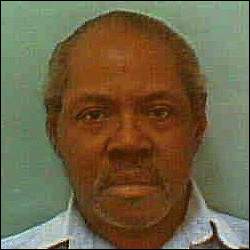
Posteal Laskey Jr.: The Man Identified as the Cincinnati Strangler
Overview
Posteal Laskey Jr. was a Cincinnati, Ohio, man who became the principal suspect in the series of murders remembered as the Cincinnati Strangler killings. Between December 1965 and December 1966, seven women were murdered in Cincinnati in attacks that created widespread fear throughout the city. Most of the victims were middle-aged or elderly women, several were sexually assaulted, and strangulation was a recurring method of murder. Laskey was ultimately convicted of only one killing, the August 14, 1966 murder of 31-year-old Barbara Rose Bowman. Cincinnati investigators nevertheless believed that he was responsible for the broader series.
This distinction is important when discussing Laskey's crimes. Legally, Barbara Bowman was his only proven murder victim. The other six murders traditionally associated with the Cincinnati Strangler were never prosecuted against him, and Laskey never confessed to being the Strangler. Police remained convinced of his involvement, however, particularly because the series abruptly ended after his December 9, 1966 arrest.
Background
Posteal Laskey Jr. was born on June 18, 1937, in Cincinnati. He had previously worked as a taxicab driver and later worked as a laborer. His experience with Cincinnati's taxi system became significant when investigators began examining the murder of Barbara Bowman. Police learned that Laskey had formerly driven for Yellow Cab and was familiar with the company's vehicles and operating procedures.
Laskey had also come to the attention of law enforcement before his murder arrest. He had been prosecuted for an attack on a woman in 1965 and was placed on probation. By the time Cincinnati was being terrorized by the Strangler murders, investigators were under enormous pressure to identify an offender whose attacks seemed capable of occurring almost anywhere: inside apartments, in apartment-building common areas, in a public park, in a residential garage and on a city street.
The Cincinnati Strangler Murders
The killings attributed to the Cincinnati Strangler stretched for approximately one year. Although there were differences among individual crimes, investigators saw enough similarities in victim selection, sexual violence and the repeated use of strangulation to suspect that several of the women had been killed by the same offender.
- Emogene Harrington – December 2, 1965 – Cincinnati, Ohio: Harrington, widely reported as 56 years old, was killed in the basement area of her apartment building at 1404 East McMillan Street. She had returned from grocery shopping and went downstairs seeking assistance with her bags. She was later found dead in a bathroom area by the building's janitor. Harrington had been sexually assaulted and strangled with a cord. Her murder became the first killing generally included in the established Cincinnati Strangler series.
- Lois Dant – April 4, 1966 – 1210 Rutledge Avenue, Price Hill, Cincinnati: Dant was 58 years old and was alone in her ground-floor apartment while her husband was away. She had been speaking on the telephone when someone came to the door. Dant reportedly returned to the telephone after the first interruption and said that a man was looking for the building superintendent. When the visitor returned to the door several minutes later, Dant left the telephone again and never resumed the conversation. Her husband later discovered her body. She had been sexually assaulted, beaten and strangled, reportedly with one of her own stockings.
- Matilda Jeannette "Jeanette" Messer – June 10, 1966 – Burnet Woods, Cincinnati: Messer, 56, was walking her dog along the Chipmunk Hollow Nature Trail in Burnet Woods when she was attacked. Her body was discovered after she had been dragged into vegetation away from the trail. She had been beaten, sexually assaulted and strangled with a necktie. The force used in the strangulation was reportedly sufficient to tear the tie. Messer's dog was found alive nearby with its leash tied around a tree, suggesting that the killer had deliberately restrained the animal while attacking her.
- Barbara Rose Bowman – August 14, 1966 – Grand Avenue, Price Hill, Cincinnati: Bowman, 31, was the only victim whose murder resulted in Laskey's conviction. During the early morning hours, Bowman left the Lark Lounge on Vine Street after spending time with friends and called for a taxi to take her home. Witnesses saw her leave with the cab driver. She was attacked on Grand Avenue, approximately a block from her residence. Bowman suffered numerous stab wounds as well as injuries indicating that her attacker had attempted to choke her. She managed to get out of the cab during the attack but suffered fatal injuries. Her body and the abandoned taxi were discovered nearby. Evidence recovered from the vehicle included her belongings and a bloodstained knife.
- Alice Hochhausler – night of October 11-12, 1966 – 3480 Cornell Place, Cincinnati: Hochhausler, reported as 50 or 51 in contemporary accounts, had gone out to pick up her daughter, who worked as a nurse, and drive her home because the continuing strangler murders had made the family concerned for her safety. After returning to her own residence, Hochhausler was attacked near her driveway. She was struck violently in the head and dragged into the garage, where she was sexually assaulted and strangled with the belt or cord of her bathrobe. Her body was discovered on the morning of October 12. Historical accounts frequently place the killing on October 11 because the attack apparently began during the preceding night, while official records list the incident as October 12, 1966.
- Rose Winstel – October 20, 1966 – 2289 Vine Street, Clifton, Cincinnati: Winstel, 81, was found murdered inside her residence. She had been beaten, sexually assaulted and strangled with an electrical cord, described in accounts as the cord from a heating pad. Her killing closely resembled several of the earlier strangulation murders and intensified the already enormous pressure on Cincinnati police to find the killer.
- Leila "Lula" Kerrick – December 9, 1966 – 104 West Ninth Street, downtown Cincinnati: Kerrick, 81, was found dead in the elevator of her apartment building after returning from early morning Mass at St. Peter in Chains Cathedral. Her name has appeared as both Leila and Lula in historical accounts. She had been strangled with a stocking tied around her neck. Unlike several earlier victims, Kerrick was not sexually assaulted. Her murder was the final killing traditionally attributed to the Cincinnati Strangler.
The Barbara Bowman Murder and the Taxi Evidence
Barbara Bowman's murder became the critical case against Laskey because investigators had considerably more evidence than they possessed in the earlier strangulations. Bowman had called for a taxi shortly after 2:00 a.m. on August 14, 1966. A man entered the establishment where she had been socializing, announced that her cab had arrived and left with her. Numerous witnesses therefore had an opportunity to observe the driver.
The taxi used to pick Bowman up had been stolen from Yellow Cab. Investigators eventually learned that Laskey was a former Yellow Cab driver and had knowledge of the company's vehicles. Witnesses who had encountered the man driving the stolen cab provided police with descriptions, and several witnesses later identified Laskey.
Bowman's attack differed somewhat from the other murders because stabbing played such a prominent role. Court records described numerous stab wounds and evidence of an attempt to choke her. The injuries severed major blood vessels in her neck. Police believed Bowman had fought desperately to escape her attacker. The circumstances surrounding the stolen taxi, the witness identifications and Laskey's previous connection to Yellow Cab provided prosecutors with the evidentiary foundation they lacked in the other suspected Strangler murders.
A City Living in Fear
By late 1966, the Cincinnati Strangler had transformed everyday life for many women in the city. The victims had not all been attacked under identical circumstances. Some were inside their own homes, another was walking her dog in a public park, one was attacked after getting out of her automobile, and another was killed inside an apartment-building elevator. The unpredictability contributed to the belief that nowhere was completely safe.
Residents purchased additional locks and other security devices in large numbers. Women reported suspicious people and vehicles, and police received an enormous volume of tips. Cincinnati authorities formed a special investigative squad and examined thousands of possible leads and vehicles. Businesses adjusted operating practices, and Halloween activities were altered so children could be home before dark. The killings had become one of the city's most frightening criminal investigations.
The December 9, 1966 Break in the Case
The investigation changed dramatically on December 9, 1966, the same day Kerrick was murdered. Earlier that day, 22-year-old Sandra Chapas reported an encounter with a man who followed her toward her apartment and attempted to attack her. The disturbance attracted the attention of other residents, and a witness obtained identifying information from the vehicle associated with the fleeing man.
Police traced the vehicle to Posteal Laskey Jr. He was arrested within hours of Kerrick's discovery. The arrest initially centered on the assault investigation, but detectives quickly began examining Laskey's possible connection to the Strangler murders. His background as a former taxi driver immediately made the unsolved Bowman murder especially significant.
Building the Case Against Laskey
Detectives revisited the evidence surrounding the stolen taxi used on the night of Bowman's murder. Patrons who had been at the bar and other people who had encountered the driver helped establish the identity of the man operating the vehicle. Witness testimony placed Bowman with a driver subsequently identified as Laskey.
Laskey denied responsibility and maintained that he had been elsewhere when Bowman was killed. His defense presented an alibi, but prosecutors relied heavily on eyewitness identifications and the circumstances connecting him to the stolen taxi. Investigators also considered his prior attack history and the similarities between that conduct and the violence that had terrified Cincinnati.
Conviction for the Murder of Barbara Bowman
Laskey was indicted for the first-degree murder of Barbara Bowman. His trial began in 1967 amid extraordinary publicity. The Cincinnati Strangler case had been front-page news for months, and Laskey's attorneys argued that the publicity identifying him with the broader series made it difficult for him to receive a fair trial.
The prosecution nevertheless focused on the Bowman evidence. Witnesses identified Laskey as the man associated with the taxi that Bowman entered shortly before she was murdered. The jury found him guilty of first-degree murder. On May 5, 1967, Laskey was sentenced to death in Ohio's electric chair.
Suspected Victims Versus the Proven Case
Although seven women are traditionally described as victims of the Cincinnati Strangler, Laskey was never convicted of killing Harrington, Dant, Messer, Hochhausler, Winstel or Kerrick. He was not brought to trial for those murders. For historical accuracy, those six women should therefore be described as victims of the Cincinnati Strangler series whose murders were attributed or suspected by investigators to have been committed by Laskey, rather than as murders legally proven against him.
Police officers who worked the investigation remained strongly convinced that Laskey had been the Strangler. One of the most frequently cited circumstances was what happened after December 9, 1966: the killings stopped. After approximately a year of recurring attacks, Cincinnati experienced no continuation of the distinctive series once Laskey was in custody. Investigators considered that cessation significant, although by itself it could not prove his responsibility for the six uncharged murders.
Appeals and Commutation of the Death Sentence
Laskey appealed his conviction, challenging numerous aspects of the trial, including the effect of intense pretrial publicity. His conviction survived review in the Ohio courts. His death sentence, however, was eventually affected by the transformation of American capital-punishment law during the early 1970s.
Following the United States Supreme Court's 1972 decisions invalidating the death-penalty systems then being used by numerous states, Laskey's death sentence could no longer be carried out under the original judgment. His punishment was reduced to life imprisonment. He consequently remained incarcerated for decades rather than being executed.
Life in Prison and Death
Laskey continued to deny being the Cincinnati Strangler and never confessed to the six additional murders attributed to him. Despite becoming eligible for parole consideration, he was repeatedly kept in prison. Opposition to his release remained strong in Cincinnati, where memories of the 1965-1966 murders continued decades after the crimes.
In 2007, Laskey again faced parole consideration, and community members and officials strongly opposed his release. He remained incarcerated at Pickaway Correctional Institution in Ohio. Posteal Laskey Jr. died there of natural causes on May 29, 2007, at the age of 69, after approximately four decades in prison.
Legacy of the Cincinnati Strangler Case
The Cincinnati Strangler murders remain historically significant because of both the terror they created and the unusual legal status of the man believed responsible. Posteal Laskey was unquestionably convicted of murdering Barbara Rose Bowman. His responsibility for the other six deaths was never established through separate criminal trials, leaving a permanent distinction between the legal record and the conclusions reached by investigators.
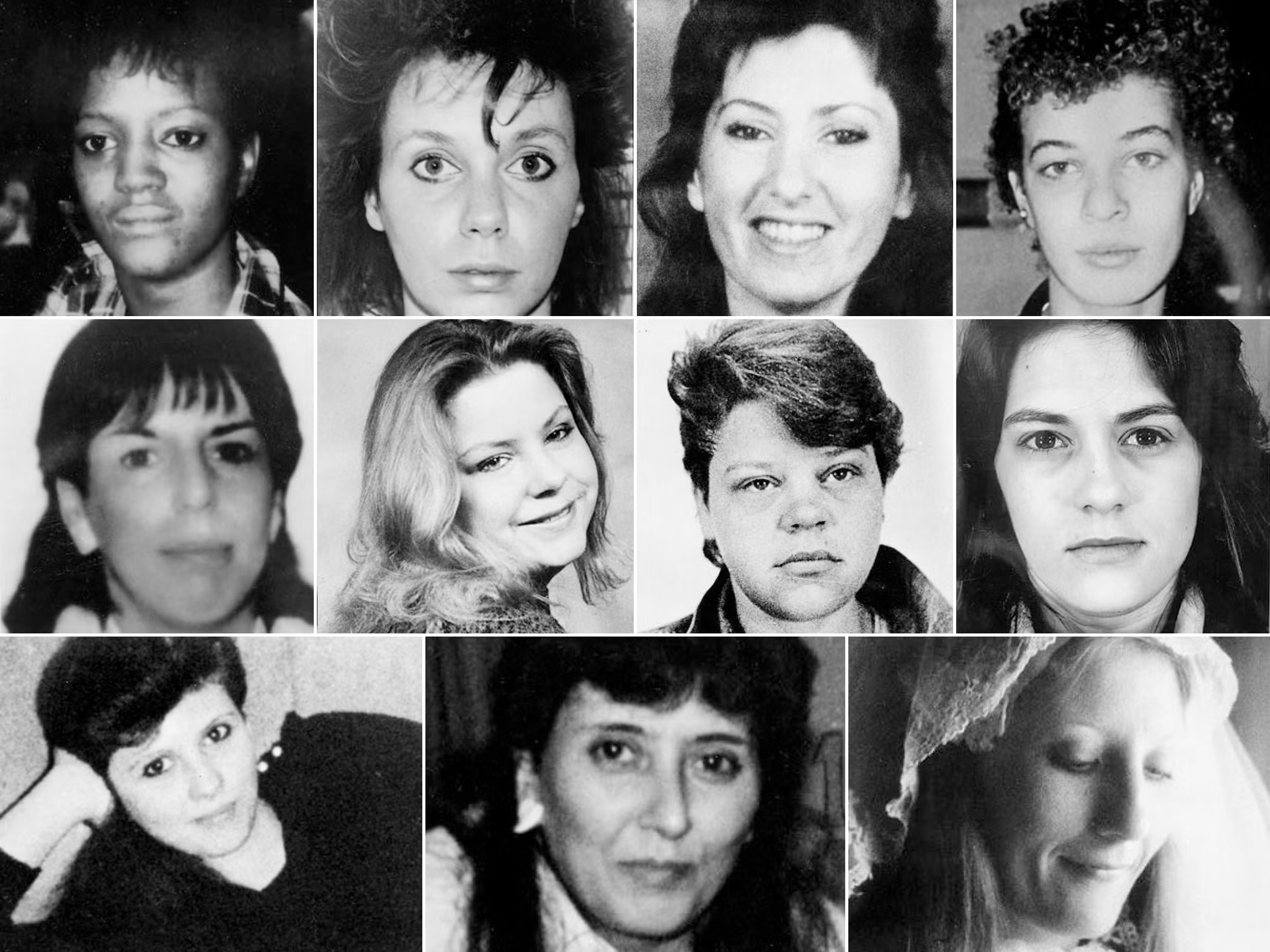
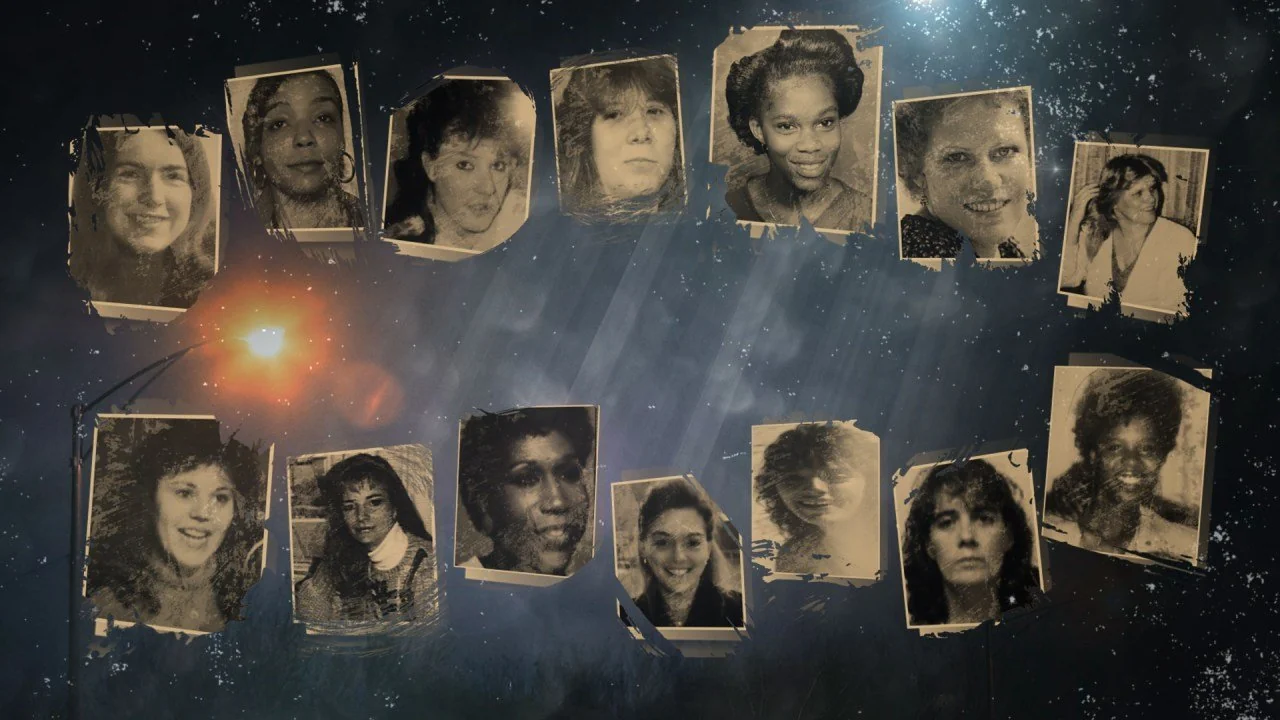
The seven women associated with the series were Emogene Harrington, Lois Dant, Jeannette Messer, Barbara Rose Bowman, Alice Hochhausler, Rose Winstel and Leila or Lula Kerrick. Their murders occurred between December 2, 1965 and December 9, 1966, across several Cincinnati neighborhoods and in circumstances that made residents fear that the attacker could strike almost anywhere.
Laskey's arrest brought the killing spree to an abrupt end. For Cincinnati investigators, that fact, combined with Laskey's connection to the Bowman taxi, eyewitness identifications, his prior violent conduct and the timing of his arrest, convinced them that they had captured the man responsible for the city's year of terror. Nevertheless, because only Bowman's murder was proven against him in court, the remaining Cincinnati Strangler murders continue to occupy the complicated territory between strong historical attribution and unresolved legal proof.