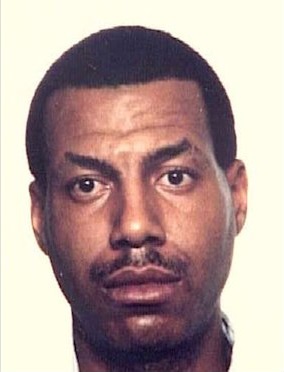
Lloyd Gomez: The Phantom Hobo Killer
Lloyd Gomez was an American serial killer who murdered transient and homeless men along California railroad routes during 1950 and 1951. He became known in later accounts as the “Phantom Hobo Killer” and the “Hobo Jungle Killer.” Gomez lived much of his adult life as a transient, traveling between California communities by freight train and using the name Harry Jenks at times. His victims were generally men living or sleeping near railroad tracks, freight yards, rail cars, or the temporary camps then commonly called “hobo jungles.” Gomez ultimately confessed to nine killings. Because historical records disagree about several exact dates, uncertain dates are identified as such rather than presented as established facts.
Early Life and Criminal History
Gomez was born on December 6, 1923, in Caliente, Nevada. He received little formal education and began traveling while still young. During the 1940s he repeatedly came into contact with law enforcement. In Nevada he was convicted after an armed robbery case and served time in prison before being released in 1946. He was later arrested for additional crimes in California, including burglary and assault. In 1948 he walked away from a Sacramento County road camp before completing his sentence. He also served time in federal prison before returning to California in 1949.
After his release, Gomez resumed traveling through California by freight train. His movements brought him into repeated contact with men who lived an equally transient existence. These men were particularly vulnerable: many had no permanent addresses, slept outdoors or in freight cars, and could disappear without immediately being reported missing. Gomez later told investigators that robbery was an important reason for the murders. The amounts he obtained were extraordinarily small, sometimes only a few cents.
The Beginning of the Murders
Gomez said his first victim was an unidentified man near the Western Pacific railroad yards outside Oroville. The exact date of death cannot be established with confidence. Gomez placed the killing in the summer of 1950, while another historical account noted that the remains were discovered on November 27, 1950 and were believed to have been there for months. Gomez said he attacked the man and took a bottle of wine and only five cents.
The first killing for which there is a firmly established date was the death of Warren Hood Cunningham near Sacramento. On November 11, 1950, Cunningham confronted Gomez in an encampment near the American River over two cans of beer that Gomez had stolen. Cunningham chased him while carrying knives, but Gomez escaped. Instead of leaving the dispute behind, Gomez returned later with a .22-caliber rifle. From a concealed position near the trees he fired repeatedly at Cunningham. Court records establish that Cunningham was struck by four of six shots and died at the scene. Gomez then fled by catching a passing freight train.
Only days later, Gomez reached Mojave, California. There he killed Earl Franklin Woods, a 50-year-old transient, by attacking him with a rock. Historical accounts commonly place Woods's death on November 19, 1950, although some summaries give the date as November 18 or 19. Gomez reportedly obtained only a few cigarettes from Woods. Shortly afterward, Gomez was arrested in the Los Angeles area for vagrancy, but authorities did not yet know that he was responsible for the killings.
The 1951 Murders
After several months without a known homicide, Gomez began killing again in 1951. Most of these murders followed a similar pattern. He encountered men who were alone near railroad property, approached them while they were resting, sleeping, or preparing food, and used rocks, bricks, or pieces of wood as weapons. He then searched their clothing for cash. The isolation of the crime scenes allowed the murders to occur with few or no witnesses.
Historical accounts conflict over the exact date of Elmer M. Cushman's death. Some later summaries list May 26, 1951, while detailed historical research places the killing on May 29. Gomez described finding Cushman sitting in an open railroad car and attacking him with a rock. He took approximately $16.50.
About ten days afterward, Gomez killed another unidentified man near railroad tracks in the Stockton area. The victim had been sleeping in tall grass. Gomez attacked him with a rock and a wooden plank before taking approximately $20 from his clothing. The exact death date is uncertain in surviving summaries; June 9, 1951 is sometimes given as the date the victim was discovered.
On June 22, 1951, Gomez killed 60-year-old George Jones near Merced, California. Jones had entered a transient camp and was preparing food. Gomez approached him from behind and struck him in the head with a rock, causing a fatal skull injury. He searched Jones afterward and took $24.50. According to accounts of Gomez's confession, this was the largest amount of money he obtained from any single victim.
On July 17, 1951, Gomez encountered 40-year-old Arvid Ostlund near railroad tracks outside Roseville. Ostlund was resting beside the tracks when Gomez attacked him with a large stone. Gomez later admitted taking only one dollar from him. Ostlund's body was reportedly discovered the following day.
Another unidentified victim was killed near Marysville in early August 1951. Gomez later described finding the man asleep about one hundred yards from the railroad tracks. He threw sand into the victim's face and struck him with a brick. Gomez obtained only a few cents. Some later victim lists associate August 18 with this case, but that date appears to refer to the discovery of the body rather than a securely established date of death.
Gomez's final known victim was 46-year-old Roy Chester Hanson, whose surname is also rendered “Hansen” in some later sources. On August 16, 1951, Gomez found him sitting in a railroad car on Southern Pacific tracks northeast of Sacramento. Gomez attacked him with a large rock. The body was later associated with the Ben Ali area of Sacramento. Because surviving accounts disagree over the spelling of the victim's surname, both versions appear in modern descriptions of the case.
Known and Reported Victims
- Unidentified man — Exact death date unknown, approximately 1950; near the Western Pacific railroad yards outside Oroville, California. Gomez admitted killing the man and taking a bottle of wine and five cents. The remains were discovered on November 27, 1950.
- Warren Hood Cunningham — November 11, 1950; American River encampment near Sacramento, California. Gomez shot Cunningham multiple times with a .22-caliber rifle following an earlier dispute over stolen beer.
- Earl Franklin Woods, 50 — November 19, 1950 is the date given in detailed historical accounts, although some sources give November 18 or 19; Mojave, California. Gomez killed Woods with a rock and found only a small number of cigarettes on him.
- Elmer M. Cushman — May 1951; exact date disputed, with May 26 and May 29 appearing in surviving accounts. Cushman was attacked while sitting in an open railroad car. Gomez took approximately $16.50.
- Unidentified man — Early June 1951; near railroad tracks in the Stockton, California area. The exact date of death is uncertain. Gomez attacked the sleeping man with a rock and wooden plank and stole approximately $20. June 9 is reported in some records as the discovery date.
- George Jones, 60 — June 22, 1951; near Merced, California. Gomez attacked Jones as he prepared food in a transient camp and stole $24.50.
- Arvid Ostlund, 40 — July 17, 1951; near railroad tracks outside Roseville, California. Gomez killed Ostlund with a large stone and stole one dollar.
- Unidentified man — Early August 1951; near Marysville, California. Gomez attacked the sleeping victim with a brick. An exact death date has not been reliably established; August 18 is associated with the discovery of the body in some accounts.
- Roy Chester Hanson, 46 — August 16, 1951; Southern Pacific railroad tracks northeast of Sacramento, California. His surname is written as Hansen in some later records. Gomez attacked him while he was sitting in a railroad car.
Investigation and Confession
By the summer of 1951, California investigators had noticed similarities among the deaths of transient men near railroad lines. Several victims had been attacked from behind with rocks or improvised clubs, and their bodies had been found in railroad cars, camps, or beside tracks. Authorities initially considered a larger group of unsolved deaths and suspected that one person might be responsible for as many as a dozen killings.
Gomez was arrested in Sacramento in January 1952 on an unrelated matter. On January 24, while in jail, he voluntarily handed a written note to a guard in which he began describing killings in different California communities. Investigators questioned him, and Gomez supplied details about a series of previously unsolved homicides. The California Supreme Court later noted that his descriptions of the other migrant killings corresponded with records of actual unsolved crimes.
Gomez eventually admitted responsibility for nine deaths. He described the locations, methods of attack, and small amounts of property he had taken. Investigators concentrated their prosecution on the Cunningham murder because it could be reconstructed especially clearly. Gomez took officers back to the American River area and showed them where Cunningham had been shot. A surviving witness, John Kapusta, also connected Gomez to the scene.
Trial, Death Sentence, and Execution
Gomez was prosecuted in Sacramento County for the first-degree murder of Warren Hood Cunningham. His mental condition became a major issue at trial. Psychiatric experts examined him, and his lawyers argued questions concerning his ability to form the deliberate intent required for first-degree murder. Gomez nevertheless admitted shooting Cunningham, and the jury found him guilty. He was sentenced to death in June 1952.
The California Supreme Court reviewed the case and affirmed the conviction and death sentence on June 19, 1953. The court concluded that Gomez had received a fair trial and that sufficient evidence supported the judgment. Although his confession described numerous other killings, he was executed specifically for Cunningham's murder.
Lloyd Gomez was put to death in California's gas chamber at San Quentin State Prison on October 16, 1953. He was 29 years old. His case remains notable not only for the number of victims but also for how easily men living on the margins of society could disappear into isolated railroad camps without attracting immediate attention. Several victims were never identified, and even decades later some dates and names remain uncertain. What is firmly established is that Gomez confessed to a succession of killings across California and that investigators were able to connect the details of his statements to a series of real, previously unresolved deaths.