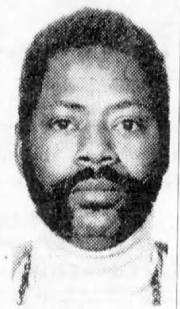
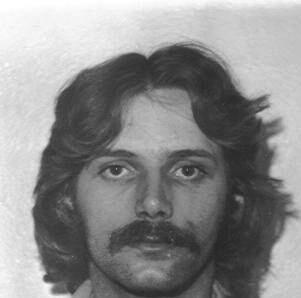
Harvey Van Dine and the Chicago Car Barn Bandits
Overview
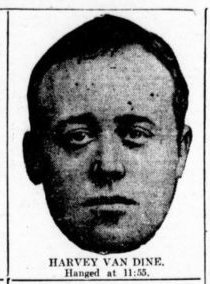
Harvey Van Dine was an American murderer, armed robber, and member of the notorious group known as the Chicago Car Barn Bandits. During the summer and fall of 1903, Van Dine and his associates carried out a concentrated series of saloon robberies, shootings, and killings in Chicago, Illinois, and neighboring Indiana. Although Van Dine is sometimes classified as a serial killer, his crimes more closely resembled gang-related and spree killings committed during robberies and while fleeing law enforcement.
The principal members of the gang were Harvey Van Dine, Gustave Marx, Peter Niedermeier, and Emil Roeski. Contemporary accounts also called some members the “Automatic Trio” because they carried semiautomatic pistols, weapons that were still relatively unfamiliar to many police officers. Their willingness to fire without warning made even minor robberies exceptionally dangerous. The gang was blamed for eight deaths during its brief existence, although Van Dine was not personally present for every killing attributed to the group.
Early Criminal Activity
Van Dine was born around 1882 and spent much of his youth in Chicago. He became associated with Marx, Niedermeier, and Roeski while still a young man. The group reportedly admired famous outlaws and developed a fascination with firearms. Several of the men had previously been arrested for theft, but their crimes escalated rapidly during 1903.
The gang began targeting railroad facilities and neighborhood saloons. These establishments often held cash but had limited security. The robbers commonly entered late at night, pointed automatic pistols at employees and customers, and demanded money. Their financial gains were frequently small, yet they repeatedly shot people who resisted, attempted to escape, or simply happened to be in their path.
The July 1903 Robberies
On July 3, 1903, Peter Niedermeier and Emil Roeski robbed employees at the Chicago and Northwestern Railroad’s Clybourn Junction station. Railroad workers L. W. Lathrop and Martin Doherty were confronted while performing their duties. Lathrop resisted and was shot, although he survived. The robbers escaped with approximately $70.
Van Dine became directly involved in the gang’s next known fatal attack. On July 9, 1903, Van Dine, Gustave Marx, and Emil Roeski entered Ernest Spires’ saloon at 1820 North Ashland Avenue in Chicago. Roeski initially entered alone and ordered a beer, allowing the other men to enter while the people inside were distracted. The robbers then produced their weapons and ordered everyone to raise their hands.
Nineteen-year-old Otto Bauder attempted to escape through a side door. He was shot in the back and later died at Alexian Brothers Hospital. The gang obtained less than $50 from the robbery. Van Dine was later arrested and indicted in connection with Bauder’s killing, although Roeski was identified as the gunman who fired the fatal shot.
On July 10, Van Dine and Roeski robbed Greenberg’s saloon at Robey and Addison Streets. They forced bartender Louis Cohen into an ice chest before stealing approximately $25 from the cash register. Cohen survived. On July 12, the pair robbed Charles Alvin’s saloon near Sheffield Avenue and Roscoe Street, holding the proprietor and four customers at gunpoint and taking about $125.
On July 20, Van Dine and Roeski entered Peter Gorski’s saloon at 2611 Milwaukee Avenue. Gorski attempted to hide behind the bar, but one of the robbers shot him in the head. He was seriously injured but survived. The assailants escaped with less than $5.
The North Avenue Saloon Murders
On the night of August 1, 1903, Van Dine and Peter Niedermeier entered a saloon operated by Benjamin La Cross at 2120 West North Avenue in Chicago. La Cross was playing cards with his friend, Adolph Jensen, when the two armed men entered.
The robbers opened fire with little or no warning. La Cross was shot and killed, while Jensen was mortally wounded and taken to St. Elizabeth’s Hospital. Jensen died from his injuries within approximately twenty-four hours of the shooting. The killers reportedly obtained only $64.
The attack demonstrated the gang’s growing brutality. Neither victim posed a significant threat that justified the gunfire, and the amount stolen was small. Van Dine and Niedermeier were later arrested and indicted for the killings.
The Chicago City Railway Car Barn Murders
The crime that gave the gang its lasting name occurred during the early morning of August 30, 1903. Van Dine, Gustave Marx, and Peter Niedermeier targeted the Chicago City Railway Company’s car barn near 61st and State Streets. The men believed the office contained the railway’s cash receipts.
Inside the office, employees Frank Stewart, William Edmon, and Henry Biehl were balancing the day’s receipts. Motorman John Johnson was asleep in an adjoining room. Niedermeier positioned himself outside a window, while Marx and Van Dine approached the entrance. Van Dine carried a stolen sledgehammer and used it to break through the office door.
The employees attempted to protect the company’s money, and the robbers opened fire from both the doorway and the window. Frank Stewart, a 20-year-old night receiver, was shot in the abdomen and died within minutes. John Johnson rushed into the office after hearing the gunfire and was shot dead near the doorway. Edmon and Biehl were seriously wounded but survived.
The robbers collected approximately $2,250 and fled. They later went to Jackson Park, where they hid until daylight and divided the stolen money. The sledgehammer Van Dine left behind became an important piece of evidence. Investigators discovered that it had been stolen from railroad shops where Van Dine had previously worked.
Discovery of the Gang
For months, Chicago police struggled to identify the robbers. Their use of automatic pistols, rapid attacks, and willingness to kill led investigators to believe they might be experienced criminals from outside the city. The investigation changed on November 21, 1903, when officers John Quinn and William Blaul attempted to arrest Gustave Marx inside Greenberg’s saloon.
Marx drew a pistol and fatally shot Officer Quinn. Blaul returned fire, wounded Marx, and subdued him. During intensive questioning, Marx confessed to participating in the car barn robbery and identified Van Dine, Niedermeier, and Roeski as his associates.
Once news of the confession became public, Van Dine, Niedermeier, and Roeski fled Chicago. They traveled into Indiana and hid in an abandoned underground shelter near the railroad tracks and sand dunes around Miller Station.
The Indiana Gunfight
On November 26, 1903, the fugitives entered a country store operated by Julius Scheurer near Clarks Station, Indiana, to obtain food. A schoolteacher named Henry Reichers recognized the men from newspaper photographs and notified authorities.
A Chicago police posse followed the fugitives’ tracks through the snow and found their hiding place on November 27. When officers ordered the men to surrender, Van Dine and Niedermeier opened fire. Detective Joseph Driscoll was mortally wounded, and Detective Matthew Zimmer was seriously injured. Records attributed the fatal shot that struck Driscoll to Niedermeier, although Van Dine actively participated in the gun battle.
The fugitives escaped from the dugout and reached a locomotive near the railroad station. Van Dine and Niedermeier forced engineer Coffey and brakeman L. Scovia to help them separate the engine from its cars. When Scovia attempted to resist, Niedermeier shot him in the head, killing him instantly. Van Dine was present and assisted in the armed seizure of the locomotive.
The escape attempt ultimately failed. Injured, exhausted, and surrounded by police, the three fugitives were captured and returned to Chicago.
Known Victims Connected to Van Dine and the Gang
- Otto Bauder, 19: Shot during a robbery at Ernest Spires’ saloon, 1820 North Ashland Avenue, Chicago, on July 9, 1903. He died at Alexian Brothers Hospital. Van Dine was present, while Emil Roeski was identified as the shooter.
- Benjamin La Cross, approximately 40: Shot during the August 1, 1903, robbery of his saloon at 2120 West North Avenue in Chicago. He died from the gunshot wounds.
- Adolph Jensen, 21: Shot alongside La Cross on August 1, 1903. He died at St. Elizabeth’s Hospital within approximately twenty-four hours of the attack.
- Frank Stewart, 20: Shot in the abdomen during the Chicago City Railway car barn robbery at 61st and State Streets on August 30, 1903. He died within minutes.
- John Johnson: A Chicago City Railway motorman who was shot and killed after entering the office during the August 30, 1903, car barn robbery.
- Officer John Quinn: Shot and killed by Gustave Marx during an attempted arrest at Greenberg’s saloon in Chicago on November 21, 1903. Van Dine was not present, but Quinn’s death led to Marx’s confession and the identification of the gang.
- Detective Joseph Driscoll: Mortally wounded during the November 27, 1903, gunfight near Miller Station, Indiana. He later died at Mercy Hospital. Peter Niedermeier was identified as the man who fired the fatal shot, while Van Dine also fired at the officers.
- L. Scovia: A railroad brakeman shot in the head and killed during the fugitives’ attempted locomotive escape near Miller Station on November 27, 1903. Niedermeier fired the fatal shot while Van Dine participated in the armed takeover.
Trial and Conviction
Van Dine, Marx, and Niedermeier were tried together for the murder of Frank Stewart. Prosecutors presented the confessions, physical evidence, witness testimony, and the history of robberies linking the defendants to the car barn attack. The abandoned sledgehammer was especially damaging because it connected Van Dine’s former railroad employment to the forced entry at the railway office.
The jury convicted all three men of murder. On March 26, 1904, they were sentenced to death by hanging. Emil Roeski was separately convicted of murdering Otto Bauder and received a life sentence in the Illinois State Penitentiary at Joliet.
Execution
Harvey Van Dine, Gustave Marx, and Peter Niedermeier were executed at the Cook County Jail in Chicago on April 22, 1904. Niedermeier was hanged first, followed by Marx. Van Dine was executed later that morning.
The executions attracted enormous public attention. A large crowd gathered outside the jail as the three young men were put to death. Van Dine was only about 21 or 22 years old when he was executed.
Legacy
The Car Barn Bandits operated for only a few months, but their crimes caused widespread fear throughout Chicago. Their attacks appeared unpredictable, and their victims included saloon owners, customers, railway employees, police officers, and railroad workers. The gang often killed or wounded people for very small amounts of money.
Harvey Van Dine was not proven to have personally fired every fatal shot connected to the gang. Nevertheless, he directly participated in several deadly robberies, broke into the railway office during the car barn massacre, exchanged gunfire with pursuing officers, and helped seize a locomotive during the final escape attempt. His repeated participation in coordinated armed attacks made him legally and morally responsible for a substantial portion of the gang’s violence.