Joseph Michael Swango: The Physician Who Poisoned Patients and Colleagues
Overview
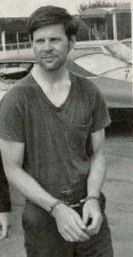
Joseph Michael Swango, also known as Michael Swango, is an American physician and convicted serial killer who used medical employment to gain access to vulnerable patients. Born James Michael Swango on October 21, 1954, he worked in hospitals, ambulance services, laboratories, and medical institutions in the United States and Zimbabwe. Wherever he went, patients or co-workers sometimes developed sudden and unexplained illnesses after eating food, drinking beverages, or receiving injections associated with him.
Swango ultimately admitted responsibility for four murders. Three of the murders occurred while he was working at the Veterans Affairs Medical Center in Northport, New York, in 1993. He also acknowledged causing the death of Cynthia Ann McGee at Ohio State University Hospitals in 1984. Investigators suspected him in numerous additional deaths, including those of Thomas Sammarco, Richard DeLong, Charlotte Warner, Barron Harris, and patients in Zimbabwe. Estimates of his possible victim count have ranged into the dozens, although most of those deaths were never proven in court.
Early Life and Medical Training
Swango was raised in Quincy, Illinois, and attended Quincy College, now known as Quincy University. He studied chemistry and biology and graduated with high academic honors. He later entered the Southern Illinois University School of Medicine, where concerns arose about both his conduct and his professional competence.
Swango displayed an intense interest in violent death, disasters, fatal accidents, and poisoning. He collected newspaper clippings describing catastrophes and murders and frequently discussed death with people around him. During medical school, patients assigned to him reportedly suffered unexpected emergencies, although no definitive criminal case emerged from those early incidents.
His medical education was nearly ended after faculty members discovered that he had recorded examinations of patients that he had not actually performed. Despite the falsification, Swango was permitted to complete additional work and eventually received his medical degree. That decision allowed him to obtain an internship at Ohio State University Hospitals in Columbus in 1983.
Suspicious Emergencies at Ohio State
Swango began his surgical internship at Ohio State University Hospitals in 1983. Nurses soon noticed that patients who had appeared stable sometimes suffered sudden respiratory arrest, cardiac collapse, seizures, or death after Swango entered their rooms. Some employees referred to him as “Double-O Swango,” a grim reference to the fictional agent James Bond's license to kill.
Nurses became especially concerned after Swango was seen near patients shortly before unexplained medical crises. In one incident, a student nurse saw him leaving the room of Rena Cooper, a 69-year-old patient who had been admitted for back pain. Cooper suddenly developed severe respiratory problems, and a recently used syringe was found nearby. She survived after emergency treatment.
Swango denied deliberately injecting Cooper and offered explanations for why he had been in her room. Ohio State conducted an internal inquiry but did not establish that he had poisoned her. He was allowed to continue working under supervision, and police were not immediately called. His residency offer was eventually withdrawn because of his poor performance, but he completed the internship and left the institution without facing criminal charges.
The Suspected Death of Thomas Sammarco
Thomas Sammarco died in 1983 while Swango was working at Ohio State University Hospitals. His death became one of the early cases later examined in connection with the pattern of sudden patient emergencies surrounding Swango. Sammarco is generally identified as a suspected victim rather than one of the four people Swango admitted killing.
The available evidence did not produce a murder conviction in Sammarco's death. By the time investigators began a broader examination of Swango's activities, years had passed and much of the medical and toxicological evidence needed to prove deliberate poisoning was no longer available. His case nevertheless belongs in an account of Swango's suspected victims because it was among the deaths scrutinized after the physician's pattern became known.
The Murder of Cynthia Ann McGee
Cynthia Ann McGee had been struck by a vehicle while riding a bicycle and was hospitalized with serious injuries. Although her condition remained significant, she had reportedly shown signs of improvement. On the night of January 14, 1984, Swango entered her room, allegedly to obtain a blood sample.
Approximately half an hour later, McGee was found without effective circulation and with a bluish appearance indicating oxygen deprivation. Attempts to revive her were unsuccessful, and she was pronounced dead around midnight, placing her death on January 15, 1984. At the time, her death was attributed to cardiopulmonary arrest associated with her medical condition.
Years later, Swango admitted that he had injected McGee with potassium. A concentrated potassium injection can disrupt the electrical activity of the heart and produce fatal cardiac arrest. Because potassium naturally exists in the human body and breaks down rapidly after death, it can be extremely difficult to detect unless poisoning is suspected immediately.
The Death of Richard DeLong
Richard DeLong was a 21-year-old automobile-accident victim who had been in a coma. Despite his injuries, he was considered stable enough to be transferred from intensive care. On January 20, 1984, doctors entered his hospital room and discovered that he was no longer breathing. Swango was present and reportedly announced that DeLong appeared to be dead.
Swango told DeLong's family that the young man had suffered a heart attack. No immediate autopsy established a criminal cause. After suspicions about Swango became public, DeLong's body was exhumed for further examination. Investigators found surgical gauze obstructing his tracheostomy, and his manner of death was later changed to homicide.
Swango was not convicted of killing DeLong. The circumstances, however, caused investigators to regard the death as one of the most troubling incidents associated with his Ohio State internship.
The Death of Charlotte Warner
Charlotte Warner was another patient whose death occurred during the period when Swango worked at Ohio State. She suffered an unexpected collapse and died in February 1984. An examination reportedly revealed unusual and widespread blood clotting.
Investigators later considered whether a medication or toxin could have caused the abnormal clotting and sudden deterioration. As with several other Ohio State cases, there was insufficient preserved evidence to prove that Swango had administered a fatal substance. Warner therefore remains a suspected victim rather than a confirmed murder victim.
Poisoning Ambulance Co-Workers
After leaving Ohio State, Swango returned to Quincy and joined the Adams County Ambulance Corps. His fellow emergency workers began experiencing severe nausea, vomiting, weakness, abdominal pain, and headaches after consuming food or drinks he had provided.
Several employees became violently ill after eating doughnuts that Swango brought to work. Others developed symptoms after drinking coffee, tea, or soft drinks associated with him. Co-workers became suspicious when they noticed that illnesses repeatedly occurred after Swango prepared or handled refreshments.
One colleague reportedly saw Swango take drinks into a restroom before distributing them. A search of his possessions revealed ant poison containing arsenic. Testing of a beverage also indicated contamination by a toxic heavy metal consistent with arsenic.
Swango was arrested in October 1984. On August 23, 1985, he was convicted of aggravated battery for poisoning his co-workers and was sentenced to five years in prison. Although the poisonings did not result in confirmed deaths, the case provided clear proof that he deliberately used toxic substances against people who trusted him.
Returning to Medicine After Prison
Swango was released from prison before completing his full sentence. He worked in several nonmedical positions and repeatedly attempted to rebuild his career. He changed or modified his name, concealed his criminal conviction, and provided misleading information on employment and residency applications.
He eventually obtained another medical position despite his record. His ability to return to patient care exposed serious weaknesses in communication between hospitals, licensing authorities, criminal courts, and residency programs. Institutions often failed to investigate his background thoroughly or pass warnings to future employers.
South Dakota and Kristin Kinney
In 1992, Swango obtained a residency position connected to the University of South Dakota and the Veterans Affairs medical system in Sioux Falls. His criminal history was eventually discovered after information about his poisoning conviction reached hospital administrators. He was removed from the program.
At the time, Swango was engaged to nurse Kristin Lynn Kinney. During their relationship, Kinney suffered recurring headaches, nausea, vomiting, and other unexplained illnesses. On July 15, 1993, she was found dead from a gunshot wound in Newport News, Virginia.
Authorities classified Kinney's death as suicide. Arsenic was reportedly detected in her remains, raising questions about whether Swango had poisoned her before her death. He was never charged with killing Kinney, and there was insufficient evidence to establish that he caused the fatal gunshot wound. She is therefore sometimes discussed as a possible poisoning victim but not as a confirmed murder victim.
The Northport Veterans Affairs Medical Center
In 1993, Swango entered a psychiatric residency program through the State University of New York at Stony Brook. He was assigned to work at the Veterans Affairs Medical Center in Northport, New York. He concealed or misrepresented his poisoning conviction and was once again placed in a position where he could prescribe medications and administer treatment.
Patients under Swango's care began suffering unexplained medical crises. Federal investigators later determined that he used hospital medications to kill or seriously harm patients. His medical knowledge allowed him to select drugs capable of causing respiratory paralysis, heart failure, abnormal heart rhythms, or sudden cardiovascular collapse.
Because the victims were already ill and hospitalized, their deaths initially appeared to be complications of natural disease. Swango could also manipulate medical records or offer clinical explanations that discouraged immediate suspicion.
The Murder of Aldo Serini
Aldo Serini was a patient at the Northport Veterans Affairs Medical Center in 1993. His death was one of the three Northport murders included in the federal prosecution of Swango.
Investigators exhumed the remains of patients who had died while Swango worked at the facility. Toxicological testing and a review of the medical evidence revealed substances or drug levels that could not be explained by legitimate treatment. Prosecutors concluded that Swango had deliberately administered a lethal substance to Serini.
In September 2000, Swango pleaded guilty to Serini's murder. Serini must therefore be classified as a confirmed victim, not merely a suspected victim.
The Murder of George Siano
George Siano was another patient who died at the Northport Veterans Affairs Medical Center in 1993. Like Serini, his death became part of the federal murder case against Swango.
After investigators reexamined hospital records and conducted postmortem testing, they determined that Siano had been deliberately poisoned with a medication that was not medically justified. The evidence linked the administration of the substance to Swango's access and treatment activities.
Swango pleaded guilty to murdering Siano as part of his 2000 plea agreement. Siano is consequently one of Swango's legally confirmed victims.
The Third Northport Murder
Swango pleaded guilty to murdering three patients at the Northport Veterans Affairs Medical Center during 1993. Aldo Serini and George Siano were two of those confirmed victims. The third murder was also supported by toxicological and medical evidence gathered during the federal investigation.
The three murder counts formed the central basis for Swango's consecutive federal life sentences. The Northport cases were especially important because investigators had preserved enough evidence to demonstrate deliberate poisoning rather than relying only on circumstantial associations or suspicious timing.
The Attack on Barron Harris
Barron Harris, a 60-year-old cabinetmaker, entered the Northport Veterans Affairs Medical Center on September 29, 1993, for treatment of pneumonia. His family believed his condition was manageable and expected him to recover after receiving hospital care.
Harris's wife reportedly saw Swango inject a substance into her husband's neck. Swango allegedly claimed that he was giving Harris vitamins, even though the injection was unusual and nurses normally administered such medications. Harris rapidly deteriorated, became unconscious, and required mechanical ventilation.
Investigators concluded that Swango had administered a drug capable of causing paralysis and respiratory failure. Harris remained in a coma and died on November 9, 1993. Swango admitted assaulting him with a dangerous injection, but he was not convicted of murdering Harris. His case is therefore best described as an admitted poisoning or assault and a suspected murder.
Exposure and Flight from the United States
Swango's deception was eventually uncovered when officials learned about his Illinois poisoning conviction. He admitted that he had concealed or distorted his criminal history and was dismissed from the Stony Brook residency program.
Warnings were distributed to medical schools and teaching hospitals, making it difficult for him to obtain another legitimate medical position in the United States. Swango then disappeared and began searching for opportunities outside the country.
Suspected Murders in Zimbabwe
In November 1994, Swango obtained employment at Mnene Lutheran Mission Hospital in Zimbabwe by using false or misleading credentials. Patients again began dying unexpectedly after receiving treatment or injections from him.
Some patients reportedly told nurses that Swango had injected them shortly before they became critically ill. Hospital physicians grew suspicious because patients who appeared to be recovering suddenly deteriorated after Swango visited them.
Swango was suspended, but inadequate autopsies and limited toxicological testing initially prevented authorities from proving that he had poisoned the patients. Zimbabwean prosecutors later charged him in absentia with poisoning seven people, five of whom died.
While living in Bulawayo, Swango rented a room from a woman who became severely ill after eating food connected to him. A forensic examination of her hair detected toxic levels of arsenic. She survived, but the findings strengthened the evidence that Swango continued using poison while living in Africa.
Arrest at O'Hare International Airport
Swango eventually applied for another medical position in Saudi Arabia. On June 27, 1997, federal agents arrested him at O'Hare International Airport in Chicago while he was traveling through the United States.
Authorities initially prosecuted him for fraud, false statements, and using deceptive credentials to obtain medical employment at a federal hospital. In March 1998, Swango pleaded guilty to defrauding the government and was sentenced to approximately three and a half years in federal prison.
The fraud sentence gave federal investigators time to assemble a murder case. They reviewed medical records, interviewed nurses and relatives, exhumed bodies, and conducted toxicological testing. Prosecutors feared that Swango would return to killing if he completed his sentence and regained his freedom.
The Federal Murder Case
On July 11, 2000, federal prosecutors charged Swango with three murders committed at the Northport Veterans Affairs Medical Center. He was also charged with assault, fraud, making false statements, and illegally obtaining controlled substances.
The murder case relied on toxicological evidence recovered from exhumed bodies, medical records showing that the drugs were not part of legitimate treatment, and proof that Swango had access to both the patients and the substances used against them.
Zimbabwe was also seeking to prosecute Swango for poisoning patients there. Facing federal murder charges and possible extradition, he entered plea negotiations with the United States government.
Confession and Life Sentences
On September 6, 2000, Swango pleaded guilty to murdering three Northport patients, including Aldo Serini and George Siano. He also pleaded guilty to fraud-related offenses.
As part of the proceedings, Swango admitted that he had caused Cynthia Ann McGee's death at Ohio State by injecting her with potassium. His admissions established four murders for which he accepted responsibility.
A federal judge sentenced him to three consecutive terms of life imprisonment without the possibility of parole. Restrictions were also imposed to prevent him from working with food, medication, chemicals, or other substances that he could use to poison people.
Confirmed and Admitted Murder Victims
- Cynthia Ann McGee — January 15, 1984 — Ohio State University Hospitals, Columbus, Ohio: Swango admitted injecting McGee with potassium, causing fatal cardiac arrest.
- Aldo Serini — 1993 — Veterans Affairs Medical Center, Northport, New York: One of the three Northport patients whom Swango pleaded guilty to murdering by administering a lethal substance.
- George Siano — 1993 — Veterans Affairs Medical Center, Northport, New York: One of the confirmed Northport murder victims included in Swango's federal guilty plea.
- Third Northport patient — 1993 — Veterans Affairs Medical Center, Northport, New York: Swango pleaded guilty to a third murder at the hospital. The case was supported by medical, toxicological, and circumstantial evidence.
Suspected, Investigated, or Assaulted Victims
- Thomas Sammarco — 1983 — Ohio State University Hospitals, Columbus, Ohio: Sammarco's death was investigated as one of the suspicious patient deaths occurring during Swango's internship. Swango was never convicted of killing him.
- Richard DeLong — January 20, 1984 — Ohio State University Hospitals, Columbus, Ohio: DeLong died after surgical gauze obstructed his tracheostomy. His death was reclassified as a homicide, but Swango was not charged.
- Charlotte Warner — February 1984 — Ohio State University Hospitals, Columbus, Ohio: Warner suffered an unexpected collapse and died with unusual blood clotting. Her death was investigated but never proven to have been caused by Swango.
- Rena Cooper — February 7, 1984 — Ohio State University Hospitals, Columbus, Ohio: Cooper survived a sudden respiratory emergency after Swango was seen leaving her room and a used syringe was discovered nearby.
- Kristin Lynn Kinney — July 15, 1993 — Newport News, Virginia: Swango's fiancée died from a gunshot wound ruled a suicide. Arsenic was reportedly found in her body, but Swango was never charged in her death.
- Barron Harris — November 9, 1993 — Veterans Affairs Medical Center, Northport, New York: Harris became paralyzed and comatose after receiving an injection from Swango. Swango admitted assaulting him, but he was not convicted of causing his eventual death.
- Seven patients — 1994 to 1995 — Mnene Lutheran Mission Hospital, Zimbabwe: Zimbabwean authorities accused Swango of poisoning seven patients, five of whom died. The cases did not proceed to a completed trial.
- Unnamed Bulawayo landlady — mid-1990s — Bulawayo, Zimbabwe: The woman survived a severe illness, and testing of her hair revealed toxic levels of arsenic.
Methods of Poisoning
Swango used different substances depending on his environment. Outside hospitals, he relied heavily on arsenic-containing products, placing poison in beverages or food. Arsenic can cause vomiting, abdominal pain, weakness, dehydration, neurological problems, organ damage, and death.
Inside hospitals, Swango had access to medications that could produce paralysis, respiratory arrest, dangerously abnormal heart rhythms, or cardiac collapse. Potassium was particularly useful to a medically trained killer because an excessive dose could stop the heart while leaving limited evidence after death.
Swango also benefited from the poor health of many hospital victims. When a seriously ill patient suddenly died, the death could be attributed to infection, pneumonia, trauma, heart failure, or other complications. His position as a physician gave him credibility and allowed him to influence how the event was documented.
Institutional Failures
Swango's crimes continued because hospitals and licensing authorities repeatedly failed to exchange critical information. Ohio State did not immediately refer its suspicions to police, and later employers did not always conduct complete criminal-background investigations.
Even after Swango had been convicted of poisoning ambulance co-workers, he returned to medical employment by lying on applications and providing misleading explanations. Some institutions accepted his claims without independently obtaining court documents or contacting previous employers.
The case became a prominent example of how professional secrecy and fear of litigation can endanger patients. Each organization possessed only part of the story, while Swango moved from one institution to another and continued gaining access to vulnerable people.
The Uncertain Number of Victims
Swango admitted four murders, but investigators believed the actual number of victims could be considerably higher. Suspicious deaths occurred during his medical-school training, his Ohio State internship, his Northport residency, and his employment in Zimbabwe.
Some estimates have attributed as many as 35 or even 60 deaths to him. Those estimates rely on patterns, suspicious timing, witness accounts, and unexplained patient deterioration rather than convictions in every case.
Many possible cases could never be resolved because no autopsy was performed, bodies had been buried for years, tissue samples were unavailable, or the drugs involved had disappeared from the body. The distinction between confirmed and suspected victims is therefore essential. Aldo Serini and George Siano were confirmed murder victims, while Thomas Sammarco was among the deaths investigated as a possible Swango crime.
Legacy
Joseph Michael Swango exploited the trust placed in physicians, emergency workers, and medical institutions. He used professional credentials to place himself near people who were ill, injured, unconscious, or otherwise unable to protect themselves.
His case revealed how easily a medically trained offender could conceal poisoning behind the appearance of natural illness. It also demonstrated the deadly consequences of incomplete background checks, institutional silence, and the failure to act decisively when nurses and other employees reported suspicious behavior.
Swango's consecutive life sentences ended his ability to move between hospitals and countries. The complete number of people he killed will probably never be known, but the confirmed murders of Cynthia Ann McGee, Aldo Serini, George Siano, and the third Northport patient established him as one of the most notorious medical serial killers in modern American history.