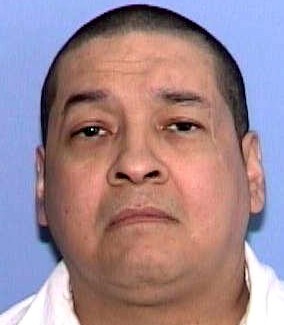
David Edwin Mason: The Oakland Serial Killer
Background and Early Violence
David Edwin Mason was an American serial killer and robber whose crimes spread fear through Northern California during the early 1980s. Born on December 2, 1956, in Statesboro, Georgia, Mason spent much of his youth in California. His childhood was marked by severe behavioral problems, repeated institutional placements, violence, fire-setting, and suicide attempts. He passed through foster homes, residential treatment programs, and the California Youth Authority before briefly serving in the United States Marine Corps.
Mason demonstrated his capacity for calculated violence several years before committing murder. On July 8, 1977, he entered the Western Welding Supply Company in San Leandro and attacked clerk Virginia Jansen. While she prepared an invoice, Mason stabbed her in the back with a ten-inch ice pick. He forced her to surrender money from the business and her purse, threatened to kill her if she identified him, and attempted to wipe away his fingerprints. Jansen survived and identified Mason from a photograph. He later surrendered, pleaded guilty to robbery and assault with a deadly weapon, and served approximately two years in prison before being paroled on July 13, 1979.
The Oakland Murders
Between March and December 1980, Mason entered the homes of four elderly Oakland residents and murdered them during robberies. His victims generally lived alone, making them especially vulnerable. In several cases, Mason had previous knowledge of the victim, the residence, or the valuables kept inside. The attacks were characterized by severe beatings, strangulation, theft, and attempts to prevent the victims from identifying him.
Mason was not immediately connected to the deaths. The four Oakland killings initially appeared among a large number of unsolved homicides. Investigators eventually learned the truth after Mason recorded a cassette tape for his family. He labeled the recording “David E. Mason—Epitaph” and referred to numbered homicide cases appearing in a newspaper article about unsolved Oakland murders. After his arrest, Mason gave investigators detailed statements and led authorities to the locations where the four victims had been killed.
Known and Suspected Victims
- Joan Picard — March 6, 1980 — Fruitvale Avenue, Oakland, California: Picard was a 73-year-old woman whom Mason had known since he was a teenager. She had previously hired him to perform gardening and other household work. Because she trusted him, she had allowed him into her home and had shown him both her coin collection and the panic buttons connected to her alarm system. On March 6, Mason returned while in need of money. After Picard invited him inside, he produced an ice pick and announced that he intended to rob her. When she attempted to reach a panic button, Mason choked her until she lost consciousness. She later attempted to escape, but he tied her hands with an electrical cord. Fearing that she could identify him, Mason strangled her with a wire that was tightened around her neck with a pencil. Her daughter discovered her body in a pantry two days later. Picard had been severely beaten, and her coin collection was missing. Mason sold the stolen coins to a pawnbroker for $85 on the afternoon of the murder.
- Arthur Jennings — August 18, 1980 — Carmel Street, Oakland, California: Jennings was an 83-year-old man who walked with a cane and lived in a small cottage. Mason had known him years earlier and went to his residence on August 18, claiming that he was looking for something to do. When Jennings opened the door, Mason forced his way inside, knocking the elderly man backward and fracturing his spine. Jennings attempted to fight back, but Mason punched and manually strangled him. After the killing, Mason searched the residence and stole approximately $16 and Jennings’s World War I military service ring. A Meals on Wheels driver had spoken to Jennings at approximately 10:30 that morning and discovered his body the following day. Medical evidence indicated that Jennings had been badly beaten and died from asphyxiation caused by manual strangulation.
- Antoinette Brown — November 16, 1980 — Harrison Street, Oakland, California: Brown was a 75-year-old widow who lived alone in an apartment. At approximately 4:00 p.m. on November 16, she delivered homemade cookies to a neighbor and accepted an invitation to Thanksgiving dinner. When newspapers remained outside her door over the following days, the concerned neighbor contacted Brown’s sister. They entered the apartment and found Brown’s body face down in her bedroom. A silk undergarment had been knotted around her neck as a ligature. She had been beaten extensively and strangled, and her rings and purse had been stolen. Mason later supplied investigators with details about Brown’s clothing, apartment building, underground garage, and the layout of her residence. He also drew an accurate diagram and identified the apartment from the street.
- Robert Groff — November 27, 1980 — Oroville, Butte County, California: Groff was Mason’s employer, companion, and financial supporter. The two met in a Hayward bar in April 1980, and Mason began working at Groff’s dog-breeding business. Groff eventually gave Mason access to bank accounts, vehicles, and registered dogs. Their relationship became troubled, and Mason temporarily moved away before returning to Groff’s trailer near Oroville. On Thanksgiving Day, November 27, the two argued after Groff accused Mason of caring only about his property and dogs. Groff displayed a gun and ordered Mason to leave. Mason disarmed him and drove away, but he later returned while Groff was asleep. Mason entered the bedroom and shot Groff in the face. He left the body covered with blankets after pouring whiskey over it in an apparent effort to slow decomposition. Mason then stole checks, jewelry, and other property. A murder complaint was filed in Butte County, but Mason was not tried for Groff’s death before receiving his death sentence in the Oakland cases.
- Dorothy Lang — December 6, 1980 — Fruitvale Avenue, Oakland, California: Lang was a 72-year-old woman who lived alone in a second-floor apartment. At approximately 9:00 p.m. on December 6, neighbors heard a loud impact and sounds of a struggle from her apartment. They later heard heavy breathing and objects being dropped. One neighbor called Lang’s name through the floor and heard someone answer, “Yes,” followed by footsteps and the sound of the screen door closing. The following morning, the neighbors found Lang’s door partially open and discovered her body on the bedroom floor. Evidence showed that she had attempted to flee from the entrance toward the bedroom. Mason beat her over the head with a crescent wrench, broke several of her ribs, and strangled her. Her body showed extensive bruising and injuries indicating a possible sexual assault. Jewelry, including rings, pins, and earrings, had been stolen. Mason later described the neighborhood, the apartment’s location, Lang’s attempted escape, and the jewelry he had taken.
- Boyd Wayne Johnson — May 9, 1982 — Alameda County Jail, Oakland, California: Johnson was a 24-year-old jail inmate who had arrived at the facility on the evening of May 8. Mason was being held there while awaiting trial for the Oakland murders. After learning that Johnson had confessed to another violent crime and had allegedly implicated other people, Mason and inmate Quentin Shorter discussed killing him. Johnson was asleep when Mason entered his cell carrying a towel tied into a garrote. Mason jumped onto Johnson’s chest and tightened the towel around his neck while Shorter restrained Johnson’s legs. The attackers then moved Johnson into the shower and hung his body from a heavy shower rod in an attempt to make the killing appear to be a suicide. Mason later called guards and pretended to discover Johnson hanging. Blood evidence was found on Mason’s clothing and shoes, and Johnson’s blood was found on a towel in Mason’s cell. Mason’s blood type was also detected beneath Johnson’s fingernails. Medical findings established that Johnson had been beaten and that both the garrote and the staged hanging contributed to his death.
Confessions and Arrest
In January 1981, Mason drew police attention after fleeing from Alameda County sheriff’s deputies during a high-speed pursuit. He abandoned his car and escaped on foot, but officers found paperwork inside the vehicle bearing his name and his parents’ address. Around the same time, Mason gave his brother the “Epitaph” cassette and asked him to keep it until something happened to him. On the recording, Mason discussed his violent history, predicted that he might die during a confrontation with police, and identified four numbered cases from an Oakland newspaper’s list of unsolved homicides.
Mason was arrested on February 4, 1981. After being advised of his rights, he gave four extensive statements to investigators. He admitted killing Picard, Jennings, Brown, Lang, and another person. He also described burglaries, armed robberies, and other acts of violence. His knowledge extended well beyond details published in newspapers. Mason accurately described the interiors of the victims’ homes, the positions and conditions of their bodies, the property stolen, and features of the surrounding neighborhoods.
Although Mason later attempted to withdraw or change portions of his confessions, physical evidence strongly supported his original accounts. He claimed at trial that another man had killed Picard and offered alibis for the Jennings, Brown, and Lang murders. Prosecutors demonstrated weaknesses and contradictions in those explanations. His recorded confession, statements to police, crime-scene knowledge, stolen property, and forensic evidence produced an overwhelming case against him.
Additional Robberies and Violence
Mason’s crimes were not limited to the murders. On March 20, 1980, only two weeks after killing Joan Picard, he attempted to rob Donald Gion in the garage of Gion’s Fremont home. Mason wore a nylon stocking over his head and carried a .38-caliber handgun. Gion fought back with a garbage-can lid and called for help. Mason struck him with the weapon but fled when Gion’s wife opened the garage door.
On December 10, 1980, four days after murdering Dorothy Lang, Mason targeted John and Arlene Vasko in Castro Valley. Pretending to sell firewood, he gained their trust and was invited into the home. The elderly couple fed him dinner while he claimed to be waiting for a business partner. After several hours, Mason produced a gun and handcuffs, restrained the couple, and stole cash, gold coins, a firearm, and jewelry valued at approximately $42,000.
One week later, on December 17, Mason robbed a jewelry store in Menlo Park. He told clerk Nina Agisheff that his wife had placed a deposit on a necklace. After she displayed several pieces, Mason pulled a gun and stole approximately $22,000 in jewelry. He threatened to shoot Agisheff if she attempted to follow him. These offenses demonstrated how Mason repeatedly used deception, familiarity, and his victims’ hospitality to place himself in a position to attack or rob them.
Trial and Death Sentence
Mason was tried for five murders: Joan Picard, Arthur Jennings, Antoinette Brown, Dorothy Lang, and Boyd Johnson. A jury convicted him of first-degree murder in all five deaths. He was also convicted of robbing the four elderly Oakland victims and burglarizing their residences. Jurors found that the Oakland murders had been committed during robberies and that Mason had been convicted of multiple murders, making him eligible for capital punishment.
The first jury could not agree on the appropriate penalty. A second jury heard the penalty phase and sentenced Mason to death. The sentence was formally imposed on January 27, 1984, in Alameda County. The California Supreme Court reviewed the case and affirmed his convictions and death sentence on January 10, 1991.
While incarcerated, Mason presented continuing security problems. He possessed weapons, participated in violent conduct, and attempted to escape from jail. During his trial in 1983, deputies discovered that he had cut into the metal screen covering his cell window. A homemade saw was found nearby. After the screen was repaired, officers discovered another cut several weeks later.
Execution
After spending more than nine years on death row, Mason chose to abandon further federal appeals. This decision was unusual because it allowed the state to carry out his execution without the prolonged legal challenges normally associated with a capital case. Attorneys and opponents of the death penalty attempted to continue litigation on his behalf, but Mason maintained that he wanted the execution to proceed.
David Edwin Mason was executed in the gas chamber at San Quentin State Prison shortly after midnight on August 24, 1993. He was 36 years old. He declined a special last meal and requested only ice water while being held in the death-watch cell. His execution was California’s second after the modern reinstatement of capital punishment and the final execution conducted in the state’s gas chamber.
Legacy of the Case
Mason was legally convicted of five murders and admitted responsibility for the fatal shooting of Robert Groff. His series of crimes was defined by the deliberate targeting of people who were isolated, elderly, physically vulnerable, or unable to defend themselves. He often entered their lives through trust, familiarity, employment, or a convincing false story. Once inside their homes, he used extreme violence for relatively small amounts of money, jewelry, coins, or personal property.
The case also revealed the importance of Mason’s own words. His “Epitaph” recording helped transform four apparently unrelated Oakland homicides into a connected series. His later statements contained information known only to investigators and the killer, while the physical evidence repeatedly confirmed his descriptions. Even after attempting to deny responsibility at trial, Mason could not overcome the detailed confessions, forensic findings, and evidence linking him to the victims and their stolen belongings.
David Edwin Mason’s murder spree lasted less than three years, but it included attacks in private homes, the shooting of a companion, and the carefully staged killing of a jail inmate. His crimes left six known victims dead and demonstrated a pattern of robbery, manipulation, strangulation, and escalating violence that continued even after he had been arrested and confined.