The Storyville Slayer: The Unsolved New Orleans Serial Murders
Overview
The Storyville Slayer is the name given to an unidentified killer, or possibly several killers, connected to a series of murders in and around New Orleans, Louisiana, during the early 1990s. The victims were predominantly Black women from economically vulnerable circumstances. Several were sex workers or had histories of drug addiction, although others had no known connection to prostitution or narcotics.
Many of the victims were strangled, beaten, drowned, or suffocated. Their bodies were frequently abandoned in canals, drainage ditches, marshes, wooded areas, and swamps near highways west of Lake Pontchartrain. Prolonged exposure to water, heat, wildlife, and the humid Louisiana climate often caused extensive decomposition, destroying evidence and making identification difficult.
Authorities investigated approximately two dozen suspicious deaths as potentially related, but the exact number attributable to one offender has never been established. At least 12 murders were commonly treated as part of the central series. Investigators eventually considered the possibility that the so-called Storyville Slayer was not a single person but a label applied to murders committed by more than one offender.
The First Known Survivor
The investigation began after a young Black woman survived an apparent attempted murder in July 1991. Her identity was withheld, and she was referred to publicly by the pseudonym “Brenda.” She told investigators that she entered a man’s automobile in the Algiers section of New Orleans. During the encounter, the driver attacked and strangled her until she lost consciousness.
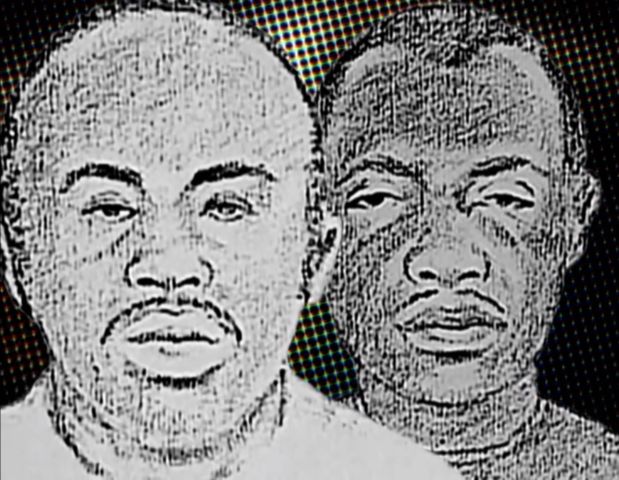
The assailant apparently believed that she was dead and left her on a street. After regaining consciousness, she reported the attack and helped police prepare a composite drawing. She described the offender as a muscular, well-dressed Black man of approximately middle age. His vehicle was described as a dark automobile, possibly a Buick Regal or Chevrolet Monte Carlo.
Her account became important after women began appearing dead in and around the same general area. Investigators believed that the survivor might have encountered the person responsible for at least some of the murders.
Early Murders in 1991
On August 4, 1991, the body of 17-year-old Danielle Britton was discovered in a ditch in the New Orleans area. Garbage had been placed over her remains. An autopsy determined that she had been beaten and strangled. Britton had recently left school and was reportedly last seen at a bar with an unidentified man. There was no conclusive evidence that she had been working as a prostitute.
During the following months, additional women were found dead. The recovery sites were often isolated but accessible by automobile, suggesting that the offender was familiar with the roads, canals, and sparsely populated areas surrounding New Orleans.
- Danielle Britton, 17: Found August 4, 1991, in a ditch in the New Orleans area. She had been beaten and strangled. Her precise date of death was not established publicly.
- Tyra Tassin, 21: Found September 3, 1991, in the New Orleans area. She was a mother of three. Her precise date and location of death remain uncertain; September 3 was the recovery date.
- Charlene Price, 28: Found September 22, 1991, in a New Orleans park approximately one mile from the Britton recovery site. She had been beaten and strangled. Her precise date of death was not publicly established.
- Regina Oko, 37: Found November 21, 1991, in the New Orleans area. She had been strangled and had a high level of cocaine in her body. Her precise date of death was not determined publicly.
- Unidentified woman, known as Jane Doe No. 1: Skeletal remains found December 14, 1991, in a ditch near a highway in the New Orleans area. She was believed to be a Black woman in her early twenties, approximately five feet two inches tall, with noticeably protruding front teeth. Her date of death was unknown.
The Killings Continue in 1992
By 1992, the pattern had expanded beyond the earliest Algiers-area discoveries. Victims were found beneath overpasses and in wetlands or canals in neighboring parishes. Strangulation remained a recurring cause of death, but decomposition sometimes prevented pathologists from determining precisely how a victim had been killed.
The presence of transgender victims among the dead demonstrated that the offender or offenders targeted several groups of marginalized people. Some victims were exotic dancers or nightclub performers. Others had been arrested for prostitution, robbery, drug possession, or theft. Investigators faced criticism because many victims lived outside conventional social structures and had not initially received extensive public attention when they disappeared.
- Lydia Madison, 29: Found January 4, 1992, beneath the South Claiborne Avenue overpass near Earhart Boulevard in New Orleans. She had been strangled. January 4 was the discovery date; her exact date of death was not established.
- George Williams, 25: Found June 2, 1992, in the LaBranche Wetlands of St. Charles Parish. Williams was a transgender woman and nightclub dancer who had been strangled. Her exact date of death was unknown.
- Brenda Filson, 33: Found July 25, 1992, in a canal near Interstate 55. Filson was a transgender nightclub performer who used the stage name “Brenda Bewitch.” The precise date of death was not publicly determined.
- Regetter Martin, 29: Found September 21, 1992, in a canal near a highway in Boutte, St. Charles Parish. She was a mother of three who had a history of prostitution arrests. Her exact date of death was unknown.
- Lola Porter, 39: Disappeared from New Orleans in 1992. Her skeletal remains were not discovered until April 8, 1996. Because of the condition of the remains, her precise date and place of death could not be established.
The Murders of Cheryl Lewis and Delores Mack
Cheryl Lewis disappeared on February 2, 1993, after reportedly entering a vehicle driven by a white man. Her mother reported her missing that day. Lewis was a 30-year-old mother of four who had struggled with drug addiction and had been arrested for prostitution.
Her skeletal remains were discovered on February 20, 1993, in a roadside canal near Hahnville in St. Charles Parish. Investigators determined that she had been strangled. Court records later alleged that she had been murdered sometime between January 31 and February 9, 1993. February 2 is generally used as her date of death because it was the date she disappeared and was last known to be alive.
One day after Lewis was found, the body of Delores Mack was recovered from another canal near Louisiana Highway 3160. Mack had also been strangled. The proximity of the bodies, the similar causes of death, and the short period between their discoveries led authorities to investigate the two murders together.
- Cheryl Lewis, 30: Last seen and reported missing February 2, 1993. Her remains were found February 20, 1993, in a roadside canal near Hahnville, St. Charles Parish. She had been strangled.
- Delores Mack, approximately 41 or 42: Found February 21, 1993, in a canal near Louisiana Highway 3160 in St. Charles Parish. She had been strangled. Her exact date of death was not publicly established.
Unidentified Victims and the 1994 Discoveries
Several sets of badly decomposed or skeletal remains were discovered during 1994. Some of these victims may have died months or years before they were found. Authorities could not identify several of them, and in some cases even the sex or exact age of the deceased was difficult to establish.
The concentration of remains near waterways and major roads suggested that the dumping grounds had been selected for concealment and convenient vehicle access. The offender could leave New Orleans, discard a body in an isolated parish, and return to the city without attracting attention.
- Unidentified woman, known as Jane Doe No. 2: Skeletal remains found February 5, 1994, in St. John the Baptist Parish. She was believed to have been between 25 and 35 years old and had apparently been strangled. Her date of death was unknown.
- Unidentified girl, known as Jane Doe No. 3: Skeletal remains found February 10, 1994. She was estimated to have been between 15 and 17 years old. Her identity, cause of death, and date of death remain uncertain.
- Stephanie Murray, 25: Found February 13, 1994, in a small pond near the Bonnet Carré Spillway. February 13 was the recovery date; her exact date of death was not publicly established.
- Unidentified girl, sometimes designated Jane Doe No. 4: Skeletal remains found February 15, 1994, in the greater New Orleans region. Her identity and date of death remain unknown.
- Unidentified woman, known as Jane Doe No. 5: Remains found April 2, 1994, in a canal. She was recovered near the remains of an unidentified young man. Her date of death was unknown.
- Unidentified man, known as John Doe No. 1: Remains found April 2, 1994, in a canal near those of an unidentified woman. His identity, date of death, and relationship to the suspected series remain unresolved.
- Michelle Foster, 32: Found July 3, 1994, after disappearing from New Orleans several days earlier. Her exact date and location of death were not conclusively established publicly.
- Stephanie Brown, 28: Skeletal remains found October 19, 1994, in a wooded area near a highway in Bridge City. She had no known criminal record. Her precise date of death was unknown.
The 1995 Murders
The discovery of additional victims during the first months of 1995 intensified fears that an active serial murderer was operating in the region. The victims continued to appear in swamps, canals, and roadside areas, particularly near Interstate 55 and in St. John the Baptist Parish.
- Wanda Ford, 29: Found January 22, 1995, in a swamp near Interstate 55. She was a mother of three with a history of drug use and theft arrests. Her precise date of death was not publicly determined.
- Sandra Warner, 39: Found January 23, 1995, in St. John the Baptist Parish. Her exact date of death and the precise circumstances of her killing remain uncertain.
- Henry Calvin, 25: Remains found January 25, 1995, after Calvin had been missing from New Orleans for several months. The date of death was unknown, and Calvin’s relationship to the central series has never been conclusively established.
- Unidentified woman, known as Jane Doe No. 6: Skeletal remains found March 24, 1995, beneath an overpass in Tangipahoa Parish. She was estimated to have been between 25 and 35 years old. Her date of death was unknown.
- Karen Ivester, 30: Found April 30, 1995, in a swampy area near Interstate 55. She had been strangled. Her exact date of death was not established publicly.
- Sharon Marie Robinson, 28: Found April 30, 1995, near Karen Ivester in a swampy area close to Interstate 55. Robinson had been beaten and strangled, and water in her lungs indicated that she drowned while still alive. Her exact date of death was not publicly established.
- Sandra Williams, 39: Found May 6, 1995, along a boulevard in New Orleans. She had been strangled. Her precise date of death was unknown.
The Discovery of Karen Ivester and Sharon Robinson
The joint discovery of Karen Ivester and Sharon Robinson on April 30, 1995, became one of the most important developments in the investigation. Their bodies were recovered from the same swampy area near Interstate 55. Evidence suggested that the two women had been together before their deaths. A footwear impression found near Ivester was reportedly consistent with a shoe belonging to Robinson.
Robinson had a personal relationship with New Orleans police officer Victor Gant. She had previously accused him of violently assaulting her and breaking her nose. Her children reportedly supported her account of the attack. This relationship caused investigators to examine Gant’s possible connection to Robinson’s death and, to a more limited extent, Ivester’s murder.
Formation of the Task Force
In May 1995, the New Orleans Police Department, the Federal Bureau of Investigation, and law-enforcement agencies from surrounding parishes formed a task force to investigate the mounting number of deaths. Investigators reviewed missing-person reports, autopsy findings, prostitution arrests, drug records, witness accounts, and the locations where bodies had been discovered.
The task force encountered major obstacles. Some victims had been missing for long periods before anyone reported their disappearances. Bodies recovered from water were badly decomposed, limiting the usefulness of fingerprints, biological evidence, and trace material. Jurisdiction was also divided among New Orleans and several neighboring parishes.
Suspect Victor Gant
In August 1995, New Orleans Police Chief Richard Pennington publicly identified police officer Victor Gant as a suspect. Gant had grown up in Algiers, where several victims had lived or disappeared, and had worked for years in areas frequented by sex workers, pimps, drug users, and street informants.
Gant had reportedly been a boxer and weightlifter, giving him a muscular build resembling the description provided by the survivor known as Brenda. His dark complexion, age, physical condition, and access to an automobile also made investigators examine him closely.
Authorities later emphasized that Gant was primarily considered a suspect in the deaths of Sharon Robinson and Karen Ivester. They did not have sufficient evidence to connect him to the entire series. Gant denied involvement, and his attorney described the allegations as circumstantial. He was never charged with either murder.
Gant was eventually dismissed from the New Orleans Police Department after proceedings involving accusations of misconduct and his relationship with Robinson. His dismissal did not establish that he had committed murder, and the criminal cases against Robinson’s killer and Ivester’s killer remained unresolved.
Suspect Russell Ellwood
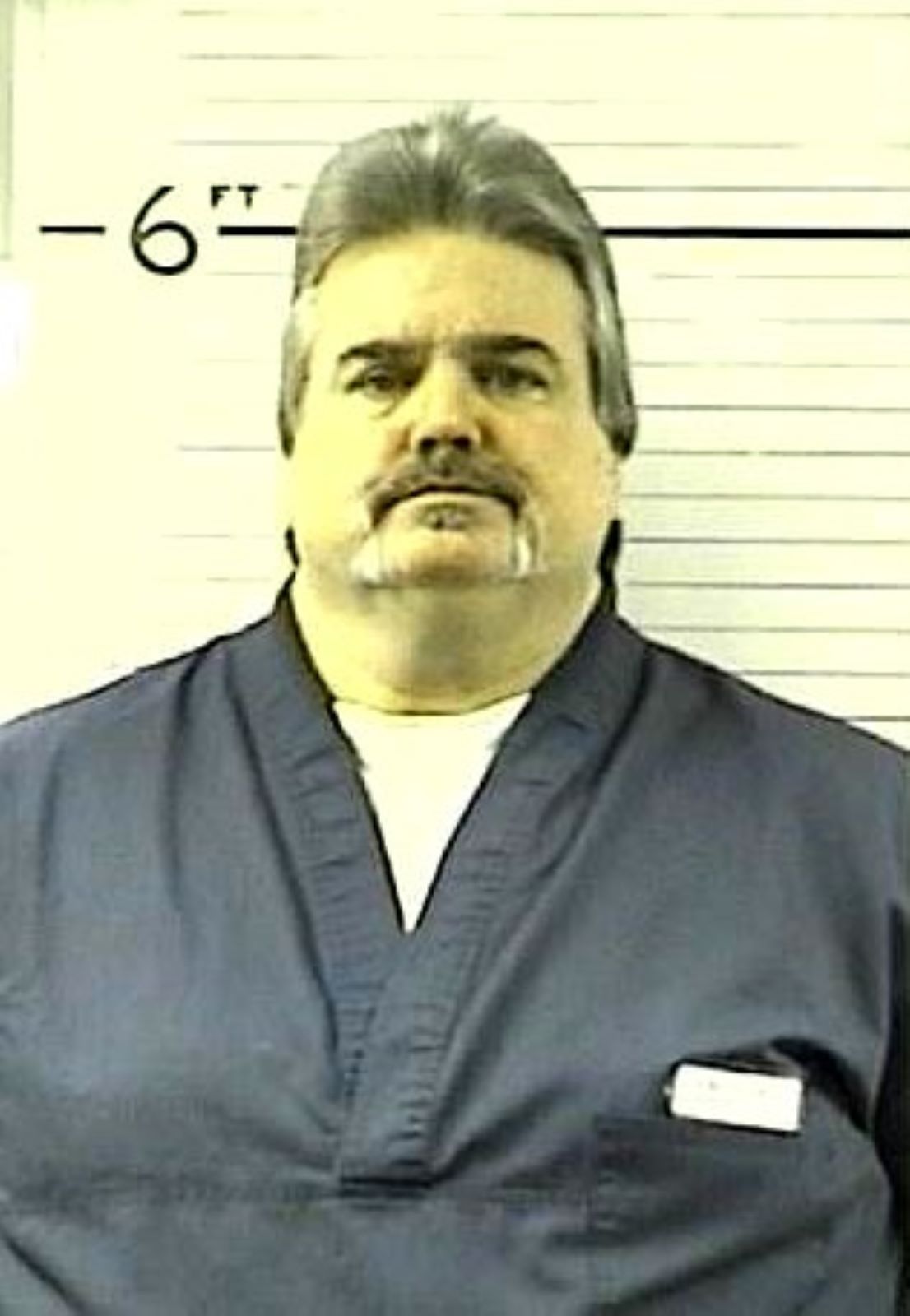
Russell Ellwood, a former taxi driver and photographer, became the second major suspect. Ellwood had lived in the New Orleans area for decades and suffered from severe cocaine addiction. His employment as a cab driver gave him extensive knowledge of city streets, industrial corridors, highways, canals, and remote dumping locations.
Several women later testified that Ellwood had offered them drugs or transportation before attacking them. Witnesses described assaults involving beatings, sexual violence, robbery, and attempted strangulation. Some victims did not report the attacks when they occurred because they were sex workers, drug users, or feared that police would not believe them.
Ellwood first drew attention after police encountered him in a vehicle near the area where Cheryl Lewis and Delores Mack had been found. Investigators later obtained statements placing him with Lewis shortly before she disappeared. He claimed that he had been visiting relatives in Ohio when Lewis was killed, but documentation that might have supported his alibi became a disputed issue during his prosecution.
The Conviction for Cheryl Lewis’s Murder
On March 23, 1998, Russell Ellwood was indicted for the second-degree murders of Cheryl Lewis and Delores Mack. Prosecutors later dismissed the Mack charge and proceeded only with the Lewis prosecution.
Ellwood’s trial began in June 1999. Former sex workers testified about violent encounters in which he had allegedly beaten, raped, robbed, or strangled them. Other witnesses stated that they had seen him with Cheryl Lewis around the time she disappeared. The prosecution argued that his behavior toward vulnerable women demonstrated a pattern consistent with Lewis’s murder.
Ellwood maintained his innocence. His defense challenged the credibility of witnesses and alleged problems with the investigation, including disputed records relating to his claimed trip to Ohio.
The jury convicted Ellwood of murdering Cheryl Lewis. On August 17, 1999, he was sentenced to life imprisonment without the possibility of parole. His conviction was later upheld on appeal. It remains the only murder in the Storyville series that resulted in a conviction.
Although Ellwood was suspected in additional deaths, authorities did not obtain enough evidence to charge him with the wider series. He died in the Louisiana State Penitentiary at Angola in 2014.
The “Clay” Telephone Call
On August 13, 1997, a man calling himself “Clay” telephoned a nationally broadcast radio program and claimed that he had murdered 12 prostitutes in New Orleans. He described himself as a white man and discussed aspects of the killings during the live call.
The call attracted attention because some of the information appeared similar to known details of the Storyville murders. Federal investigators reportedly obtained a recording in an effort to identify the caller. However, the man’s identity was never publicly confirmed, and questions were raised about whether the call was genuine, exaggerated, or a hoax.
The caller’s description of his methods did not correspond perfectly with the physical evidence from the suspected Storyville cases. The call therefore never resolved whether “Clay” was an offender, an accomplice, a person with secondhand knowledge, or merely someone seeking publicity.
One Killer or Several?
The differences among the victims and crime scenes led many investigators to question whether one person could have committed every murder associated with the Storyville Slayer name. Some victims were clearly strangled, while others were beaten, drowned, or too decomposed for a reliable cause of death to be determined. The victims included women, transgender women, unidentified females, and several men whose inclusion in the series was uncertain.
Victor Gant was investigated primarily in connection with two women, while Russell Ellwood was convicted of one murder and suspected in several others. The presence of two unrelated suspects with separate connections to different victims strongly supported the possibility of multiple offenders.
The label “Storyville Slayer” may therefore describe a collection of overlapping murders rather than the work of a single serial killer. Some deaths may have been committed by intimate partners, customers, drug associates, robbers, or independent predators who targeted the same vulnerable population.
Problems With the Victim Count
Published accounts have attributed between 12 and more than 20 deaths to the Storyville series. The variation results from uncertainty about which murders shared a common offender. Some victims were included because of their occupation or lifestyle, while others were included because of the method of death or the location where their bodies were abandoned.
Discovery dates are sometimes incorrectly reported as dates of death. In many cases, decomposition prevented medical examiners from determining exactly when a victim died. For that reason, the dates listed for most victims represent the dates their remains were found rather than confirmed dates of death.
Cheryl Lewis is an exception because investigators established a narrow period during which she disappeared and was killed. She was last seen on February 2, 1993, and court documents alleged that the murder occurred between January 31 and February 9, 1993.
Legacy and Unresolved Questions
The Storyville Slayer investigation exposed the danger faced by women working on the streets of New Orleans and the difficulty of investigating crimes against people affected by poverty, prostitution, homelessness, and addiction. Many victims moved frequently, used aliases, or had limited contact with relatives. Their disappearances could go unnoticed for days or weeks.
The case also demonstrated how environmental conditions can destroy evidence. Bodies abandoned in Louisiana waterways often remained undiscovered until decomposition had eliminated fingerprints, fibers, bodily fluids, and other material that could have identified an offender.
Except for the conviction of Russell Ellwood for the murder of Cheryl Lewis, the suspected Storyville Slayer murders remain unsolved. No person has been convicted of the overall series, and investigators have never conclusively determined whether the killings were committed by one predator, several serial offenders, or multiple unrelated individuals.
The victims remain the central legacy of the case. They were mothers, daughters, performers, workers, and young people whose circumstances made them vulnerable to violence. The uncertainty surrounding their deaths continues to leave families without complete answers and has made the Storyville Slayer one of the most disturbing unresolved chapters in the criminal history of New Orleans.