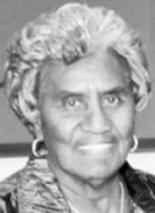
Cheryl Lewis, a 30-year-old African-American woman from Bridge City, Louisiana, was reported missing by her mother, Lillian Lewis, on February 2, 1993. In the days that followed, the worry in her circle hardened into something darker: three witnesses later testified that, before she vanished, they had seen Cheryl either with or close to a man who would eventually become central to the case, taxi driver Russell Ellwood.
On the morning of February 21, 1993, her body was discovered off Highway LA 3160 in Hahnville, an isolated stretch described in court as lacking homes and street lighting. She was found in a canal, face down in the water, stripped nude except for socks. Investigators recovered fingerprints that identified her as Cheryl Lewis, and a forensic pathologist later testified that she showed no obvious signs of gunshot wounds, blunt-force injuries, or stabbing.
The autopsy and follow-up testing shaped a grim narrative of how she died. The forensic pathologist ultimately concluded Cheryl drowned, and that she was alive but unconscious when she entered the water, with the formal cause described as asphyxia due to drowning. Toxicology detected cocaine but the medical testimony emphasized the drugs were not the cause of death. A forensic anthropologist later reviewed the case materials and estimated she had been dead about 18 to 20 days when found, placing the death in early February 1993.
Almost a year after Cheryl was reported missing, the investigation picked up a chilling echo. Two off-duty deputies encountered a dark, occupied vehicle on the same desolate road, roughly a mile from where her body had been found. After repeated attempts to get the driver to step out, the man emerged partially undressed and identified himself as Russell Ellwood. He claimed he was there to change his oil and brakes, but officers testified they found no oil, filters, brake supplies, or the kind of lighting that would make repairs possible in the unlit area at night. That strange roadside encounter, paired with information shared among agencies, fed into a wider effort to understand a pattern of killings, and Ellwood’s name moved from suspicious to suspect.
Years later, the case turned from suspicion to prosecution. Ellwood was indicted on March 23, 1998, on two counts of second-degree murder: one for Delores Mack and one for Cheryl Lewis. The state later dismissed the Mack count while the indictment for Cheryl’s murder was amended to allege she was killed “on or between January 31, 1993 and February 9, 1993.” With extensive pretrial publicity surrounding the broader investigation, the court granted a change of venue from St. Charles Parish to Lafayette.
Ellwood went to trial in Lafayette beginning June 8, 1999, and after three days the jury returned a unanimous guilty verdict for Cheryl’s murder. On August 17, 1999, he was sentenced to life imprisonment at hard labor without benefit of parole, probation, or suspension of sentence. The conviction anchored the official answer—an arrest, charges, a trial, and a life sentence—yet the surrounding context still carried the uneasy sense of a larger storm, the kind of case where one woman’s death sits inside a wider map of fear, rumor, and long-running investigation across the New Orleans area.