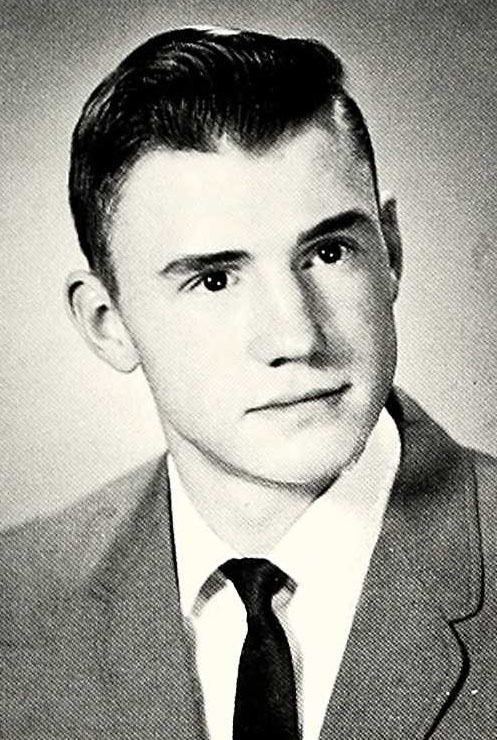
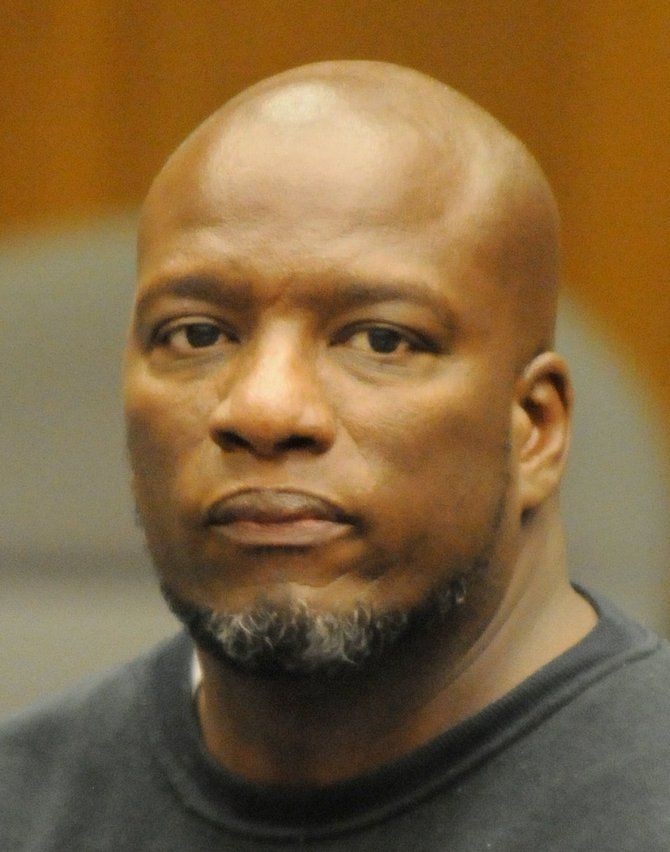
J. C. X. Simon and the Zebra Murders
Background
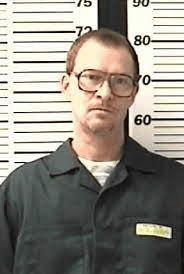
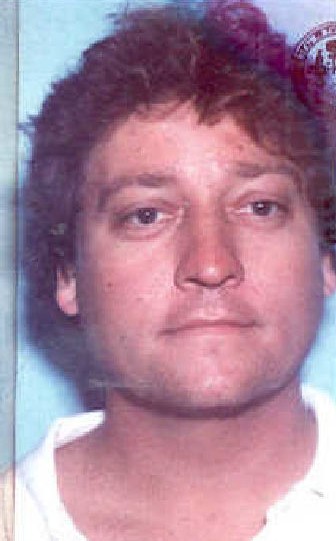
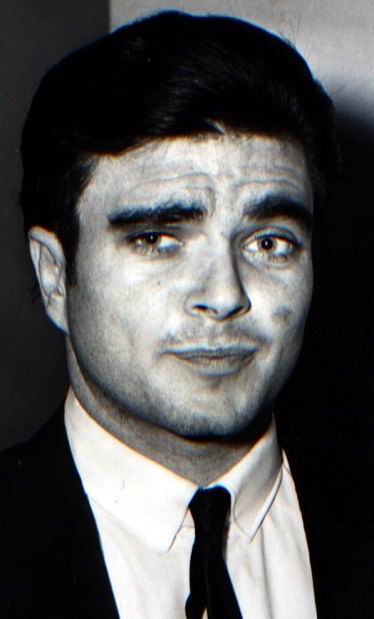
J. C. X. Simon was one of four men convicted for their participation in the notorious Zebra murders, a series of racially motivated killings and attempted killings that terrorized San Francisco, California, during the 1970s. Simon operated with Manuel Moore, Larry Green and Jessie Lee Cooks. Prosecutors portrayed the men as members of a violent group whose participants sometimes referred to themselves as the Death Angels.
The principal wave of attacks occurred between October 1973 and April 1974. At least fifteen people were killed and several others were wounded. Most of the victims were approached unexpectedly in public places, including sidewalks, doorways, parking areas, laundromats and bus stops. Many were shot at close range with .32-caliber firearms before their attackers quickly fled.
Although Simon is frequently described as one of the Zebra serial killers, it is important to distinguish the crimes attributed to the group from the specific charges proven against him. Simon was convicted for his role in the murders of Tana Smith and Jane Holly and for the shooting of survivor Roxanne McMillan. He was prosecuted alongside Moore, Green and Cooks in a lengthy joint trial that examined the wider pattern of Zebra attacks.
The Beginning of the Murder Series
The recognized Zebra murder series began on October 20, 1973, with the abduction of married couple Quita and Richard Hague. The couple was forced into a vehicle while walking near their home in San Francisco. Quita Hague was killed, while Richard Hague was severely assaulted but survived. His description of the abductors and their vehicle later became an important part of the investigation.
Ten days later, Frances Rose was shot while sitting in her car near a University of California extension facility. Jessie Lee Cooks was arrested in connection with that crime. Additional shootings followed throughout November and December, creating a pattern that investigators gradually connected through witness accounts, the circumstances of the attacks and ballistic evidence involving .32-caliber weapons.
The victims were often selected with little or no apparent personal connection to their assailants. Some were walking home, waiting outside buildings or performing ordinary errands. This randomness made the attacks especially frightening because residents had no clear way to predict who might be targeted next.
The January 28, 1974 Shooting Spree
The most concentrated burst of Zebra violence occurred on January 28, 1974. Five people were shot in different areas of San Francisco over a relatively short period. Four of them died. The victims were Tana Smith, Vincent Wollin, John Bambic and Jane Holly. Roxanne McMillan was seriously wounded but survived.
Tana Smith, 32, was shot while walking along a sidewalk. Vincent Wollin, 69, was attacked near his home while collecting discarded objects that he could repair or sell. John Bambic, an elderly San Francisco resident, was shot in the back. Jane Holly, 45, was murdered while doing laundry at the Lightning Coin Launderette near Silver Avenue and Brussels Street.
Roxanne McMillan, 23, was shot while removing belongings from her car. She survived her wounds and became one of the living victims whose attack was included in the prosecution. Simon and Manuel Moore were charged with the murders of Smith and Holly and with assaulting McMillan. The January shootings led authorities to intensify their investigation under the name Operation Zebra.
Confirmed Victims of the Zebra Murder Series
- Quita Hague, 28 — October 20, 1973: Abducted with her husband near Telegraph Hill in San Francisco. Her body was later found near railroad tracks in the city’s industrial waterfront area. Her husband, Richard Hague, survived a severe assault.
- Frances Rose, 28 — October 30, 1973: Shot in her automobile near the University of California Extension in San Francisco. Jessie Lee Cooks was arrested and convicted in connection with her killing.
- Saleem Erakat, 53 — November 25, 1973: Found shot to death inside his grocery store across from the San Francisco Civic Center. His hands had been restrained with his necktie, and money was taken from the business.
- Paul Dancik, 26 — December 11, 1973: Shot while standing with a friend near a telephone booth in San Francisco. His companion survived the attack.
- Marietta DiGirolamo, 31 — December 13, 1973: Shot at close range while standing in a doorway along Divisadero Street in San Francisco.
- Ilario Bertuccio, 81 — December 20, 1973: Shot several times while crossing a San Francisco street on his way home from work.
- Neal Moynihan, 19 — December 22, 1973: Fatally attacked in San Francisco during the December wave of Zebra shootings.
- Mildred Hosler, 65 — December 22, 1973: Killed in San Francisco on the same date as Neal Moynihan during the continuing series of attacks.
- Unidentified man, known as John Doe No. 169 — December 24, 1973: An unidentified victim whose death in San Francisco was included among the confirmed Zebra killings.
- Tana Smith, 32 — January 28, 1974: Shot on a sidewalk in San Francisco several blocks from her home. Simon and Manuel Moore were convicted in connection with her murder.
- Vincent Wollin, 69 — January 28, 1974: Shot near his San Francisco home while collecting discarded materials that he repaired and sold to supplement his income.
- John Bambic, 87 — January 28, 1974: Shot in the back in San Francisco during the same series of attacks that killed Smith, Wollin and Holly.
- Jane Holly, 45 — January 28, 1974: Shot while washing clothes at the Lightning Coin Launderette near Silver Avenue and Brussels Street in San Francisco. Simon and Moore were convicted in connection with her murder.
- Thomas Rainwater, 19 — April 1, 1974: A Salvation Army cadet who was shot while walking with fellow cadet Linda Story to obtain food in San Francisco. Story was wounded but survived.
- Nelson T. Shields IV, 23 — April 16, 1974: Shot in the back while helping place a rug into a vehicle on a San Francisco street. His killing was the final confirmed fatal attack in the recognized Zebra murder series.
Survivors of the Attacks
Several people survived attacks associated with the Zebra series. Richard Hague survived the October 20, 1973, abduction in which his wife was murdered. Robert Stoeckmann survived being shot on November 9, 1973, and managed to fight back against his attacker. Art Agnos, who later became mayor of San Francisco, survived being shot twice on December 13, 1973.
Terese DeMartini survived a December 20 shooting while parking her car. Roxanne McMillan survived the January 28, 1974, attack connected directly to the prosecution of Simon and Moore. Linda Story survived the April 1 attack that killed Thomas Rainwater. Teenagers Terry White and Ward Anderson were both wounded in separate shootings on April 14, 1974.
Operation Zebra
The January 28 shootings produced widespread fear and prompted the San Francisco Police Department to organize a major investigative effort. The case became known as Operation Zebra because police assigned communications concerning the murders to a special radio channel identified by the letter Z.
Investigators noted that the gunmen commonly approached their victims without warning, fired at close range and escaped on foot or in waiting vehicles. Ballistic evidence repeatedly pointed to .32-caliber firearms. Despite these similarities, the absence of an obvious relationship between the victims made the investigation difficult.
The killings affected daily life throughout San Francisco. Residents avoided walking alone, businesses reported fewer customers and normally active neighborhoods became unusually quiet after dark. Police deployed large numbers of officers and established intensive patrol areas as pressure mounted to stop the attacks.
Informant Anthony Harris
The investigation changed dramatically when Anthony Harris, a man familiar with Simon and the other suspects, began providing information to authorities. Harris described meetings, vehicles, weapons and conversations connected to the killings. He identified Simon, Moore and Green as participants and offered information that allowed police to place the suspects under surveillance.
Harris claimed that the violence was connected to a group known as the Death Angels. According to the prosecution’s account, members sought status by participating in attacks against victims chosen primarily because of their race. Some of Harris’s most sensational allegations were disputed, and he later gave conflicting statements, but his testimony remained central to the government’s case.
Police arrested Simon, Moore, Green and several other men on May 1, 1974. Four suspects were later released because authorities lacked sufficient evidence against them. Jessie Lee Cooks was already in custody for the murder of Frances Rose and was eventually prosecuted with Simon, Moore and Green.
Trial and Conviction
The joint trial began in March 1975 and became one of the longest criminal trials conducted in California at that time. Proceedings lasted approximately one year, with more than two hundred days spent in court and testimony presented by 181 witnesses. Prosecutors used witness statements, surviving victims, ballistic findings and Harris’s testimony to argue that the defendants had participated in an organized murder campaign.
Simon and Moore were prosecuted for the murders of Tana Smith and Jane Holly and for the assault on Roxanne McMillan. Green and Cooks faced charges arising from the abduction of Richard and Quita Hague, Quita’s murder and the attack on Richard. Moore was additionally charged in connection with the shootings of Terry White and Ward Anderson.
The defense challenged Harris’s credibility and argued that his accounts had been influenced by police pressure and the possibility of reward money. Harris temporarily recanted portions of his testimony before returning to the prosecution’s position. Despite the controversy surrounding him, the jury found Simon, Moore, Green and Cooks guilty after a short period of deliberation.
Sentence and Death
On March 29, 1976, J. C. X. Simon and his three codefendants were sentenced to life imprisonment. The death penalty was unavailable under California law at the time, making life imprisonment the maximum punishment the court could impose. Simon was eventually incarcerated at San Quentin State Prison.
Simon repeatedly remained in prison as parole authorities declined to release him. On March 12, 2015, the 69-year-old Simon was found unresponsive in his San Quentin cell. He was pronounced dead while still serving his life sentence.
Legacy of the Case
The Zebra murders remain among the most disturbing crime series in San Francisco history. Their apparently random nature produced intense public fear, while the racial motivation attributed to the perpetrators created lasting controversy. The police response also drew criticism because officers temporarily used broad stop-and-question tactics that disproportionately affected Black men who had no connection to the crimes.
Although fifteen deaths are generally recognized as part of the confirmed series, investigators and writers have sometimes suggested that people associated with the Death Angels may have committed additional murders. Claims placing the number of victims at several dozen were never proven in court and remain disputed.
Simon’s documented criminal responsibility rests most clearly on the verdicts involving Tana Smith, Jane Holly and survivor Roxanne McMillan. His convictions established him as a central participant in the January 28, 1974, shooting spree and linked him to the wider group whose attacks left fifteen confirmed victims dead and several others permanently affected.