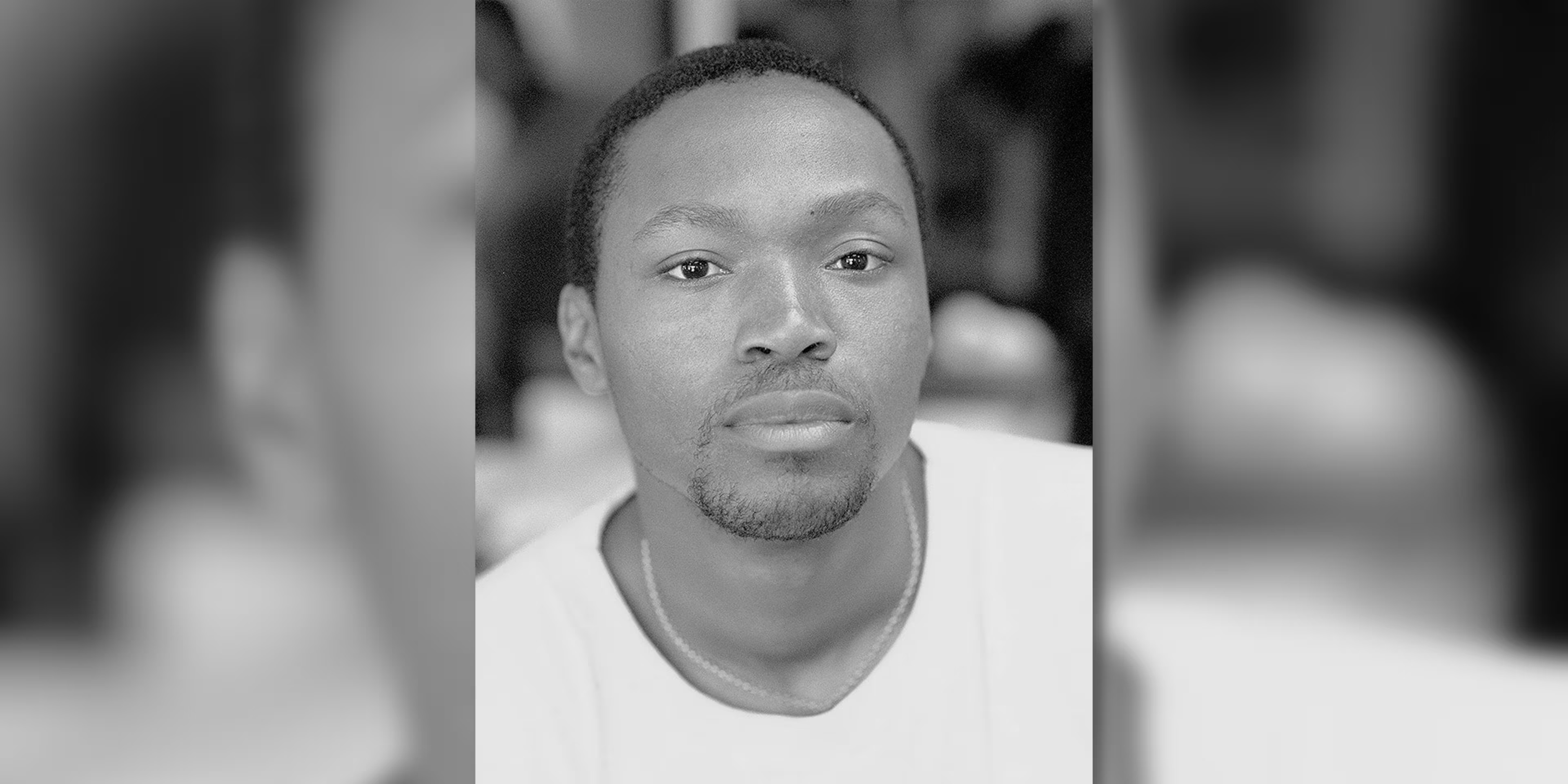
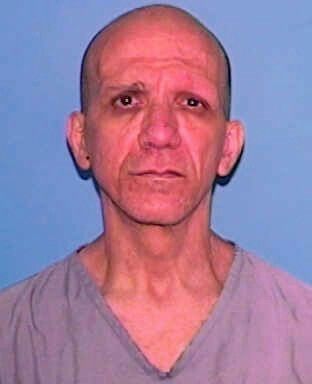
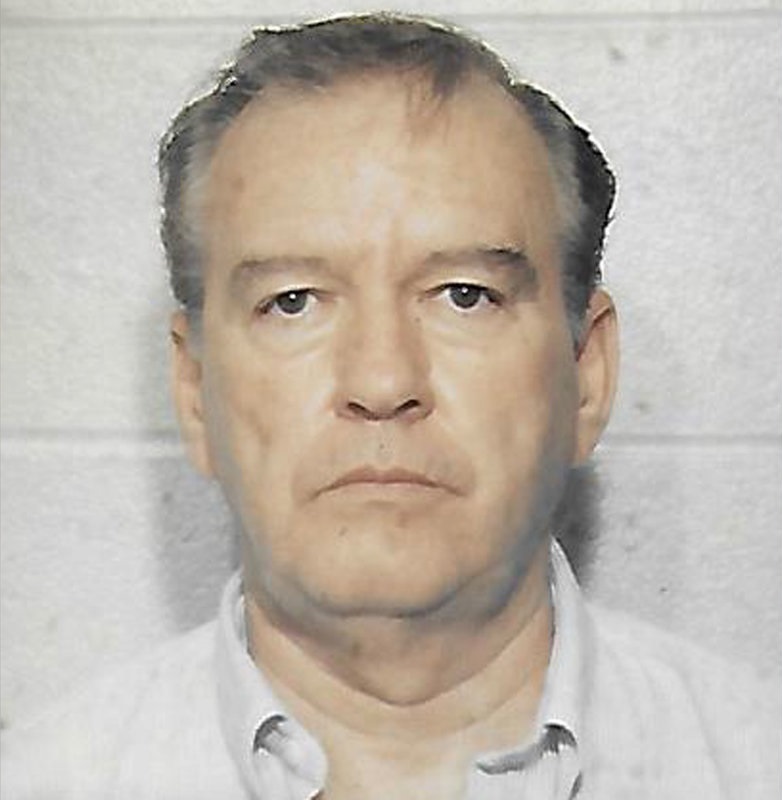
Arohn Kee: The East Harlem Rapist
Overview
For nearly a decade, a predator known as the "East Harlem Rapist" terrorized the neighborhoods of Upper Manhattan, preying on teenage girls and young women. Arohn Kee, a man described as a charmer with a dark side, was responsible for a horrific series of rapes and murders that began in 1991. His crimes were marked by a chilling modus operandi: he would approach victims from behind, force them to a secluded location, blindfold them with their own clothing, and assault them. Kee's reign of terror resulted in the murders of three young women and the rapes of at least four others. His ability to evade capture for years was a source of fear for the community and frustration for law enforcement. The case against him was ultimately built on the then-emerging power of DNA evidence, which linked him to a string of cold cases and finally brought his violent spree to an end.
Early Life and Background
Arohn Kee was born on September 18, 1973, in New York City and spent his life in East Harlem. To neighbors, he could appear charming and was known as a computer whiz who aspired to be a rap producer. However, this image masked a disturbing pattern of behavior. He was known locally as a "peeping tom" who would peer through the peepholes of women's apartments and use a video camera to try and take upskirt photos. Kee had a minor criminal record, including a robbery arrest in 1990, but had served little time. He used both his mother's surname, Kee, and his father's, Warford, which would later cause confusion for investigators. This dual identity, combined with his cunning, allowed him to slip through the cracks of the justice system for years.
The First Murder: Paola Illera
The string of murders began on January 24, 1991. Paola Illera, a 13-year-old schoolgirl who had immigrated with her family from Colombia just seven months earlier, was returning to her family's 30th-floor apartment in East Harlem. After her mother buzzed her into the building, Paola entered the elevator but never arrived at her home. Hours later, her body was discovered by a dog walker near the East River, under the Wards Island Bridge. She had been raped, strangled, and stabbed three times in the chest.
Police investigating the crime learned that a young man had been seen in the elevator with Paola. Detectives interviewed a 17-year-old neighbor named Arohn Warford—Arohn Kee using his father's surname—who lived on the 19th floor. He admitted to riding the elevator with Paola but claimed he got off at his floor while she continued up. With little else to go on, police let him go. A single pubic hair found on Paola's body was collected as evidence, a tiny clue that would prove crucial nearly a decade later.
A Pattern of Assault and Murder
For several years, Kee continued to commit sexual assaults without being linked to Paola's murder. His method was consistent: he would attack from behind, often at knifepoint, blindfold his victims, and force them to undress before raping them. He was known to taunt his victims, telling one she was "lucky to be raped by such a handsome man."
On September 13, 1997, the violence escalated to murder again. Johalis Castro, 19, was attacked in the basement of her apartment building, the George Washington Houses. Kee raped and smothered her before taking her body to a rooftop on East 104th Street. In a final, horrific act, he set her body on fire, possibly while she was still alive, in an attempt to destroy evidence. Police questioned Kee because phone records showed Castro had called him shortly before her death. Kee, however, explained that his girlfriend was friends with Castro and they had planned to go shopping. His girlfriend confirmed the story, and once again, Kee was let go.
Less than a year later, on June 2, 1998, Kee murdered 18-year-old Rasheeda Washington. A fashion student who had just celebrated her birthday, Washington lived in the same housing project as Paola Illera. Her body was found in a 15th-floor stairwell; she had been robbed, raped, sodomized, and strangled. The brutality of these crimes, coupled with a series of other rapes in the area, led residents and police to believe a serial predator was at large in East Harlem.
The Victims
- Paola Illera, 13 — January 24, 1991, in East Harlem. A bright and happy young girl who had recently moved to New York from Colombia with her family, she was described by her uncle as "very intelligent, very advanced for her age." She had dreams for her future and was embracing her new life in the city.
- Johalis Castro, 19 — September 13, 1997, in East Harlem. Originally from the Dominican Republic, she was brutally murdered in her apartment building. Her case, like Paola's, initially received little public attention.
- Rasheeda Washington, 18 — June 2, 1998, in East Harlem. A fashion student who worked at a clothing boutique, she was killed just three days after her birthday. She lived with her father in the same housing project where Kee's first victim had lived.
Investigation and Capture
The break in the case came from the investigation into Rasheeda Washington's murder. In January 1999, DNA from semen found on her body was analyzed. The sample matched DNA from two unsolved rape cases from 1995 and 1996, confirming police suspicions of a serial offender. Investigators received tips pointing to a man nicknamed "Ace," who they identified as Arohn Kee. They soon realized that Arohn Kee and Arohn Warford, the young man questioned in the 1991 Illera murder, were the same person.
Police needed Kee's DNA for a direct comparison but lacked the evidence for a court order. They got a break when Kee was arrested on an unrelated petty larceny charge for stealing a computer part. Investigators attempted to trick him into providing a DNA sample by disguising a female detective as a doctor performing a "tuberculosis test," but Kee became suspicious and refused, claiming it was against his religion as a Jehovah's Witness. Aware of their intentions, he even tore up his paper cup after a meal and flushed it down the toilet. However, investigators managed to secretly retrieve a drinking glass or coffee cup he had used while in custody.
The DNA from the cup was a match. On February 12, 1999, the test results officially linked Kee to the murder of Rasheeda Washington and two other rapes. But by then, Kee had been released and had vanished. He fled New York City, abducting a 16-year-old girl, Angelique Stallings, whom he had taken on a Valentine's Day date. A manhunt was launched, and on February 19, 1999, a SWAT team stormed Kee's hotel room in Miami, Florida. They rescued the unharmed teenager and arrested Kee, bringing his years of terror to an end.
Trial and Sentence
Arohn Kee was extradited to New York and indicted on 22 counts, including murder, rape, sodomy, and robbery, for the attacks on three murder victims and four surviving rape victims. Further DNA testing provided more damning evidence, linking the pubic hair from the 1991 murder of Paola Illera directly to Kee.
His trial began in 2000. The prosecution presented the overwhelming DNA evidence that connected Kee to six of the seven victims. In a bizarre and rambling testimony against his lawyers' advice, Kee took the stand in his own defense. He claimed he was the victim of a police frame-up, concocting a conspiracy theory that his DNA was planted on the victims. The jury was not convinced. On December 16, 2000, they found him guilty on all counts. Upon hearing the verdict, Kee erupted in a stream of profanities directed at the court.
In January 2001, he was sentenced to three consecutive life sentences without the possibility of parole for the murders, plus an additional 400 years for the rapes. In 2004, DNA evidence linked him to another rape from July 1994. For this crime, he pleaded guilty, expressed remorse, and received an additional 20-year sentence to run concurrently with his life terms.
Aftermath and Legacy
The Arohn Kee case became a landmark for the use of DNA evidence in New York City. It highlighted the technology's power to solve cold cases and prevent future crimes. Attorney General John Ashcroft later noted that if New York had been collecting DNA from convicted felons at the time of Kee's 1990s robbery conviction, he might have been identified and stopped much earlier, potentially saving the lives of at least one of his murder victims and preventing two of the rapes.
Kee is currently serving his sentence at the Attica Correctional Facility. In 2009, it was reported that he was attempting to profit from his crimes by selling "rape cards" from prison, on which he wrote detailed descriptions of his assaults. Because he did not use the victims' names, prosecution under laws preventing criminals from capitalizing on their notoriety was difficult, but prison officials stated they would restrict his mail. For the families of his victims and the survivors of his attacks, the legacy of Arohn Kee is one of unimaginable pain and loss, a nightmare brought to an end only by a strand of DNA and the persistence of law enforcement.