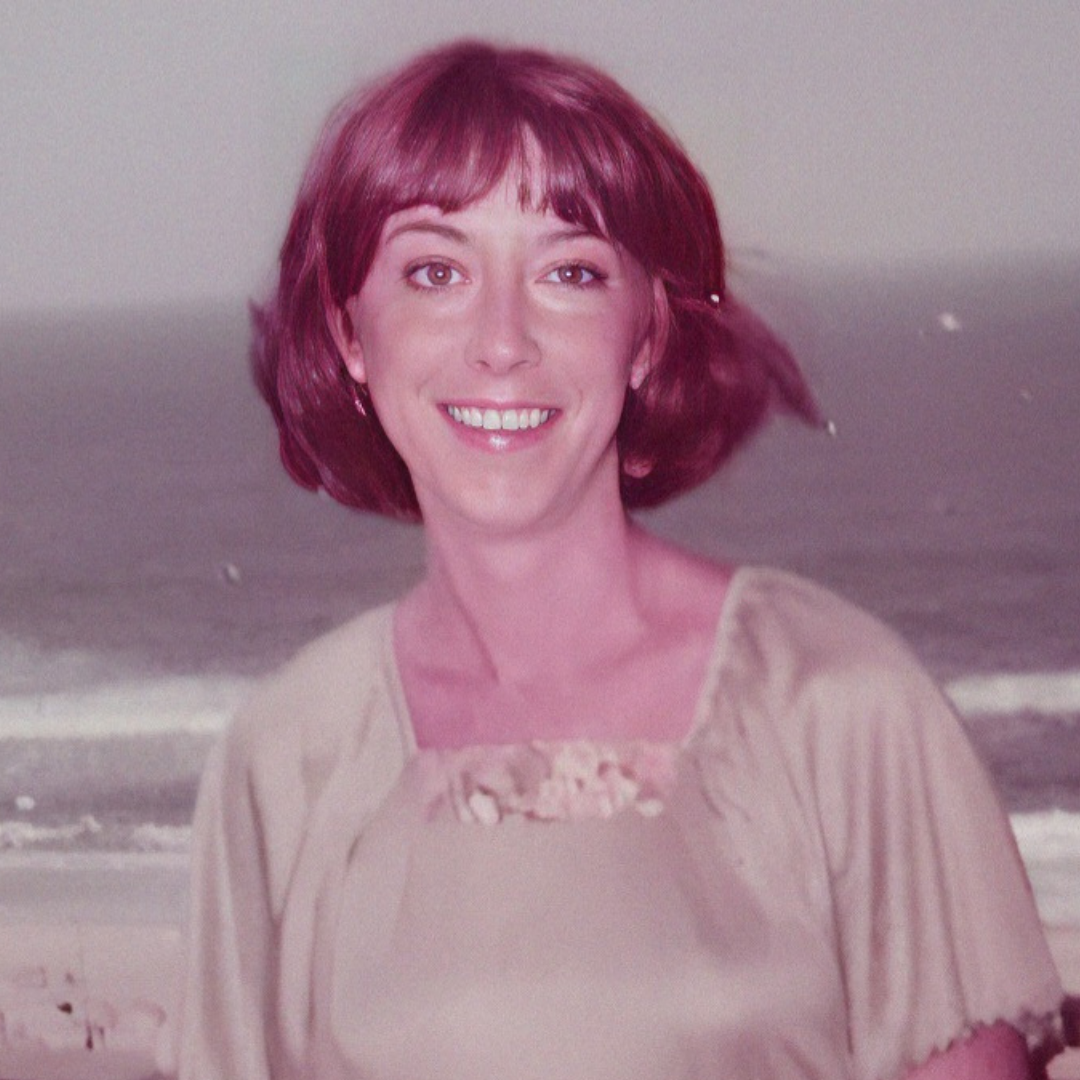
In the summer of 1990, 13-year-old Paola Illera moved to New York City from Colombia with her mother, Olga, and two siblings, filled with dreams for her future. The family settled in an apartment on the 30th floor of a building in East Harlem, where Paola, a bright and happy young girl, quickly embraced her new life. Described by her uncle as "very intelligent, very advanced for her age," she excelled in school, loved learning English, and had ambitions of becoming a lawyer.
Her father, Cesar, remained in Colombia, working as a taxi driver to save enough money to join his family in their pursuit of the American dream.
The promise of that new life was brutally extinguished on the afternoon of January 24, 1991. After school, Paola walked home to her apartment building at 420 East 111th Street. At around 4:45 p.m., she used the intercom to call her mother, who buzzed her into the lobby. Paola stepped into the elevator, just moments away from the safety of her family's apartment, but she never arrived. When she failed to appear after ten minutes, her frantic brother and uncles began to search for her, but the lobby was empty.
Nearly three hours later, a person walking their dog made a horrifying discovery along the Bobby Wagner Walk, a promenade by the East River. Under the Wards Island Bridge, about half a mile from her home, lay Paola’s body. She had been raped, stabbed three times in the chest, and strangled. The discovery sent a wave of fear through the East Harlem community, and the senseless murder of a young girl with so much potential left her family shattered.
For years, Paola's case went cold, a haunting mystery for detectives. During the initial investigation, police had questioned a teenager named Arohn Warford who lived on the 19th floor of Paola's building and had been in the elevator with her. He claimed he got off on his floor and saw her continue upward. With few other leads, the investigation stalled. The case remained unsolved until a series of rapes and murders in the late 1990s terrorized East Harlem, eventually leading police to a single, vicious predator.
The man responsible was Arohn Kee, a serial rapist and killer also known as the "East-Harlem Rapist." Born in 1973, Kee had grown up in the same neighborhood and was even a former neighbor of Paola's. Investigators eventually realized that Arohn Kee and the teenager "Arohn Warford" they had questioned years earlier were the same person; Warford was his father's surname. A crucial breakthrough came from DNA evidence. A pubic hair found on Paola's body, preserved for years, was eventually matched to Kee's DNA. This forensic link connected him not only to Paola's murder but also to the slayings of 19-year-old Johalis Castro in 1997 and 18-year-old Rasheeda Washington in 1998, as well as at least four other rapes.
After a manhunt that ended with his capture by a SWAT team in Miami in February 1999, where he had fled with a kidnapped teenage girl, Kee was extradited to New York. His trial began in 2000, where he faced charges for three murders and multiple rapes. Despite his claims of being framed, the DNA evidence was irrefutable, and surviving victims identified him. On December 16, 2000, a jury found Arohn Kee guilty on all counts, including first-degree murder for Paola's death. He reacted to the verdict with an expletive-filled outburst.
In January 2001, Kee was sentenced to life in prison without the possibility of parole, plus an additional 400 years. At the sentencing, Paola's mother, Olga, delivered a heart-wrenching impact statement. "I hope that you experience what it is like to not be able to sleep, to eat, to walk, to breathe, to not have a moment of peace, thinking of my daughter's suffering at the time of her death," she said. "I will never learn to live without my daughter, who I brought to this country in search of the American dream." Arohn Kee is currently incarcerated at the Attica Correctional Facility, ensuring he will never again harm another person.