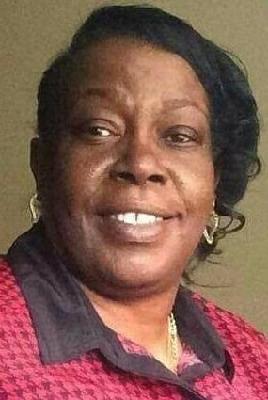
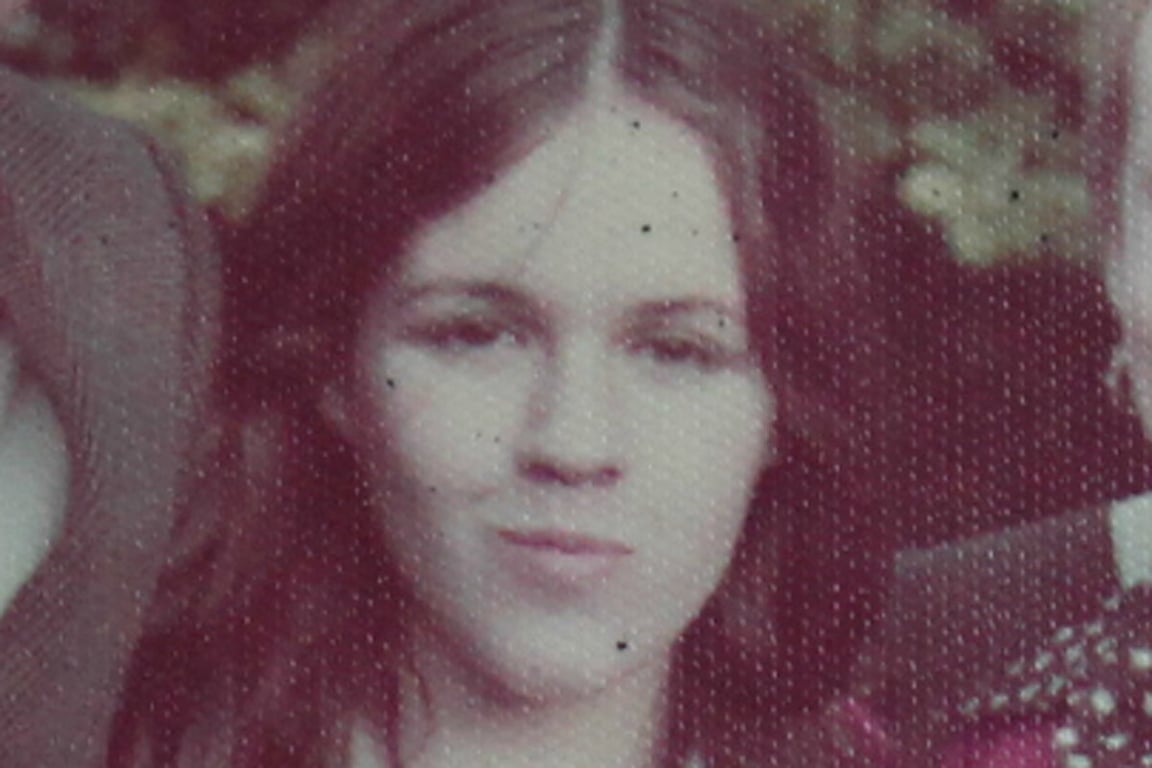
In the summer of 1973, 65-year-old Kate Lewisohn was a resident of the Park Plaza Hotel on Manhattan's West Side. Contrary to what its name might suggest, the Park Plaza was not a bastion of high society. Instead, it served as a modest home for many older and low-income residents, people seeking a simple, quiet life in the heart of a bustling city. For them, the hotel was a community, a place of familiarity and presumed safety.
But that sense of security was shattered by a series of terrifying events that would unfold within its walls.
On July 19, 1973, Kate Lewisohn became a victim in her own home. A visitor discovered her in her small apartment, bound on her bed. She had been brutally strangled and had suffered severe head injuries. Her room was in disarray, looted by her attacker. Her death was the second in what would become a string of violent crimes that haunted the residents of the hotel and the surrounding neighborhood for over a year.
Initially, the New York City police did not connect Kate's murder to another death that had occurred at the hotel three months earlier, when 39-year-old Theresa Jordan was found suffocated in her room. For months, the investigations into these deaths remained separate, and a pattern of violence went unrecognized. It wasn't until a series of similar murders occurred at the Park Plaza and in a neighboring building throughout 1974 that the police began to suspect a serial killer was at work. The victims were all women, mostly older, and all lived alone.
The reign of terror was orchestrated by a man named Calvin Jackson, a 26-year-old janitor who worked at the Park Plaza Hotel. Jackson, a small-time criminal with a history of drug addiction and theft, used his position to gain access to the residents' rooms. His method was brutal and consistent: he would strangle, suffocate, or stab his victims during robberies, often stealing small, valuable items like televisions or radios to support his drug habit.
The breakthrough in the case came in September 1974, after the murder of Pauline Spanierman in a building near the Park Plaza. When her television was found in a room occupied by Jackson, who was living there temporarily, police finally had their man. His employment at the Park Plaza, the epicenter of the killings, solidified their suspicions. Once in custody, Jackson confessed to a total of nine murders, providing details that only the killer could have known. He recounted how he would sometimes linger in his victims' apartments after they were dead.
The investigation revealed a chilling reality: several of the deaths had initially been attributed to natural causes or accidents, allowing the "Central Park Slasher," as Jackson came to be known, to continue his killing spree undetected for 18 months. The public outcry following these revelations led to accusations of a negligent investigation, particularly concerning the safety of the city's more vulnerable, elderly residents.
In early 1976, Calvin Jackson was put on trial. Despite an initial insanity defense, he was deemed sane and fit to face the charges. On May 25, 1976, a jury found him guilty on nine counts of murder, as well as approximately 40 other charges including rape, burglary, and theft. He was sentenced to four concurrent life sentences with the possibility of parole. As of 2021, he remained incarcerated. For the families of his victims, including the loved ones of Kate Lewisohn, the verdict brought a measure of legal closure, but it could never erase the profound loss and the terror that had gripped their community.