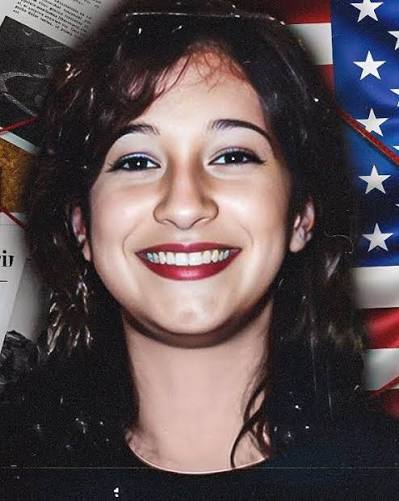
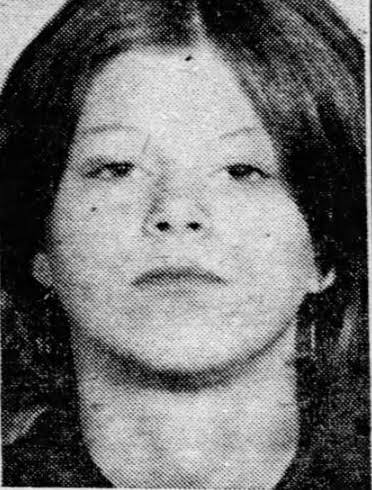
In the spring of 1973, a 30-year-old woman named Angelina Catalana was living on the Upper West Side of Manhattan. Little is publicly known about the life of this young, Italian-American woman, who was described as very attractive. Her personal history, her profession, her passions, and the family that loved her have been largely lost to time, overshadowed by the brutal violence that ended her life. Her story is a stark reminder of the countless victims whose identities have been almost completely eclipsed by the details of their unsolved murders.
Her home was an apartment at 342 W. 71st Street, a Renaissance Revival-style row house built at the turn of the century. The building stood on a quiet, dead-end block between West End Avenue and Riverside Boulevard, part of a row of architecturally distinct houses later designated as a New York City Historic District. But the elegance of the block could not protect Angelina from the wave of violence that plagued the city during that era. New York in the 1970s was a city grappling with soaring crime rates, and its dangers found their way into every neighborhood.
On or about April 25, 1973, Angelina was killed inside her apartment. The scene discovered by authorities was one of extreme violence. She was found lying face down on the floor, having been stabbed twice in the chest with a pair of nine-inch scissors. The attack was not the only horror inflicted upon her. Investigators found burns on her body, and nearby lay charred rags and paper, evidence that her killer had made a deliberate attempt to set her body, or the apartment itself, on fire. The motive for the savage attack has never been determined.
The New York City Police Department (NYPD) launched a homicide investigation, but the case proved difficult from the start. In an era before widespread DNA technology and digital records, investigators had to rely on traditional police work that often hit dead ends. Leads grew cold, witnesses may have been few, and the person responsible for Angelina’s murder seemingly vanished. For decades, her file gathered dust, one of thousands of unsolved homicides in the city's archives.
Decades passed with no public movement on the case. There are no available records of vigils, anniversaries, or public appeals from family in the years that followed. The memory of Angelina Catalana was kept alive primarily in the stark entries of law enforcement ledgers and online databases dedicated to tracking the city's forgotten victims. Her murder is sometimes listed among other unsolved homicides from the period, a time when several serial predators were active in the New York and New Jersey area, though no definitive link between Angelina's death and a specific serial killer has ever been officially established.
As of early 2025, the investigation into the murder of Angelina Catalana remains open. Her case is now officially registered as an unsolved cold case with the NYPD, a formal acknowledgment that despite the passage of more than half a century, the search for justice continues. The hope remains that a new witness, a long-held secret, or a future breakthrough in forensic science might finally provide the answers that have been missing for decades and bring a name to the person who so brutally ended a young woman's life on a spring day in 1973.