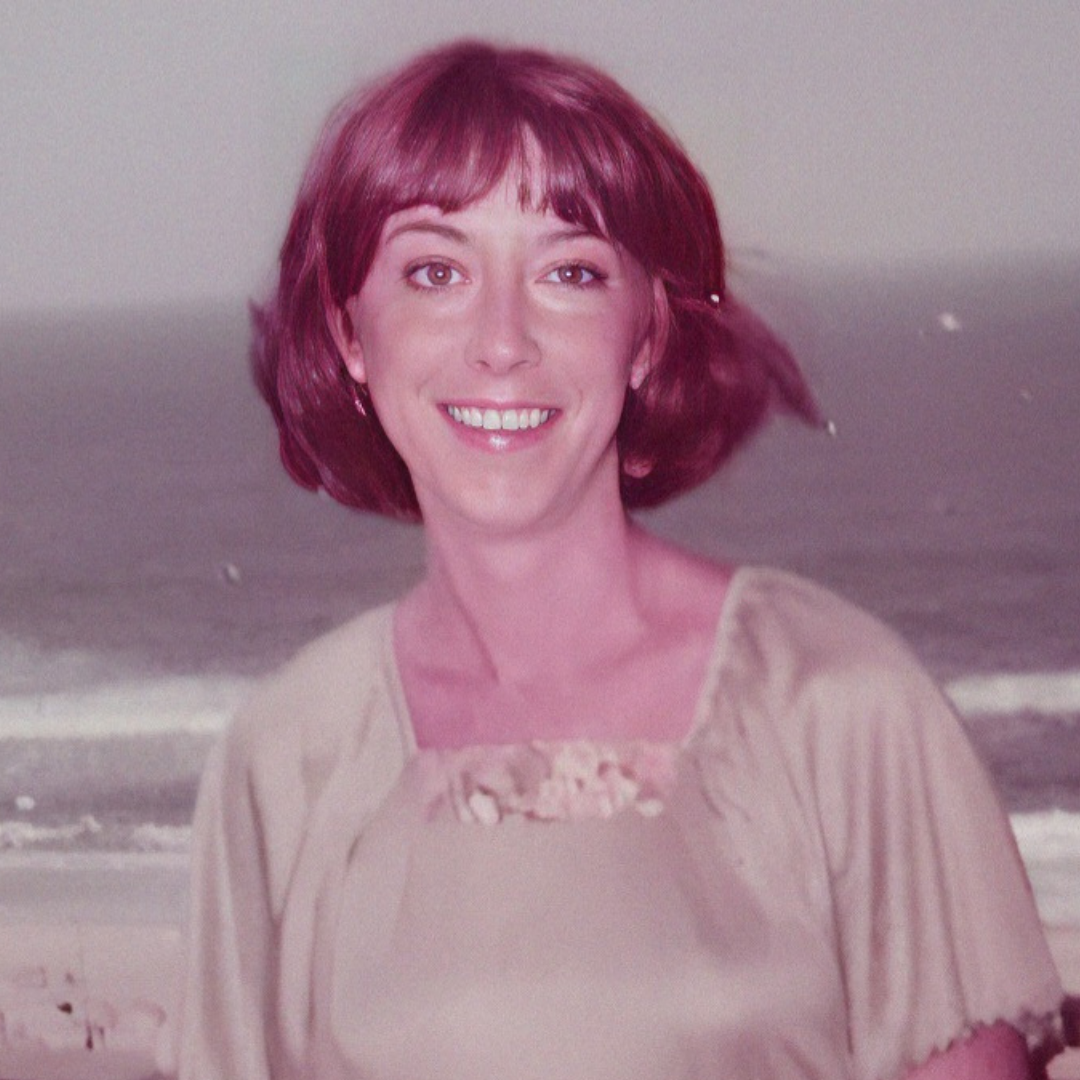
In the winter of 1981, a wave of seemingly random, brutal murders began to spread fear across New York City. The man behind them, David Bullock, would come to be known as "The.38 Caliber Killer." His second victim was a young woman named Edwina Atkins, a 23-year-old Female who made the fatal mistake of not believing her friend was a murderer.
Edwina’s life was cut short on Sunday, December 13, 1981, inside her New York apartment. She knew David Bullock and considered him a friend.
In the days leading up to her death, Bullock had confided in her, confessing that he had recently killed a man, 42-year-old teacher and actor James Weber, in Central Park. Edwina, however, did not believe him; she laughed in his face, dismissing his horrific admission as a dark joke. For Bullock, her disbelief was a death sentence. He later told investigators he killed her because "she knew too much."
That December day, after they had sex, Bullock covered Edwina’s face with a pillow and shot her in the head with a.38 caliber revolver. In an attempt to conceal his crime, he then set fire to her apartment before fleeing the scene. Her death was one in a string of killings that terrorized the city between December 1981 and January 1982. Bullock, a former male prostitute with a history of robbery and larceny arrests, chose his victims without a clear pattern, creating a climate of fear and confusion.
The New York City police were initially unaware that a serial killer was at work. The breakthrough came on January 14, 1982, when Bullock was brought in for questioning regarding the disappearance of his roommate, Michael Winley. During a search of the apartment building's basement, police found a.38 caliber revolver. Within hours of being detained, Bullock began to talk. He confessed not only to killing his roommate and dumping his body in the Harlem River but to five other murders as well, including Edwina’s. Ballistics experts confirmed that the revolver found in the basement was the weapon used in five of the killings.
David Bullock was charged with six counts of second-degree murder. His trial became a spectacle of chilling indifference. He appeared in court in a positive, almost cheerful mood, describing his crimes in cynical and sarcastic detail without a hint of remorse. When asked for a motive for his killing spree, he offered a horrifyingly simple explanation: "I was in the Christmas spirit. It made me happy." He also told detectives that he killed simply for amusement. Psychiatrists who evaluated him found no major mental illness but noted a severely impaired emotional state.
On October 26, 1982, David Bullock pleaded guilty to all six murders. The judge, determined to ensure he would never be free again, sentenced him to 150 years to life in prison—an unprecedented sentence in New York at the time. Bullock, sometimes called "The Happy Killer" for his courtroom demeanor, was sent to the Clinton Correctional Facility in Dannemora, New York. Edwina Atkins was buried on Hart Island on February 4, 1982. Her tragic death serves as a chilling reminder of a brief but terrifying chapter in New York City's history, when a man killed for the simple, horrifying reason that he found it fun.