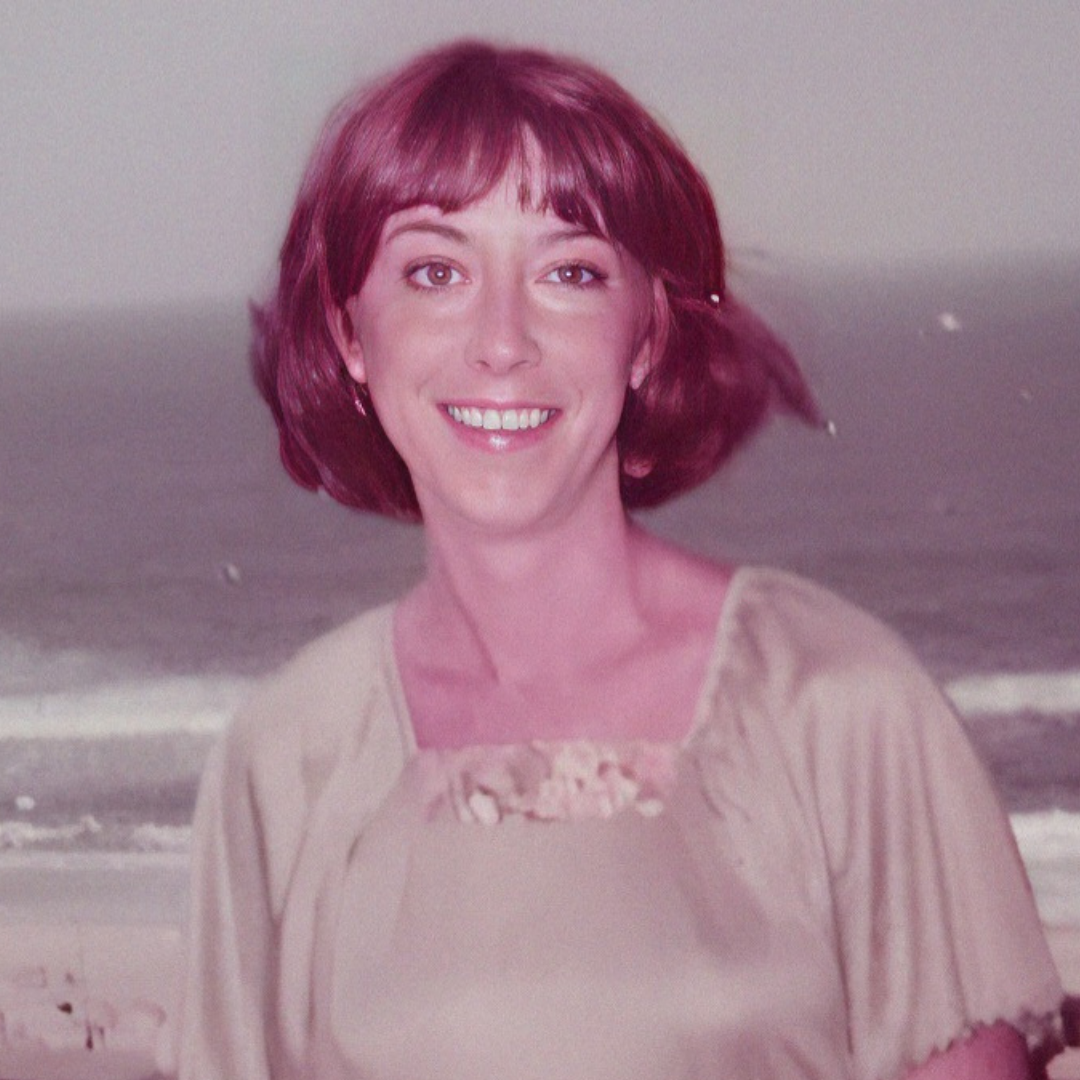
Johalis Castro, a 19-year-old woman of Dominican origin, was building a new life in New York with her young daughter. She had dreams of a future in technology and was studying computer science at a community college in the Bronx. Her family had moved from the Dominican Republic seeking better opportunities for their children, a hope that was brutally extinguished on September 13, 1997.
That day, Johalis became a victim of one of East Harlem's most feared predators, a man who preyed on young women for nearly a decade.
In her apartment building, the George Washington Houses in East Harlem, Johalis was attacked by a man she knew, Arohn Kee. In the days leading up to her death, phone records showed dozens of calls between them. When initially questioned, Kee, who also went by the names Arohn Malik, Arohn Worford, and "Ace," claimed they were just friends of his girlfriend and had been planning a shopping trip. Police initially accepted his story. The horrific truth was that Kee attacked Johalis in the basement, where he raped, smothered, and clubbed her.
The discovery of Johalis's body was a scene of unimaginable horror. A fire crew responding to a call found her remains on the rooftop of a building on East 104th Street. Kee had moved her body and set it on fire in an attempt to destroy evidence and prevent her identification. An autopsy would later reveal the horrifying detail that she was likely still alive when she was set ablaze. The only way investigators could initially identify her was through an ankle bracelet, a gift from her mother.
For a time, Johalis's murder, like that of other young minority women in the area, received little public attention, a fact that angered the victims' families. They felt that because the victims were Black and Hispanic and from a neighborhood north of 96th Street, their cases were not given the priority they deserved. However, investigators were slowly connecting the dots in a string of brutal rapes and murders that had terrorized East Harlem since 1991. The key that would unlock the case was the advancement in DNA technology.
The perpetrator was Arohn Kee, a serial rapist and killer known as the "East-Harlem Rapist." His reign of terror included the murders of 13-year-old Paola Illera in 1991 and 18-year-old Rasheeda Washington in 1998, as well as at least four other proven rapes. A DNA sample eventually taken from Kee after an unrelated theft charge definitively linked him to Rasheeda Washington's murder and several rapes. This breakthrough allowed police to connect him to the murders of Johalis and Paola as well. By the time police had enough evidence to arrest him for the murders, Kee had fled to Miami with a 16-year-old girl he had kidnapped. He was captured there by a SWAT team on February 19, 1999, and extradited to New York.
Arohn Kee's trial in the fall of 2000 brought a devastating barrage of testimony and DNA evidence against him. On December 20, 2000, a jury convicted him on 22 counts, including the first-degree murder of Johalis Castro, two other counts of murder, four counts of first-degree rape, robbery, and sodomy. During the reading of the guilty verdict, Kee erupted in anger, yelling obscenities at the victims' families. At his sentencing, a cousin of Johalis Castro let out an angry roar and tried to attack Kee, forcing a recess to calm the courtroom.
The judge, calling Kee someone with "no soul, no conscience, no morality, no heart," sentenced him to three life sentences without the possibility of parole, plus an additional 400 years in prison. For Johalis's family, the legal conclusion brought a measure of justice but could never erase their pain. Her mother, Paula Castro, once said, "We came here looking for a better life for our children." Years later, when it was revealed Kee was selling "rape cards" detailing his crimes from prison, Johalis's mother, Rosa, expressed her profound grief, stating, "I don't want to reopen the wound. It is very painful. I don't want to go back to the time of the murder." Arohn Kee remains imprisoned at the Attica Correctional Facility, where he will spend the rest of his life.