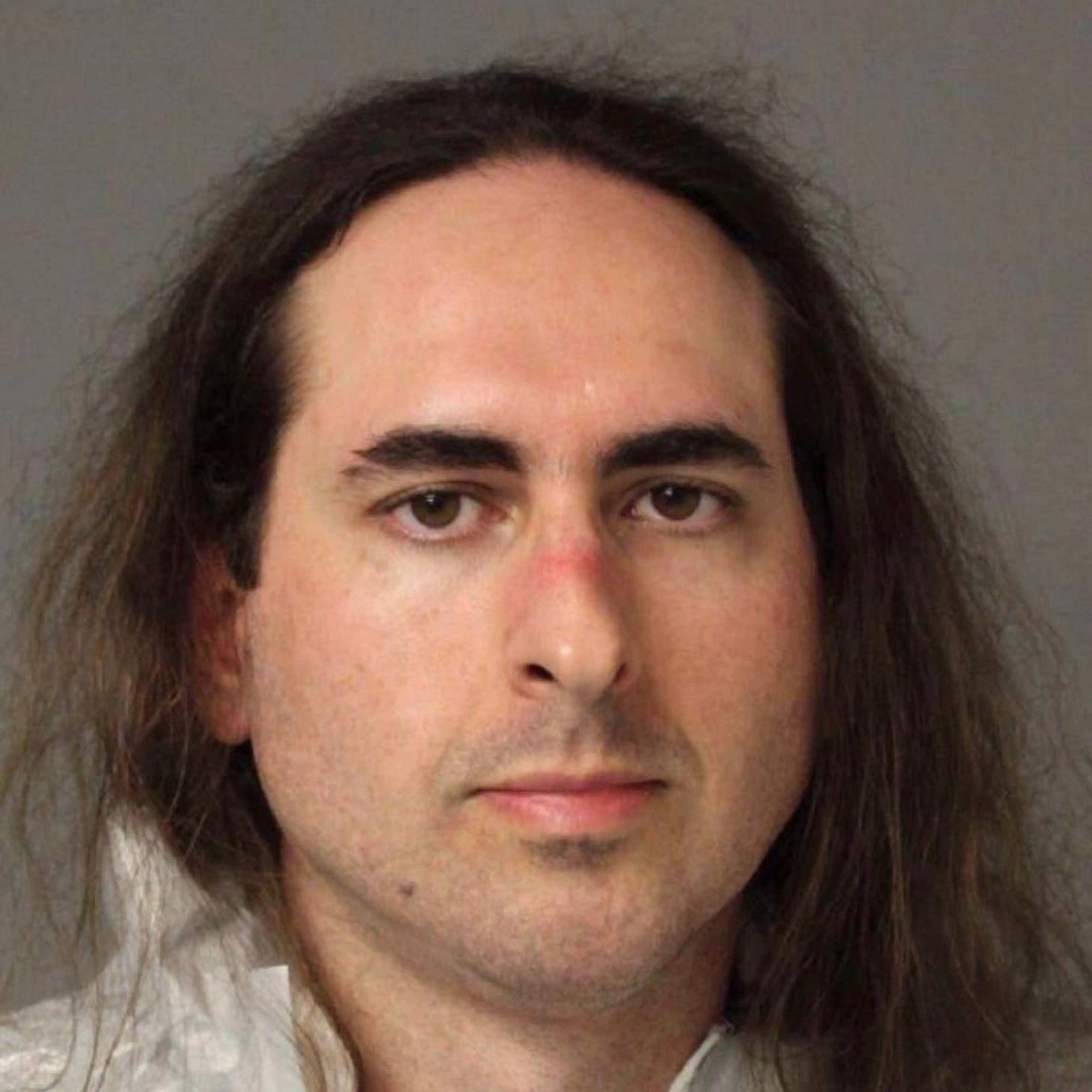
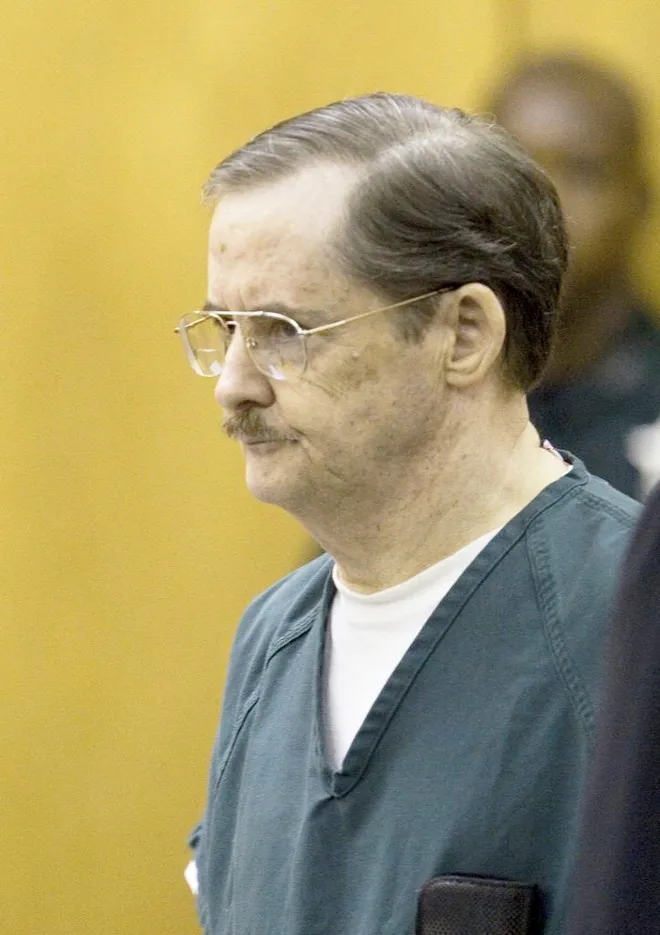
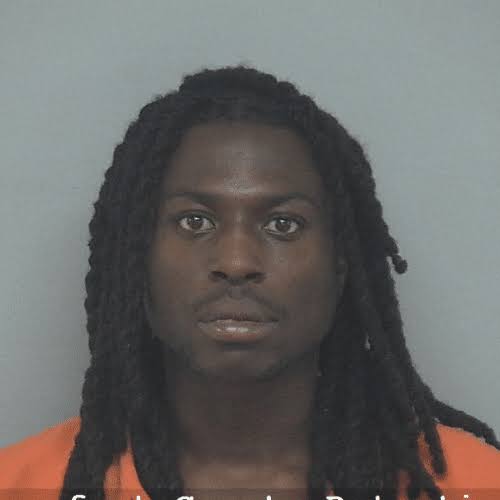
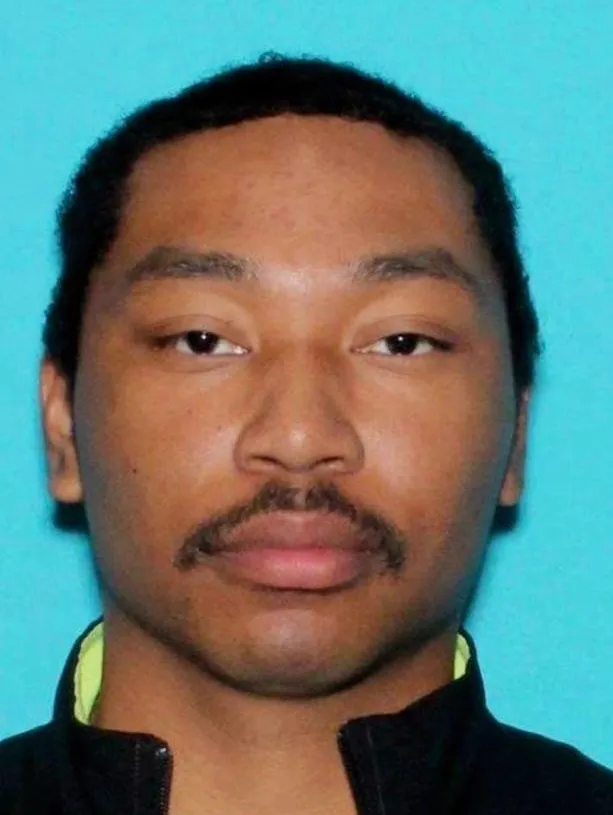
George Anthony Davis / William George Davis and the Texas Hospital Murders
Identification of the Offender
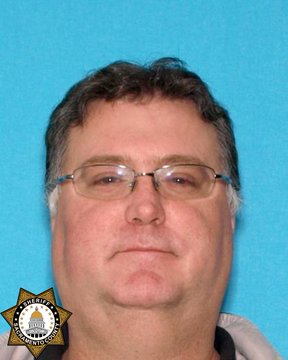
Reliable court and news records identify the convicted murderer in this case as William George Davis, rather than George Anthony Davis. Davis was a registered nurse who worked in the cardiovascular intensive care unit at CHRISTUS Trinity Mother Frances Hospital in Tyler, Texas. Between 2017 and January 2018, several patients recovering from heart surgery suffered sudden and medically inexplicable neurological emergencies while under the hospital’s care.
Davis was later accused of deliberately introducing air into the arterial lines of vulnerable patients. The air traveled through their circulatory systems and entered their brains, causing catastrophic injuries. Four men whose cases were presented during his capital-murder trial either died soon after the attacks or never recovered from the severe neurological damage inflicted upon them.
The Hospital Attacks
The victims had undergone cardiac procedures and were recovering in the cardiovascular intensive care unit. They were connected to monitoring equipment and arterial lines that allowed medical personnel to check their blood pressure and administer treatment. Prosecutors argued that Davis exploited his access as a nurse to inject air through those lines when other hospital employees were not watching.
The attacks did not resemble ordinary postoperative complications. Patients who had appeared stable suddenly developed seizures, collapsed or became unresponsive. Medical imaging revealed unusual pockets of air inside blood vessels in their brains. Physicians testified that the findings were extraordinarily rare and were not reasonably explained by the patients’ surgeries or normal medical treatment.
Investigators reviewed staffing records, electronic medical information and hospital surveillance recordings. Davis repeatedly appeared near the affected patients shortly before their conditions suddenly deteriorated. Video evidence showed him entering or leaving patient rooms during critical periods, even when he had no clearly documented medical reason to be there.
Convicted Victims
- John Lafferty — Lafferty was attacked in 2017 while recovering from heart surgery at CHRISTUS Trinity Mother Frances Hospital in Tyler, Texas. He suffered a sudden neurological crisis after air entered his arterial system. Prosecutors established his death as one of the four murders committed by Davis.
- Ronald Clark — Clark was a cardiac patient at the Tyler hospital in 2017. He unexpectedly suffered seizures and devastating brain damage while Davis was working in the cardiovascular intensive care unit. Clark died after the unexplained medical emergency and was later identified as one of Davis’s murder victims.
- Christopher Greenaway — Greenaway was recovering from heart surgery in Tyler, Texas, during 2017 when his condition abruptly collapsed. Medical evidence indicated that air had been intentionally introduced into his arterial line. His death became one of the capital-murder cases prosecuted against Davis.
- Joseph Kalina — Kalina was attacked in January 2018 at CHRISTUS Trinity Mother Frances Hospital in Tyler. He survived the immediate crisis but sustained catastrophic and permanent brain damage. Kalina remained severely impaired until his death in 2020. Prosecutors successfully argued that the injuries inflicted by Davis caused his death.
Additional Deaths Presented by Prosecutors
During the punishment phase of Davis’s trial, prosecutors presented evidence concerning additional patients who experienced similar unexplained emergencies. Davis was not tried for these deaths as separate murder counts, but the prosecution argued that they demonstrated a continuing pattern of intentional attacks against patients under his care.
- Perry Frank — Frank was a patient at the Tyler hospital whose sudden deterioration was cited as another suspected attack connected to Davis.
- James Blanks — Blanks suffered an unexpected medical crisis under circumstances prosecutors believed were consistent with the deliberate introduction of air into an arterial line.
- James Sanders — Sanders was identified during sentencing as another patient whose death prosecutors attributed to Davis’s conduct.
Evidence involving five additional surviving patients was also presented. These patients experienced serious neurological emergencies but did not die. The prosecution maintained that their cases showed that Davis had attacked at least eleven patients, seven of whom eventually died.
Discovery of the Pattern
Hospital physicians became increasingly alarmed as patients developed nearly identical and highly unusual complications. Brain scans showed air in cerebral blood vessels, a finding that doctors testified should not have appeared after the procedures the patients had received. The concentration of these incidents within one hospital unit caused administrators and medical personnel to suspect that the emergencies were not accidental.
The hospital began examining employee assignments and surveillance footage. Davis emerged as a common presence during the episodes. Investigators found that he had been inside or near patient rooms shortly before alarms sounded or patients began convulsing. In several instances, the patients had been recovering normally before Davis approached them.
Davis was removed from patient care and dismissed from the hospital. The suspicious cases were referred to law enforcement and the Texas Board of Nursing. Authorities later obtained an arrest warrant after medical experts concluded that the patients’ injuries were consistent with intentional air injections rather than ordinary surgical complications.
Arrest and Criminal Charges
Davis was arrested in April 2018 and held in the Smith County Jail. Prosecutors charged him with capital murder in connection with the deaths of John Lafferty, Ronald Clark, Christopher Greenaway and Joseph Kalina. The state alleged that the four murders were committed as part of the same criminal scheme or course of conduct.
Davis pleaded not guilty. His defense attorneys argued that the hospital was attempting to blame him for medical complications it could not otherwise explain. They emphasized that no witness had directly observed Davis inject air and contended that the prosecution’s case depended heavily on circumstantial evidence.
Prosecutors responded that the combination of medical findings, staffing records and surveillance recordings excluded reasonable accidental explanations. Expert witnesses described the visible air in the victims’ brains as evidence of deliberate interference with their arterial lines. The state also demonstrated that Davis had repeated access to each patient during the narrow periods in which the attacks occurred.
The 2021 Capital-Murder Trial
Davis’s trial began in September 2021 in Smith County, Texas. Jurors heard testimony from doctors, nurses, investigators, medical specialists and relatives of the victims. The prosecution reconstructed the patients’ final hours and showed how each man’s condition changed after Davis entered or approached his hospital room.
Medical experts explained that air entering an artery can travel directly to the brain. Once there, the bubbles can block blood flow, deprive brain tissue of oxygen and cause strokes, seizures, permanent disability or death. The experts testified that the amount and location of air found in the victims could not reasonably be attributed to routine medical procedures.
The defense maintained that Davis had become a convenient target after the hospital recognized a cluster of unexplained incidents. His attorneys argued that being present near the patients did not establish that he had harmed them. They also questioned whether the medical evidence could conclusively prove when or how the air entered the victims’ bodies.
On October 19, 2021, the jury found Davis guilty of capital murder. The verdict established that he had intentionally caused the deaths of the four named patients while working as a nurse entrusted with their care.
Motive and Jail Recording
Prosecutors argued that Davis enjoyed creating emergencies and receiving attention when hospital personnel rushed to save the patients. They portrayed him as someone who deliberately transformed routine postoperative recoveries into medical catastrophes.
During the punishment phase, jurors heard a recorded jail telephone conversation between Davis and his former wife. In the conversation, Davis suggested that he had wanted patients to remain in intensive care longer so that he could receive additional work or overtime. Prosecutors argued that the statement amounted to an acknowledgment that he had intentionally prolonged patients’ hospitalizations, although they maintained that his conduct went far beyond an effort to obtain extra work.
The state contended that Davis repeatedly selected defenseless patients because their medical conditions made the attacks difficult to recognize. A sudden decline following heart surgery could initially appear to be a natural complication, allowing the offender to conceal deliberate violence within a medical environment.
Death Sentence
During sentencing, relatives described the physical suffering, grief and lasting emotional damage caused by the attacks. Families had entrusted the hospital and its nurses to protect their loved ones during recovery. Instead, prosecutors said, Davis used his professional access to turn lifesaving equipment into a murder weapon.
On October 27, 2021, the Smith County jury sentenced William George Davis to death. The jury concluded that he presented a continuing danger and that there were not enough mitigating circumstances to justify a sentence of life imprisonment without parole.
Davis was transferred to the Texas Department of Criminal Justice and placed on death row. As in other Texas death-penalty cases, his conviction and sentence became subject to mandatory appellate review. He continued to deny responsibility through his defense, despite the jury’s verdict and the extensive medical and circumstantial evidence presented against him.
Significance of the Case
The Davis murders were especially disturbing because they occurred inside a hospital, where patients were unconscious, physically weakened and dependent on medical professionals for survival. His position gave him access to arterial lines and allowed him to approach victims without immediately drawing suspicion.
The case also demonstrated the difficulty of detecting homicide when violence is disguised as a medical complication. No conventional weapon was recovered, and the injuries initially appeared during complicated postoperative recoveries. The pattern became visible only after physicians recognized the repeated presence of air in patients’ brains and investigators compared the incidents with Davis’s movements and work assignments.
Although Davis was convicted of four murders, prosecutors alleged that the true number of victims was greater. The evidence presented during sentencing described seven deaths and five surviving patients, creating a suspected total of at least eleven attacks. The four legally established murder victims remain John Lafferty, Ronald Clark, Christopher Greenaway and Joseph Kalina.