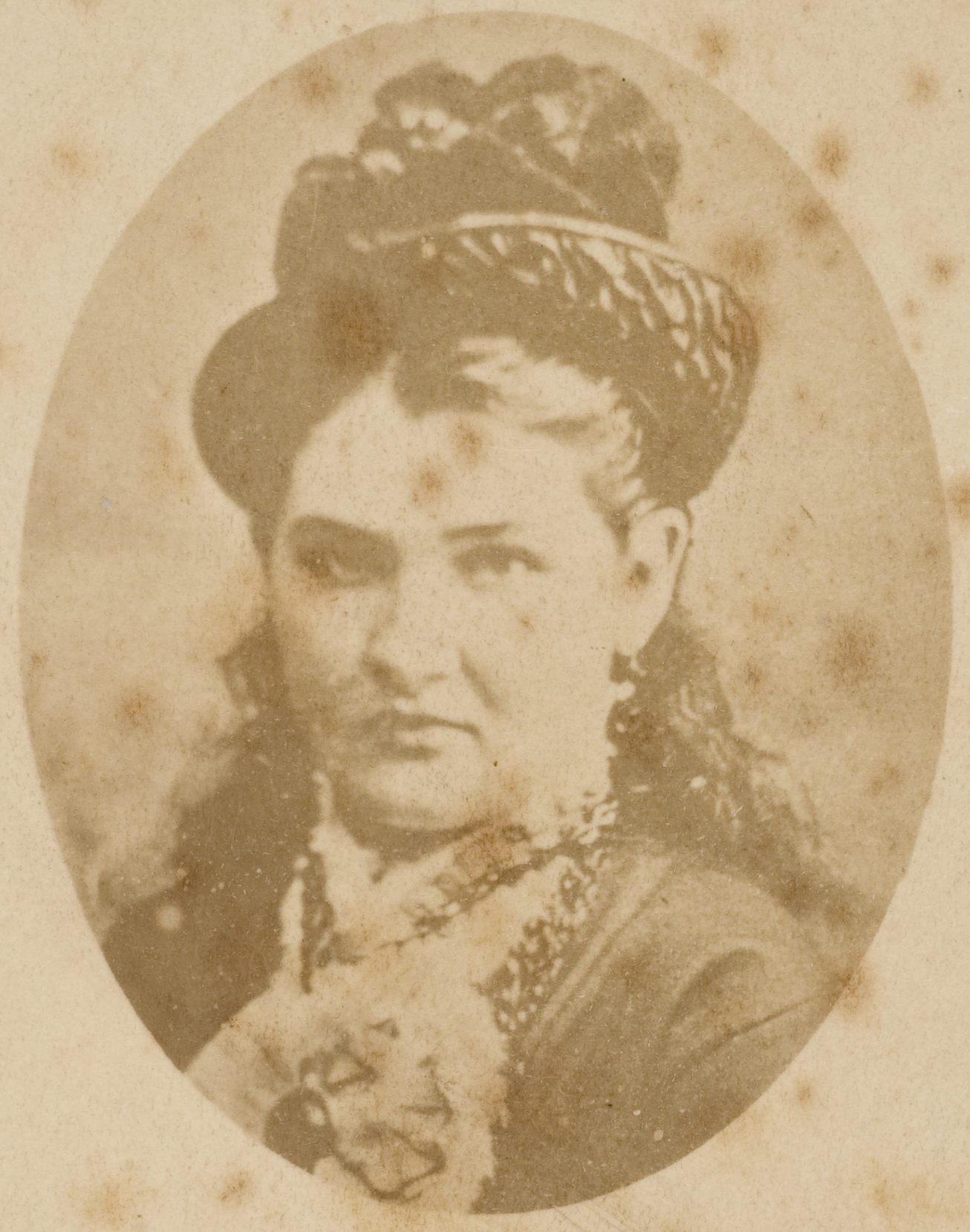
Kate Kelly and the Kelly Family Murders
Overview
Kate Kelly was an alleged American serial killer who operated with her husband, William Kelly, and their two children, Bill and Kit Kelly, during the final months of 1887. The family lived in an isolated and largely lawless region commonly called No Man's Land, an unsettled strip of territory that later became part of the Oklahoma Panhandle. Near the small community of Oak City, the Kellys maintained a ranch and roadside tavern where cattlemen, merchants, salesmen and other travelers could obtain food or spend the night.
Kate was not described as a lone murderer. She was accused of participating in a family operation that reportedly robbed and killed travelers between approximately August and December 1887. Eleven bodies were ultimately associated with the property. William Kelly later allegedly confessed that all four members of the family were involved and that their victims consisted of nine men and two women.
The Kelly Family
The family consisted of William Kelly, who was approximately 55 years old; his wife, Kate Kelly; their 20-year-old son, Bill, sometimes called Billy; and their 18-year-old daughter, Kit. William reportedly said that the family had originally lived in the mountains of Pennsylvania before moving west in 1869. They traveled through communities near the southern Kansas border before settling in the remote frontier country near Oak City.
The Kellys initially raised cattle and appeared to be an ordinary, hardworking frontier family. Their property stood near a road used by people traveling through the sparsely populated region. Because settlements were widely separated and law enforcement was limited, travelers often depended on isolated ranches and taverns for meals, directions, shelter and protection. The Kellys were therefore in an ideal position to observe passing strangers, determine whether they carried money or valuable merchandise and attack them without attracting immediate attention.
The Murder Operation
According to accounts of the case, the Kelly residence contained a concealed trapdoor leading into a cellar beneath the house. Travelers who entered the building could allegedly be dropped through the opening or attacked after being separated from their companions. Some descriptions state that victims fell into the cellar before being beaten or killed. Others were apparently struck with an axe or another blunt instrument.
Robbery was believed to have been the primary motive. The victims were often travelers who carried cash, watches, horses, trade goods or business samples. After killing them, the family allegedly took their property and concealed their bodies beneath the house or in shallow graves around the barn and stable. The remoteness of the location allowed disappearances to go unnoticed for weeks or months. A traveler might be expected to remain away from home for an extended period, and communication between distant communities was slow.
Kate's precise role in individual killings was never conclusively established in court because she died before she could be arrested or tried. William's reported confession, however, placed responsibility on every member of the household. Bill also reportedly declared that Kit was as guilty as the others when she began pleading for mercy after their capture. These statements contributed to the belief that Kate helped lure, rob, restrain, kill or conceal the family's victims.
Discovery of the Bodies
In early December 1887, the Kelly family abruptly abandoned the property. Their disappearance caused suspicion because they reportedly left without notifying neighbors or acquaintances. A traveler from St. Louis named S. T. Gregg, who had previously visited the tavern, stopped at the deserted residence to investigate.
Gregg noticed a powerful odor coming from beneath the house. After locating the hidden cellar, he discovered the badly decomposed bodies of three men. He quickly notified other people in the area, and a search party arrived to examine the property. One group was reportedly led by a cowboy known only as Texy.
Searchers noticed disturbed soil near the barn. Digging revealed a body whose skull had been crushed, apparently with an axe. Continued excavation around the barn and stable uncovered additional remains. A total of eleven bodies was eventually reported, including those of nine men and two women. A rusty axe bearing what appeared to be human tissue was also discovered and was believed to have been used in at least some of the murders.
Known and Unidentified Victims
The victims were killed between approximately August and December 1887 near the Kelly property in the Oak City area of No Man's Land. Exact death dates were not preserved in available historical accounts. Because most of the bodies were badly decomposed, only a small number were identified with any confidence.
- Jim Coven — A cattleman who conducted business in the region and in Texas. His body was reportedly identified through his clothing or personal effects. He was believed to have been killed at the Kelly property between August and December 1887 near Oak City in No Man's Land. An exact date of death is unavailable.
- J. T. Taylor — A wealthy traveling salesman, commonly described in period language as a drummer, from Chicago, Illinois. He had disappeared while traveling through the frontier region. His remains were reportedly recognized through clothing or possessions. He was killed between August and December 1887 near Oak City. No reliable exact death date has been established.
- Johnson — A merchant from Texas whose first name was not consistently recorded. He was one of the few victims reportedly identified after the graves were opened. He was believed to have died between August and December 1887 at or near the Kelly property. His precise date of death is unknown.
- Unidentified male victim — One of three decomposed men discovered in the cellar beneath the Kelly residence in December 1887. His name and exact date of death remain unknown.
- Unidentified male victim — Another man found in the concealed cellar. He was believed to have been a traveler killed during the family's 1887 crime spree.
- Unidentified male victim — A man found buried near the barn with a fractured or crushed skull. Evidence suggested that he had been struck with an axe. His death occurred sometime between August and December 1887.
- Unidentified male victims — Additional men were found in graves around the stable and barn. Their advanced decomposition prevented identification, and no exact death dates were recorded.
- Two unidentified female victims — The remains of two women were reportedly found among the eleven bodies. Their names, backgrounds and precise dates of death were never established. They were believed to have been killed between August and December 1887 near Oak City.
The Flight from No Man's Land
After the bodies were uncovered, witnesses reported that the Kelly family had recently passed through Beaver while traveling toward New Mexico. They possessed several horses and appeared to be carrying an unusual amount of money and property. Their sudden wealth strengthened suspicions that they had robbed the people found buried at their ranch.
A posse of approximately twenty men was organized to pursue them. The searchers followed the family's trail toward Palo Duro Creek and then in the direction of Wheeler, Texas. The chase reportedly continued for nearly two hours across the rough frontier landscape.
Kate Kelly's Death
During the pursuit on January 4, 1888, Kate Kelly's horse stumbled or fell. Kate was thrown violently to the ground and suffered a broken neck. She reportedly died at the scene and was left behind while the posse continued after William, Bill and Kit.
Some period accounts offered a different version, claiming that Kate and her daughter were shot during a confrontation. The most frequently repeated narrative states that Kate died after falling from her horse. Because there was no formal inquest or trial and newspaper reports sometimes contradicted one another, the exact circumstances cannot be established with complete certainty.
The Capture of Bill and Kit
Approximately half an hour after Kate's fall, the posse overtook Bill and Kit Kelly. William managed to escape temporarily. Kit reportedly begged the vigilantes to spare her, but Bill angrily accused her of being just as responsible for the murders as he was.
The posse prepared two ropes and placed them over a tree limb. Moments before the execution, Kit allegedly whispered to her brother and asked whether they should reveal everything they knew. Bill refused and challenged the men to discover the truth for themselves. Both siblings were then hanged without a trial.
William Kelly's Confession
William continued fleeing on horseback, but his trail was distinctive because his horse was reportedly shod only on its front hooves. The posse followed the marks and eventually caught him. After a brief exchange of gunfire, William surrendered.
William initially denied murdering anyone. According to later accounts, the vigilantes placed a rope around his neck and briefly hanged him before lowering him to the ground and demanding a confession. Fearing another hanging, he allegedly admitted that the Kelly family had murdered and robbed nine men and two women.
William reportedly said that every member of the family, including Kate, was equally involved. He also revealed where some of the stolen money or property had been hidden. Items linked to the victims, including a watch associated with J. T. Taylor, were reportedly found among the family's possessions. After the confession, William was hanged from a tree and left to die.
No Trial or Formal Convictions
Kate Kelly and the other members of her family were never convicted in a court of law. Kate died during the chase, while William, Bill and Kit were executed by vigilantes. No surviving family member faced questioning under controlled legal conditions, and no defense attorneys, judges or juries examined the evidence.
The absence of a trial means that many details remain uncertain. Investigators did not possess modern methods for identifying decomposed remains, determining precise times of death or connecting physical evidence to individual suspects. Most information came from newspaper stories, statements attributed to posse members and William's alleged confession after he had been threatened and partially hanged.
Questions About the Historical Account
The Kelly family's story closely resembles the earlier crimes attributed to the Bloody Benders of Kansas, another family accused of operating a roadside lodging house where travelers were murdered and robbed. The similarities have caused some historians to question whether portions of the Kelly narrative were exaggerated, confused with the Bender case or sensationalized by newspapers seeking dramatic frontier stories.
Reports disagree about the exact location of the property, the methods used to kill the victims and the circumstances surrounding the deaths of the Kelly family. Some accounts identify only J. T. Taylor, while later retellings also name Jim Coven and a Texas merchant called Johnson. The absence of surviving court records or detailed official investigations makes it difficult to separate established facts from legend.
Legacy
Kate Kelly is remembered as one member of an alleged family of frontier serial killers rather than as an independently documented murderer. The Kellys were accused of exploiting the isolation and vulnerability of travelers who entered their roadside home expecting hospitality. Their property became a burial ground in which eleven bodies were reportedly discovered.
The case also illustrates the danger of vigilante justice in frontier communities. Although the evidence found at the ranch strongly suggested that multiple murders had occurred, Kate and her relatives were killed before their guilt could be tested in court. Their deaths prevented authorities from obtaining complete victim lists, locating additional evidence or determining which family member committed each killing.
Whether every dramatic detail is accurate or partly the product of nineteenth-century newspaper sensationalism, the central account remains disturbing. Eleven people reportedly disappeared while traveling through the Oak City region, and their bodies were found concealed beneath and around a remote family residence. Kate Kelly died on January 4, 1888, during the pursuit that brought the Kelly family's alleged murder operation to a violent end.