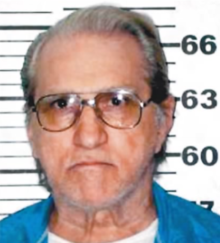
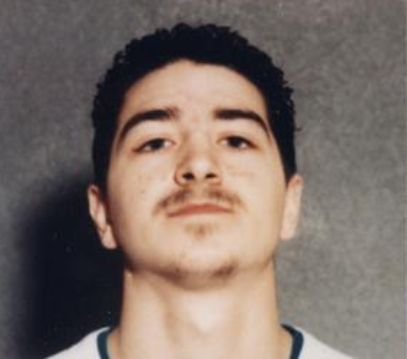
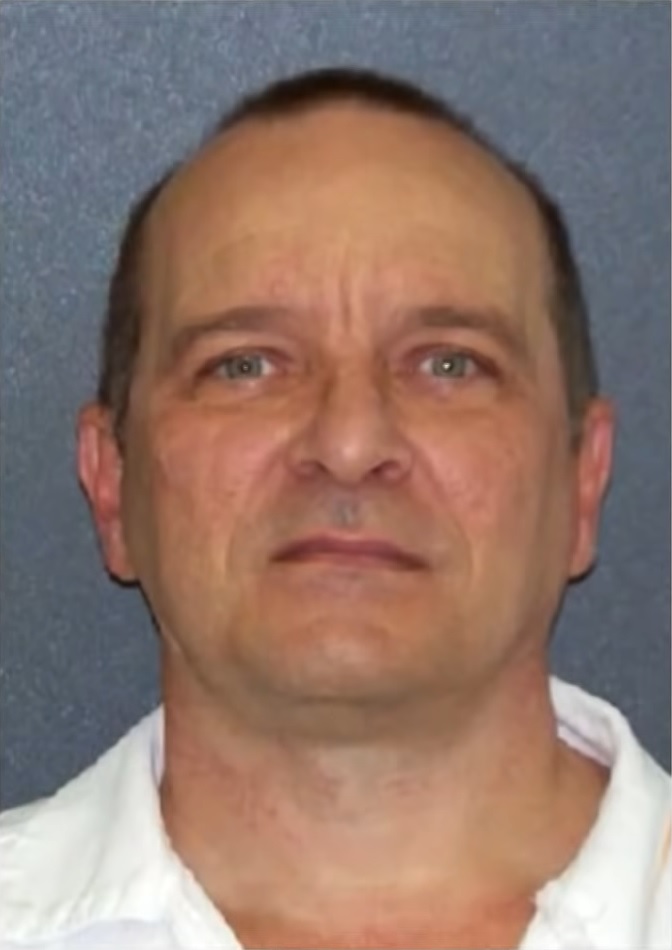
Michael Elijah Adams: The "Train Killer"
Overview
Michael Elijah Adams, often known by the nicknames "Dirty Mike" and "Crazy Mike," is an American convicted murderer and self-described serial killer who became notorious for crimes committed within the transient train-hopping community that operates along freight rail lines across the United States. Adams spent much of his life traveling by rail, living as a drifter, and associating with members of the Freight Train Riders Association (FTRA), a loose subculture of train hoppers and transients.
Adams gained national attention in 2016 after confessing to numerous murders committed over several decades. During interviews with investigators and journalists, he claimed responsibility for as many as sixteen killings involving fellow drifters, drug traffickers, and transients encountered while traveling America's railroads. Although only a small number of those killings have been formally solved, law enforcement agencies in several states investigated his admissions and considered him a suspect in additional unsolved homicides.
Early Life and Train-Hopping Lifestyle
Born in Michigan, Adams began riding freight trains as a teenager. By his own account, he left home at an early age and embraced a transient lifestyle that allowed him to travel throughout the United States. He later became involved with groups of train hoppers and drifters who moved along major rail corridors.
According to Adams, he spent years participating in criminal activity that included drug trafficking, theft, violence, and assaults committed within transient communities. During later interviews, he described a culture in which disputes were frequently settled through intimidation and violence. Investigators believe many of his alleged victims were individuals whose disappearances attracted little attention because they were homeless, transient, or estranged from their families.
Pattern of Violence
Authorities describe Adams as a highly violent offender who targeted vulnerable individuals living on the margins of society. Many of the murders he discussed allegedly occurred in isolated railroad camps, abandoned industrial areas, wooded regions near train tracks, and transient encampments. Because victims often lacked permanent residences and frequently traveled between states, many cases proved difficult to investigate.
Adams claimed that some killings occurred during disputes involving narcotics, stolen property, gang conflicts, or violations of informal rules among train hoppers. Investigators have stated that some details provided by Adams matched information known only to law enforcement, increasing interest in his claims.
The Murder of John Owens
The first murder that resulted in a conviction involved John Owens, a fellow train rider. Owens was killed in Placer County, California, in 2011. Investigators determined that Adams was responsible for Owens' death after evidence linked him to the crime.
The case led to Adams receiving a prison sentence of fifteen years to life. During his incarceration, authorities began examining statements he made concerning additional murders that had never been solved. His conviction for Owens' murder became the starting point for broader investigations into his activities throughout the United States.
The Murder of Robert Allen Chassereau
One of the most significant cases connected to Adams involved Robert Allen "Bobby" Chassereau, a fellow drifter whose body was discovered in Henrico County, Virginia.
Chassereau was killed in June 2006 near the ACCA rail yard area in Richmond. Investigators determined that Adams beat Chassereau to death with a wooden board during a violent confrontation. For years the murder remained unsolved. Eventually, Adams admitted responsibility and provided information that strengthened the case against him.
In 2016, Adams pleaded guilty to the murder of Chassereau and received a sentence of life imprisonment without parole. Prosecutors stated that the plea agreement ensured Adams would spend the remainder of his life in prison.
Additional Murder Confessions
Following his convictions, Adams made numerous statements claiming responsibility for additional killings committed while traveling across the country. During interviews, he stated that he had killed approximately sixteen people over a period spanning nearly three decades.
Many of the alleged victims were described as fellow drifters, train hoppers, drug dealers, and transients. Investigators in several jurisdictions reviewed cold cases after Adams' admissions. However, because many victims were never formally identified and physical evidence had often disappeared over time, prosecutors were unable to bring charges in most of the cases.
Authorities publicly stated that Adams was considered a suspect in multiple unsolved homicides and that his confessions continued to be evaluated.
Known and Identified Victims
- Robert Allen "Bobby" Chassereau
- Date of murder: June 2006
- Location: Near the ACCA rail yard, Henrico County, Virginia
- Cause of death: Blunt-force trauma
- Details: Chassereau was beaten to death during a confrontation at a drifter camp.
- Outcome: Adams pleaded guilty to the murder in 2016.
- John Owens
- Date of murder: 2011
- Location: Placer County, California
- Cause of death: Homicide
- Details: Owens was a fellow train rider killed by Adams.
- Outcome: Adams was convicted and sentenced to prison.
- Edward Northington
- Status: Suspected victim
- Location: Associated with investigations involving train-hopping communities
- Details: Investigators examined possible links between Northington's death and Adams' activities.
- Outcome: No conviction obtained.
Investigation
Investigators became increasingly interested in Adams after discovering that details from some of his confessions matched known facts from unsolved cases. Law enforcement agencies in California, Virginia, and other states reviewed missing-person and homicide investigations involving railroad corridors and transient camps.
Detectives noted that Adams had traveled extensively throughout the country, giving him access to numerous jurisdictions. This mobility complicated efforts to establish timelines and connect victims to specific crimes. In many instances, the passage of time and lack of physical evidence limited the possibility of prosecution.
Trial and Sentencing
Adams' murder conviction in California for the death of John Owens led to a sentence of fifteen years to life. Later, his guilty plea in Virginia for the murder of Robert Chassereau resulted in an additional life sentence without parole.
Prosecutors stated that the plea agreement in the Virginia case ensured Adams would never be released from prison. Although authorities continued evaluating his claims regarding additional murders, no further homicide convictions were obtained.
Legacy
Michael Elijah Adams remains one of the most unusual serial murder suspects in modern American criminal history. Unlike many serial killers who targeted victims within a specific city or region, Adams operated within a transient railroad culture that stretched across the country. His confessions to numerous killings drew national attention and prompted renewed investigation into unsolved deaths involving drifters and train hoppers.
While only two murders have resulted in convictions, investigators continue to believe that Adams may possess information about additional homicides committed along America's rail networks. Adams has bragged in interviews that he has killed at least 16 people over 30 years. His case highlights the difficulties involved in investigating crimes committed against transient populations, where victims often disappear without immediate notice and evidence can vanish long before authorities identify a suspect.