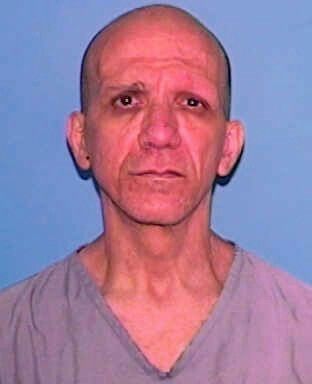
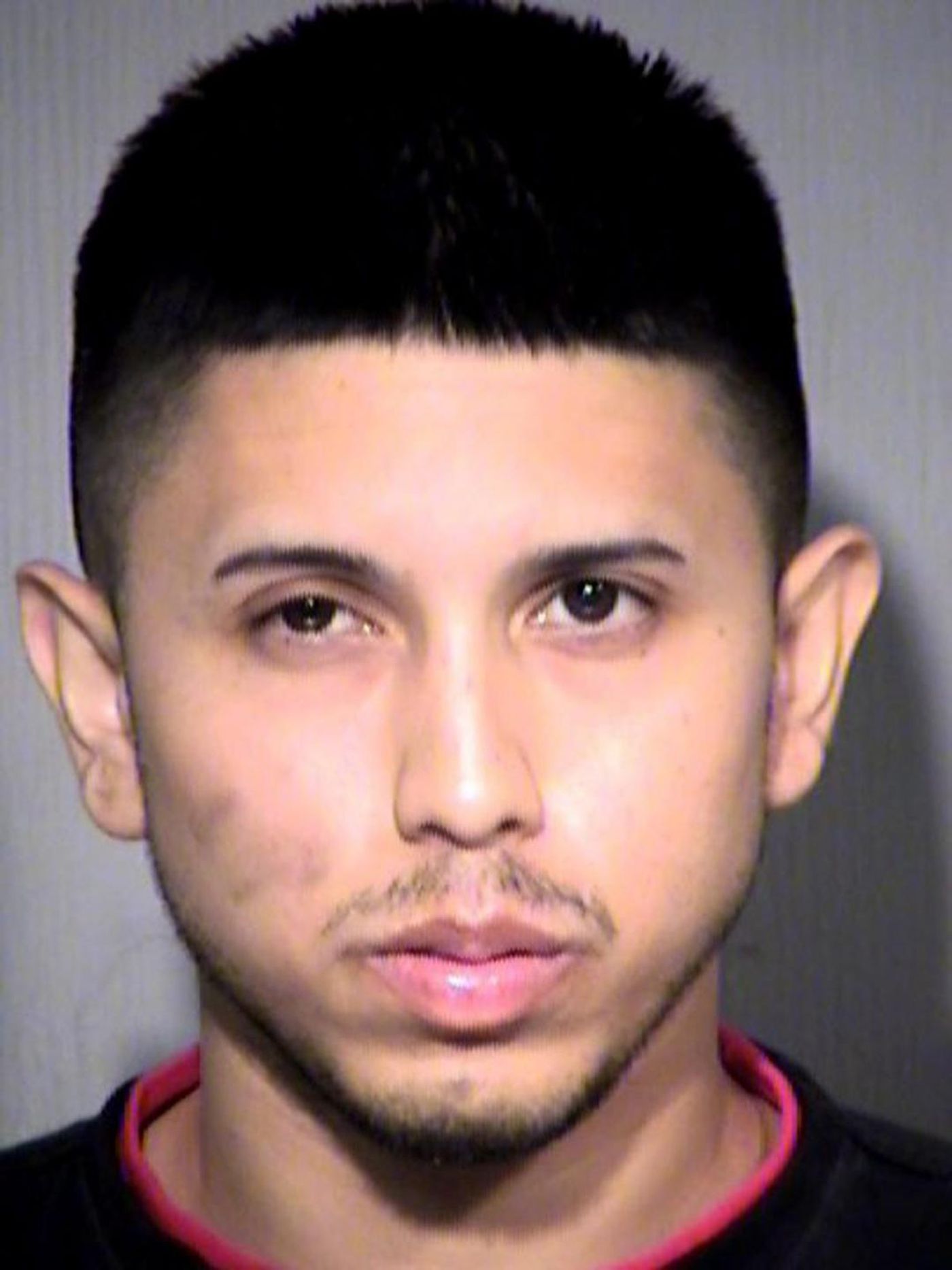
Francisco del Junco: The Miami Serial Killer Who Beat and Burned His Victims
Overview
Francisco del Junco was a Cuban-born American serial killer convicted of murdering four women in Miami, Florida, between August 1995 and March 1996. His victims were vulnerable women living in or frequenting areas affected by prostitution, homelessness and crack cocaine addiction. Del Junco approached the women with promises of drugs, money or sexual encounters before taking them to isolated locations where he attacked them.
The four women were killed by severe blows to the head, reportedly inflicted with a metal pipe or another heavy blunt object. Afterward, del Junco poured gasoline over portions of their bodies and set them on fire. The burning appears to have been intended to destroy evidence and make identification more difficult. The repeated combination of blunt-force injuries, partial nudity and fire eventually convinced investigators that the deaths were connected.
Early Life and Mental-Health History
Francisco del Junco was born in Cuba on August 3, 1957. Accounts of his upbringing describe a troubled childhood marked by social rejection, epilepsy and serious psychological difficulties. He reportedly began taking medication for epilepsy when he was approximately three years old. As he grew older, he became increasingly withdrawn and fearful of other people.
Del Junco later described hearing voices and experiencing disturbing visions beginning during his teenage years. He claimed that some of these visions involved priestess-like figures and black magic. He became paranoid and believed that people were attempting to harm or kill him. Although these claims later became important during legal arguments concerning his mental condition, they did not absolve him of responsibility for the four murders.
In 1980, del Junco traveled from Cuba to the United States during the Mariel boatlift and settled in Miami. He lived near relatives and supported himself through a succession of ordinary jobs. At the time of his arrest, he worked as a dishwasher at Dan Marino's American Sports Bar and Grill in Miami's Coconut Grove neighborhood. Coworkers reportedly regarded him as dependable and generally pleasant, although he remained quiet and socially distant.
Del Junco received psychiatric treatment and was admitted to the Miami Mental Health Clinic in 1987, 1988 and 1992. He also accumulated arrests for offenses that reportedly included burglary, theft, loitering and assaulting a police officer. Before the murders began, he stopped attending psychiatric appointments. Despite his documented problems, an earlier evaluation had not classified him as an immediate danger to society.
The Beginning of the Murders
The series began during the summer of 1995 in Miami's Allapattah area. The neighborhood contained warehouses, railroad property, abandoned buildings and other secluded locations where an attacker could operate without immediately attracting attention. Del Junco selected women whose circumstances made them particularly vulnerable and whose disappearances might not receive an immediate police response.
The victims shared several characteristics. Each was a Black woman between the ages of 37 and 44. Reports described them as women who struggled with crack cocaine addiction and were involved in prostitution or survived on the streets. Del Junco reportedly offered drugs or a paid sexual encounter and persuaded the women to accompany him to isolated places. Once a victim had turned away from him or was otherwise unable to defend herself, he struck her repeatedly in the head.
Del Junco then used gasoline to burn the upper portions of the victims' bodies. Although the fires caused extensive damage, investigators were eventually able to establish that the women had suffered fatal blunt-force injuries before being burned. The similarities among the crime scenes became too distinct to dismiss as coincidence.
Confirmed Victims
- Vida Hicks, 43 – August 18, 1995 – Allapattah, Miami, Florida: Hicks was the first confirmed victim. She was found near the produce and warehouse district in the vicinity of Northwest 29th Street. Her body had been beaten and set on fire. Because of the location and the fire damage, the death was initially difficult to interpret. A medical examination revealed serious blunt-force injuries to her head, establishing that she had been murdered. Hicks was originally from North Carolina and was reported to have four children living there.
- Diane Nelms, 44 – 1995 – Allapattah, Miami, Florida: Nelms was found a short distance from the location where Hicks had been discovered. Published accounts differ regarding the precise day and month of her death, but place the killing during the latter part of 1995. Her skull had been crushed with a heavy object, and her body was badly burned. The fire damage made immediate visual identification impossible, requiring investigators to use identifying records, including dental information. The similarity to the Hicks murder strengthened suspicions that one offender was responsible for both deaths.
- Cheryl Lee Ray, 37 – January 7, 1996 – City of Miami Cemetery, Miami, Florida: Ray was found beaten and burned in the historic cemetery. Some later retellings have given a different January discovery date, but January 7, 1996, is recorded as her date of death. Her body showed the same pattern seen in the earlier cases: extensive blunt-force trauma followed by an attempt to burn the remains. A witness reportedly saw Ray with a man before her death, allowing investigators to develop information about the possible killer's appearance.
- Janice Cox, 37 – March 1996 – Abandoned gas-station property near Northwest 29th Street and Fifth Avenue, Miami, Florida: Cox was the fourth and final confirmed victim. Her exact date of death is not consistently reported in publicly available accounts, but her murder occurred in March 1996. She was found partially unclothed, lying face down, with evidence that she had been beaten and burned. Investigators recovered a valuable shoe impression at or near the scene. The pattern later helped connect del Junco's combat-style boots to the crime.
The Investigation
Miami police formed a special investigative effort as the number of similarly murdered women increased. Detectives interviewed hundreds of people, including residents, homeless individuals, sex workers and people involved in the local drug trade. More than 500 interviews were reportedly conducted during the investigation.
Investigators initially focused considerable attention on a man known only by the nickname “Dread,” a reference to his dreadlocked hairstyle. Detectives believed that he might have killed one of the women or possessed important information about the crimes. The investigation of Dread continued until del Junco's confession provided details that redirected the case. Authorities ultimately believed Dread may have witnessed activity connected to one of the murders rather than committed the four killings.
A major break came from a homeless woman whom del Junco had previously attacked. Months before the first confirmed murder, she had reportedly rejected his attempt to persuade her to accompany him. Del Junco responded by striking her in the head. She survived the assault and remembered him.
When the woman later saw del Junco again on a Miami street, she flagged down a patrol officer and identified him as her attacker. Police stopped del Junco on June 3, 1996. He was traveling by bicycle and reportedly possessed a container of gasoline and wooden matches—items that immediately appeared significant because fire had been used in all four murders.
Physical Evidence
Investigators searched del Junco's property and examined his clothing and footwear. The combat-style boots associated with him matched the size and tread pattern of an impression recovered during the murder investigation, particularly evidence connected with the scene where Janice Cox was found. This physical link strengthened the case and gave detectives a basis for questioning him about the entire series.
The gasoline and matches in his possession were not sufficient by themselves to prove murder, but they corresponded closely with the method used to burn the victims. When considered alongside the surviving woman's identification, the boot impression and del Junco's familiarity with the neighborhoods where the women had been found, investigators regarded him as a strong suspect.
Interrogation and Confession
Detectives did not obtain an immediate confession through aggressive questioning. Instead, they spent an extended period speaking with del Junco about his childhood, his mother, his life in Cuba, his fears and his mental-health problems. Investigators learned that some of his happiest memories involved being at the beach with his mother.
During the interrogation, officers took him to Key Biscayne, where the oceanfront surroundings reminded him of Cuba. While speaking with detectives near Biscayne Bay, del Junco began discussing the killings. He eventually confessed to murdering all four women.
Del Junco provided information that investigators believed only the killer could have known. He described how he approached the victims, how he gained their cooperation and how he attacked them after getting them into vulnerable positions. He reportedly admitted using a metal pipe or similar blunt weapon to strike the women in the head. He then described pouring gasoline over their bodies and setting them on fire.
After confessing, del Junco accompanied police to the locations connected with the murders. He reenacted or demonstrated how the attacks had occurred and pointed out details of the scenes. His descriptions corresponded with evidence that had not been publicly disclosed. The confession also helped investigators determine that the earlier person of interest known as Dread was not responsible for the series.
Possible Motive
Del Junco's motive was complicated by his severe psychiatric history. He reportedly told investigators that he heard the voice of a priestess who mocked him, called him useless and urged him to kill. According to his account, he believed that murdering Vida Hicks would silence the voice. When the hallucinations continued, he killed again.
Reports concerning his confession indicate that he contemplated committing an even more mutilating murder in the future. He allegedly planned to decapitate another victim because he believed doing so might finally free him from the voices. His arrest in June 1996 prevented another known attack from taking place.
All four confirmed victims were Black women, leading investigators to examine whether race played a role in his selection of victims. Del Junco denied that the murders were racially motivated. The available evidence instead suggested that he targeted women whom he considered easy to approach and overpower because of their struggles with addiction, homelessness or prostitution.
Competency Proceedings and Delayed Trial
Del Junco's mental condition became a central issue after his arrest. Doctors and attorneys examined whether he understood the charges and whether he was capable of assisting in his defense. The legal proceedings were delayed for several years as questions about his competency and psychiatric state were addressed.
His history included epilepsy, hallucinations, paranoia, psychiatric hospitalization and long-term emotional instability. The court eventually concluded that his mental illness made him ineligible for execution. That decision removed the death penalty as a possible sentence, but it did not prevent prosecutors from holding him criminally responsible for the murders.
Conviction and Sentencing
Francisco del Junco was convicted of four counts of first-degree murder. In June 2003, he received four life sentences for the killings of Vida Hicks, Diane Nelms, Cheryl Lee Ray and Janice Cox. The sentences ensured that he would remain imprisoned for the rest of his life without the possibility of parole.
The convictions formally closed a case that had frightened Miami residents and challenged investigators for months. Del Junco's detailed confession, the surviving assault victim's identification, the gasoline and matches found at the time of his arrest, the matching boot impression and his knowledge of undisclosed crime-scene details created a powerful body of evidence against him.
Legacy of the Case
The del Junco murders demonstrated how a serial offender could exploit people living on the margins of society. His victims faced addiction, financial hardship and unstable living conditions, but those circumstances did not lessen the importance of their lives or the brutality of their deaths. The initial difficulty in connecting the killings also illustrated the investigative obstacles that arise when victims lack stable housing or have limited contact with relatives and authorities.
Vida Hicks, Diane Nelms, Cheryl Lee Ray and Janice Cox were not anonymous figures in a crime pattern. They were four individual women whose lives ended through calculated violence. Del Junco deliberately approached them, gained their trust through promises of drugs or money, attacked them when they were defenseless and attempted to destroy evidence by fire.
His arrest on June 3, 1996, ended an approximately eight-month series of murders. Although mental illness played a substantial role in the legal proceedings and the removal of the death penalty, the court ultimately held Francisco del Junco responsible for all four killings. His four life sentences reflected the separate life taken in each murder and ensured that he could not target another vulnerable woman.