Steven Dean Gordon: The Orange County Serial Murders
Background
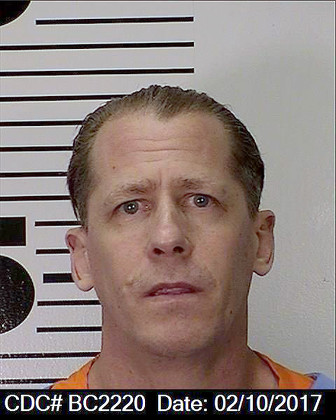
Steven Dean Gordon is an American serial killer and registered sex offender convicted of murdering four women in Orange County, California, between October 2013 and March 2014. Gordon committed the crimes with Franc Cano, another registered sex offender. At the time of the killings, the two men were transients who stayed behind a paint and body shop in Anaheim. Both had been subject to electronic monitoring, making the case especially disturbing because location information from GPS devices eventually became an important part of the investigation. Gordon had a serious criminal history before the murders, including a 1992 conviction involving a lewd act on a child under 14 and a 2002 kidnapping conviction.
The Pattern of Crimes
Gordon and Cano targeted vulnerable women in Santa Ana and Anaheim, including women involved in street-level sex work. Prosecutors established that the victims were kidnapped from the streets and transported to the Anaheim paint and body shop where Gordon and Cano were staying. The women were sexually assaulted and murdered there. Gordon was ultimately convicted of personally kidnapping and murdering all four women. The crimes took place over a period of slightly more than five months, with three victims killed during the fall of 2013 and the fourth killed in March 2014.
The murder dates listed below are the dates established by Orange County prosecutors in Gordon's criminal case. These are particularly important because the remains of three of the four victims have never been recovered.
Victims
- Kianna Jackson, age 20 — October 6, 2013 — Santa Ana and Anaheim, California: Jackson, who was from Las Vegas, was kidnapped by Gordon in Santa Ana on October 6, 2013. She was taken to the paint and body shop in Anaheim where Gordon and Cano were staying and was murdered there. Jackson had traveled to Santa Ana around the time of a scheduled court appearance. Her disappearance became especially alarming to her family when she abruptly stopped maintaining the regular telephone contact she had with her mother. Her body was never recovered.
- Josephine Monique Vargas, age 34 — October 24, 2013 — Santa Ana and Anaheim, California: Vargas was kidnapped from Santa Ana on October 24, 2013. Gordon transported her to the same Anaheim paint and body shop used in the other crimes, where she was murdered. Vargas was a Santa Ana resident and had family in the area. After she vanished, her case was investigated as a missing-person case before detectives eventually connected her disappearance to Gordon and Cano. Her remains have never been found.
- Martha Elizabeth Anaya, age 28 — November 12, 2013 — Santa Ana and Anaheim, California: Anaya was kidnapped in Santa Ana on November 12, 2013 and taken to the Anaheim paint and body shop. Prosecutors established that she was murdered there that same day. Anaya was a mother, and relatives began searching for her after she suddenly disappeared and stopped communicating with them. Her body was never recovered, leaving her family without the opportunity to bury her. Her November 12 disappearance was later conclusively connected to Gordon through the murder investigation and criminal prosecution.
- Jarrae Nykkole Estepp, age 21 — March 13, 2014 — West and East Anaheim, California: Estepp was kidnapped from west Anaheim on March 13, 2014 and taken to the paint and body shop, where she was murdered. Unlike the other three victims, Estepp's body was recovered. On the morning of March 14, 2014, workers discovered her remains among refuse on a conveyor belt at a recycling facility in east Anaheim. Investigators determined that her body had entered the waste stream after being discarded. The discovery of Estepp became the crucial break that eventually connected Gordon and Cano to all four murders.
The GPS Evidence and Investigation
The investigation became notable because Gordon and Cano had been under supervision as registered sex offenders and had worn GPS monitoring devices. After Estepp's body was discovered on March 14, 2014, Anaheim detectives examined the movements of monitored sex offenders who had been in the areas connected to her disappearance and disposal. GPS information placed Cano near important locations associated with Estepp. Investigators then expanded their examination to telephone records, location information and the disappearances of Jackson, Vargas and Anaya. The patterns increasingly pointed toward Gordon and Cano.
The technology helped investigators reconstruct movements that would have been difficult to establish through eyewitness testimony alone. Detectives compared GPS records with information from the victims' cell phones and the locations where the women were last known to be alive. Gordon was eventually identified as Cano's partner in the killings. The connection also showed that the four cases, which initially appeared to be separate missing-person and homicide investigations, were part of the same series of crimes.
Arrest and Criminal Charges
Gordon and Cano were arrested in Anaheim on April 11, 2014. Gordon was 45 years old at the time. On April 14, prosecutors announced charges that included four counts of special-circumstances murder. Gordon and Cano were later indicted by an Orange County grand jury on October 2, 2014. The prosecution argued that the murders involved kidnapping, multiple victims and a deliberate pattern of selecting vulnerable women.
Evidence presented during the case included electronic location records, cellphone information and Gordon's own statements. Gordon acknowledged substantial involvement in the crimes, although at various points he attempted to portray Cano as the person primarily responsible for physically killing the women. The prosecution rejected Gordon's attempts to minimize his responsibility, emphasizing his participation in selecting victims, kidnapping them, transporting them to the Anaheim location and disposing of evidence and bodies.
Trial and Conviction
Gordon eventually chose to represent himself during his 2016 murder trial in Orange County Superior Court. On December 15, 2016, a jury found him guilty of four felony counts of special-circumstances murder, with sentencing findings involving kidnapping and multiple murders. The convictions legally established his responsibility for the deaths of Kianna Jackson, Josephine Vargas, Martha Anaya and Jarrae Estepp.
The penalty phase followed immediately. On December 21, 2016, the jury recommended that Gordon receive the death penalty. On February 3, 2017, an Orange County Superior Court judge formally sentenced him to death. Family members of the victims addressed the court and described the lasting damage caused by the murders, including the pain of families whose daughters' bodies had never been recovered.
The Unrecovered Victims
One of the most troubling aspects of the case is that only Estepp's remains were recovered. Despite extensive investigation, the bodies of Jackson, Vargas and Anaya were never found. Investigators believed the victims had been disposed of through commercial trash collection, making recovery extraordinarily difficult once refuse had been transported to large landfills. Their absence also meant that much of the prosecution had to rely on circumstantial, technological and testimonial evidence rather than physical remains.
Significance of the Case
The Gordon case became a striking example of how digital location evidence can expose a serial murder pattern. The very monitoring systems intended to supervise convicted sex offenders helped investigators connect Gordon and Cano to locations associated with their victims. The case also raised serious questions about offender supervision because the two men were able to associate with each other and commit repeated violent crimes despite restrictions and electronic monitoring.
Ultimately, Steven Dean Gordon was held legally responsible for four murders committed between October 6, 2013 and March 13, 2014. The discovery of Jarrae Estepp's body transformed what had appeared to be several unrelated disappearances into a coordinated investigation, allowing detectives to identify a series of kidnappings and killings that had taken place across Santa Ana and Anaheim. For the families of Kianna Jackson, Josephine Vargas and Martha Anaya, however, the case remains marked by the additional loss of never having recovered their loved ones' remains.