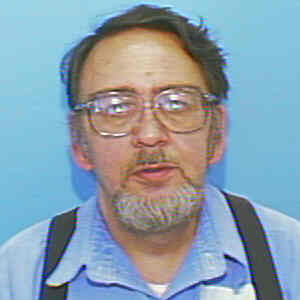
William George Davis: The Texas Hospital Serial Killer
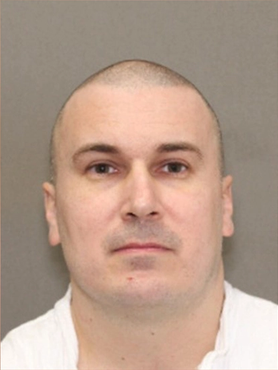
William George Davis is an American former registered nurse who was convicted of capital murder for deliberately killing patients while working in the cardiovascular intensive care unit at Christus Trinity Mother Frances Hospital in Tyler, Texas. Rather than attacking strangers in a setting where violence would immediately attract attention, Davis exploited an environment in which sudden medical emergencies were expected to occur. His victims were recovering from serious medical procedures and had placed their lives in the hands of the hospital staff assigned to care for them.
The crimes for which Davis was convicted involved introducing large quantities of air into arterial lines connected to patients who had undergone heart or vascular surgery. The air traveled through their circulatory systems and into their brains, producing catastrophic neurological injuries. Patients who had been awake, responsive, and recovering normally suddenly experienced dramatic medical crises resembling massive strokes. The unusual pattern of brain damage eventually caused physicians and investigators to conclude that the incidents were not ordinary surgical complications.
William George Davis and His Nursing Career
William George Davis was born on February 3, 1984, in Texas. He became a registered nurse and worked in the cardiovascular intensive care unit at Christus Mother Frances Hospital in Tyler. His position gave him access to critically ill patients, medications, syringes, arterial lines, and other medical equipment. It also allowed him to move through patient rooms without immediately appearing suspicious.
An arterial line is a catheter inserted directly into an artery, commonly through the wrist, so medical personnel can continuously monitor a patient's blood pressure and obtain blood samples. Because the catheter provides direct access to the arterial circulation, deliberately forcing a substantial amount of air through it can cause an arterial air embolism. Air reaching the brain can interrupt blood flow and cause strokes, severe brain damage, unconsciousness, and death.
A Pattern of Unexplained Medical Emergencies
During 2017 and January 2018, patients recovering in the cardiovascular intensive care unit began suffering sudden and extraordinary neurological emergencies. Several had successfully completed surgery and appeared to be progressing normally before unexpectedly becoming critically ill during overnight hours.
Doctors initially struggled to explain what had happened. Imaging of several patients revealed unusual amounts or patterns of air inside the brain. Such findings were difficult to reconcile with otherwise successful surgeries and normal postoperative recoveries. The similarities between cases became increasingly alarming.
Investigators later presented evidence that Davis repeatedly appeared near patients shortly before their conditions deteriorated. In some instances he was temporarily watching a patient for another nurse; in others, he was not responsible for the patient at all. The prosecution argued that this access allowed Davis to manipulate arterial lines without attracting immediate suspicion.
Convicted Murder Victims
Davis was prosecuted for the deaths of four patients. Some early indictments identified the date on which Davis allegedly introduced air into a patient's arterial system rather than the victim's eventual date of death. The death dates below distinguish those events where the available evidence shows that the victim survived for a period after the initial attack.
- John Lafferty — died June 25, 2017, Tyler, Texas. Lafferty underwent heart surgery at Christus Mother Frances Hospital on June 16, 2017. Testimony indicated that the operation went well and that there was no evidence he suffered neurological damage during the procedure. While recovering in the cardiovascular ICU, however, Lafferty suddenly developed severe complications. Davis temporarily assumed responsibility for watching him when his assigned nurse stepped away. Lafferty suffered devastating neurological injuries and died on June 25, nine days after his surgery.
- Ronald Clark — age 68 — died July 27, 2017, Tyler, Texas. Clark underwent vascular surgery on July 25, 2017 to improve blood flow to his legs. His surgeon described the operation as routine and successful, and Clark was awake and communicating following the procedure. Shortly after midnight on July 26, his condition unexpectedly deteriorated. He suffered catastrophic neurological damage and was declared brain dead. Medical testimony established that Clark was pronounced dead after midnight on July 27, 2017.
- Christopher Greenaway — age 47 — died August 6, 2017, Tyler, Texas. Greenaway was admitted to the Tyler heart hospital on August 2 and underwent coronary artery bypass surgery on August 3. He was neurologically intact afterward, breathing on his own and recovering normally. During the early morning hours of August 4, Greenaway's assigned nurse left briefly to get food and asked Davis to watch his patients. Greenaway suddenly experienced a profound neurological emergency while the nurse was away. A CT scan revealed a significant amount of air in his brain. He was ultimately declared brain dead and died on August 6, 2017.
- Joseph Kalina — died August 2, 2020, San Antonio, Texas. Kalina was 58 when he underwent heart bypass surgery in Tyler in January 2018. During the early morning of January 25, surveillance footage showed Davis entering Kalina's room even though Kalina was not his assigned patient. Davis was seen entering with what appeared to be a syringe and leaving about a minute later. Within minutes, Kalina's vital signs changed dramatically and he suffered catastrophic neurological injuries. Kalina survived the original attack but was left profoundly disabled. He died on August 2, 2020, at age 60. His death resulted in the earlier aggravated-assault allegation against Davis being incorporated into the capital-murder prosecution.
Other Deaths Presented During Sentencing
The four men above were the victims whose cases formed the basis of Davis's capital-murder conviction. Prosecutors argued during the punishment phase, however, that his actions extended beyond those four cases. Evidence was presented concerning three additional patients whom prosecutors believed Davis had deliberately killed.
- James Blanks — died January 7, 2017, Texas. Blanks underwent heart surgery on January 5 and suffered a major medical event the following day. A medical expert who reviewed the case testified during Davis's sentencing that air had intentionally been introduced into Blanks's venous system and that the resulting embolism caused his death. This death was presented as an additional offense during the punishment phase rather than one of the four murders charged in the capital case.
- James Sanders — died in June 2017, Tyler, Texas. Sanders experienced a dramatic and otherwise unexplained collapse while hospitalized. His blood glucose reportedly plunged to an extremely dangerous level. During sentencing, a medical expert testified that Sanders had been intentionally given insulin and concluded that the insulin administration caused his death. Prosecutors attributed the incident to Davis, although Sanders's death was not one of the four murders on which the capital conviction was based.
- Perry Frank — age 61 — died June 22, 2017, Tyler, Texas. Frank, a former Grapeland High School band director and Navy veteran, underwent heart surgery and initially appeared to be recovering. He suddenly became unresponsive during the overnight hours and died on June 22. During Davis's sentencing hearing, medical testimony attributed Frank's death to air intentionally introduced into his venous system. Prosecutors presented Frank as another suspected murder victim of Davis.
Patients Who Survived Serious Injuries
The investigation was not limited to fatalities. Several patients experienced nearly identical sudden neurological catastrophes but survived. Evidence involving Gary Parker, James Wages, Rickie Glenn, Pamela Henderson, and Jesus Serrano was introduced during various stages of the investigation and trial. Some suffered permanent or severe neurological disabilities.
Pamela Henderson, for example, had undergone heart surgery and was recovering when she suddenly deteriorated. Her assigned nurse rushed into the room and found Davis already at Henderson's bedside. Imaging later showed air in her brain. Henderson survived but suffered lasting problems involving mobility and vision.
Evidence concerning Jesus Serrano was particularly significant to prosecutors. According to the Texas Court of Criminal Appeals' description of the trial evidence, while Serrano was experiencing his medical crisis, Davis instructed another caregiver to remove a syringe he had attached to Serrano's arterial line before the surgeon arrived. Prosecutors argued that incidents such as these demonstrated a deliberate pattern rather than accidental complications.
The Joseph Kalina Surveillance Video
The Kalina case became one of the most important pieces of the investigation because hospital surveillance cameras captured Davis's movements. Kalina had undergone surgery on January 24, 2018 and was recovering in the cardiovascular ICU. Shortly after 1:00 a.m. on January 25, Davis was recorded entering Kalina's room despite not being assigned to care for him.
Davis remained inside for approximately one minute. Within minutes of his departure, Kalina's heart rate fell and his blood pressure rose dangerously. Nurses rushed to the room while Davis remained farther down the hallway. Kalina subsequently displayed the same unusual type of neurological injury that investigators had seen in other patients.
When questioned about why he had entered Kalina's room, Davis gave explanations that hospital officials and investigators found inconsistent with the available evidence. The incident intensified suspicions that someone was deliberately harming patients.
The Investigation and Arrest
Hospital officials contacted law enforcement after recognizing the disturbing pattern of unexplained neurological events. Physicians, radiologists, investigators, and other medical experts began reviewing the cases. They concluded that air had been deliberately introduced into the circulatory systems of multiple patients.
The investigation also examined staffing records and Davis's presence during the incidents. Authorities found that he was working during the unusual medical emergencies under investigation. Just as importantly, the unexplained pattern stopped after Davis was removed from patient care.
Davis was taken out of clinical duties in January 2018 and subsequently lost his job. The Texas Board of Nursing suspended his nursing license. Tyler police arrested him in April 2018, initially in connection with Christopher Greenaway's death. Additional charges followed as investigators reconstructed other patients' cases.
The Capital Murder Trial
Davis's trial began in Smith County in September 2021. Prosecutors argued that the similarities among the victims could not reasonably be explained as coincidence. The patients had undergone successful procedures, were recovering appropriately, and then suffered sudden catastrophic neurological events. Medical specialists testified that their brain injuries showed a distinctive pattern consistent with air intentionally entering their arterial systems.
The prosecution also emphasized Davis's access to the victims and his proximity to them shortly before their medical emergencies. In Greenaway's case, Davis was watching the patient while the assigned nurse was away. In Lafferty's case, he temporarily assumed care when another nurse stepped out. Davis worked near Clark's room, while surveillance evidence placed him directly inside Kalina's room immediately before Kalina deteriorated.
Davis's defense maintained that he had not murdered the patients and argued that their underlying medical problems, strokes, complications, or failures in hospital care could account for their deterioration. The defense portrayed Davis as a convenient scapegoat for a series of unfortunate outcomes at the hospital.
The jury rejected that explanation. On October 19, 2021, Davis was found guilty of capital murder.
The Sentencing Phase
The punishment phase substantially broadened the picture presented to jurors. Prosecutors introduced evidence concerning additional deaths and injured patients and argued that the four charged murders represented only part of Davis's conduct.
Investigators also testified about Davis's electronic activity. Evidence recovered from his devices showed searches involving air bubbles and serial killers. Prosecutors used this evidence, together with testimony about the additional hospital incidents, to argue that Davis posed a continuing danger.
A jail telephone call to Davis's former wife also became significant evidence. In discussions about his work, Davis made statements indicating that he had sometimes tried to prolong patients' stays in the intensive care unit so that he could obtain additional work hours. Another portion of the evidence suggested that Davis had intentionally caused the death of an elderly female patient before the series of cardiovascular ICU incidents. That alleged earlier killing was not separately prosecuted as part of the capital case.
Death Sentence
On October 27, 2021, the Smith County jury chose the death penalty. Davis was formally sentenced to death for the capital murder offense. His sentence triggered the automatic appellate review required in Texas death-penalty cases.
On March 12, 2026, the Texas Court of Criminal Appeals unanimously affirmed Davis's conviction and death sentence. The court rejected the claims of reversible error raised in his direct appeal and concluded that the evidence was sufficient to sustain the judgment and the jury's finding concerning his future dangerousness.
A Serial Killer Hidden Inside a Hospital
The William George Davis case demonstrated why crimes committed by medical professionals can be exceptionally difficult to recognize. Critically ill patients may naturally suffer strokes, cardiac arrests, infections, respiratory failure, and other sudden complications. A killer operating in such an environment can attempt to disguise deliberate attacks as ordinary medical tragedies.
What ultimately exposed the pattern was the extraordinary similarity of the neurological injuries, the discovery of air in patients' brains, Davis's repeated presence around the victims, surveillance evidence, and the disappearance of the unexplained incidents once he was removed from patient care.
The jury concluded that these were not unfortunate coincidences. The prosecution established that Davis had turned medical equipment intended to monitor and protect vulnerable patients into a means of killing them. Four deaths led directly to his capital-murder conviction, while prosecutors presented evidence tying him to additional deaths and devastating injuries. His crimes remain one of the most notorious modern American cases involving a medical professional convicted of deliberately murdering patients entrusted to his care.