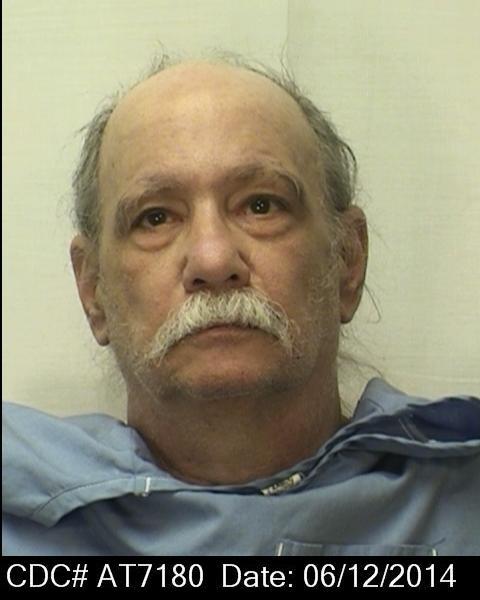
Scott Lee Kimball: Serial Killer, Con Man and FBI Informant
Background and Criminal History
Scott Lee Kimball, born September 21, 1966, in Boulder, Colorado, became known as one of the most manipulative serial killers in the modern history of the American West. A practiced con man, thief and forger, Kimball spent years deceiving relatives, romantic partners, business associates and law-enforcement officials. His confirmed murder victims included two women connected to men he met in prison, his teenage stepdaughter and his own uncle.
Long before he was exposed as a killer, Kimball established an extensive record of fraud, forgery, burglary and passing worthless checks. He frequently created false identities, forged documents and opened accounts using other people’s personal information. His ability to appear helpful and convincing allowed him to gain trust even while he was exploiting those around him.
While incarcerated on fraud-related charges, Kimball began offering information about other prisoners to the Federal Bureau of Investigation. He claimed to have knowledge of criminal plots involving inmates and persuaded federal authorities that he could assist with investigations after his release. In December 2002, he was released from custody to work as a paid FBI informant. Within weeks, people associated with him began disappearing.
The Murders
Kimball’s known killing period extended from January 2003 through September 2004. He selected victims whose relationships to prisoners, family problems or personal vulnerabilities made it easier for him to approach them. After the victims disappeared, Kimball attempted to confuse their relatives and investigators by inventing stories, using their property and creating the appearance that they were still alive.
In some instances, he sent messages or provided explanations suggesting that a missing person had voluntarily left town. He also used victims’ bank accounts, credit cards, vehicles or identifying information. These actions served two purposes: they allowed him to continue committing fraud, and they delayed recognition that the disappearances were connected homicides.
Confirmed Victims
- LeAnn Emry — January 29, 2003 — southeastern Utah: LeAnn Emry was 24 years old and lived in Colorado. She was the girlfriend of Steve Holley, an inmate Kimball had met while imprisoned. Kimball approached Emry after his release and persuaded her that he could help Holley. He took her on a trip to a remote area of Utah, later admitting that he shot and killed her. Kimball abandoned her vehicle near Moab and attempted to make it appear that she had traveled elsewhere voluntarily. Emry’s remains were recovered in March 2009 in the Book Cliffs region of southeastern Utah after Kimball directed investigators to the area.
- Jennifer Lynn Marcum — disappeared February 16, 2003 — Denver, Colorado: Jennifer Marcum was a 25-year-old mother who worked as an exotic dancer in the Denver area. Her boyfriend, Steve Ennis, was an inmate Kimball had known in prison. Kimball claimed he could employ Marcum and became closely involved in her life. She was last known to be at or near Denver International Airport on approximately February 16, 2003. Her automobile was later found abandoned in an airport parking area. Kimball eventually admitted responsibility for her murder, but he never provided reliable information that led authorities to her body. Because her remains have not been found, her precise date and location of death remain uncertain.
- Kaysi McLeod — August 23, 2003 — north-central Colorado: Kaysi McLeod was the 19-year-old daughter of Lori McLeod, whom Kimball married in 2003. Kaysi was working and attempting to rebuild her life after struggling with drug addiction. She disappeared on August 23, 2003, after being seen with Kimball near a motel. Kimball claimed that he would use his FBI connections to help find her, while privately possessing items connected to her disappearance, including her work schedule and personal belongings. A hunter discovered a human skull in the Routt National Forest in 2007. DNA testing identified the remains as Kaysi’s. Her remains were found in a remote area near Rabbit Ears Pass, north of Kremmling, Colorado.
- Terry Kimball — approximately September 1, 2004 — Colorado: Terry Kimball was Scott Kimball’s uncle and was about 60 years old when he disappeared. He had been living with Scott and Lori Kimball before suddenly vanishing in 2004. After Terry disappeared, Scott used his uncle’s financial accounts and property, behavior that drew suspicion from investigators and relatives. Kimball later acknowledged killing Terry and led authorities to a remote location near Vail Pass. Terry Kimball’s remains were recovered in June 2009. The exact circumstances and precise date of his death were never established publicly with complete certainty, but investigators placed the murder around the beginning of September 2004.
Manipulation of the FBI
One of the most disturbing aspects of the case was Kimball’s status as an FBI informant during much of his known killing period. He persuaded federal agents that he possessed valuable information concerning fellow inmates and possible criminal schemes. Authorities arranged for his release and paid him for information, even though much of what he supplied was exaggerated, misleading or entirely false.
Kimball used his connection to the FBI as a weapon of deception. He told victims and their relatives that he had federal contacts, could arrange jobs, could assist incarcerated loved ones or could obtain information unavailable to ordinary citizens. When Kaysi McLeod disappeared, he claimed that his law-enforcement connections would help locate her. In reality, those claims helped him direct suspicion away from himself.
The FBI’s handling of Kimball later came under intense criticism. Warning signs existed in his criminal history, and he was facing unresolved allegations involving violence against a former wife. Nevertheless, he was permitted to remain free as an informant. Three of his four confirmed victims were killed while he was formally cooperating with the bureau.
The Investigation Begins to Close In
Kimball was not initially arrested for murder. Investigators first made significant progress through his continuing financial crimes. He repeatedly used forged checks, false documents and stolen identities. Detective Gary Thatcher of the Lafayette Police Department closely examined Kimball’s fraudulent activities and noticed connections between the fraud and several missing people.
The discovery that Kimball had used property or financial information belonging to missing individuals became especially important. Investigators determined that his schemes were not separate from the disappearances. Instead, the fraud provided evidence that he had continued controlling victims’ possessions after they vanished.
Kimball fled Colorado as authorities intensified their investigation. On March 14, 2006, police arrested him in Riverside, California, following a pursuit. He was initially prosecuted for fraud, forgery and related offenses. Once he was in custody, investigators began assembling a broader case linking him to Emry, Marcum, McLeod and Terry Kimball.
Discovery of the Victims’ Remains
The recovery of Kaysi McLeod’s remains proved to be a major turning point. A hunter had discovered a skull in the Routt National Forest, and subsequent testing identified it as Kaysi’s. The remote location was associated with areas familiar to Kimball, strengthening the case against him.
Prosecutors later negotiated with Kimball in an effort to recover the other victims. In March 2009, he guided authorities to the area in Utah where LeAnn Emry had been left. Search teams located her remains in rugged terrain in the Book Cliffs region. In June 2009, investigators recovered Terry Kimball’s remains near Vail Pass after receiving information from Kimball.
Kimball claimed that he could also lead investigators to Jennifer Marcum, but searches based on his statements failed. His accounts changed repeatedly, and authorities concluded that he was continuing to manipulate the investigation. Marcum remains missing, although Kimball admitted that he caused her death.
Confession, Plea and Sentence
On October 8, 2009, Scott Lee Kimball pleaded guilty in Boulder County District Court to second-degree murder charges covering the deaths of LeAnn Emry, Jennifer Marcum, Kaysi McLeod and Terry Kimball. The plea agreement allowed him to avoid a possible first-degree murder trial and potential life sentences without parole while requiring him to provide information concerning the victims’ remains.
The court sentenced Kimball to 70 years in prison for the murders. That punishment was added to sentences he had already received for federal firearms and fraud offenses. The combined sentences made it unlikely that he would ever be released.
During interviews, Kimball admitted involvement in the four killings but frequently minimized his responsibility, altered details or claimed that events had not occurred as investigators believed. His refusal to provide a consistent and complete account left many questions unanswered, particularly regarding how each victim was killed and where Jennifer Marcum’s remains were hidden.
Possible Additional Victims
Investigators have examined Kimball as a possible suspect in other disappearances and unsolved deaths. He traveled extensively throughout Colorado, Utah, Alaska, Montana and other western states while committing fraud and conducting cattle-related business. His mobility, access to remote areas and ability to create false identities raised concerns that the four known victims might represent only part of his criminal activity.
Kimball reportedly made inconsistent claims about having killed additional people. At different times, he suggested that his victim count was far higher, but he often used dramatic statements to gain attention or bargaining power. Authorities have not publicly established evidence sufficient to charge him with additional murders.
Law-enforcement officials have reviewed missing-person cases and unidentified remains for possible connections to Kimball. However, investigators have treated his unsupported statements cautiously because deception was central to nearly every part of his life. He repeatedly mixed fragments of truth with false information, making it difficult to determine whether his claims concerned real victims or were another attempt to control investigators.
Legacy of the Case
The Scott Lee Kimball case exposed the danger of relying too heavily on a criminal informant without adequate supervision. Kimball exploited the credibility provided by his relationship with federal agents, presenting himself as someone capable of helping people when he was actually identifying opportunities for fraud, control and murder.
His victims were not merely names connected to an informant scandal. LeAnn Emry, Jennifer Marcum, Kaysi McLeod and Terry Kimball had families who spent years searching for answers. Their relatives confronted false stories, delayed investigations and the painful realization that Kimball had deliberately manipulated their hope.
Although Kimball received a lengthy sentence and admitted responsibility for four murders, the case remains incomplete. Jennifer Marcum’s body has never been recovered, the full circumstances of the killings remain uncertain and questions persist about whether Kimball had additional victims. His crimes demonstrate how deception, financial exploitation and calculated misuse of trust can conceal violence for years.