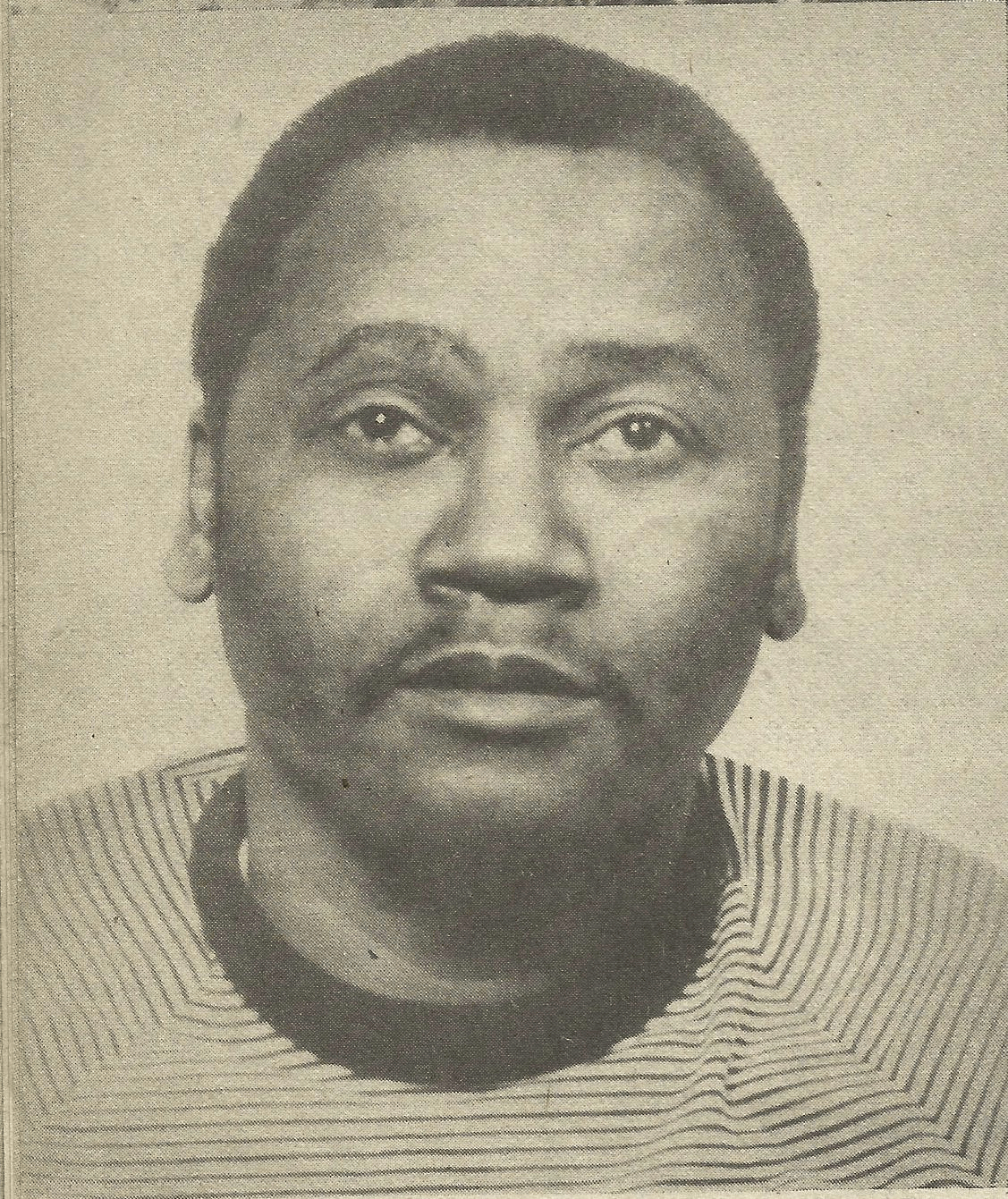
Jesse Harding Pomeroy: The Boston Boy Fiend
Early Life and Escalating Violence
Jesse Harding Pomeroy was born on November 29, 1859, in Charlestown, Massachusetts. He became one of the most notorious juvenile offenders in American history and was later widely known as the “Boston Boy Fiend.” His crimes were especially disturbing because they began when he was still a child and were directed almost entirely against younger children.
Pomeroy grew up in a troubled household. Contemporary accounts described his father as abusive and frequently intoxicated, although the precise effect of that environment on Pomeroy’s later behavior remains uncertain. He also had a visibly damaged right eye, which drew attention to his appearance and contributed to sensational descriptions of him in newspapers.
By approximately 1871, when he was only 11 years old, Pomeroy had begun luring young boys into secluded locations around Charlestown, Chelsea and South Boston. He commonly promised money, food, employment or an opportunity to see something interesting. Once isolated, the children were restrained, beaten and cut. Some were left tied inside abandoned buildings or near railroad tracks.
The Attacks on Young Boys
Between 1871 and 1872, Pomeroy committed a succession of assaults against boys generally ranging from four to ten years old. His attacks became increasingly deliberate. He selected children younger and physically smaller than himself, led them away from public view and carried materials that could be used to bind or injure them.
Among the identified survivors were seven-year-old Tracy Hayden, who was attacked near Powder Horn Hill in Chelsea on February 21, 1872, and eight-year-old Robert Maier, who was found injured in an abandoned outhouse on May 20, 1872. Johnny Balch was discovered bound and beaten in another isolated structure on July 22, 1872.
After the Pomeroy family moved to South Boston, the assaults continued. Seven-year-old George Pratt was found badly beaten on August 17, 1872. Seven-year-old Joseph Kennedy was attacked near the South Boston salt marshes on September 11, and five-year-old Robert Gould was discovered on September 17 tied near a railroad line after being beaten and cut.
Joseph Kennedy later recognized Pomeroy outside a police station and identified him as his attacker. Other surviving children also identified him. Pomeroy was arrested in September 1872 and confessed to several assaults. A juvenile court sentenced him to the State Reform School for Boys in Westborough, Massachusetts, for a term intended to last until he reached adulthood.
Early Release
Pomeroy’s mother repeatedly petitioned authorities for his release. Despite the seriousness and repeated nature of his attacks, he was paroled in January 1874 after serving less than two years. He returned to his family in South Boston, where his mother operated a dressmaking shop on Broadway Street and his older brother sold newspapers.
The decision to release him soon proved disastrous. Within weeks, two children disappeared or were murdered in circumstances that led investigators back to Pomeroy.
The Murder of Katie Curran
On March 18, 1874, ten-year-old Katherine Mary “Katie” Curran left her South Boston home to purchase a school notebook. She was last seen entering the Pomeroy family’s shop on Broadway Street. Katie did not return home, and her disappearance immediately alarmed relatives and neighbors who knew of Jesse Pomeroy’s history.
Although suspicions focused on Pomeroy, no body was initially found. An alternative report suggesting that Katie had been taken away in a carriage distracted attention from the shop, and the disappearance remained unresolved for several months.
Investigators later concluded that Pomeroy had lured Katie into the shop’s basement and killed her there. Her body was concealed beneath ashes and debris. Because the remains were not discovered until July, decomposition made reconstruction of every detail difficult, but the available evidence showed that she had suffered multiple knife wounds.
The Murder of Horace Millen
On April 22, 1874, four-year-old Horace Millen was taken to the marshes bordering Dorchester Bay in South Boston. Witnesses reported seeing a youth resembling Pomeroy walking toward the area with a much younger child.
Horace was killed in the marshland with a knife. His body bore numerous wounds, including severe injuries to his throat, chest and face. The brutality of the crime resembled Pomeroy’s earlier assaults but represented a fatal escalation from torture to murder.
Pomeroy came under immediate suspicion because of his criminal record and because witnesses had seen him with a small boy. Police questioned him and examined his clothing and boots. He was arrested on April 24, 1874, and charged in connection with Horace’s death.
Confirmed Murder Victims
- Katherine Mary “Katie” Curran, 10: Killed on March 18, 1874, inside or beneath the Pomeroy family’s dressmaking shop on Broadway Street in South Boston, Massachusetts. Her body was concealed in the basement under ashes and debris and was discovered on July 18, 1874.
- Horace H. Millen, 4: Killed on April 22, 1874, in the marshes near Dorchester Bay in South Boston, Massachusetts. He was stabbed repeatedly and left in an isolated area where his body was found shortly afterward.
Discovery of Katie Curran
While Pomeroy was being held for the murder of Horace Millen, his mother moved her business from the Broadway Street property. On July 18, 1874, workmen renovating the former shop noticed a strong odor and began searching the basement. Beneath a pile of ashes, stones and debris, they uncovered Katie Curran’s remains.
The location of the body directly connected Katie’s disappearance to the Pomeroy property. Police questioned Jesse again, and he confessed to killing her. He later altered or withdrew portions of his statements, a pattern he continued throughout his imprisonment, but the physical evidence and circumstances strongly supported his responsibility.
Trial and Conviction
Pomeroy was tried before the Massachusetts Supreme Judicial Court in Suffolk County in December 1874. Prosecutors presented evidence concerning both murders, his previous attacks on children, witness identifications and his statements to investigators.
On December 10, 1874, the jury found him guilty of first-degree murder. Because Pomeroy was only 14 years old, jurors added a recommendation for mercy. Nevertheless, the law required the court to impose a sentence of death by hanging.
His age produced an intense public and political debate. Some residents demanded execution because of the calculated and repetitive nature of his crimes. Others argued that executing a child would be morally indefensible. Massachusetts governors repeatedly declined to authorize a definite execution date while officials considered petitions for clemency.
Sentence Commuted to Life
In 1876, Governor Alexander H. Rice and the Massachusetts Executive Council commuted Pomeroy’s death sentence to life imprisonment in solitary confinement. The conditions imposed on him were exceptionally severe. He was kept apart from the general prison population at Charlestown State Prison and was allowed only limited contact with guards, clergy members and approved visitors.
Pomeroy spent approximately four decades under some form of solitary confinement, making his imprisonment one of the longest periods of isolation imposed on an American prisoner. He repeatedly petitioned for a pardon or improved conditions, arguing that his punishment had been excessive and that he had changed.
Escape Attempts and Prison Conduct
Pomeroy became known for repeated attempts to escape. He damaged locks, tampered with doors and secretly acquired or constructed tools. In one incident, he tried to dig through part of his cell. Prison officials regularly searched his quarters and strengthened security around him.
During his decades in custody, Pomeroy educated himself and reportedly learned several languages. He wrote poetry, studied law and prepared accounts of his life. He also communicated with journalists and reform advocates, sometimes portraying himself as rehabilitated and at other times denying or minimizing his responsibility for the murders.
His intelligence and persistence attracted supporters who believed that prolonged solitary confinement had become cruel. Critics maintained that his manipulative behavior, escape attempts and refusal to accept consistent responsibility demonstrated that continued confinement was necessary.
Later Years
In 1917, Massachusetts authorities relaxed the strict conditions of Pomeroy’s sentence and allowed him to associate with other prisoners. He initially resisted because he wanted a full pardon rather than a limited improvement in his treatment, but he eventually participated in ordinary prison activities.
As he grew older, his health deteriorated. In 1929, he was transferred from Charlestown State Prison to the State Farm facility at Bridgewater, Massachusetts. By then, he had spent more than half a century in state custody.
Jesse Harding Pomeroy died at Bridgewater on September 29, 1932, at the age of 72. He had been incarcerated for approximately 58 years, including his earlier confinement at the reform school.
Historical Significance
Pomeroy is generally described as the youngest person in Massachusetts history to be convicted of first-degree murder. Although some writers classify him as a serial killer because he committed two murders separated by time and preceded them with numerous similar attacks, his confirmed murder count remains two.
The case remains notable for the extreme youth of the offender, the systematic torture of children and the failure of the juvenile justice system to recognize the danger posed by his early release. Pomeroy’s crimes also influenced public debates about juvenile responsibility, capital punishment, rehabilitation and prolonged solitary confinement.
Behind the sensational nickname and historical notoriety were numerous children who suffered lasting injuries and two young victims whose lives were taken. Katie Curran and Horace Millen remain the confirmed murder victims at the center of the case.