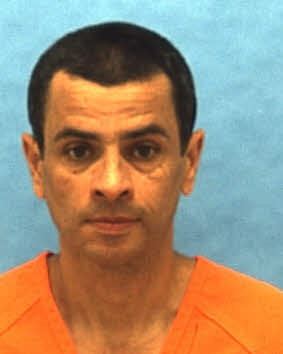
Jack Harold Jones Jr.: The Posthumously Confessed Killer
Overview
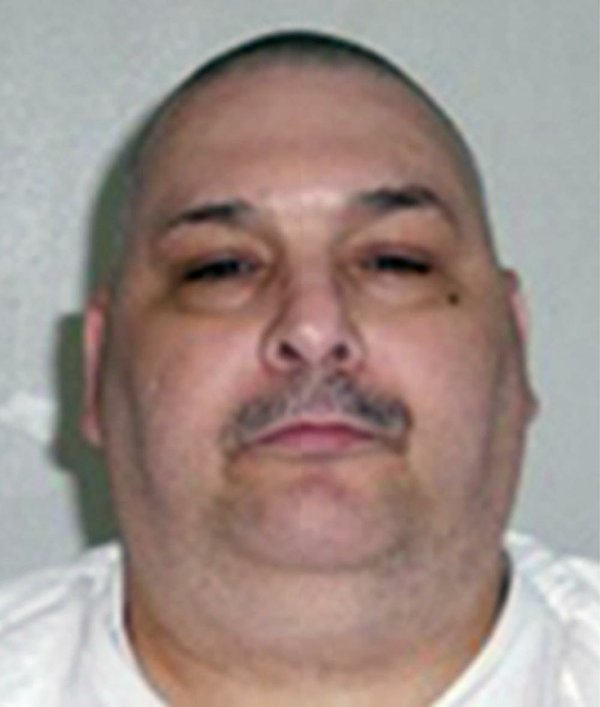
Jack Harold Jones Jr. was an American serial killer whose violent crimes spanned more than a decade across Florida and Arkansas. Convicted for the brutal 1995 rape and murder of Mary Phillips and the attempted murder of her young daughter, Jones was executed by the state of Arkansas in 2017. While on death row, DNA evidence linked him to the 1991 murder of Lorraine Anne Barrett in Florida, to which he pleaded guilty. After his execution, a posthumously opened letter revealed his confession to a third murder: the 1983 killing of Regina Harrison, a crime for which another man had been wrongfully convicted. Jones's case is a chilling reminder of the long shadow cast by serial offenders and the devastating fallibility of the justice system.
Early Life and Background
Jack Harold Jones Jr. was born on August 10, 1964, in Toledo, Ohio. His childhood was reportedly troubled. As a teenager, Jones was diagnosed with antisocial personality disorder and bipolar disorder. He struggled with substance abuse, using alcohol and drugs to self-medicate his mental health issues. His turbulent youth included two suicide attempts and involuntary admissions to psychiatric facilities. In early 1995, just months before his final and most brutal crime, Jones was again admitted to a mental hospital but was discharged after only six days. These early struggles with mental illness and instability foreshadowed the violence that would later define his life.
The Murder of Regina Harrison
On the evening of May 2, 1983, in Hollywood, Florida, 20-year-old college student Regina Harrison went for her customary bike ride in the North Beach neighborhood and never returned. Her nude body was later discovered by friends and family in a wooded area of West Lake Park. She had been strangled to death. Witnesses reported seeing Harrison riding with a skinny, long-haired man on a black bicycle, and a composite sketch was developed, but the case went cold.
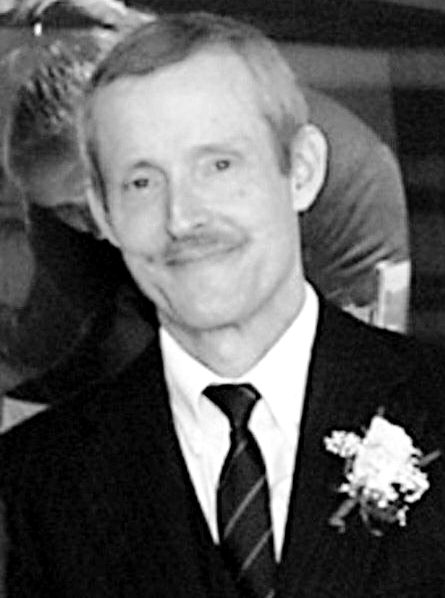
Years later, a detective investigating serial rapist Ronald Henry Stewart noticed a resemblance to the sketch. Under pressure and fearing a death sentence, Stewart, despite his fingerprints not matching those at the scene, entered a no-contest plea to Harrison's murder in January 1985. He was sentenced to 50 years in prison and died of cancer in 2008, still incarcerated for a crime he did not commit. The truth would not emerge for another decade after Jones's own death.
The Murder of Lorraine Anne Barrett
On June 1, 1991, the body of 32-year-old Lorraine Anne Barrett was found in her room at the Days Inn Lauderdale Surf Motel in Fort Lauderdale, Florida. Barrett, who was visiting from Western Pennsylvania, had been raped, beaten, and asphyxiated. Investigators learned she had been seen the previous night at the nearby Elbow Room Bar with a white male who had distinctive tattoos. Witnesses later saw her entering a motel elevator with the same man. A composite sketch was distributed, but like the Harrison case, the investigation stalled and the murder remained unsolved for over a decade.
The Murder of Mary Phillips
The crime that led to Jack Jones's capture occurred on June 6, 1995, in the small town of Bald Knob, Arkansas. Jones entered the Automated Tax and Accounting Service office where 34-year-old Mary Phillips worked as a bookkeeper. Her 11-year-old daughter, Lacey, was with her that afternoon.
Jones first came to the office asking to borrow a book, then returned claiming Mary had given him the wrong one. When she went to retrieve another, he pulled out a BB gun and announced a robbery. After taking money from the cash register, he forced both mother and daughter into a small break room. He took Lacey into an adjoining bathroom, tied her to a chair, and when she pleaded with him not to harm her mother, he chillingly replied, "I'm not. I'm going to hurt you." He then choked the young girl until she lost consciousness and brutally beat her head with the barrel of the gun, inflicting multiple skull fractures.
Believing Lacey was dead, Jones returned to her mother. He raped, bludgeoned, and strangled Mary Phillips, leaving her body with the cord from a coffee pot wrapped around her neck and her hands bound with wire.
The Victims
- Regina Harrison, 20 — A college student killed on May 2, 1983, in Hollywood, Florida, while on her nightly bicycle ride. Her case tragically led to the wrongful conviction of an innocent man.
- Lorraine Anne Barrett, 32 — A tourist from Pennsylvania who was murdered on June 1, 1991, in her Fort Lauderdale, Florida, motel room. She was remembered as a vibrant woman on vacation.
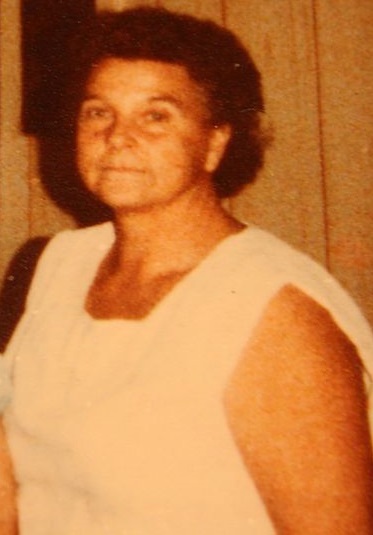
- Mary Phillips, 34 — A bookkeeper and mother from Bradford, Arkansas, who was brutally murdered at her workplace in Bald Knob on June 6, 1995. She died while trying to protect her young daughter.
Investigation and Capture
The survival of Mary Phillips's daughter was the key to solving the case. When police arrived at the horrific scene, they initially believed both mother and daughter were deceased. As a crime scene photographer took pictures of Lacey, the flash of the camera caused her to stir, revealing she was alive. Rushed to the hospital, she was able to provide a detailed description of her attacker, including a distinctive teardrop tattoo under his left eye.
Local police officers in Bald Knob immediately recognized the description as matching Jack Harold Jones, who was already known to them. Investigators from the Arkansas State Police brought Jones in for questioning. He quickly confessed to the robbery, the rape and murder of Mary Phillips, and the savage attack on her daughter. He was arrested that same day, June 6, 1995.
Years later, while Jones was on death row, his DNA was entered into the national CODIS database. In March 2003, it was matched to semen evidence collected from the 1991 murder scene of Lorraine Anne Barrett in Florida.
Trial and Sentence
In April 1996, Jack Jones went on trial for the attack on the Phillips family. He pleaded not guilty by reason of insanity, claiming he had been self-medicating his bipolar disorder with methamphetamines. The jury rejected this defense and found him guilty of capital murder, rape, and attempted capital murder. He was sentenced to death for the murder of Mary Phillips, plus life imprisonment for her rape and thirty years for the attempted murder of her daughter.
Following the 2003 DNA match, Florida authorities charged Jones with the murder of Lorraine Anne Barrett. In 2005, he was extradited to Broward County, where he pleaded guilty to first-degree murder and was sentenced to life in prison. He was then returned to Arkansas's death row to await his execution.
Execution and Posthumous Confession
After more than two decades on death row and numerous failed appeals, Jack Harold Jones Jr. was executed by lethal injection on April 24, 2017, at the Cummins Unit in Arkansas. He was 52 years old. His execution was part of a series of executions carried out by the state before its supply of a lethal injection drug expired. In his final words, Jones expressed remorse to the Phillips family, saying, "I hope over time you could learn who I really am and I am not a monster."
Before his execution, Jones had given his sister a letter he had written years earlier, with instructions not to open it until one year after his death. When she finally read it in 2018, she found a detailed confession to the 1983 murder of Regina Harrison, containing details only the killer would know. The letter was turned over to authorities. In February 2019, after Jones's body was exhumed for DNA testing, the Broward County Sheriff's Office confirmed that his DNA matched evidence from the Harrison crime scene.
Aftermath and Legacy
The posthumous confession officially made Jack Jones a serial killer, responsible for at least three murders. It also brought a final, tragic resolution to the case of Regina Harrison. In March 2019, prosecutors in Broward County formally moved to vacate the 1985 conviction of Ronald Stewart, the innocent man who had died in prison for Jones's crime.
The case of Jack Harold Jones Jr. highlights several critical issues within the criminal justice system: the devastating impact of wrongful convictions, the crucial role of DNA technology in solving cold cases, and the complex, often delayed path to justice for victims and their families. While his execution brought a form of closure for the family of Mary Phillips, the revelations that followed served as a stark reminder that the full scope of a killer's actions can remain hidden for decades.