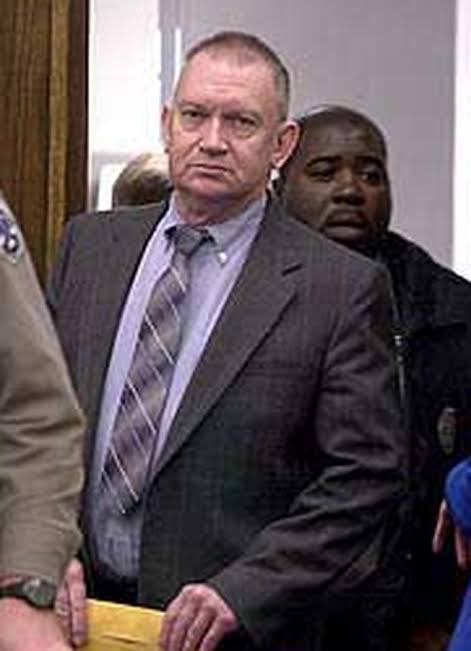
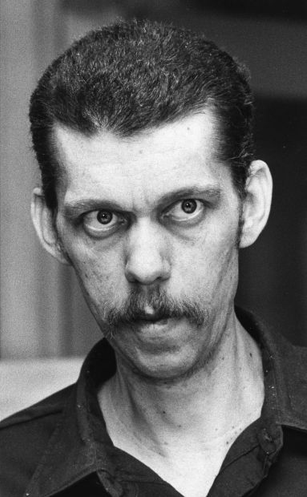
Richard Gary Beach: The Westport Serial Killer
Overview
In the spring of 1999, Richard Gary Beach, a 56-year-old limousine driver, murdered five men over four days inside his Kansas City, Missouri, home. The victims included his own stepson and step-nephew. Beach's stated motive was a deep-seated anger over the victims' involvement with crack cocaine, which he believed was ruining their lives and encroaching upon his home. After the killings, he confessed to his daughter and surrendered to police. He pleaded guilty to five counts of first-degree murder to avoid the death penalty and was sentenced to life in prison without the possibility of parole.
Early Life and Background
Richard Gary Beach was born in Topeka, Kansas, in 1942. His childhood was marked by severe financial hardship, widespread mental illness within his family, and both physical and sexual abuse. As an adult, he served in the United States Air Force before working a series of manual and service jobs. He eventually settled in Kansas City and established himself as a hardworking limousine and airport-shuttle driver, known for his pressed black suits and sense of humor.
Beach owned and managed the administrative side of his airport shuttle service, while his stepson, Michael Davis, assisted with operations. Beach had divorced Davis's mother many years prior but maintained an exceptionally close, father-son relationship with Michael, who lived with him in his home in the Westport neighborhood.
By the late 1990s, Beach's physical and mental health began to deteriorate. His eyesight was failing, causing him anxiety that he could no longer drive safely or manage the business. He feared the business would collapse, leaving him and his stepson in poverty. This stress was compounded by what he perceived as a growing drug problem in his home. He became increasingly distressed and obsessed with the use of crack cocaine by men who frequented his house, including some who were friends with his stepson.
The Murders
The killings took place over four days at Beach's residence at 4275 Jefferson Street in Kansas City.
On March 29, 1999, Beach began his spree. He first shot and killed 28-year-old Mark Nelson, a roommate, after Nelson allegedly confessed to using cocaine. Beach later claimed he killed Nelson to "save" him from drugs and prevent his stepson from being influenced. After shooting Nelson, Beach admitted to pinching the man's nose to hasten his death.
Later that same day, Beach turned his gun on his 32-year-old stepson, Michael Davis. He stated he killed Davis to spare him the "shame" of Beach's own perceived failures and the potential temptation of drugs. He also beat Davis with a hammer. The third victim that day was 27-year-old Christopher Conrad of Overland Park, Kansas. Beach killed him because he believed Conrad had smoked crack with Nelson, viewing him as a bad influence.
On or about March 30, a friend, 61-year-old Jeral "Jerry" Nickerson, used a key to enter the house and discovered Nelson's body. Beach then shot and killed Nickerson to eliminate him as a witness.
The final murder occurred on or about April 1. Beach's step-nephew, 45-year-old Kenneth Gulley Jr., came to the house, pulled out a crack pipe, and allegedly mentioned a past sexual relationship he had with Beach's daughter. Enraged, Beach fatally shot Gulley in the face.
After each murder, Beach took methodical steps. He covered each body with an expensive quilt and placed a handwritten index card on top, listing the victim's name and the phone numbers of their relatives. He also ran the air conditioner in an attempt to slow the bodies' decomposition.
The Victims
- Mark Nelson, 28 — Murdered on March 29, 1999, Nelson was a roommate in Beach's home. Beach claimed he killed him to stop his drug use.
- Michael Davis, 32 — Murdered on March 29, 1999, Davis was Beach's beloved stepson from a former marriage. They lived and worked together, and Beach professed a desire to protect him from shame and drugs.
- Christopher Conrad, 27 — Murdered on March 29, 1999, Conrad, from Overland Park, Kansas, was killed because Beach believed he was a negative, drug-using influence on others in the house.
- Jeral Nickerson, 61 — Murdered on March 30, 1999, Nickerson was a friend who tragically stumbled upon the scene of the first murders.
- Kenneth Gulley Jr., 45 — Murdered on April 1, 1999, Gulley was Beach's step-nephew. His death was triggered by a combination of his drug use and a personal comment that angered Beach.
Investigation and Capture
For days, the five bodies lay undiscovered inside the house on Jefferson Street. Neighbors later reported hearing gunshots and noticing the air conditioner running constantly.
The crime came to light after Beach himself decided to confess. On April 6, 1999, he called his daughter from a nearby hotel, admitted to what he had done, and told her where he was. He then called 911 and told the dispatcher that he had killed five men in his residence. When Kansas City Police officers arrived at the Embassy Suites hotel parking lot, just blocks from his home, Beach surrendered peacefully. He informed them there was an unloaded gun in his vehicle.
Police entered the home and discovered a gruesome and complex crime scene. The bodies were located in different parts of the house, including the kitchen, living room, bathroom, and basement. The discovery was so complicated that it took investigators over nine hours to locate all five victims. Beside the bodies, they found the index cards Beach had left, which helped in quickly identifying the deceased.
Trial and Sentence
On April 7, 1999, the day after his surrender, Richard Gary Beach was charged with one count of first-degree murder for the death of his step-nephew, Kenneth Gulley. Prosecutors soon added four more murder counts after Beach admitted to all five killings. The state of Missouri announced its intention to seek the death penalty.
The case did not go to a full trial. On February 26, 2002, Beach pleaded guilty to five counts of first-degree murder and five counts of armed criminal action. This led to a lengthy sentencing proceeding before Jackson County Circuit Court Judge Charles E. Atwell to determine whether Beach would be executed or sentenced to life in prison.
Prosecutors argued for the death penalty, emphasizing the aggravating factors: that Beach had deliberately murdered five separate individuals over several days, that some killings were done to eliminate witnesses, and the "depravity of mind" involved. Relatives of the victims also gave testimony arguing for his execution.
Beach's defense attorneys presented extensive mitigating evidence. They argued that at the time of the killings, Beach was suffering from severe depression and an obsessive-compulsive disorder. They also detailed his traumatic childhood, which included extreme poverty, family mental illness, and abuse.
On April 18, 2002, after considering the extensive testimony, Judge Atwell sentenced Richard Gary Beach to five consecutive life terms in prison without the possibility of parole. The decision stunned the victims' families, who had hoped for a death sentence.
Aftermath and Legacy
The murders committed by Richard Gary Beach were described as Kansas City's worst killing spree of the 1990s. The case highlighted the devastating intersection of mental illness and the drug culture that Beach claimed to despise. While his professed motives were to "save" people from drugs and shame, his actions resulted in the violent deaths of five men, leaving their families shattered.
Beach's methodical yet bizarre actions after the killings—covering the bodies with quilts and leaving identifying notes—spoke to the disturbed state of mind his defense attorneys argued in court. He is currently serving his life sentence at the Potosi Correctional Center, a maximum-security prison near Mineral Point, Missouri.