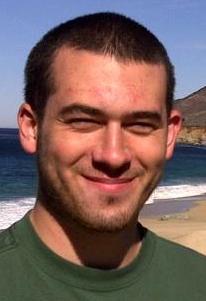
In the spring of 1999, a series of brutal acts shattered the quiet of a Kansas City, Missouri, neighborhood, leaving five families irrevocably broken. Among the lives cut short was that of Mark Nelson, a 28-year-old Male who found himself in the wrong place at the wrong time, living as a roommate in the home of a man descending into violence. His death on March 29, 1999, was the first in a four-day killing spree perpetrated by his landlord, Richard Gary Beach.
Richard Beach, then in his
late 50s, was a limousine and airport-shuttle driver whose life was beginning to unravel. Friends knew him as a hardworking man, but he was privately struggling with declining eyesight, which he feared would destroy the transportation business he ran with his stepson, Michael Davis. This personal crisis, combined with what he described as an obsession with drug use in his home, created a volatile and ultimately deadly mindset. Beach would later claim his actions were a twisted attempt to "save" his victims from drugs and himself from the shame of his perceived failures.
On March 29, inside the house at 4275 Jefferson Street in the city's Westport area, Beach's paranoia erupted into violence. His first victim was Mark Nelson. According to Beach's own confession, he shot Mark after the younger man admitted to using cocaine. Beach claimed he killed him to stop his drug use and to prevent him from influencing his stepson. After shooting him, Beach took cruel measures to ensure his death. That same day, Beach also murdered his 32-year-old stepson, Michael Davis, and another man, 27-year-old Christopher Conrad.
The horror within the house went undiscovered for several days. In the meantime, Beach continued his spree. On March 30, he killed 61-year-old Jerry Nickerson, a friend of Mark's who had reportedly entered the house and discovered his friend's body. The final victim, on April 1, was Beach's own step-nephew, 45-year-old Kenneth Gulley Jr. After each murder, Beach methodically covered the bodies with expensive quilts and placed index cards on them, noting the victims' names and their relatives' phone numbers.
The gruesome discovery was made on April 5, after relatives grew concerned. Responding authorities found a nightmarish scene, with the five men's bodies in various states of decomposition throughout the house. Beach had fled, but his run from justice was short-lived. On April 6, from a nearby hotel, he called his daughter and confessed. He then called 911, told officers what he had done, and surrendered peacefully in the hotel parking lot.
Richard Gary Beach was initially charged with one count of first-degree murder, but he soon admitted to all five killings. In February 2002, he pleaded guilty to five counts of first-degree murder and five counts of armed criminal action. His defense attorneys argued for mercy, citing a harsh childhood and a history of depression and obsessive-compulsive disorder. Prosecutors sought the death penalty, but on April 18, 2002, a Jackson County Circuit Court judge sentenced Beach to five consecutive life terms in prison without the possibility of parole. The decision stunned some of the victims' families, who had hoped for a death sentence.
Little is publicly known about Mark Nelson's life, beyond his connection to Beach and the tragic circumstances of his death. It was mentioned that he, along with the other victims, worked in the local transportation business. A heart-wrenching message left on a memorial page years later from someone identifying as his child speaks volumes about the life he left behind: "He wasn't just some average joe... He was my best friend, my role model, my superhero... I would give anything just to see him one more time." Richard Gary Beach is now deceased, having died in prison. For the families of Mark Nelson and the four other men, the pain of their loss remains a life sentence of its own.