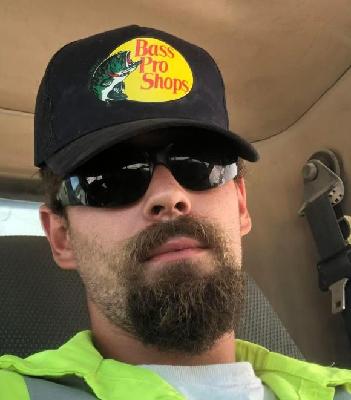
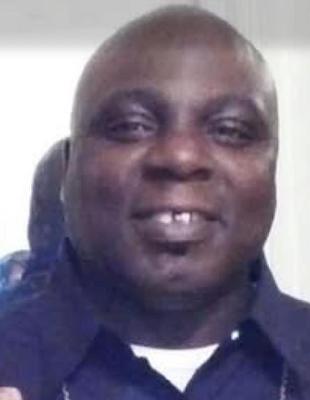
In the spring of 1999, a series of grim discoveries began to unfold inside a home in the Westport neighborhood of Kansas City, Missouri, ultimately revealing a shocking killing spree. One of the victims was Christopher Conrad, a 27-year-old man from the nearby city of Overland Park, Kansas. His life was cut short on March 29, 1999, when he became entangled in the paranoid delusions of a man who had appointed himself a vigilante against drug use.
The man responsible was Richard Gary
Beach, a 56-year-old limousine and airport-shuttle driver. Beach, who was born in Topeka, Kansas, was described by some who knew him as a hardworking man, but his life was unraveling. He was suffering from declining eyesight, which he feared would destroy the transportation business he ran with his stepson, Michael Davis. Compounding his professional anxieties was what he described as an obsessive concern about drug use in and around his home at 4275 Jefferson Street.
On March 29, 1999, Beach’s paranoia erupted into violence. That day, he shot and killed three men inside his house. One was his own 32-year-old stepson, Michael Davis, whom he claimed to be sparing from the "shame" of the business failing. Another was 28-year-old Mark Nelson. The third victim that day was Christopher Conrad. Beach later told investigators he killed Christopher because he believed the young man was a negative influence and had been smoking crack cocaine with Nelson. In Beach's distorted view, Christopher was part of a "crazy crack situation" that he felt compelled to end.
Over the next few days, Beach’s killing spree continued. He murdered 61-year-old Jeral Nickerson on March 30 after Nickerson entered the house and saw one of the bodies. On April 1, he shot and killed his 45-year-old step-nephew, Kenneth Gulley Jr. After each murder, Beach covered the bodies with expensive quilts and placed handwritten index cards on them, listing the victims' names and their relatives' phone numbers. He then fled, leaving the five men to be discovered in various rooms of the home.
The gruesome scene was uncovered on April 5, after neighbors reported hearing gunshots and noticed the home's air conditioner running constantly, an apparent attempt by Beach to slow decomposition. The discovery of the five bodies, scattered throughout the house from the living room to the basement, launched a massive investigation that took detectives more than nine hours to process. Beach, meanwhile, contacted his daughter and a reporter for *The Kansas City Star*, admitting to what he had done before peacefully surrendering to police on April 6 in a hotel parking lot just blocks from his home.
Richard Gary Beach was charged with five counts of first-degree murder and five counts of armed criminal action. He soon confessed to shooting all five men. In court, his defense attorneys pointed to a troubled history of poverty, abuse, and family mental illness, arguing that Beach suffered from depression and obsessive-compulsive disorder. On February 26, 2002, Beach pleaded guilty to all charges.
Prosecutors sought the death penalty, but on April 18, 2002, after considering his mental health history, a Jackson County Circuit Court judge sentenced Richard Gary Beach to five consecutive life terms in prison without the possibility of parole. The decision stunned the victims' families. Beach was sent to the Potosi Correctional Center in Missouri to serve his sentence, bringing the legal chapter of Christopher Conrad's tragic and senseless murder to a close.