The West Mesa Bone Collector: Albuquerque’s Unidentified Serial Killer
Discovery of the West Mesa Burial Ground
The name “West Mesa Bone Collector” refers to the unidentified person, or possibly multiple people, responsible for murdering and burying eleven women and girls on the western edge of Albuquerque, New Mexico. The victims’ skeletal remains were discovered in 2009 near 118th Street SW and Dennis Chavez Boulevard, in a desolate section of the city commonly known as the West Mesa. One victim, Michelle Valdez, was pregnant, and the remains of her unborn child were recovered with her.
The case began to unfold on February 2, 2009, when Christine Ross was walking through the area with her dog, Ruca. Ross noticed what appeared to be a large bone protruding from the ground. After photographing it and consulting her sister, who was a registered nurse, Ross contacted the Albuquerque Police Department. Investigators confirmed that the object was a human femur and began searching the surrounding desert.
What initially appeared to be an isolated set of remains quickly developed into the largest homicide excavation in Albuquerque’s history. Police officers, forensic anthropologists, medical investigators and federal agents searched approximately 92 acres of rough desert terrain. Over the following weeks, they uncovered multiple shallow graves containing the remains of eleven females and one unborn child.
The Victims and Their Disappearances
The exact dates on which the victims were killed have never been established. Because their bodies had remained in the desert for several years, investigators could generally determine only approximate periods of death. The dates below are therefore verified disappearance or last-known dates rather than confirmed dates of death. All eleven victims were killed before their remains were discovered near 118th Street SW in February 2009.
- Monica Diana Candelaria, 22: Monica disappeared from Albuquerque on or about May 15, 2003. Investigators believe she was killed sometime between 2003 and 2005. Her remains were buried in a shallow grave near 118th Street SW.
- Victoria Ann Chavez, 26: Victoria was last known to be alive in Albuquerque in June 2003, with June 5, 2003, frequently reported as her disappearance date. Authorities believe she was killed before or during 2005 and buried on the West Mesa.
- Syllannia Terene Edwards, 15: Syllannia was reported missing as an endangered runaway from Lawton, Oklahoma, in 2003. She was reportedly seen in May 2004 near East Colfax Avenue in Aurora, Colorado, where she may have stayed at the Ranger Motel and used the nicknames “Mimi” or “Chocolate.” Investigators believe she was killed sometime between 2004 and 2005. She was the only confirmed victim known to have come from outside New Mexico.
- Doreen Marquez, 24: Doreen disappeared in Albuquerque during October 2003, with October 10 commonly listed as her last-known date. She is believed to have been killed sometime between 2003 and 2005 before being buried near 118th Street SW.
- Veronica Romero, 28: Veronica disappeared in Albuquerque in February 2004, with February 14 frequently reported as the date she vanished. Investigators determined that she was killed sometime between 2004 and 2005.
- Jamie Caterina Barela, 15: Jamie disappeared during the spring of 2004 after leaving a family gathering with her cousin, Evelyn Salazar. Some reports list March 26, 2004, while Albuquerque police records describe the disappearance as occurring in April 2004. The cousins reportedly intended to visit a park near San Mateo Boulevard and Gibson Boulevard SE. Neither returned. Jamie had no known involvement in prostitution or the drug activity associated with several of the other victims.
- Evelyn Jesus Maria Salazar, 27: Evelyn disappeared with her 15-year-old cousin, Jamie Barela, during the spring of 2004. March 26, 2004, is often reported as their disappearance date, although police summaries place the event in April. Evelyn and Jamie were last known to be traveling to a park in southeast Albuquerque. Both were killed and buried on the West Mesa.
- Virginia Cloven, 24: Virginia was reported missing from the Albuquerque area in 2004, with April 13 commonly given as her disappearance date. Investigators believe she was killed sometime between 2004 and 2005.
- Julie Cyndie Nieto, 24: Julie disappeared in Albuquerque during July 2004, with July 15 frequently listed as her last-known date. She was killed sometime between 2004 and 2005 and buried near the other victims.
- Cinnamon Elks, 32: Cinnamon disappeared during August 2004, with August 20 commonly reported as the date she vanished. She was the oldest of the eleven confirmed victims. Authorities believe she was killed sometime between 2004 and 2005.
- Michelle Gina Valdez, 22: Michelle disappeared in September 2004, with September 22 commonly listed as her disappearance date. She was approximately four months pregnant when she was killed. The skeletal remains of her unborn child were recovered with hers from the West Mesa burial area.
A Pattern of Vulnerable Victims
Ten of the eleven confirmed victims had reported connections to illegal drugs, prostitution or both. Many spent time in the area of Central Avenue in Albuquerque, where sex workers were known to encounter customers, drug dealers and pimps. Jamie Barela was the exception. Police found no evidence that the 15-year-old had participated in prostitution or drug activity, and investigators believe she may have been targeted because she was accompanying her cousin, Evelyn Salazar.
The killer appears to have selected victims whose disappearances might not immediately result in an intensive investigation. Some of the women lived unstable lives, moved frequently or had strained relationships with relatives. Several were not promptly reported missing. Their circumstances made it easier for a predator to approach them, isolate them and conceal their deaths without attracting immediate attention.
Investigators have theorized that the killer may have appeared friendly, familiar or trustworthy. A person attempting to abduct women directly from a busy street would have risked being seen, so the victims may have entered a vehicle voluntarily. The offender may have posed as a customer, drug supplier, friend or someone offering transportation, money or shelter.
The Desert Graves
The victims were buried in makeshift graves across the undeveloped mesa. The burial locations were not concentrated in a single pit but were spread through the desert near 118th Street SW. The graves were shallow, suggesting that the offender wanted to conceal the bodies quickly rather than construct elaborate burial sites.
The location was isolated enough during the early 2000s to allow a vehicle to enter without drawing much attention. Tire trails crossed the desert, and the surrounding land had not yet been filled with homes. A person familiar with the area could travel to the burial ground at night, remove a body from a vehicle and leave before being noticed.
Historical aerial and satellite photographs later revealed disturbed soil and vehicle tracks in the area. Images taken during the years when the women disappeared appeared to show changing patches of ground near the eventual grave sites. By approximately 2005, the visible disturbances had largely stopped. Residential development later began approaching the area, which may have prevented the killer from continuing to use the same burial ground.
Construction and drainage work ultimately contributed to the discovery. Alterations to the landscape, including work intended to control storm water, disturbed portions of the area and allowed buried remains to move closer to the surface. Without those changes and Christine Ross’s discovery, the graves might have remained hidden for many more years.
Identification of the Remains
Identifying all eleven victims required months of forensic work. Investigators used dental records, DNA comparisons, missing-person reports and forensic facial reconstruction. The remains had been exposed to years of desert heat, seasonal weather and soil conditions, leaving little conventional evidence.
Syllannia Edwards was identified on November 13, 2009, through dental records and comparison with a forensic reconstruction. DNA testing performed with assistance from forensic specialists at the University of North Texas identified Virginia Cloven and Evelyn Salazar on November 17, 2009.
Jamie Barela was the last of the eleven victims to be publicly identified. Her identification was announced on January 26, 2010. The discovery that Jamie and Evelyn had disappeared together helped investigators reconstruct the final known movements of the two cousins.
Difficulty Determining the Cause of Death
The passage of time severely limited what medical investigators could learn about the murders. The victims’ remains were largely skeletal, and soft-tissue evidence that might have revealed strangulation, suffocation or certain forms of assault had disappeared. Investigators found no clear pattern of gunshot injuries or fatal blunt-force trauma on the recovered bones.
Authorities classified the deaths as homicides involving homicidal violence, but the precise method used to kill each victim remains uncertain. Strangulation has been considered a possibility because it can leave little or no evidence on skeletal remains. However, police have not established that every victim died in the same manner.
The absence of a confirmed cause of death has made the investigation particularly difficult. It prevents detectives from comparing a specific killing method with other crimes and limits the type of behavioral profile that can be constructed. It also leaves unresolved whether the women were killed at the burial site or transported there after being murdered elsewhere.
Lorenzo Montoya
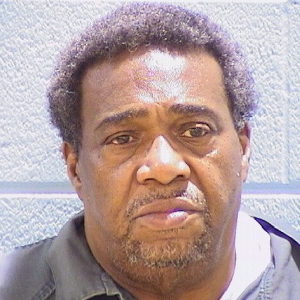
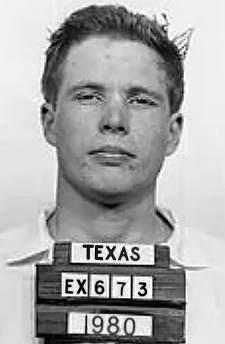
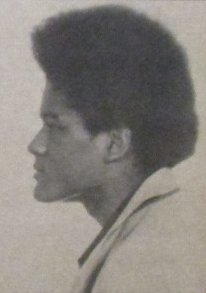
Lorenzo Montoya became one of the most closely examined persons of interest in the West Mesa investigation. Montoya lived only a few miles from the burial area and had a history of violence involving sex workers. He had previously been accused of attacking women and was known to have made disturbing threats.
On December 19, 2006, Montoya arranged to meet 19-year-old sex worker Tera Chavez at his residence. During the encounter, Montoya strangled Chavez. Her boyfriend, who had driven her to the location and was waiting nearby, became concerned and entered the residence. He discovered Chavez’s body and fatally shot Montoya during the confrontation.
The incident demonstrated that Montoya was capable of luring a young sex worker into a private setting and killing her by strangulation. His death also occurred after the confirmed West Mesa victims had disappeared and after development had begun limiting access to the desert burial ground. These circumstances caused investigators to examine whether the West Mesa killings stopped because Montoya had died.
Detectives found additional circumstantial details that increased their interest. Montoya had lived near trails leading toward the burial site, and investigators reviewing the area found vehicle tracks extending in the general direction of a street near his former home. However, no conclusive physical evidence has publicly established that Montoya buried or killed any of the eleven confirmed victims. He was never charged in connection with the West Mesa murders.
Joseph Blea
Joseph Blea also received significant investigative attention. Blea was a convicted sexual predator with a history of stalking and attacking women in Albuquerque. Police reportedly observed him driving through areas frequented by sex workers, and his background placed him near the type of environment in which several victims were last seen.
A plant or nursery tag discovered near the West Mesa remains was examined as a possible connection because Blea had worked in landscaping. Investigators reviewed large numbers of business and nursery records but were unable to prove that the tag had belonged to him or that he had brought it to the burial site.
Blea was convicted of unrelated sexual assaults and received a lengthy prison sentence. DNA evidence connected him to some of those separate crimes, but authorities have not announced a DNA match connecting him to the West Mesa victims. Blea has denied responsibility for the murders and has never been charged in the case.
Other Investigative Leads
Investigators have examined numerous other individuals, including pimps, violent offenders, customers of sex workers and people who knew one or more of the victims. One person examined was Fred Reynolds, a pimp who reportedly knew women from Albuquerque’s sex-work community and possessed photographs of some women. Reynolds died of natural causes in January 2009, shortly before the graves were discovered. No evidence has publicly established that he committed the murders.
Police have also considered whether more than one offender may have used the West Mesa as a dumping ground. Although the similar victim profiles and shared burial area suggest a serial predator, the absence of a known cause of death makes it difficult to prove that one individual killed every victim. Investigators continue to describe the responsible party as an unknown person or persons.
Additional Missing Women
The discovery of the eleven victims raised fears that the confirmed burial ground represented only part of the killer’s activity. Detective Ida Lopez had been tracking a group of women who disappeared from Albuquerque between 2001 and 2006. Several women on her list were later identified among the West Mesa remains, but others have never been found.
Women investigated as potentially connected missing persons have included Martha Jo Lucher, Anna Love Vigil, Felipa Victoria Gonzales, Nina Brenda Herron, Jillian Elizabeth Henderson-Ortiz, Shawntell Monique Waites, Leah Rachelle Peebles and Vanessa Reed. Their inclusion does not establish that they were murdered by the West Mesa offender, but similarities in their circumstances have caused investigators to examine possible connections.
Police conducted additional searches of undeveloped land using ground-penetrating radar, aerial photography, search teams and information submitted through tips. Despite those efforts, no additional confirmed West Mesa victims have been recovered.
An Investigation Without an Arrest
The Albuquerque Police Department formed the 118th Street Task Force to investigate the murders. The FBI assisted with crime analysis, behavioral assessment and investigative recommendations. Detectives interviewed hundreds of people, reviewed missing-person files, examined records associated with sex work and drug activity, and followed more than a thousand tips.
Investigators have repeatedly returned to old leads as forensic technology has improved. They have reviewed possible DNA evidence, searched other areas of Albuquerque and compared the West Mesa case with unsolved disappearances, sexual assaults and homicides. Nevertheless, no person has been arrested or charged with killing the eleven victims.
A reward of up to $100,000 has been offered for information leading to the arrest and successful prosecution of the person or persons responsible. The size of the reward reflects both the magnitude of the case and the continued belief that someone may possess information capable of identifying the killer.
The West Mesa Bone Collector’s Possible Behavior
The known evidence suggests an organized offender who understood the victims’ routines and knew how to move through Albuquerque without appearing suspicious. The killer likely had access to a vehicle large enough to transport bodies and was comfortable driving onto rough desert trails. The offender also appears to have known that the section of the West Mesa was isolated and unlikely to be searched.
The repeated use of the same general burial area indicates confidence. Each return created the risk of being seen, leaving evidence or encountering another person. The killer may have visited the area at night or during periods when construction and recreational traffic were minimal.
The disappearance pattern also suggests that the offender may have monitored women working along Albuquerque’s streets. Someone familiar to the victims would have been less likely to cause alarm. The offender may have cultivated trust, presented himself as a regular customer or offered something the victims needed before taking them to another location.
Because no exact causes of death were established and no surviving victim has been publicly connected to the offender, any behavioral reconstruction remains theoretical. It is unknown whether the killer maintained another location where the victims were assaulted, whether they were killed inside a vehicle or residence, or whether some were murdered at the burial ground itself.
Remembering the Victims
Public attention has often focused on the mystery of the “Bone Collector,” but the case represents the deaths of eleven individuals whose families endured years without knowing what had happened to them. Their personal struggles and connections to drugs or prostitution did not make them responsible for their deaths. Those circumstances instead made them vulnerable to someone who appears to have believed their disappearances would be ignored.
Women’s Memorial Park was established near the burial area to honor Monica Candelaria, Victoria Chavez, Syllannia Edwards, Doreen Marquez, Veronica Romero, Jamie Barela, Evelyn Salazar, Virginia Cloven, Julie Nieto, Cinnamon Elks, Michelle Valdez and Michelle’s unborn child. The memorial transformed land once associated with concealment and death into a permanent place of remembrance.
An Unsolved Serial Murder Case
The identity of the West Mesa Bone Collector remains unknown. Lorenzo Montoya and Joseph Blea have received the greatest public attention, but neither was charged with the murders, and the available evidence has not conclusively identified either man as the killer. Other possibilities, including an unidentified offender or multiple offenders, remain under investigation.
The case continues to challenge investigators because the bodies were found years after the murders, exact death dates are unknown, causes of death could not be precisely determined and much of the physical evidence had deteriorated. The killer’s use of vulnerable victims and an isolated burial ground allowed the crimes to remain hidden until an accidental discovery exposed the graves.
Until evidence identifies the person or persons responsible, the West Mesa murders remain one of the most disturbing unsolved serial homicide cases in the United States. Eleven women and girls, along with an unborn child, were concealed beneath the New Mexico desert. Their names are known, but the name of their killer remains a mystery.