The Chicago Tylenol Murders
Overview
The Chicago Tylenol murders were a series of seven fatal poisonings that occurred in the Chicago metropolitan area between September 29 and October 1, 1982. The victims died after swallowing Extra-Strength Tylenol capsules that had been deliberately contaminated with potassium cyanide, a fast-acting and highly lethal poison.
Although the crimes are frequently attributed to the “Tylenol killer” or described as the work of a serial killer, the person responsible has never been conclusively identified. No one has been charged with committing the seven murders, and the exact motive remains unknown. Investigators believe someone obtained bottles of Tylenol after they had left the manufacturer, opened the capsules, replaced some of the acetaminophen with cyanide and returned the altered bottles to store shelves.
The poisonings created nationwide fear because the victims had no apparent connection to one another, other than living in the Chicago area and using the same common pain medication. The killer did not need to approach the victims personally. Instead, ordinary consumers unknowingly carried the poisoned products into their homes.
The First Death
The crisis began during the early morning of September 29, 1982, in Elk Grove Village, Illinois. Twelve-year-old Mary Kellerman woke with symptoms of a cold, including a sore throat and a runny nose. Her parents gave her one Extra-Strength Tylenol capsule to relieve her discomfort.
Shortly afterward, Mary collapsed in the bathroom. Emergency personnel transported her to Alexian Brothers Medical Center, but doctors could not save her. She was pronounced dead that morning. At first, her sudden death appeared to be an isolated and unexplained medical emergency.
The bottle used by the Kellerman family was later found to contain capsules contaminated with cyanide. Mary was the youngest of the seven known victims.
The Janus Family Poisonings
Later on September 29, 27-year-old Adam Janus became ill at his home in Arlington Heights. Adam had reportedly taken Extra-Strength Tylenol after experiencing minor discomfort. He soon collapsed and was taken to Northwest Community Hospital, where he died.
Adam’s grieving relatives gathered at his home after learning of his death. His younger brother, Stanley Janus, and Stanley’s wife, Theresa, developed headaches while mourning with the family. Both took capsules from the same Tylenol bottle Adam had used.
Stanley and Theresa collapsed within minutes. Stanley died that day, while Theresa was placed on life support and died shortly afterward. The deaths of three members of one family from the same bottle provided investigators with a crucial connection.
Arlington Heights public health nurse Helen Jensen examined the Janus home and focused attention on the Tylenol bottle. Investigators noticed that several capsules were missing and that the bottle had been purchased recently. Testing revealed that some remaining capsules contained enormous amounts of potassium cyanide.
Additional Victims
As authorities examined the Janus deaths, other unexplained fatalities were reported throughout the Chicago area. The victims had suffered sudden collapses and rapid cardiac failure after taking Extra-Strength Tylenol. Toxicology testing connected the deaths to cyanide poisoning.
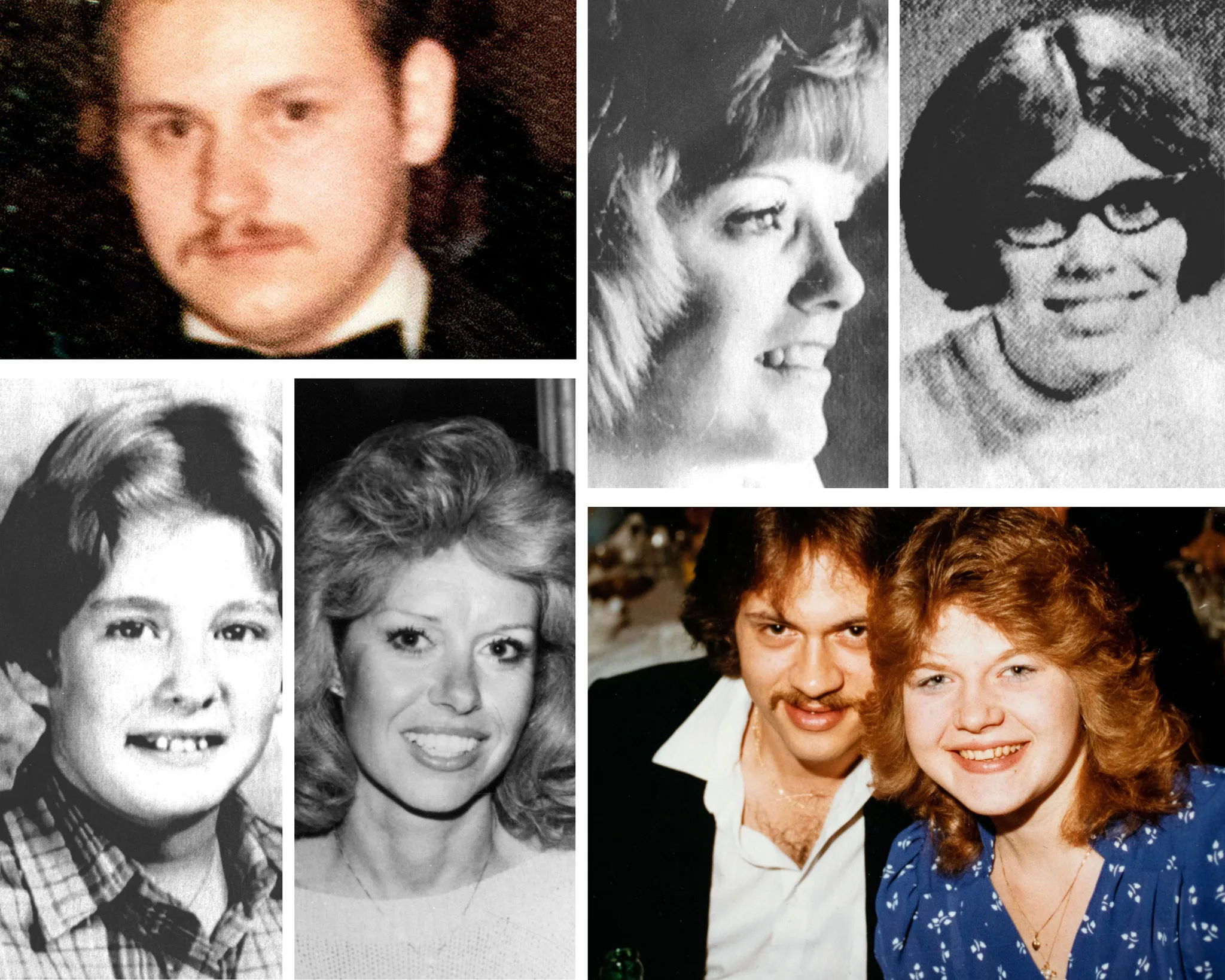
- Mary Kellerman, age 12 – Died September 29, 1982, in Elk Grove Village, Illinois. She took a capsule at home for cold symptoms and collapsed shortly afterward.
- Adam Janus, age 27 – Died September 29, 1982, after becoming ill at his home in Arlington Heights, Illinois. He had taken Tylenol for minor physical discomfort.
- Stanley Janus, age 25 – Died September 29, 1982, after taking a capsule from the same contaminated bottle used by his brother Adam at the Janus residence in Arlington Heights.
- Theresa Janus, age 19 – Died September 29, 1982, after swallowing a capsule from the Janus family’s poisoned bottle in Arlington Heights. She was Stanley Janus’s wife.
- Mary McFarland, age 31 – Died September 30, 1982, in Elmhurst, Illinois. She took Tylenol while working at an Illinois Bell telephone facility after developing a headache and collapsed soon afterward.
- Mary Reiner, age 27 – Died September 30, 1982, in Winfield, Illinois. A mother who had recently given birth to her fourth child, she reportedly took Tylenol for post-childbirth discomfort before collapsing.
- Paula Prince, age 35 – Died October 1, 1982, in Chicago, Illinois. The United Airlines flight attendant was found dead in her apartment with an open bottle of Extra-Strength Tylenol nearby.
Discovery of the Cyanide
Doctors and emergency personnel initially struggled to understand the deaths because the victims appeared to suffer sudden cardiac or respiratory failure without an obvious cause. Cyanide poisoning was suspected after investigators connected the Tylenol bottles and noticed an almond-like odor associated with some of the capsules.
Laboratory testing confirmed that the capsules contained potassium cyanide. Some reportedly held far more than the amount necessary to kill an adult. The poison prevented the body’s cells from properly using oxygen, causing collapse, seizures, respiratory failure and cardiac arrest.
The capsules had originally contained powdered acetaminophen. Investigators concluded that someone had separated the capsule halves, removed at least part of the medication, inserted cyanide and reassembled the capsules. The altered capsules were then mixed with legitimate capsules inside Tylenol bottles.
How the Products Were Tampered With
The contaminated capsules came from different manufacturing lots and had been produced at different facilities. This evidence made widespread accidental contamination during manufacturing unlikely. Investigators instead developed the theory that the poisonings occurred after the bottles entered the retail distribution system.
Under the leading theory, the killer removed bottles from stores, tampered with the capsules and returned the bottles to shelves. The poisoned products were associated with several Chicago-area retailers, including Jewel Foods, Walgreens, Osco Drug, Dominick’s and Frank’s Finer Foods.
The bottles were scattered among different communities rather than concentrated at one location. This forced investigators to examine stores, delivery routes, manufacturing records, customers and thousands of possible suspects. Several contaminated bottles were recovered before anyone consumed their contents, indicating that the death toll might have been significantly higher without the rapid public warning.
The Public Warning and Recall
Once the connection was confirmed, police and public health officials urgently warned residents not to take Tylenol capsules. Officers drove through neighborhoods using loudspeakers, while hospitals, newspapers, radio stations and television networks repeated the warning.
Johnson & Johnson and its subsidiary, McNeil Consumer Products, first recalled specific manufacturing lots. When investigators discovered poisoned capsules from additional lots, the recall expanded nationwide. Approximately 31 million bottles of Tylenol products were removed from circulation.
The company temporarily stopped advertising Tylenol and established telephone lines for consumers. The recall and replacement effort cost millions of dollars, but it prevented potentially contaminated products from remaining in homes and stores.
The Extortion Letter
During the investigation, Johnson & Johnson received a letter demanding $1 million to stop the killings. The letter instructed the company to send the money to a bank account connected to a Chicago businessman with whom the writer had a dispute.
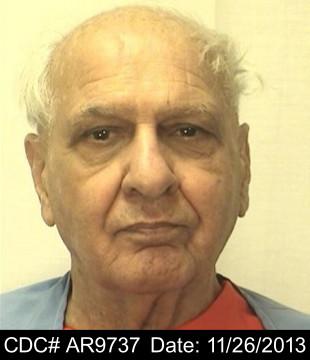
Investigators traced the letter to James William Lewis. Lewis became the most prominent suspect associated with the Tylenol murders. He claimed that he had written the letter only to embarrass the businessman and denied poisoning the capsules.
Lewis was convicted of attempted extortion and sentenced to prison. He served approximately 12 years, but prosecutors never charged him with any of the seven murders. Investigators could not establish through physical evidence that he had purchased the Tylenol, obtained the cyanide, altered the capsules or placed the bottles in Chicago-area stores.
Lewis remained under scrutiny for decades and was interviewed repeatedly by investigators. He died in 2023 without being charged in connection with the poisonings.
Other Suspects and Investigative Leads
Investigators considered numerous suspects, including people who had access to cyanide, individuals who behaved suspiciously around pharmacies and people who made threats involving poisoned products. One person examined during the investigation was Roger Arnold, a Chicago-area dock worker who reportedly possessed cyanide and had discussed poisoning people.
Arnold was questioned but never charged in the Tylenol case. He was later convicted of an unrelated murder. Other theories involved disgruntled employees, people connected to the pharmaceutical distribution system and offenders seeking to frighten the public rather than target particular individuals.
The investigation involved local police departments, the Illinois State Police, the FBI, the Food and Drug Administration and federal prosecutors. Thousands of tips were examined, stores were searched and surviving bottles were tested. Despite the enormous effort, investigators did not find evidence sufficient to prove who placed the cyanide in the capsules.
Problems Facing Investigators
The unusual nature of the murders created serious investigative difficulties. The killer did not leave a conventional crime scene linking all seven victims. Each home, workplace or hospital initially appeared to involve a separate medical emergency.
The medicine bottles had passed through manufacturers, distributors, stores and private homes, creating long chains of possible contact. During the early hours of the crisis, some items were handled before authorities understood that they might contain evidence. Security cameras were uncommon in retail stores in 1982, and modern DNA analysis did not yet exist.
The victims were selected indirectly and apparently at random. Investigators found no personal relationship connecting the seven people and no demonstrated grievance against them. The lack of a clear victim profile made traditional methods of identifying a murderer less effective.
The Effect on Consumer Safety
The murders permanently changed the way medication and other consumer products were packaged. Before 1982, many over-the-counter medicines were sold without the multiple seals now expected by consumers.
Tylenol returned to stores in packaging that included glued boxes, plastic seals around bottle caps and foil barriers over bottle openings. Pharmaceutical companies increasingly replaced easily opened powder-filled capsules with solid tablets or caplets that were more difficult to alter without leaving visible damage.
The United States government also adopted stronger laws against tampering with consumer products. Deliberately contaminating medicine became a federal crime carrying severe penalties, especially when tampering caused injury or death.
Copycat Crimes
The intense publicity surrounding the Tylenol murders was followed by numerous threats, hoaxes and copycat poisonings. Other products were reported to contain substances such as poison, pins, glass or chemicals. Some incidents were genuine acts of tampering, while others were false reports or attempts at fraud.
These later incidents are not considered part of the original seven Chicago murders unless evidence directly connects them to the same offender. No such connection has been established.
An Unsolved Case
The Chicago Tylenol murders remain officially unsolved. James Lewis was convicted of sending the extortion letter, but he was never proven to be the poisoner. Other suspects were investigated without charges related to the seven deaths.
The case is remembered as one of the most disturbing examples of random product tampering in American history. Seven people died after making the ordinary decision to take a widely trusted pain reliever. Their deaths exposed vulnerabilities in consumer packaging and forced major changes in pharmaceutical safety.
Decades later, investigators have continued to review evidence and consider whether improved forensic techniques could identify the person responsible. Until evidence conclusively links an offender to the contaminated capsules, the identity of the Tylenol killer and the motive behind the murders remain unknown.