Donald Miller: The Los Angeles Serial Killer Known as Robert Maxie
Background
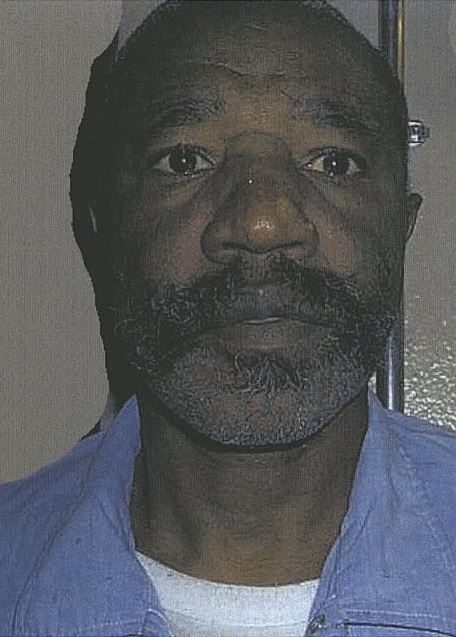
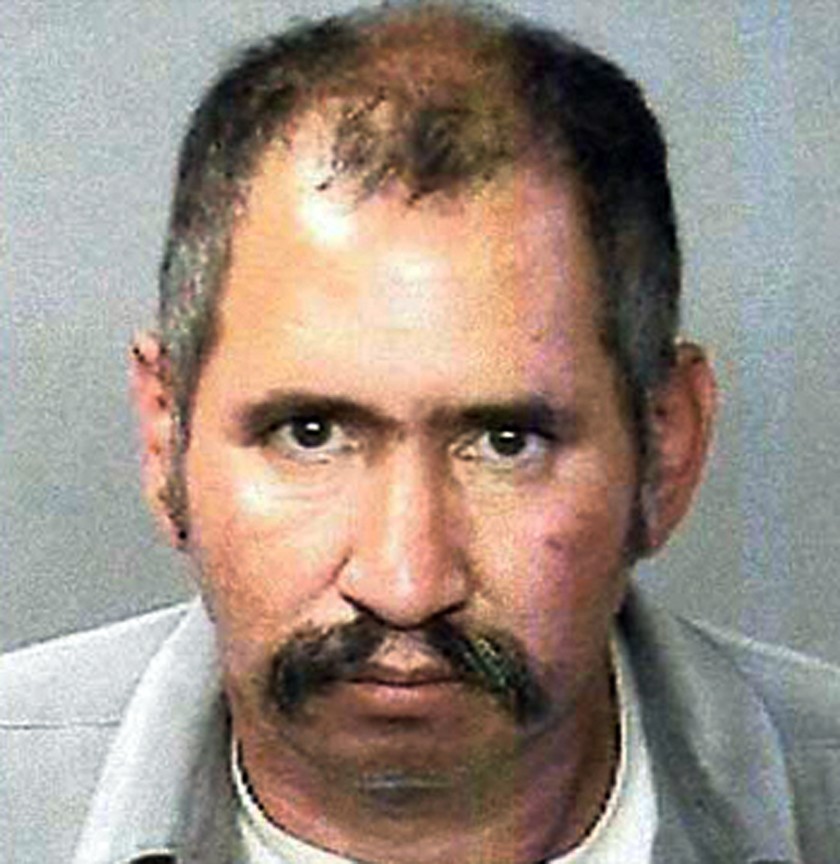
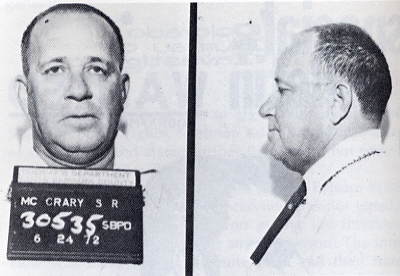
Donald Miller was an American serial killer and attempted murderer who attacked men and women in Los Angeles County, California. He was born in Los Angeles in 1941 and grew up in Compton. Miller was sometimes known by the name Robert Maxie, and several people who encountered him in the bars and streets of Los Angeles remembered that he introduced himself simply as “Robert.”
Miller later worked as a welder for the Southern Pacific Railroad. Although relatives and coworkers described him as quiet and capable of behaving normally, his criminal record and documented violence stretched back years before his known murder series. His attacks eventually followed a recognizable pattern involving isolated streets, a dark Datsun sports car and a heavy blunt instrument, usually described as a steel pipe or club.
Between 1980 and 1981, Miller repeatedly approached gay men in and around West Hollywood. Several of the victims had recently left bars along Santa Monica Boulevard when they accepted rides or encountered their attacker. Miller would take the men to dark side streets or secluded areas and suddenly strike them in the head. Four men died, while four others survived attacks for which Miller was later convicted.
Miller was also connected through DNA evidence to the 1977 murder of Camilla “Cammi” Stasse in Long Beach. That discovery was made after Miller had died and decades after Stasse’s murder. The DNA connection increased his known victim count to five and revealed that his homicidal violence began several years earlier than investigators originally understood.
The Murder of Camilla “Cammi” Stasse
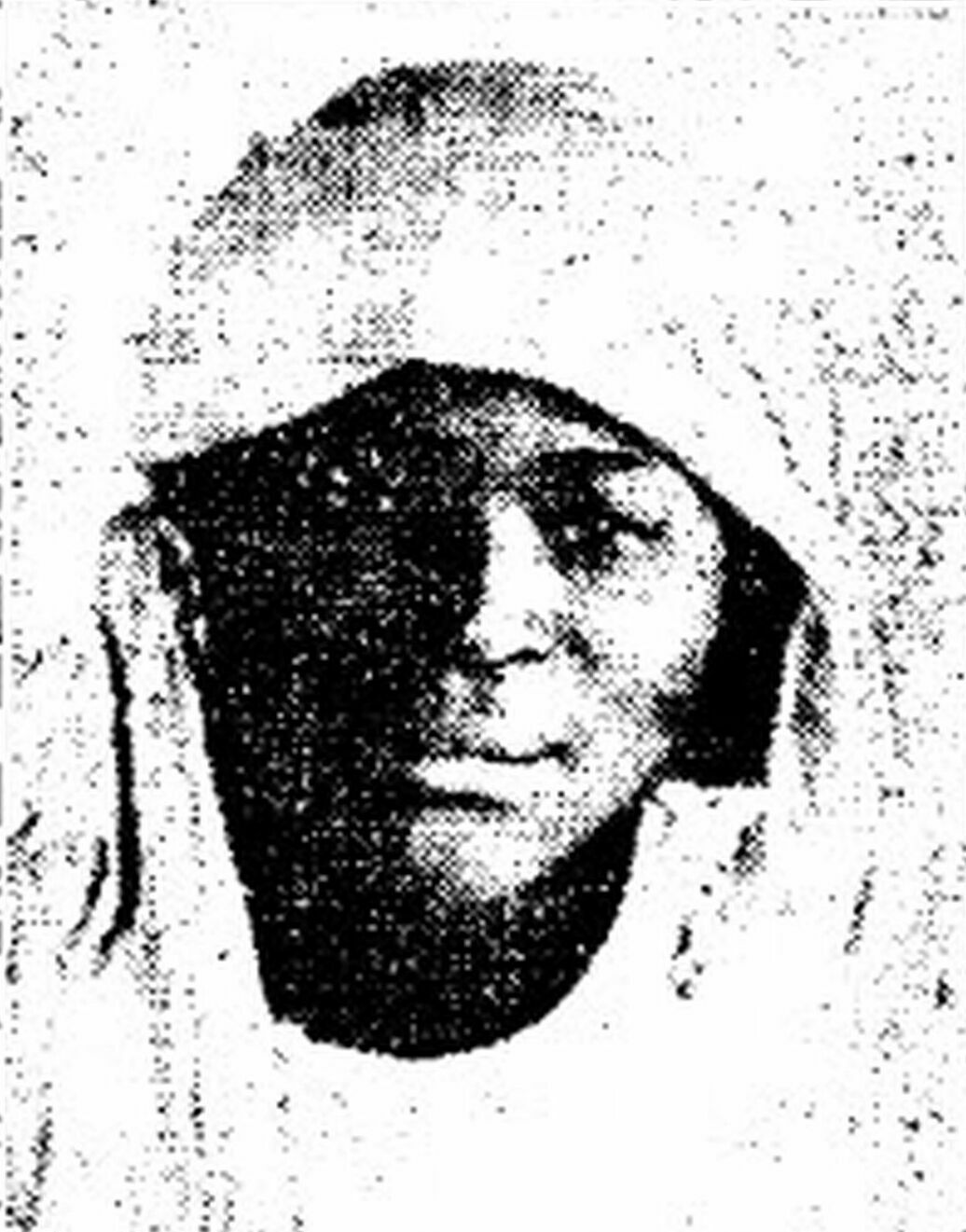
Camilla Stasse was a 20-year-old college student, musician and labor activist living in Long Beach. On January 17, 1977, she was sexually assaulted and stabbed to death inside her apartment. Stasse had reportedly been moving between her apartment and a laundry area before the attack. Her killing remained unsolved for nearly three decades.
At the time, investigators had little evidence capable of identifying her killer. Miller was not connected to the case during his lifetime, and the murder appeared different from the later series for which he would be convicted. Stasse was a young woman who had been stabbed, while Miller’s later known victims were men who were beaten with a blunt object.
In 2006, approximately one year after Miller’s death, investigators linked him to Stasse’s murder through DNA evidence. Because Miller had already died on death row, he could not be prosecuted. The identification nevertheless provided an answer in a case that had remained unresolved since 1977 and established Stasse as his earliest known murder victim.
The Beginning of the West Hollywood Attacks
Miller’s best-documented series began in 1980. The victims were primarily gay men who had been visiting bars in West Hollywood and nearby Los Angeles neighborhoods. The attacks generally occurred late at night or shortly after midnight, often near quiet curbs, parking lots or side streets.
A black Datsun 280Z became an important element of the investigation. Witnesses and surviving victims described a dark, low sports car with silver side moldings and louvers over its rear window. Miller owned a vehicle matching that description. When police eventually examined his car, they saw a section of metal pipe behind its seats.
The murder victims suffered severe head wounds inflicted with a heavy blunt object. Wallets, money and identification were often missing. Although the crime scenes produced little direct physical evidence identifying Miller, prosecutors argued that the repeated similarities showed the murders and attempted murders were the work of the same attacker.
The Murder of Michael Thomas
Michael Thomas was at the Spike, a gay bar in West Hollywood, shortly before midnight on July 11, 1980. A friend saw him ordering a drink and described him as heavily intoxicated. When the friend returned from the restroom a few minutes later, Thomas had disappeared from the bar.
At approximately midnight, a woman living on North Laurel Avenue was awakened by her barking dog. Looking outside, she saw two men beside a dark Datsun 280Z parked across the street. A short time later, the vehicle drove away with only one person inside. Once the car moved, the witness could see a person lying near the street.
Police found Thomas alive but gravely injured. He had been struck in the head at least four times with a heavy blunt object. One of the blows had torn his ear, and he struggled to breathe as officers arrived. Thomas was transported to a hospital but died from his injuries during the early morning hours of July 12, 1980.
Investigators found blood, two coins and a matchbook near the location where Thomas was discovered. His wallet and identification were missing. His own vehicle was later found parked approximately one block from the Spike. Laboratory examinations did not produce direct physical evidence connecting Miller to the murder, but the witness’s description of the Datsun became highly significant after Miller’s arrest.
The Murder of Robert Sanderson
Robert Sanderson spent the night of November 29, 1980, at the Rusty Nail, another gay bar in West Hollywood. He had walked there from his North Laurel Avenue apartment with his friend Clinton Lawler. Lawler left Sanderson in the bar at approximately 11:30 p.m. When he returned around midnight, Sanderson was gone.
At approximately 1:30 a.m. on November 30, a private security officer found Sanderson near the intersection of Melrose Avenue and Crescent Heights Boulevard. Sanderson was staggering, confused and covered in blood. He was able to give his name and indicate that he had been beaten before losing consciousness.
The officer noticed a dark sports car passing the area slowly, although he could not identify the driver. Sanderson was taken to a hospital with catastrophic head injuries caused by a heavy blunt object. He never regained consciousness and died on February 12, 1981, after remaining hospitalized for more than two months.
Police found blood on a curb and telephone pole and followed a trail leading toward North Laurel Avenue. Sanderson had apparently attempted to walk after suffering the attack. His money and identification were missing. As in the Thomas case, the scene contained no physical evidence conclusively identifying the assailant.
The Murder of Danny Harmon
Danny Harmon was originally from Kentucky and had recently arrived in Los Angeles. He had little money and no permanent place to live when he met Robert Wertz, who allowed Harmon to stay in his apartment. On the evening of January 23, 1981, Wertz and Harmon went to a restaurant near their home.
Wertz became ill and left the restaurant at approximately 10:30 p.m. Harmon remained until the business closed at midnight. He then accompanied a waiter to Woody’s Hyperion, a bar in the Silver Lake area. Shortly after entering the bar, Harmon began speaking with someone he apparently knew. When the waiter returned after briefly walking away, Harmon had disappeared.
At 7:10 the following morning, January 24, 1981, an anonymous caller directed police to Athens Park in Compton. Officers found Harmon’s body lying in a pool of blood. He had suffered multiple blows to the head, and the right side of his skull and ear had been split open. Blood patterns showed that the fatal beating occurred at the location where his body was found.
Harmon’s pockets had been turned inside out, and his wallet, money and identification were missing. Investigators recovered a red plastic comb and a shoe tap near the body. Miller had grown up less than a mile from Athens Park and had lived for years near Woody’s Hyperion, where Harmon was last seen alive.
The Murder of Ernesto Ramirez
Ernesto Ramirez spent the evening of February 13, 1981, socializing with friends at the New Town Saloon in West Hollywood. Near midnight, he and his friend Mario Aguirre traveled to the Rusty Nail. Inside the bar, Aguirre recognized a man he had previously encountered under troubling circumstances.
The man, later identified as Miller, began speaking with Ramirez. Aguirre offered to drive Ramirez back to his car, but Ramirez said he had a ride. Aguirre saw Ramirez leave the Rusty Nail with Miller shortly after midnight on February 14.
At approximately 12:35 a.m., a nearby resident discovered Ramirez unconscious beside a curb several blocks from the bar. Ramirez had suffered massive damage to his skull and facial bones. His right ear and the surrounding area were badly lacerated, and his wallet and identification were missing.
Ramirez remained in a coma for more than two months before dying on April 20, 1981. The cause of death was blunt-force trauma to the head. Investigators found a partially smoked marijuana cigarette near the bloody area where he had been discovered. Testing showed that the saliva on the cigarette could have come from Miller, although it was not unique enough to identify him conclusively.
Confirmed and DNA-Linked Murder Victims
- Camilla “Cammi” Stasse, 20: Murdered on January 17, 1977, inside her apartment in Long Beach, California. She was sexually assaulted and stabbed. DNA evidence linked Miller to her murder in 2006, after his death.
- Michael Thomas, 32: Attacked shortly after midnight near North Laurel Avenue in West Hollywood and died at a hospital on July 12, 1980. He suffered at least four blows to the head from a heavy blunt object.
- Robert Sanderson, 36: Attacked near Melrose Avenue and Crescent Heights Boulevard in West Hollywood during the early morning of November 30, 1980. He remained unconscious until his death on February 12, 1981.
- Danny Harmon: Murdered during the early morning of January 24, 1981. His body was found in Athens Park in the Compton area of Los Angeles. He had been beaten repeatedly in the head.
- Ernesto Ramirez, 28: Attacked shortly after leaving the Rusty Nail in West Hollywood on February 14, 1981. He remained in a coma until his death on April 20, 1981.
The Attempted Murder of Richard Sulita
Richard Sulita arrived in Los Angeles from Chicago on May 23, 1980. While walking along Santa Monica Boulevard in search of a bathhouse, he accepted a ride from a man driving a dark, two-seat sports car. The driver introduced himself as Robert and attempted to persuade Sulita to accompany him home.
After Sulita repeatedly refused the man’s sexual proposals, the driver stopped on a side street. Sulita stepped out of the car and was struck in the back of the head with what appeared to be a metal pipe. He blocked another blow, kicked the attacker and escaped. Sulita flagged down a police car and received several stitches for the wound to his head.
The Attempted Murder of Rodolfo Pambid
On October 17, 1980, Rodolfo Pambid traveled from San Francisco to West Hollywood. After leaving the Spike shortly before midnight, he accepted a ride from a man driving a dark Datsun 280Z. The driver pulled onto a side street, removed a club-like object from behind his seat and swung it toward Pambid’s head.
Pambid blocked the attack with his arms and ran. As he escaped, the assailant threatened to kill him. Pambid did not immediately report the incident, but he later came forward after reading about similar attacks. He positively identified Miller during court proceedings.
The Attempted Murder of Michael Pietila
Michael Pietila was hitchhiking along Santa Monica Boulevard shortly after midnight on January 1, 1981, when Miller offered him a ride. Pietila recognized Miller from previous encounters at local bars and knew him by the name Robert.
Miller repeatedly attempted to convince Pietila to go to his Long Beach residence. After Pietila refused and left the car in a dark parking area, he looked back and saw Miller approaching with a bat or similar blunt object raised to strike. Pietila screamed and ran before Miller could hit him.
The Attempted Murder of Douglas Allison
Douglas Allison left the Gold Coast bar in West Hollywood late on February 20, 1981, intending to walk to the Rusty Nail. At approximately 1:30 a.m., a resident discovered him lying beside North Laurel Avenue. His face was covered in blood and had been severely disfigured by repeated blows.
Allison suffered fractures to both his upper and lower jaws and remained unconscious for approximately two months. He survived but developed severe memory loss and could not remember the attack. His wallet was missing when police examined his clothing.
Convicted Attempted-Murder Victims
- Richard Sulita: Attacked with a pipe in West Hollywood on May 23, 1980, after refusing to accompany the driver to his home.
- Rodolfo Pambid: Attacked near West Hollywood during the early morning of October 18, 1980. He blocked a blow from a club and escaped.
- Michael Pietila: Threatened with a bat or heavy blunt object shortly after midnight on January 1, 1981, after leaving Miller’s vehicle.
- Douglas Allison: Found critically injured on North Laurel Avenue after leaving a West Hollywood bar during the early morning of February 21, 1981. He survived after spending approximately two months unconscious.
Earlier Violence
Miller had demonstrated violent behavior before the known West Hollywood series. In 1975, a teenage hitchhiker reported that a man calling himself Robert refused to take her home, drove her around Los Angeles for hours and sexually assaulted her. When she screamed, he choked her and threatened to kill her before eventually releasing her.
In 1979, Miller was accused of threatening a railroad coworker with a steel pipe following a workplace confrontation. That same year, Samuel Danon reported being struck in the head and shoulder by Miller near Oakwood Avenue in West Hollywood. Danon described the weapon as a pipe, baton or similarly heavy object.
Another woman, Linda Lee, identified Miller as the man who brutally attacked her in a freight elevator at a downtown Los Angeles hotel. She suffered fractures to her jaw and ankle, a dislocated wrist and deep cuts that required stitches. These incidents illustrated that Miller’s violence was not limited to the four men whose murders led to his death sentence.
Identification and Arrest
Mario Aguirre’s identification of the man who left the Rusty Nail with Ernesto Ramirez became the break investigators needed. After learning that Ramirez had been hospitalized, Aguirre helped police search for the man he had seen with his friend.
On February 27, 1981, Aguirre accompanied undercover officers during a stakeout near the Rusty Nail. Shortly before midnight, he saw Miller approaching the intersection of Santa Monica Boulevard and North Laurel Avenue and immediately identified him. Miller turned and began walking rapidly away before officers stopped him.
Nearby, police noticed a black Datsun 280Z with silver side moldings and rear-window louvers. The vehicle matched descriptions connected to several attacks and to the night Michael Thomas was murdered. Miller had a Datsun key in his possession, and he admitted that the car belonged to him.
Through the window, an officer saw a piece of metal pipe resting behind the car’s seats. Miller was arrested for murder, and the vehicle was impounded. Investigators determined that the object was standard railroad pipe of a type available at Miller’s workplace.
Examinations of the car and pipe did not uncover blood, tissue or fingerprints belonging to the victims. The murder prosecutions therefore depended heavily on the repeated similarities among the crimes, witness observations, survivor identifications, Miller’s car and his possession of a weapon consistent with the victims’ injuries.
Trial and Convictions
Miller was tried in Los Angeles County in 1983. Prosecutors presented the four murders and four attempted murders as a connected series. They emphasized that the attacks occurred late at night, usually near West Hollywood gay bars, and involved sudden blows to the victims’ heads with a heavy blunt instrument.
The prosecution also pointed to Miller’s dark Datsun, his use of the name Robert, his familiarity with the affected neighborhoods and the metal pipe recovered from his car. Surviving victims and witnesses described encounters matching elements of the fatal attacks.
Miller denied killing anyone and maintained that he had never met the murder victims. His defense stressed the absence of fingerprints, blood or other direct physical evidence connecting him to the four deaths. The jury nevertheless found him guilty of murdering Michael Thomas, Robert Sanderson, Danny Harmon and Ernesto Ramirez. He was also convicted of attempting to murder Richard Sulita, Rodolfo Pambid, Michael Pietila and Douglas Allison.
The jury found the multiple-murder special circumstance to be true. On November 11, 1983, Miller was sentenced to death for the four murders and received additional prison terms for the attempted murders.
Appeals, Death and the Final Identification
Miller was incarcerated on death row at San Quentin State Prison. The California Supreme Court reviewed his case and affirmed his convictions and death sentence in 1990. He remained under a sentence of death for the rest of his life.
Donald Miller died from complications associated with cardiovascular disease at San Quentin State Prison on October 14, 2005. He was 64 years old and had spent more than two decades awaiting execution.
The following year, DNA evidence connected Miller to the 1977 murder of Camilla Stasse. Her case demonstrated that Miller had killed before the highly concentrated series of attacks surrounding West Hollywood’s gay bars. It also showed that his victim selection and method could change, making it impossible to know with certainty whether every crime he committed was discovered.
Legacy of the Case
Donald Miller’s case is remembered for a series of predatory attacks against people leaving gay establishments during a period when violence against gay men was frequently underreported. Some survivors initially remained silent because they feared embarrassment, discrimination or being dismissed by authorities. Their eventual testimony helped reveal the full pattern of Miller’s crimes.
The case was built without a confession or a single piece of physical evidence conclusively connecting Miller to all four charged murders. Instead, prosecutors relied on the cumulative strength of eyewitness testimony, survivor identifications, the matching vehicle, the common weapon and the distinctive circumstances surrounding each attack.
Miller was convicted of four murders and four attempted murders, while DNA later linked him to a fifth killing. His known crimes stretched from the murder of Camilla Stasse in Long Beach in 1977 to the fatal assault on Ernesto Ramirez in West Hollywood in 1981. The resulting record identifies him as a violent predator who used isolation, deception and sudden attacks to target victims across Los Angeles County.