Robert Eugene Brashers: Serial Killer, Rapist, and Posthumously Identified Cold Case Suspect
Overview
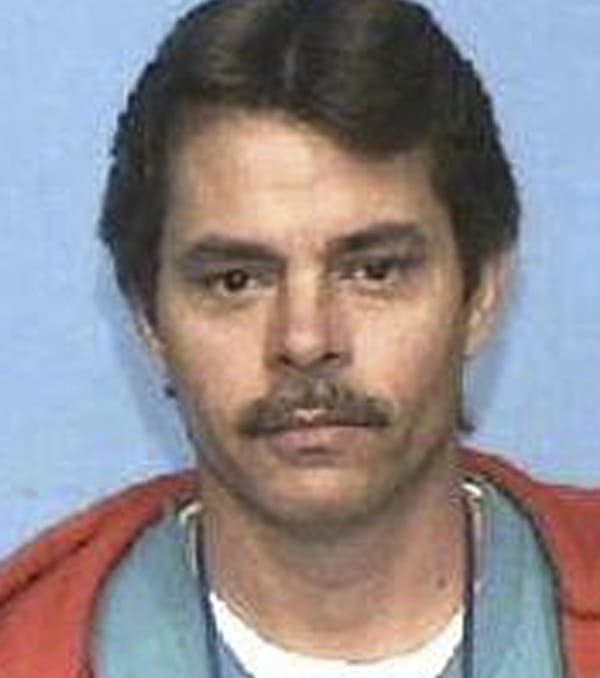
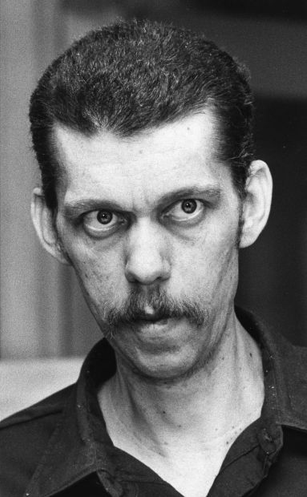
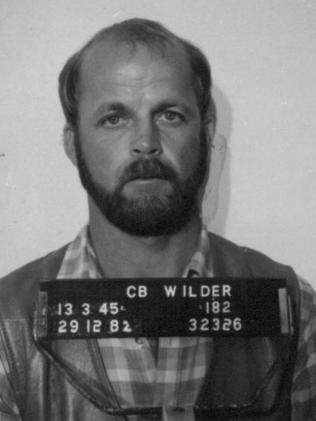
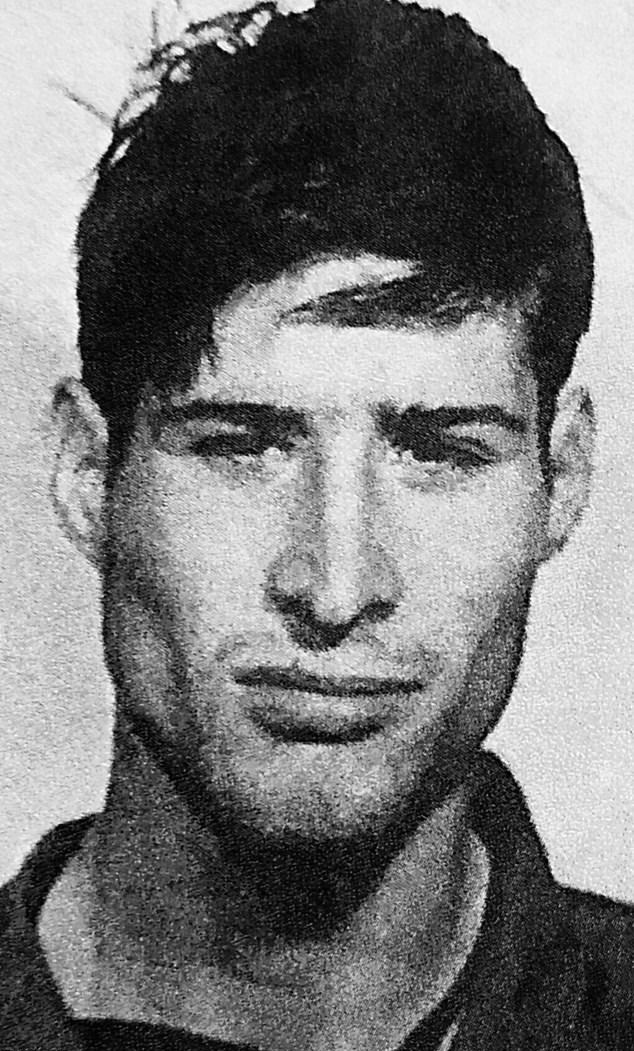
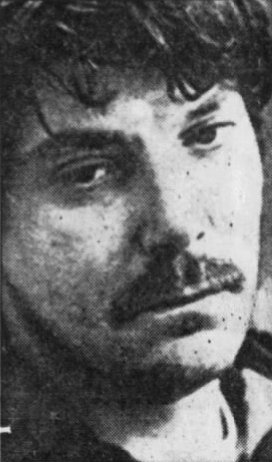
Robert Eugene Brashers was an American serial killer and serial rapist whose crimes stretched across multiple states, including South Carolina, Texas, Tennessee, Missouri, Kentucky, Florida, Georgia, and Arkansas. He was born on March 13, 1958, in Newport News, Virginia, and died on January 19, 1999, after shooting himself during a police standoff in Kennett, Missouri. During his lifetime, he was known to law enforcement as a violent offender, burglar, thief, and fugitive, but he was not publicly identified as the killer in his major murder cases until years after his death.
Brashers lived much of his criminal life under shifting identities and false appearances. He used aliases, moved between states, and committed crimes that often involved home invasion, sexual assault, firearms, restraint of victims, and attempts to destroy evidence. His known crimes were not solved as one connected series during his lifetime. The full scope of his violence only became clearer decades later through DNA testing, forensic genealogy, and ballistic evidence.
Known Fatal Victims
- Genevieve “Jenny” Zitricki — Age 28 — Killed on April 4, 1990, in Greenville, South Carolina. She was attacked inside her apartment. Investigators later determined that she had been sexually assaulted and murdered by Robert Brashers.
- Amy Ayers — Age 13 — Killed on December 6, 1991, at the I Can’t Believe It’s Yogurt! shop in Austin, Texas. She was one of four teenage girls murdered in the case known as the Austin Yogurt Shop Murders.
- Eliza Thomas — Age 17 — Killed on December 6, 1991, at the I Can’t Believe It’s Yogurt! shop in Austin, Texas. She was working at the store on the night of the murders.
- Jennifer Harbison — Age 17 — Killed on December 6, 1991, at the I Can’t Believe It’s Yogurt! shop in Austin, Texas. She was also working at the store that night.
- Sarah Harbison — Age 15 — Killed on December 6, 1991, at the I Can’t Believe It’s Yogurt! shop in Austin, Texas. She was Jennifer Harbison’s younger sister.
- Sherri Scherer — Age 38 — Killed on March 28, 1998, in Portageville, Missouri. She was murdered inside her home along with her daughter, Megan.
- Megan Scherer — Age 12 — Killed on March 28, 1998, in Portageville, Missouri. She was sexually assaulted and murdered in the same attack that killed her mother.
- Linda Marie Rutledge — Age 43 — Killed on November 7, 1998, in Lexington, Kentucky. She was found dead after a fire at the Nixon Hearing Aid Center, where she worked.
Known Surviving Victims and Attacks
- Michelle Wilkerson — Age 24 — Attacked on November 22, 1985, in Fort Pierce, Florida. Brashers shot her in the head, but she survived and was able to describe him and his vehicle to police.
- Unnamed 14-year-old girl — Attacked on March 11, 1997, in Memphis, Tennessee. Brashers broke into a home, restrained occupants, and sexually assaulted the girl.
- Unnamed 25-year-old woman — Attacked on March 28, 1998, in Dyersburg, Tennessee, shortly after the Scherer murders. She fought back during an attempted assault, and Brashers fled.
- Unnamed former female coworker — Targeted on April 12, 1998, in Paragould, Arkansas. Brashers was arrested after attempting to break into her home while armed and carrying tools associated with forced entry.
The 1985 Attack on Michelle Wilkerson
One of the earliest known violent crimes connected to Brashers occurred on November 22, 1985, in Fort Pierce, Florida. His victim, Michelle Wilkerson, was shot in the head during an attack. Despite the severity of the wound, she survived. Her ability to give police a description of her attacker and his vehicle helped lead to Brashers’ arrest.
Brashers was convicted in Florida for attempted first-degree murder, aggravated battery, and using a firearm during the commission of a crime. He received a 12-year prison sentence but served only a portion of it before being released in 1989. His release placed him back into the public at a time when his most lethal known crimes were still ahead of him.
The Murder of Genevieve “Jenny” Zitricki
On April 4, 1990, 28-year-old Genevieve “Jenny” Zitricki was murdered in Greenville, South Carolina. She lived in an apartment complex and was known as a young professional with an active life. Her killing was especially brutal. Investigators determined that she had been sexually assaulted and killed inside her apartment.
For years, the case remained unsolved. DNA evidence was eventually preserved and later became critical to identifying Brashers. In 2018, investigators announced that genetic genealogy and forensic testing had linked Robert Brashers to Zitricki’s murder. At the time of the killing, Brashers had been living in the Greenville area, making him geographically connected to the crime as well as forensically connected.
The Austin Yogurt Shop Murders
On December 6, 1991, four teenage girls were murdered at the I Can’t Believe It’s Yogurt! shop on West Anderson Lane in Austin, Texas. The victims were 13-year-old Amy Ayers, 17-year-old Eliza Thomas, 17-year-old Jennifer Harbison, and 15-year-old Sarah Harbison. Eliza and Jennifer were employees at the shop. Sarah, Jennifer’s younger sister, and Amy were also there near closing time.
The crime scene was devastating. The girls were attacked inside the business, shot, and the shop was set on fire. The fire damaged the scene and complicated the investigation. For decades, the case haunted Austin and became one of the city’s most infamous unsolved crimes. Several men were wrongly suspected or accused over the years, and the investigation became known for false leads, disputed confessions, and the long struggle to interpret limited physical evidence.
In 2025, Austin investigators identified Robert Eugene Brashers as the suspect responsible for the Yogurt Shop Murders. DNA evidence connected him to the crime, and ballistic evidence also supported the connection. Because Brashers had died in 1999, he could never be arrested, tried, or questioned about the murders. Still, the identification gave the victims’ families a long-awaited answer about who investigators believe killed Amy, Eliza, Jennifer, and Sarah.
The 1997 Memphis Home Invasion and Sexual Assault
On March 11, 1997, Brashers committed a violent home invasion in Memphis, Tennessee. He forced his way into a residence where several people were present. Armed with a firearm, he restrained the occupants and sexually assaulted a 14-year-old girl. The victim survived, and forensic evidence from the attack later became part of the broader effort to connect Brashers to crimes across state lines.
This attack showed many of the same patterns later associated with him: forced entry, control of multiple victims, use of a weapon, sexual violence, and movement across jurisdictions. The Memphis case became especially important after DNA testing and forensic genealogy began linking Brashers to other unsolved crimes.
The Murders of Sherri and Megan Scherer
On March 28, 1998, Brashers murdered 38-year-old Sherri Scherer and her 12-year-old daughter Megan Scherer in Portageville, Missouri. The mother and daughter were attacked inside their home. Megan was sexually assaulted before she was killed. Both victims were shot to death.
The Scherer murders were among the key cases that eventually helped investigators identify Brashers as a serial offender. DNA evidence and other forensic work linked him to the crime. The case was particularly disturbing because it showed his willingness to target both adult women and children, and because the attack took place in the perceived safety of the victims’ home.
The Dyersburg Attack After the Scherer Murders
Only hours after the Scherer murders on March 28, 1998, Brashers attacked again in Dyersburg, Tennessee. He attempted to assault a 25-year-old woman, but she fought back. During the struggle, he fled the scene. Although this victim survived, the attack demonstrated how quickly Brashers could move from one violent crime to another across state lines.
Investigators later connected this attempted assault to the same violent pattern seen in his other crimes. The proximity in time to the Scherer murders made the Dyersburg attack a significant part of the timeline of his 1998 crime spree.
The Paragould Break-In Attempt
On April 12, 1998, Brashers was arrested in Paragould, Arkansas, after attempting to break into the home of a former female coworker. He had reportedly cut the phone line and was armed. He also had tools that suggested planning and preparation for forced entry. This incident did not result in a murder, but it revealed how dangerous he remained after the Scherer killings and Dyersburg attack.
The Paragould case also showed Brashers’ ability to appear ordinary in some settings while secretly engaging in predatory behavior. His crimes were not random moments of rage alone; many involved preparation, movement, deception, and control.
The Murder of Linda Marie Rutledge
On November 7, 1998, 43-year-old Linda Marie Rutledge was murdered in Lexington, Kentucky. She was found after a fire at the Nixon Hearing Aid Center on Malabu Drive. Firefighters responded to the scene and discovered her body inside the business. Her death was later determined to be a homicide, and investigators eventually connected the case to Brashers through forensic evidence.
Years later, Lexington police identified Brashers as the person responsible for Rutledge’s murder. Ballistic evidence and DNA testing helped connect him to the crime. Like the Austin Yogurt Shop Murders, the use of fire suggested an attempt to damage or destroy evidence after the killing.
Forensic Genealogy and the Identification of Brashers
Robert Brashers was not publicly known as a serial killer while he was alive. His identification came after his death, when investigators used modern DNA technology and forensic genealogy to connect him to unsolved murders and sexual assaults. In 2018, he was linked to the murder of Genevieve Zitricki, the Memphis sexual assault, and the Scherer murders in Missouri. Later developments connected him to the Austin Yogurt Shop Murders and the murder of Linda Rutledge.
These breakthroughs showed how older cold cases could be reexamined with modern forensic tools. DNA evidence that had once been too limited or difficult to interpret became more useful as technology improved. Ballistic evidence also played a role, especially in connecting firearm evidence across cases.
Death of Robert Brashers
On January 13, 1999, police located Brashers at a Super 8 motel in Kennett, Missouri, while investigating a stolen vehicle. When officers tried to arrest him, he hid under a bed with a gun and threatened suicide. The situation became a standoff. His family members were present, and he initially held them in the motel room before they were released.
Brashers shot himself during the standoff. He survived for several days but died on January 19, 1999. His death meant that he escaped trial for the murders and assaults later connected to him. At the time, the full extent of his crimes was still unknown.
Legacy of the Cases
The crimes of Robert Eugene Brashers left families across several states with decades of grief, uncertainty, and unanswered questions. His victims included adult women, teenage girls, and a child. His attacks often took place in ordinary locations: apartments, homes, workplaces, and a small neighborhood business. That ordinariness made the crimes even more frightening, because he invaded places where victims should have been safe.
Brashers’ case is also an example of how serial offenders can avoid detection when crimes happen across jurisdictions and before modern databases are fully developed. Different police departments investigated different crimes in different states, and the links between them were not immediately clear. Only later did DNA, genealogy, and ballistics help reveal the pattern.
Although Brashers never faced justice in a courtroom for the murders now attributed to him, identifying him gave investigators and families an answer that had been missing for years. The known victims connected to him remain the central focus of the story: Genevieve Zitricki, Amy Ayers, Eliza Thomas, Jennifer Harbison, Sarah Harbison, Sherri Scherer, Megan Scherer, Linda Marie Rutledge, and the surviving victims whose lives were permanently changed by his violence.