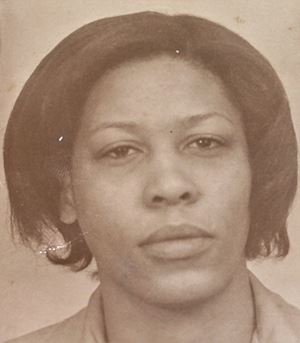
In the spring of 1990, the life of a bright and active young woman was brutally cut short, leaving a scar on the community of Greenville, South Carolina. Genevieve 'Jenny' Zitricki, a 28-year-old white female, was found murdered in her apartment on April 5, 1990. A computer programmer at the Michelin North America Headquarters, she was recently divorced and embraced an energetic lifestyle that included playing softball and teaching at a local school.
Her home was in a complex popular with young professionals, a place that felt safe and vibrant, yet it became the scene of a crime that would baffle investigators for decades.
On that tragic day, it was discovered that someone had broken into Jenny's apartment through a back door. Inside, the scene was one of horrific violence. She had been bludgeoned, strangled, and sexually assaulted while she was asleep in what should have been the safety of her own bed. Her body was later found in the bathtub. The Greenville Police Department launched an intensive investigation, pursuing over 150 leads, but the case grew cold. The sheer brutality of the attack, with no clear motive, left no obvious path for investigators to follow, and for nearly three decades, Jenny's killer remained a ghost, his identity a haunting mystery.
The silence in the case was finally broken by the relentless advancement of science. Breakthroughs in DNA technology and forensic genealogy allowed investigators to revisit the evidence collected from the crime scene. In 2018, they were able to build a genetic profile that pointed to one man: Robert Eugene Brashers. By the time he was identified as Jenny's killer, Brashers was long dead. He had taken his own life in 1999 after a standoff with police in Missouri for an unrelated crime. The DNA evidence was a perfect match, finally giving a name to the person responsible for such a heinous act.
The identification of Brashers unveiled a chilling reality; Jenny was one of the earliest victims of a violent serial predator. His DNA also connected him to a string of other crimes across multiple states, including the 1998 double murder of Sherri Scherer and her 12-year-old daughter Megan in Missouri, and a 1997 rape in Memphis, Tennessee. It was discovered that at the time of Jenny's murder, Brashers had been living in Greenville, not far from her apartment. Though no arrest could be made, the resolution of the case through technological advancements brought a long-awaited, albeit somber, sense of closure to a community that had been haunted by the memory of Genevieve Zitricki's murder for twenty-eight years.