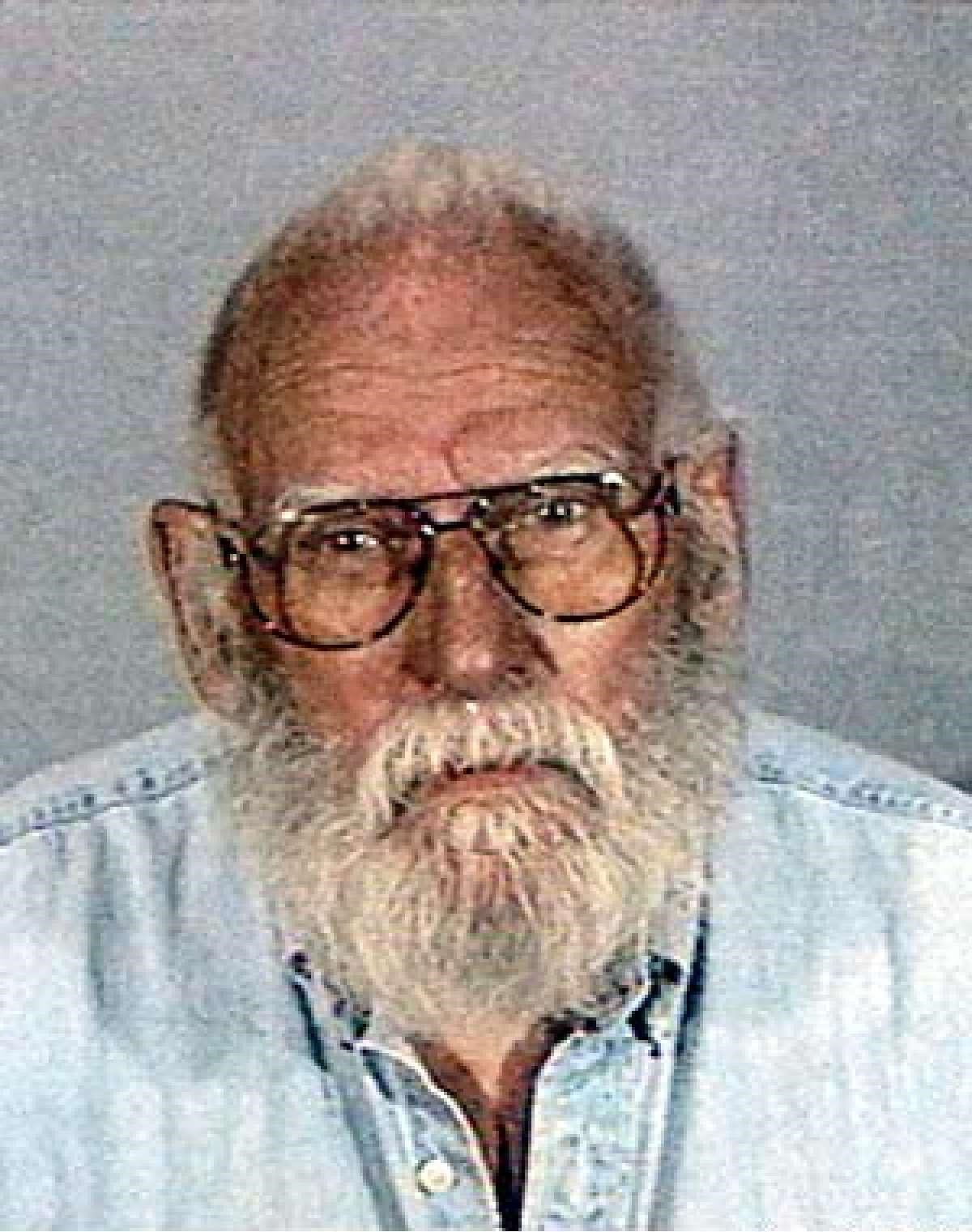
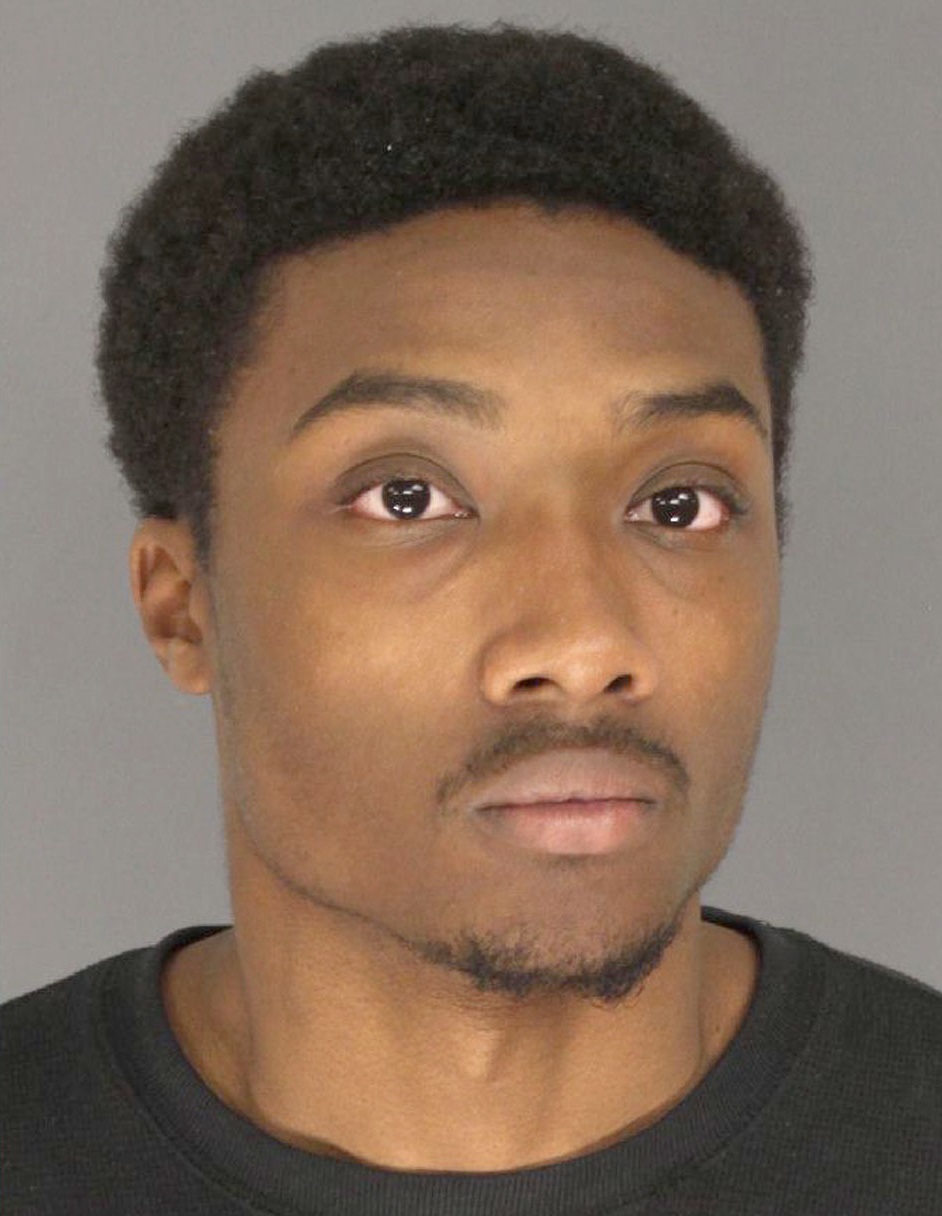
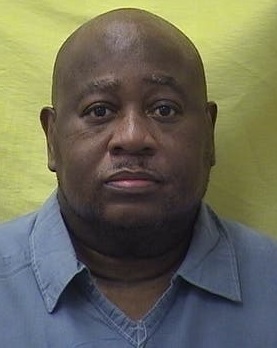
Edward Wayne Edwards: The Fugitive Who Became a Convicted Serial Killer
Overview
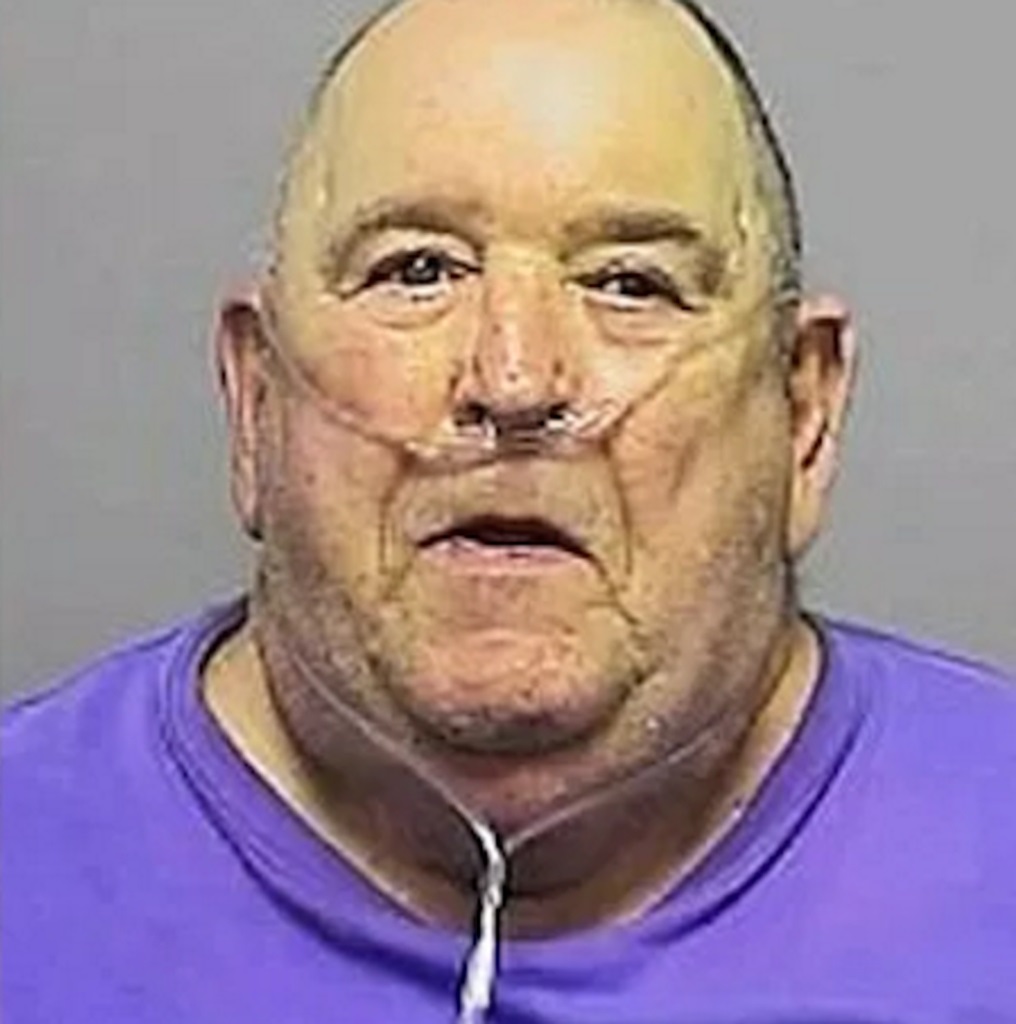
Edward Wayne Edwards was an American serial killer, longtime criminal, prison escapee and former FBI fugitive whose known murders stretched from 1977 to 1996. Although he spent part of his adult life publicly portraying himself as a reformed criminal, investigators eventually established that Edwards had murdered five people in Ohio and Wisconsin. Four of his victims were young people killed in pairs, while his final confirmed victim was a young man who regarded Edwards as a father figure.
For decades, Edwards escaped responsibility for the murders. His criminal past made him familiar with police procedures, and his habit of repeatedly moving his family from state to state made tracing his activities especially difficult. The breakthrough finally came in 2009, when one of his daughters, April Balascio, contacted authorities after realizing that details surrounding an unsolved Wisconsin double murder corresponded with her memories of where her father had lived and worked in 1980.
Early Criminal History
Edward Wayne Edwards was born on June 14, 1933, in Akron, Ohio. His criminal behavior began long before the murders for which he would eventually be convicted. As a young man, Edwards committed burglaries, automobile thefts and robberies. In 1955, while being held on burglary charges in Akron, he escaped from jail and began traveling across the United States while committing additional crimes.
Edwards became a persistent fugitive. In 1961, the FBI placed him on its Ten Most Wanted Fugitives list. He was captured in Atlanta in January 1962 and subsequently received a lengthy federal prison sentence. After several years in prison, Edwards was paroled in 1967.
The "Reformed Criminal" Persona
Following his release, Edwards created a very different public image. He married, raised a family and portrayed himself as a man who had overcome a life of crime. He became a public speaker who discussed rehabilitation and prison reform. In 1972 he published an autobiography describing his supposed transformation from criminal to responsible citizen.
Edwards even appeared on television programs as an example of a former criminal who claimed to have changed his life. The respectable persona later proved deeply misleading. Within several years of presenting himself publicly as rehabilitated, Edwards committed the first murders that investigators were ultimately able to prove against him.
The Murders of Billy Lavaco and Judy Straub
In August 1977, 21-year-old William Joseph "Billy" Lavaco of Doylestown, Ohio, and his 18-year-old girlfriend, Judith Lynn "Judy" Straub of Sterling, Ohio, were together near Silver Creek Metropolitan Park in Norton. The young couple had reportedly been dating for approximately eight months.
They were killed on or about August 7, 1977. Both were shot at close range with a 20-gauge shotgun. Their bodies were discovered on August 8 in the high grass of Silver Creek Park. The manner in which they were killed suggested a deliberate double homicide rather than a robbery. Money and personal belongings remained, leaving investigators without an obvious conventional motive.
The murders remained unresolved for more than three decades. During the original investigation another man came under suspicion, but the case against him failed and no conviction resulted. Edwards, who was living in the surrounding region during that period, was not brought to justice for the murders until many years later.
After his arrest in connection with the Wisconsin murders, Edwards admitted responsibility for killing Lavaco and Straub. He ultimately pleaded guilty to their murders in 2010 and received life sentences.
The Wisconsin "Sweetheart Murders"
Three years after the Ohio double murder, another young couple disappeared under circumstances that would eventually lead investigators directly to Edwards. Timothy John "Tim" Hack and Kelly Drew, both 19, attended a wedding reception at the Concord House in rural Jefferson County, Wisconsin, on the evening of August 9, 1980.
Tim and Kelly were last seen alive leaving the reception at approximately 11:00 p.m. They had planned to meet friends afterward but never arrived. The following morning, Tim's family became alarmed when neither of them had returned or contacted anyone. Tim's automobile was found still parked near the Concord House, with personal property remaining inside.
Within days, disturbing evidence began appearing along roads leading away from the reception hall. On August 15, investigators received women's clothing found several miles from the Concord House. The clothing corresponded with clothing Kelly had been wearing when she disappeared. Several pieces had been cut with a sharp object.
Edwards was living and working near the Concord House at the time. He had worked as a handyman at the campground adjacent to the reception facility and acknowledged being present there on August 9. Investigators questioned him in September 1980. Soon afterward, Edwards abruptly left Wisconsin with his family and moved to Pennsylvania.
Discovery of Tim Hack and Kelly Drew
Kelly Drew's body was discovered on October 19, 1980, in a wooded area in the Town of Ixonia, Jefferson County, approximately eight miles from the Concord House. An intensive search of the surrounding area the following day located Tim Hack's body approximately 70 feet away.
Because of decomposition, investigators could not establish a precise day on which Tim and Kelly were killed. The medical examiner concluded that both had died during August 1980, consistent with their disappearance on August 9. Kelly had ligature marks around her wrists and ankles, and strangulation was determined to be the probable cause of her death. Tim had injuries consistent with being stabbed.
The case became known as the "Sweetheart Murders." Edwards had been questioned, but investigators lacked enough evidence in 1980 to charge him. The murders remained unsolved for nearly three decades.
DNA Finally Points to Edwards
Evidence retained from the original investigation eventually became crucial. Semen had been recovered from Kelly Drew's clothing. Modern DNA testing performed years later produced a genetic profile that excluded Tim Hack as the source.
In 2009, Edwards' daughter April Balascio began examining unsolved crimes that had occurred in places where her family had lived. When she learned about Tim Hack and Kelly Drew, the circumstances immediately concerned her. She remembered that her father had worked around the Concord House during the same period and that the family had suddenly left Wisconsin not long after the couple disappeared.
Balascio contacted investigators and gave them her father's name. Detectives located Edwards, who was then living in Louisville, Kentucky. In June 2009, investigators interviewed him and obtained a DNA sample. Laboratory comparison connected Edwards to the biological evidence recovered from Kelly's clothing. According to the criminal complaint, the statistical probability of randomly selecting another person who could have contributed to the DNA mixture was approximately one in four million.
Edwards was arrested on July 30, 2009. When questioned, he initially denied murdering Tim and Kelly and offered changing explanations for why his DNA might have been found on Kelly's clothing. The investigation nevertheless continued, and Edwards eventually admitted responsibility. In June 2010 he pleaded guilty to killing Tim Hack and Kelly Drew.
The Murder of Dannie Boy Edwards
The investigation did not end with the four young victims. Edwards eventually confessed to a fifth murder: the killing of Dannie Boy Edwards in Ohio in 1996.
Dannie Boy, whose original name was Dannie Law Gloeckner, had lived with Edwards and his wife and regarded Edwards as a father figure. He even changed his name to include Edwards' surname. Dannie later entered the United States Army.
In May 1996, Edwards persuaded the 25-year-old Dannie to go absent without leave from the Army and return to Ohio. According to the prosecution's account, Edwards then took him into a wooded area near Edwards' Troy Township home in Geauga County. There, Edwards shot Dannie twice in the face.
The motive was financial. Edwards expected to benefit from a $250,000 life-insurance policy connected to Dannie. Dannie's remains were eventually discovered by a hunter in a shallow grave near Troy Cemetery, less than a mile from Edwards' residence.
Authorities had questioned Edwards about Dannie's death years earlier, but he was not charged at the time. After being imprisoned for the other murders, Edwards confessed to killing Dannie. The confession allowed prosecutors to reopen a crime that had remained unresolved for approximately fourteen years.
Confirmed Victims
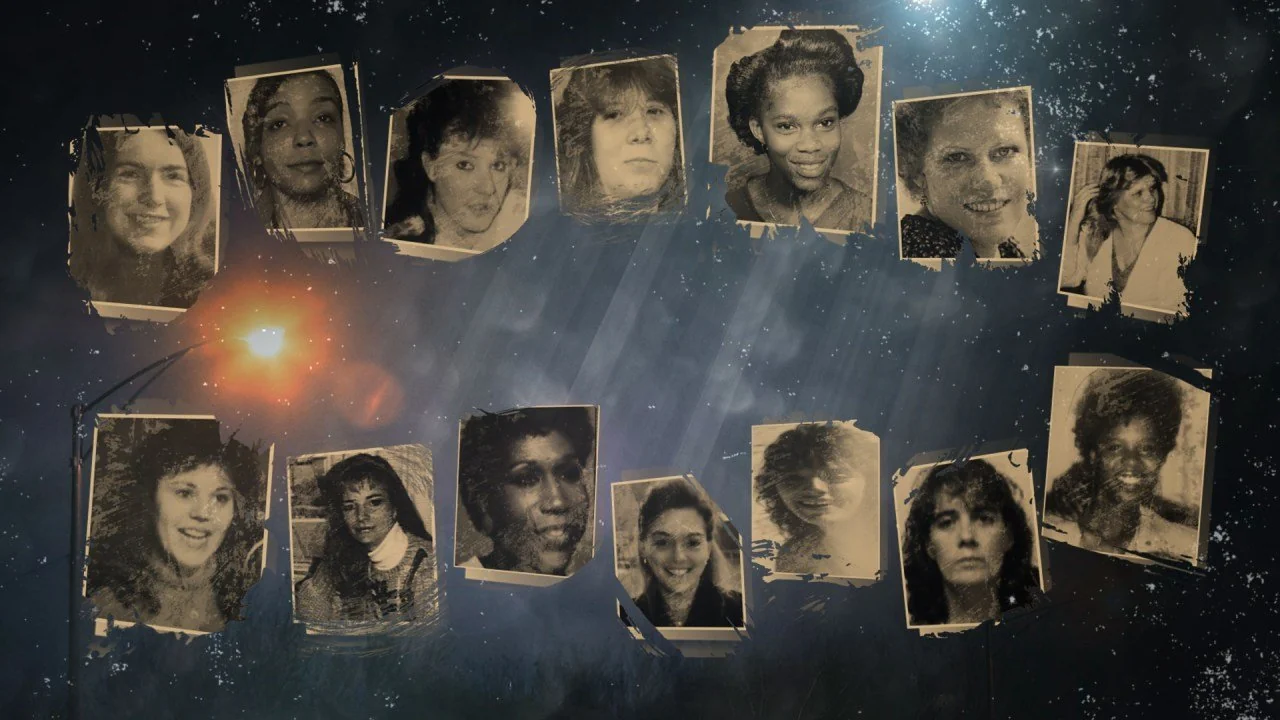
- William Joseph "Billy" Lavaco, 21 - Killed on or about August 7, 1977, at Silver Creek Metropolitan Park in Norton, Summit County, Ohio. His body was discovered August 8, 1977. Lavaco was shot at close range with a 20-gauge shotgun.
- Judith Lynn "Judy" Straub, 18 - Killed on or about August 7, 1977, at Silver Creek Metropolitan Park in Norton, Summit County, Ohio. Her body was discovered with Lavaco on August 8, 1977. She was also shot at close range with a 20-gauge shotgun.
- Timothy John "Tim" Hack, 19 - Last seen alive on August 9, 1980, after leaving the Concord House in Jefferson County, Wisconsin. The medical examiner determined that he died during August 1980; investigators believe he was killed shortly after his disappearance. His body was located on October 20, 1980, near Ixonia. His injuries were consistent with stabbing.
- Kelly Drew, 19 - Last seen alive on August 9, 1980, with Tim Hack after the Concord House wedding reception. Her probable time of death was determined to be August 1980. Her body was discovered October 19, 1980, near Ixonia, Jefferson County, Wisconsin. Evidence showed she had been restrained, and strangulation was determined to be the probable cause of death.
- Dannie Boy Edwards, 25 - Murdered in May 1996 near Troy Township in Geauga County, Ohio. Edwards took Dannie into a wooded area and shot him twice in the face as part of a plan to obtain approximately $250,000 in life-insurance proceeds. His remains were later found in a shallow grave near Troy Cemetery.
Confessions and Convictions
After his 2009 arrest, Edwards gradually acknowledged responsibility for all five murders. In June 2010 he pleaded guilty to the Wisconsin murders of Tim Hack and Kelly Drew. He also agreed to plead guilty in Ohio to the murders of Billy Lavaco and Judy Straub. He received life sentences for the two Ohio murders and additional life sentences for the Wisconsin killings.
The Dannie Boy Edwards case exposed an especially calculated financial motive. Edwards pleaded guilty to aggravated murder and aggravated robbery in Geauga County. On March 8, 2011, a three-judge panel sentenced him to death.
Edwards openly indicated that he wanted the death penalty and did not want to spend the remainder of his life imprisoned. Dannie's family opposed allowing Edwards to control the manner of his own death through the justice system, but the court imposed the capital sentence.
Death Before Execution
Edward Wayne Edwards never reached his scheduled execution. On April 7, 2011, less than a month after receiving the death sentence, the 77-year-old Edwards died of natural causes while being held at the Corrections Medical Center in Columbus, Ohio.
His death ended the possibility of further trials, although investigators and researchers continued examining his movements across the United States to determine whether he could be connected to additional unsolved murders.
Possible Additional Victims
Because Edwards traveled extensively, repeatedly changed residences and had a documented history of violence and deception, investigators have considered the possibility that he killed more than the five people for whose murders he was convicted. Even some investigators involved in the Wisconsin case have expressed a belief that additional legitimate cases may eventually be connected to him.
At the same time, Edwards has become the subject of extraordinary and often unsupported theories. He has been publicly accused by various authors and amateur investigators of being responsible for numerous famous crimes, including the Zodiac murders, the killing of JonBenet Ramsey, the Black Dahlia murder and several other nationally known cases. These claims have not been established by reliable evidence, and Edwards was never charged with those crimes. They should not be confused with the five murders to which he pleaded guilty and for which he was convicted.
A Criminal Hidden Behind Reinvention
One of the most unusual aspects of the Edward Wayne Edwards case was his ability to repeatedly reinvent himself. He had been a burglar, robber, escaped prisoner and nationally wanted fugitive. After prison he publicly presented himself as a rehabilitated family man, author and motivational speaker. Behind that image, however, he committed murders that remained unsolved for decades.
His capture ultimately came not because he voluntarily abandoned that life, but because preserved evidence, modern DNA technology and the determination of his own daughter brought investigators back to him. The 1980 murder investigation that had stalled for nearly thirty years provided the opening that eventually exposed his responsibility for murders in two states spanning almost two decades.
Legacy of the Case
Edward Wayne Edwards is confirmed to have murdered five people: Billy Lavaco, Judy Straub, Tim Hack, Kelly Drew and Dannie Boy Edwards. The crimes occurred between 1977 and 1996 in Ohio and Wisconsin. Four young victims waited more than thirty years for their killer to be identified, while the murder of Dannie Boy demonstrated that Edwards was still capable of deliberate killing nearly two decades after the first confirmed double homicide.
The case also illustrates the importance of preserving physical evidence from unsolved murders. Biological material collected from Kelly Drew's clothing in 1980 became decisive evidence when DNA technology advanced sufficiently to analyze it years later. Combined with April Balascio's information about her father's movements, that evidence transformed Edwards from an aging former fugitive living quietly in Kentucky into the defendant responsible for five confirmed murders.