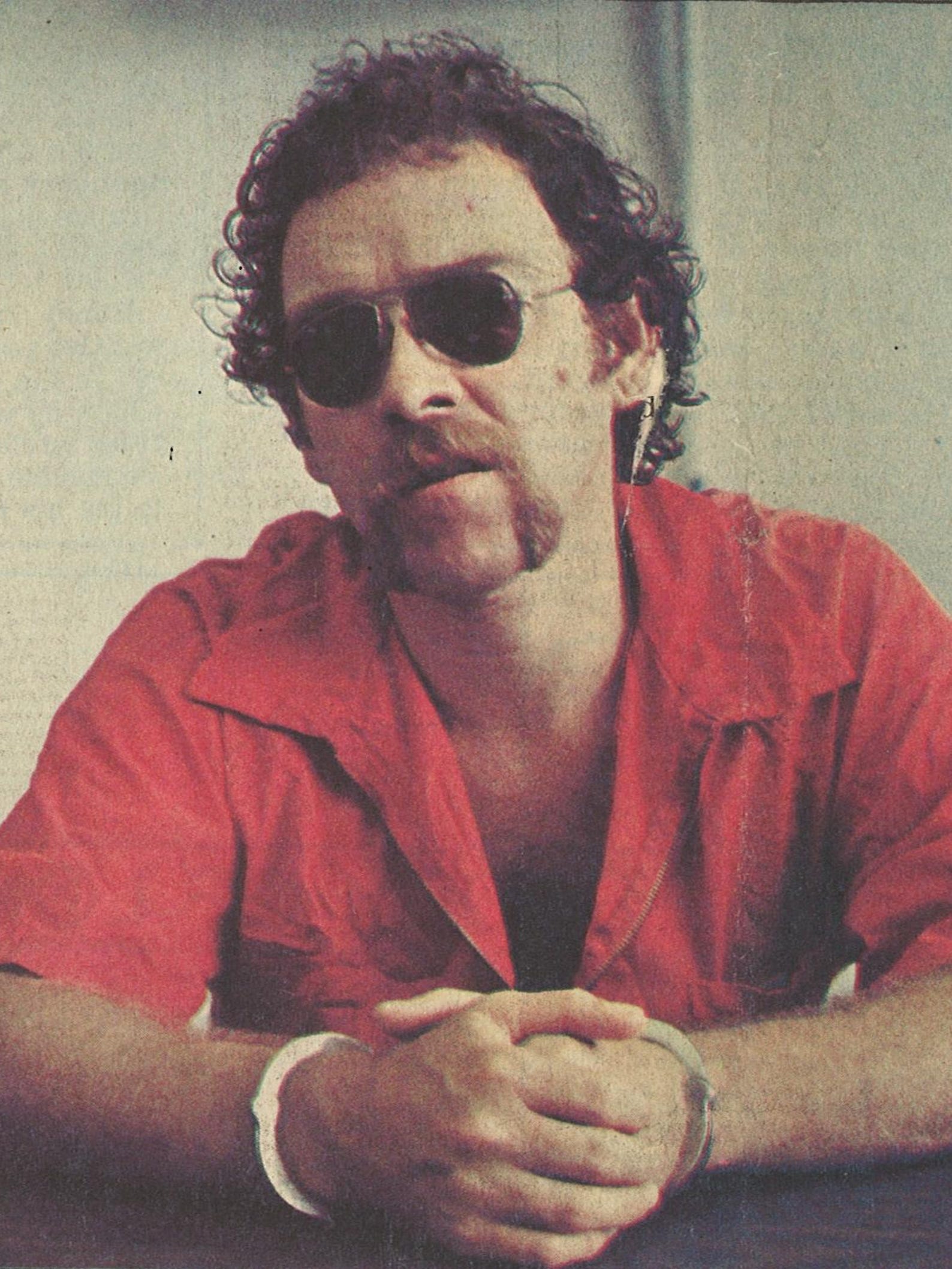
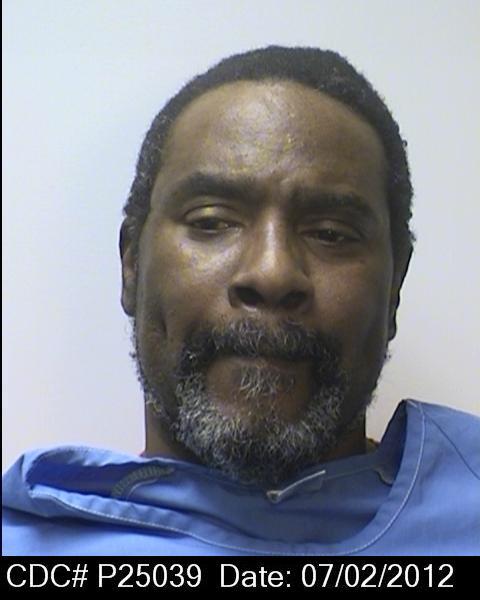
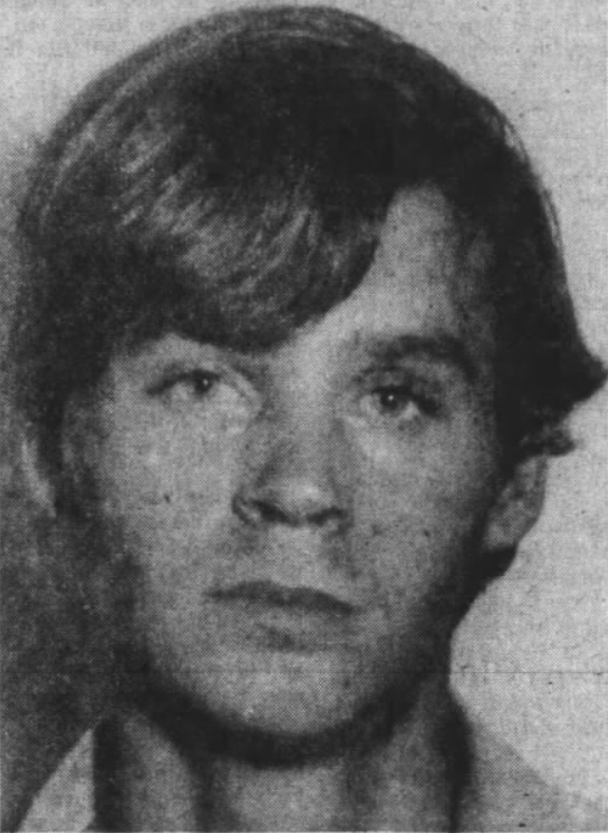
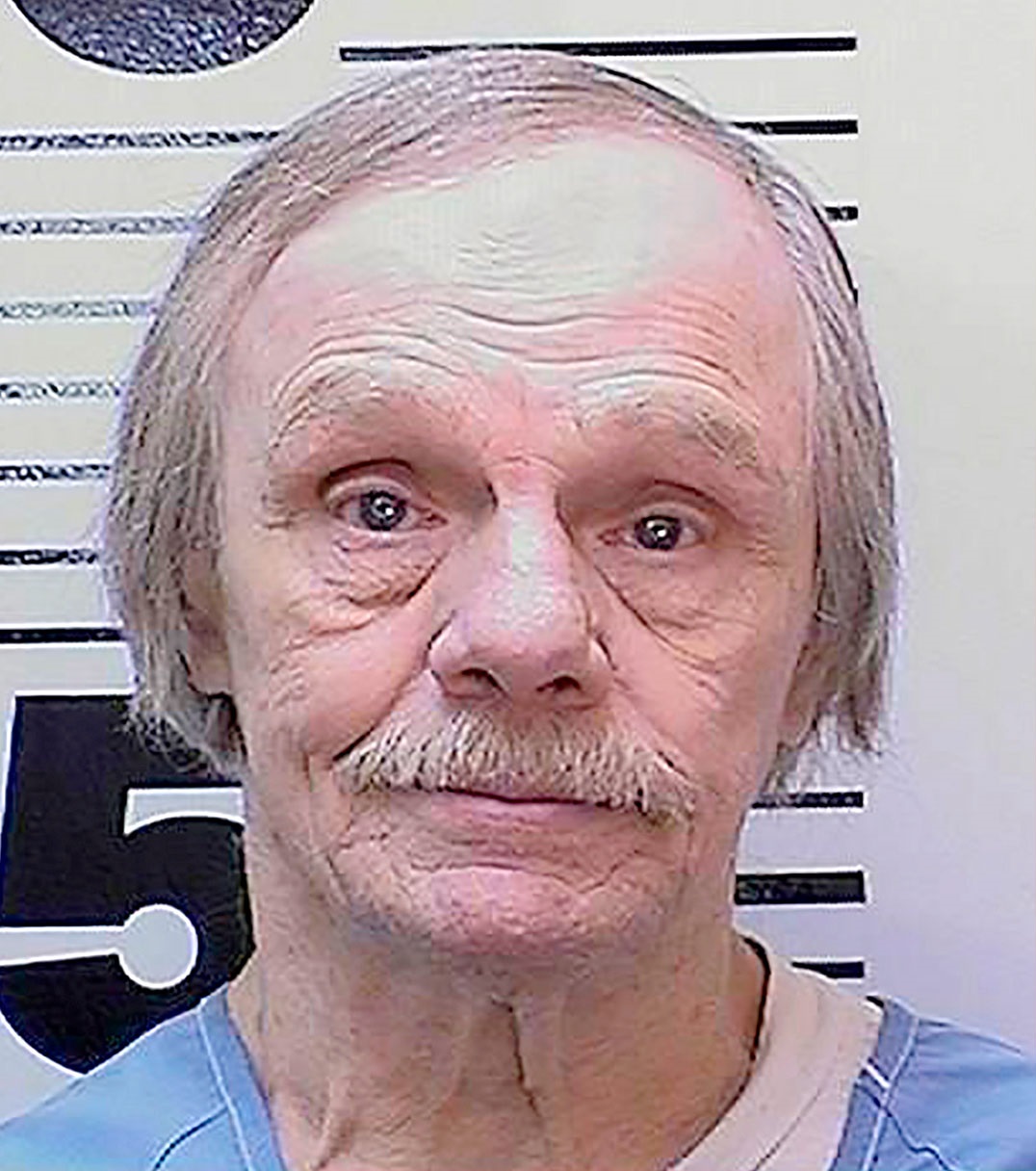
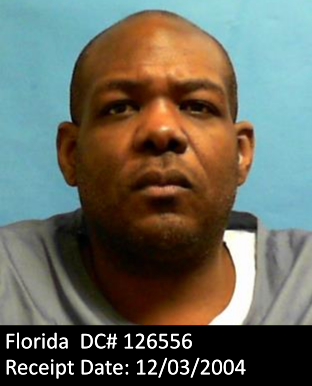
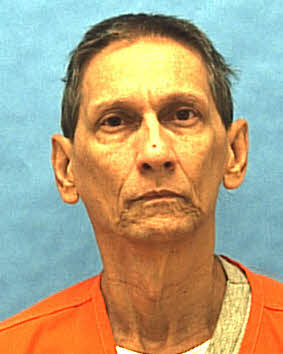
Marion Albert Pruett: The “Mad Dog Killer”
Early Life and Criminal Background
Marion Albert Pruett was an American serial killer whose violent crimes crossed four states during 1981. Born on October 4, 1949, in Gastonia, North Carolina, Pruett accumulated a lengthy criminal history before beginning the series of murders for which he became notorious. His victims included his common-law wife, a bank employee and three convenience-store clerks.
Pruett’s case became especially controversial because he committed the murders after receiving a new identity through the federal Witness Protection Program. In 1979, while serving time in a federal prison, Pruett agreed to testify concerning the killing of another prisoner. In exchange for his cooperation, authorities released him under the name Charles “Sonny” Pearson and provided him with money and assistance in establishing a new life.
Rather than abandoning crime, Pruett used his new identity while traveling through several states, committing robberies and murders. He later claimed that he had been spending thousands of dollars each week on cocaine. Money, drugs and the desire to eliminate witnesses appeared to drive much of his violence.
The Murder of Pamela Sue Barker
Pruett’s first confirmed victim was Pamela Sue Barker, his common-law wife, who was also known as Michelle Lynn Pearson. The couple lived in Rio Rancho, New Mexico, under the identities associated with Pruett’s placement in witness protection.
On April 24, 1981, Barker was killed in Rio Rancho. She was struck repeatedly with a ball-peen hammer, and her body was burned in an apparent effort to destroy evidence. Pruett admitted taking Barker’s property and later acknowledged that he needed money to finance his cocaine use, but he denied killing her.
A New Mexico jury rejected his denial and convicted him of Barker’s murder. He received a life sentence. The brutality of the killing established a pattern that would continue throughout the year: Pruett robbed people close to him or encountered during property crimes and then used lethal violence to prevent identification or resistance.
The Kidnapping and Murder of Peggy Lowe
On September 17, 1981, Pruett entered the Metrocenter branch of Unifirst Bank in Jackson, Mississippi. He was armed and demanded money from the bank. During the robbery, he abducted 42-year-old employee Peggy Lowe and forced her to leave with him.
Pruett drove Lowe away from the bank and eventually stopped in an isolated area. According to evidence later presented in court, he instructed her to leave the vehicle and walk away. While Lowe was attempting to comply, Pruett shot her in the back of the head at close range. Her killing turned what began as a bank robbery into a capital murder case.
Pruett was later convicted of Lowe’s murder and sentenced to death in Mississippi. That sentence was eventually reduced through legal proceedings, but the conviction remained an important part of the multistate case against him.
The Murder of Bobbie Jean Robertson
During the early morning hours of October 12, 1981, Pruett entered a convenience store in Fort Smith, Arkansas, where Bobbie Jean Robertson was working alone. Armed with a .38-caliber revolver, he robbed the store of approximately $163 to $165.
Pruett did not simply leave after taking the money. He forced Robertson out of the store at gunpoint, took her purse and drove her to a secluded wooded area near Horseshoe Bend, east of Southside High School. There, he shot her to death.
Robertson’s disappearance prompted an immediate investigation. Evidence connected Pruett to the convenience-store robbery, the abduction and the killing. While later imprisoned in Mississippi, he gave Fort Smith detective Larry Hammond a detailed confession describing Robertson’s murder.
On September 9, 1982, an Arkansas jury found Pruett guilty of capital murder. He was sentenced to death, originally by electrocution. That conviction ultimately became the sentence under which he was executed.
The Colorado Convenience-Store Murders
Four days after Robertson’s murder, Pruett continued his violent journey into Colorado. On October 16, 1981, he targeted two 7-Eleven stores in Larimer County, killing a clerk at each location within a matter of hours.
His first Colorado victim was 21-year-old Anthony Taitt, a Colorado State University student who was working at a 7-Eleven in Loveland. Pruett shot Taitt four times during the robbery.
Several hours later, Pruett entered another 7-Eleven in Fort Collins. There he shot and killed 24-year-old clerk James R. Balderson. The two killings yielded only a small amount of stolen money, reportedly approximately $58.
Investigators quickly recognized the similarities between the shootings. Both victims were young convenience-store clerks, both worked in the same region and both had been shot during robberies on the same date. Pruett later pleaded guilty to the murders of Taitt and Balderson and received consecutive life sentences.
Confirmed Victims
- Pamela Sue Barker, also known as Michelle Lynn Pearson — Killed on April 24, 1981, in Rio Rancho, New Mexico. Barker was Pruett’s common-law wife. She was beaten with a ball-peen hammer, and her body was burned. Pruett was convicted of her murder and sentenced to life imprisonment.
- Peggy Lowe, 42 — Kidnapped and killed on September 17, 1981, following a bank robbery in Jackson, Mississippi. Lowe was an employee at the Metrocenter branch of Unifirst Bank. Pruett drove her to an isolated location and shot her in the back of the head.
- Bobbie Jean Robertson — Abducted and killed on October 12, 1981, in Fort Smith, Arkansas. Robertson was working alone at a convenience store when Pruett robbed the business, forced her into his vehicle and shot her in a secluded wooded area near Horseshoe Bend.
- Anthony Taitt, 21 — Shot four times and killed on October 16, 1981, while working at a 7-Eleven store in Loveland, Colorado. Taitt was a student at Colorado State University.
- James R. Balderson, 24 — Shot and killed on October 16, 1981, while working at a 7-Eleven store in Fort Collins, Colorado. His murder occurred several hours after Anthony Taitt was killed in nearby Loveland.
Capture
Pruett’s crime spree ended on October 17, 1981, one day after the Colorado murders. Texas state troopers stopped his vehicle for speeding near Stratford, Texas. A routine check revealed that he was wanted in Mississippi for armed robbery.
Once Pruett was in custody, investigators from several states began comparing their cases. The robberies, witness descriptions, firearms evidence, stolen property and Pruett’s own statements linked him to the murders in New Mexico, Mississippi, Arkansas and Colorado.
Pruett sometimes confessed in detail and at other times denied responsibility or attempted to bargain with information. He reportedly sought money from members of the news media in exchange for revealing the location of Barker’s engagement ring. He also claimed to know the location of another victim’s body in Florida, although no additional murder was conclusively established from that claim.
Trials and Sentences
Pruett faced separate prosecutions because his crimes occurred in several jurisdictions. Arkansas convicted him of the capital murder of Bobbie Jean Robertson and imposed a death sentence. Mississippi also convicted him of Peggy Lowe’s murder and initially sentenced him to death.
In Colorado, Pruett pleaded guilty to murdering Anthony Taitt and James Balderson. He received two consecutive life sentences. In New Mexico, he was convicted of murdering Pamela Sue Barker and received another life sentence.
The complicated sequence of prosecutions, extraditions and appeals kept Pruett in several different state and federal court systems. In March 1988, he was returned to Arkansas to face execution, but a federal court granted a stay. His appeals continued for more than a decade before the Arkansas death sentence was ultimately allowed to proceed.
Execution
Marion Albert Pruett was executed by lethal injection at the Cummins Unit in Arkansas on April 12, 1999. He was 49 years old. The execution was carried out for the murder of Bobbie Jean Robertson.
Pruett was pronounced dead shortly after 8:00 p.m. His death concluded nearly 18 years of prosecutions and appeals arising from a killing spree that left five confirmed victims dead across four states.
Legacy of the Case
Pruett became known in the press as the “Mad Dog Killer,” a nickname reflecting the rapid movement and seemingly indiscriminate violence of his crimes. Although his murders occurred over several months, three of the killings took place within a period of only five days in October 1981.
The case also produced widespread criticism of the federal Witness Protection Program. Pruett had been released with a new identity after cooperating in a prison-murder investigation, yet authorities failed to prevent him from returning to serious crime. Families of his Colorado victims later pursued legal action alleging that government decisions concerning Pruett’s release and protection had exposed the public to a dangerous offender.
Marion Pruett’s confirmed record consists of five murders, but his various claims led investigators to consider whether he may have committed additional killings. No further victims were conclusively attributed to him. His established crimes nevertheless demonstrated a repeated pattern of robbery, abduction and witness elimination carried out across New Mexico, Mississippi, Arkansas and Colorado.