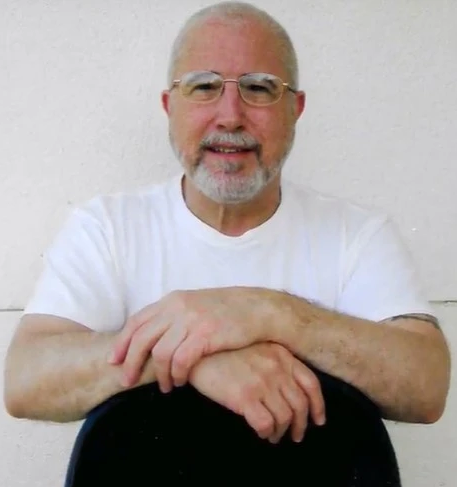
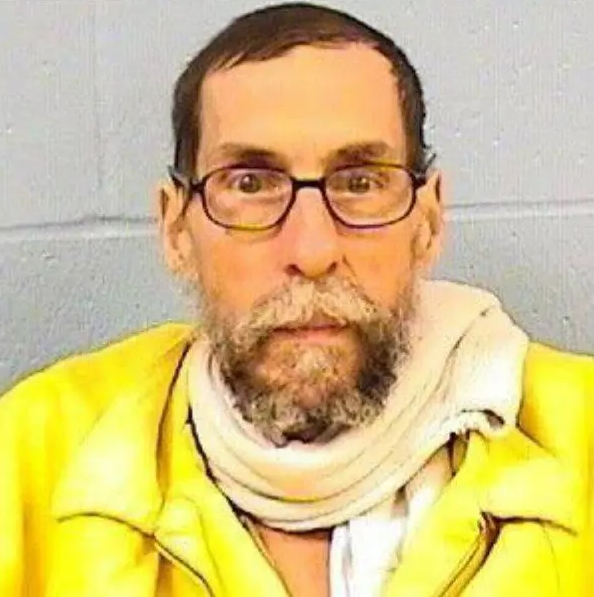
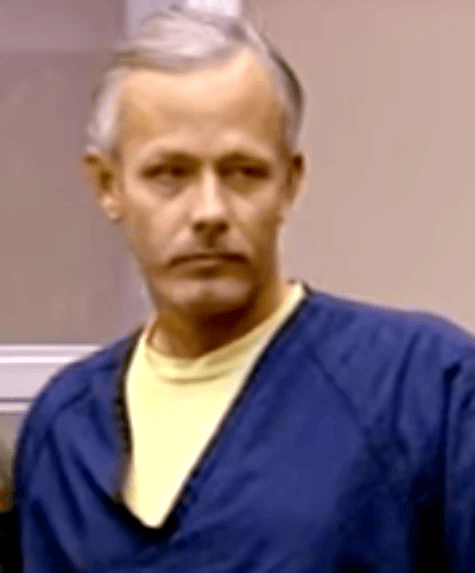
Larme Price: The September 11 Killer
Background
Larme Price was born on June 27, 1972, in Brooklyn, New York. He became an American serial killer responsible for four murders and the attempted murder of another man during a six-week shooting spree in New York City in 2003. Newspapers and investigators referred to him by several names, including the “September 11 Killer,” the “Thrill Killer,” the “Saturday Killer,” and the “.40-Caliber Killer.”
Price had a criminal history extending back to his teenage years. Beginning in 1989, he accumulated arrests involving robbery, assault, and weapons offenses. By early 2003, he was unemployed and living in the Crown Heights neighborhood of Brooklyn with his pregnant girlfriend. He reportedly supported himself in part by selling stolen college textbooks.
Relatives described Price as mentally unstable and said his psychological condition deteriorated after the September 11, 2001, terrorist attacks. He became intensely paranoid, believed that people were watching or following him, and reportedly claimed that a tracking device had been placed inside his hand. His mother said that he sometimes spoke about joining a war and appeared consumed by fear and anger connected to the attacks.
Motive and Selection of Victims
After his arrest, Price claimed that he had murdered people he believed were Arabs or Middle Eastern immigrants as revenge for September 11. He told investigators that he received “vibes” or commands through his cellular telephone directing him to kill. However, only one of the four men he murdered was actually from the Middle East. The others were immigrants from Guyana, India, and Ukraine.
The attacks did not follow a completely consistent pattern. Some victims were killed without being robbed, while money was taken during at least one of the crimes. Price also murdered Albert Kotlyar for reasons unrelated to ethnicity, later claiming that he felt disrespected after Kotlyar asked him to leave a laundromat. Investigators consequently questioned whether Price’s stated hatred of Arabs fully explained the killings or whether it was one part of a broader desire to murder vulnerable workers.
The February 8 Double Murder
Price began his confirmed killing spree during the early morning of February 8, 2003. His first victim was John Freddy, a Guyanese immigrant of Indian ancestry who worked as a dairy manager at a supermarket in Queens. Freddy stopped at the Central Mini Market in Ozone Park to drink coffee before beginning his workday.
Surveillance footage showed the gunman entering the store dressed in a dark coat, a baseball cap, and a hooded sweatshirt. Price approached Freddy from behind and fired a close-range shot into his head. There was no meaningful confrontation and no opportunity for Freddy to defend himself. Freddy, who was married and had a young son, died at the scene.
Approximately two hours later, Price traveled to the Around the Clock Minimart in the Mill Basin section of Brooklyn. Sukhjit “Sammy” Khajala, an Indian immigrant, was working behind the counter. Price shot Khajala in the face, opened the cash register, and stole approximately $169 before calmly leaving the store. Ballistics evidence later established that the same .40-caliber firearm had been used in both morning murders.
The Murder of Albert Kotlyar
More than a month passed before Price killed again. During the early morning of March 10, 2003, he entered the Laundry King laundromat on Atlantic Avenue in Brooklyn. Albert Kotlyar, a 32-year-old immigrant from Ukraine, was working the overnight shift as a manager.
Price had reportedly been sitting inside the laundromat drinking hot chocolate while watching or considering a gas station across the street. Kotlyar told him that he could not remain inside unless he was washing clothes. Price interpreted the request as an insult. He later returned to the employee’s counter, awakened Kotlyar, and shot him once in the head at close range.
Money remained at the laundromat, indicating that robbery was not the immediate purpose of the attack. A .40-caliber cartridge casing linked Kotlyar’s murder to the shootings of Freddy and Khajala. Surveillance recordings also captured a man matching the killer’s appearance and showed his distinctive manner of walking.
The Crown Heights Bodega Shooting
Price committed his final murder on March 20, 2003, at the Stop II Food Market near his home in Crown Heights. Mohammed Abdo Nasser Ali, whose name was also reported as Mohammed Ali Nassir, was a 54-year-old immigrant from Yemen. He was seated near the entrance when Price entered the business and shot him to death.
Price then moved toward the store counter and fired through an opening in a protective plastic barrier. Mohammed’s 20-year-old cousin and coworker, Yakoob Aldailam, attempted to hide but was struck in the chest, arm, and leg. Aldailam was seriously wounded but survived after receiving emergency medical treatment.
No money was taken from the store. Price later claimed that he targeted Mohammed after hearing him speak a foreign language and believing that the men were watching him. Unlike the first three murders, the final attack involved a different-caliber handgun, initially complicating efforts to connect the shooting to the earlier cases.
Confirmed Victims
- John Freddy, 42 — February 8, 2003 — Ozone Park, Queens, New York: A Guyanese immigrant of Indian descent and supermarket dairy manager. Freddy was drinking coffee at the Central Mini Market before work when Price approached him from behind and shot him in the head.
- Sukhjit “Sammy” Khajala, 50 — February 8, 2003 — Mill Basin, Brooklyn, New York: An Indian immigrant working as a cashier at the Around the Clock Minimart. Price shot Khajala in the face and removed approximately $169 from the cash register.
- Albert Kotlyar, 32 — March 10, 2003 — Brooklyn, New York: A Ukrainian immigrant and overnight manager at the Laundry King laundromat on Atlantic Avenue. Price awakened Kotlyar at the employee counter and shot him once in the head after becoming angry about being asked to leave.
- Mohammed Abdo Nasser Ali, also reported as Mohammed Ali Nassir, 54 — March 20, 2003 — Crown Heights, Brooklyn, New York: A Yemeni immigrant working at the Stop II Food Market. Price shot him while he was seated near the store entrance and then opened fire on another employee.
Surviving Victim
- Yakoob Aldailam, 20 — March 20, 2003 — Crown Heights, Brooklyn, New York: Mohammed’s cousin and coworker was shot in the chest, arm, and leg as he attempted to take cover behind the market counter. He survived the attack.
The Investigation
The murders created intense fear among New York City shopkeepers, especially immigrant business owners who believed they might be deliberately targeted. Detectives compared bullets and cartridge casings from the first three crime scenes and determined that a .40-caliber handgun had been used in each shooting.
Investigators collected surveillance recordings from stores, nearby buildings, and a gas station. The recordings showed a similarly dressed suspect with an unusual gait. He appeared to walk with a limp or pigeon-toed step and wore a Boston Red Sox baseball cap that still had a sales sticker attached. Police released a composite sketch and offered a reward for information leading to the killer’s capture.
Authorities initially considered whether Price might have committed a fifth murder. On March 1, 2003, 37-year-old automobile-shop owner Marc Zanichelli was shot and killed during a robbery in Brooklyn. Investigators eventually determined that Price was not responsible. He did not confess to Zanichelli’s murder, and the weapon used in that case was a .45-caliber firearm inconsistent with Price’s known weapons.
Confession and Arrest
On March 28, 2003, Price unexpectedly entered the New York Police Department’s 77th Precinct and claimed that he possessed information about the shopkeeper murders. He attempted to blame the shootings on another man whom he called “Dog.” Detectives immediately became suspicious because Price resembled the composite sketch and walked in the same distinctive manner as the man recorded by surveillance cameras.
Police obtained his telephone number and arranged to speak with him again. On March 29, Price confessed to the four murders. He reportedly said that reading the Bible and encountering the commandment against killing influenced his decision to admit responsibility.
A search connected to Price produced clothing similar to that worn by the person in the surveillance recordings, including a baseball cap, hooded sweatshirt, and jacket. Police also recovered a handgun from his girlfriend’s residence. Ballistics evidence connected a firearm to the final bodega shooting.
Mental Health Concerns
Price’s relatives said they had repeatedly attempted to obtain psychiatric treatment for him. His mother took him to the Woodhull Medical and Mental Health Center on March 9, 2003, one day before the murder of Albert Kotlyar. He was released that same night.
Price had also received treatment at Kings County Hospital Center in October 2001 after displaying paranoid behavior. According to his mother, he believed that unseen forces were controlling him and that people intended to harm him. These reported symptoms became an important part of the public discussion surrounding the case, although they did not prevent prosecutors from holding him criminally responsible.
Charges, Guilty Plea, and Sentence
Price was charged with four counts of murder, two counts of attempted murder, and weapons offenses. The murder charges included allegations that killings had been committed during robberies and that Price qualified for prosecution under New York’s serial-murder provisions. Because some of the charges made him eligible for capital punishment at the time, he initially faced the possibility of a death sentence.
Prosecutors and Price’s defense attorneys eventually reached an agreement that removed the death penalty. Price pleaded guilty to the murders and related offenses in exchange for a sentence ensuring that he would never be released. On February 11, 2004, a Brooklyn judge sentenced him to life imprisonment without the possibility of parole.
Price later filed multiple legal challenges seeking to overturn or modify his conviction. Courts rejected those efforts, and a federal petition for a writ of habeas corpus was denied in 2014. He has remained incarcerated in the New York State prison system.
Legacy of the Case
Larme Price’s crimes were especially disturbing because they occurred in a city still recovering from the September 11 attacks. Price attempted to characterize his murders as revenge, but his victims were innocent immigrants with no connection to terrorism. They were killed while drinking coffee, working overnight shifts, operating neighborhood stores, or performing ordinary tasks necessary to support their families.
The case demonstrated how racial and ethnic hatred, personal resentment, paranoia, and predatory violence could become intertwined. It also raised questions about missed opportunities for mental health intervention. Price had displayed alarming behavior and had reportedly sought or been taken for treatment, yet he remained free during the period in which he committed the murders.
His victims came to New York from different parts of the world and were attacked in workplaces that served their local communities. John Freddy, Sukhjit Khajala, Albert Kotlyar, and Mohammed Abdo Nasser Ali were not symbols or representatives of Price’s imagined enemies. They were individual men whose lives were abruptly ended during one of New York City’s most frightening serial-shooting investigations.