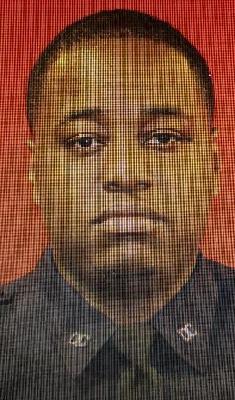
John Freddy, a 43-year-old man, stepped into the Central Mini Market at 76-20 Liberty Ave. in Ozone Park, Queens, just as he did on so many work mornings—coffee first, then across the street to the Associated Supermarket where co-workers said it was part of his daily routine. Not long after, police said two men were in the deli: one drew the clerk’s attention by asking for items, and the other moved in close enough to fire a single shot to Freddy’s head.
Officers arriving to the 911 call pronounced him dead at the scene at 6:49 a.m., and the shock rippled outward—co-workers spoke of him as a good person, and reports noted he left behind a wife and a 6-year-old son.
In the first frantic days, investigators described a hunt for two suspects—two Black men thought to be in their 20s or 30s—one reported in a blue denim jacket and the other in a dark jacket marked with “DKNY,” a “55” on the sleeve, and a “D” on the chest. Police released video of the moments leading up to the shooting and announced a reward—reported as $12,000—for information that could identify and lead to the arrest of those responsible. As February wore on, a composite sketch of one suspect was circulated, and the public was urged to call the tip line as the case refused to loosen its grip.
Then the story widened, and the dread deepened. Detectives began looking at Freddy’s killing alongside other early-morning store shootings, including a second Feb. 8 killing in Brooklyn, as the possibility of a single pattern—one crew, one weapon, one method—started to feel less like speculation and more like an emerging trail. Reports at the time described investigators weighing additional cases as well, trying to determine whether the same suspects were targeting grocery and deli workers across borough lines.
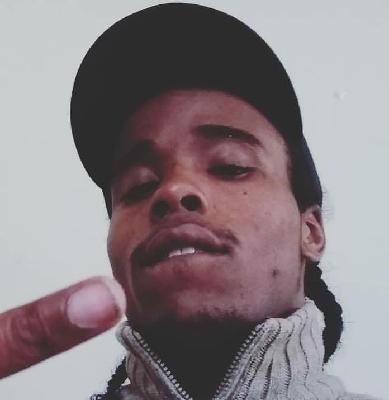
The break came weeks later, when Larme Price—a Brooklyn man—was identified by police as the suspect in a string of similar murders. Reporting described him as turning himself in and confessing, and police said he claimed the killings were fueled by paranoia and resentment tied to the September 11 attacks and people he believed were of Middle Eastern background. In the neighborhood where Freddy had been killed, the relief was tangible; people who had watched the morning routine of storefronts and coffee cups turn into something terrifying spoke as if the air itself had changed once the name of a suspect was finally attached to the fear.
As investigators reconstructed what happened inside the Ozone Park mini market, attention turned to what cameras captured and what Price told detectives afterward. In later reporting, detectives said Price ultimately admitted he was the person they were looking for, and he was charged with four counts of murder and two counts of attempted murder. The same reporting also said a second man seen entering the Ozone Park location with Price was identified, but prosecutors chose not to charge him because he was considered more valuable as a witness.
The case moved through the courts, and the legal record shows that Price’s sentence—imposed on February 11, 2004—was later challenged on appeal as excessive, but the sentence was affirmed by the Appellate Division in a decision dated February 14, 2005. Reports also state Price took a plea deal to avoid the death penalty and was sentenced to life in prison without the possibility of parole, closing the criminal case against the person authorities said pulled the trigger in the killing that ended John Freddy’s morning, and altered the rhythm of that Queens block forever.