James Gregory Marlow: The Folsom Wolf
Background and Criminal History
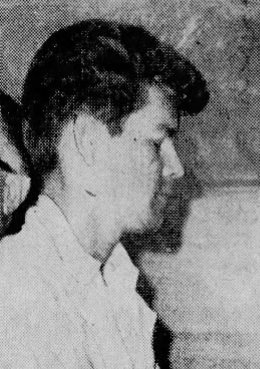
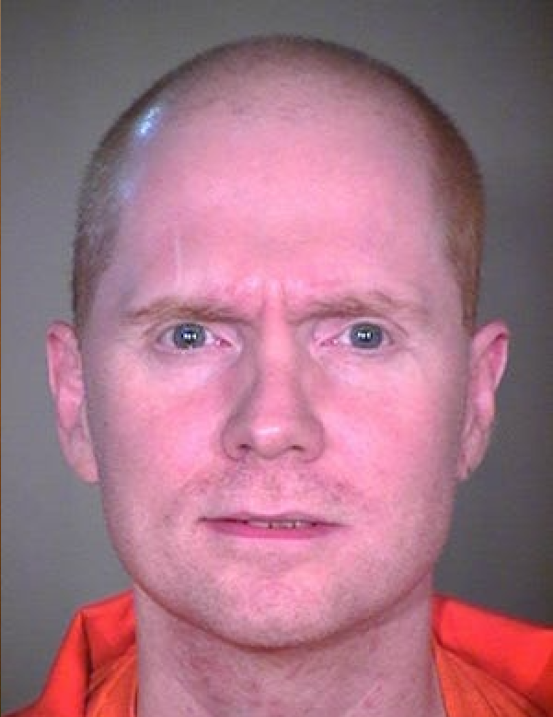
James Gregory Marlow was an American serial killer whose violent criminal career culminated in a rapid series of kidnappings, robberies, sexual assaults, and murders during the autumn of 1986. Known by the self-styled nickname “The Folsom Wolf,” Marlow committed his most notorious crimes with Cynthia Lynn Coffman, a woman he met shortly after his release from prison. The couple traveled through several states, supporting themselves through theft, robbery, and other crimes before their conduct escalated into repeated acts of lethal violence.
Marlow was born in 1957 and had accumulated a lengthy criminal record before meeting Coffman. He reportedly began stealing as a child and spent much of his adult life moving through jails and prisons. His previous offenses included burglary, armed robbery, escape, and attacks in which victims were threatened with knives. In 1980, he was sent to Folsom State Prison in California for a series of home invasions and robberies. While incarcerated, he embraced white-supremacist beliefs and cultivated the intimidating identity that led to his “Folsom Wolf” nickname.
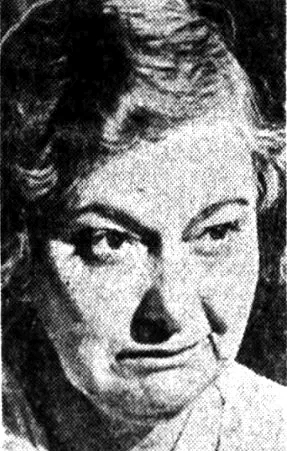
Coffman met Marlow while visiting another prisoner. After Marlow was released, the two began a relationship characterized by heavy methamphetamine use, instability, and violence. They married and traveled together, frequently using stolen vehicles and living with acquaintances or in inexpensive temporary accommodations. Coffman later claimed that Marlow dominated, assaulted, threatened, and psychologically controlled her. Prosecutors, however, argued that she knowingly participated in selecting victims, restraining them, stealing their property, and concealing the crimes.
The Beginning of the 1986 Murder Spree
By October 1986, Marlow and Coffman were in Southern California. Their victims were generally women traveling alone, often near banks, shopping areas, or automatic teller machines. The couple’s methods allowed them to obtain money, automobiles, bank cards, and personal property while also reducing the likelihood that a victim could immediately alert police. The abductions occurred in public places, yet the victims were quickly forced into vehicles and taken away from possible witnesses.
The first known victim in the series was Sandra Ann Lee Neary, a 32-year-old wife and mother from Costa Mesa. On the evening of October 11, 1986, Neary left home to withdraw money from her bank. Her husband and young daughter waited for her, but she did not return. Her abandoned automobile was later found in a parking area. On October 24, hikers discovered her decomposed body near Corona in Riverside County. Investigators determined that she had been strangled. Her disappearance established the pattern that would be repeated during the following month: a woman vanished while conducting an ordinary errand, her vehicle was abandoned or stolen, and her body was left in a remote location.
On October 28, 1986, Pamela Simmons, 35, disappeared in Bullhead City, Arizona. Simmons was believed to have been abducted near an automatic teller machine or shopping area. Her vehicle was found abandoned near police headquarters, while her body was discovered off Arizona State Route 68, approximately five miles outside Bullhead City. The circumstances closely resembled the Neary case. Simmons had been isolated, robbed, and killed before her remains were left along a roadway outside the city.
The Abduction and Murder of Corinna Novis
On November 7, 1986, Marlow and Coffman targeted 20-year-old Corinna Novis in Redlands, California. Novis worked at a State Farm Insurance office and was driving a new white Honda CRX. At approximately 5:30 p.m., she cashed a check at a First Interstate Bank drive-through window near the Redlands Mall. She was expected at a manicure appointment afterward but never arrived.
Evidence presented in court established that Marlow and Coffman abducted Novis and took control of her automobile. They transported her to the Fontana home of one of Marlow’s acquaintances. Novis was held against her will, restrained, robbed, and subjected to sexual violence. She was later taken to an isolated area near a cemetery in San Bernardino County. There, she was strangled with a ligature and left in a shallow grave.
After killing Novis, Marlow and Coffman continued using her Honda. Their possession of the distinctive white automobile became an important part of the investigation. Novis’s disappearance attracted attention because she had vanished suddenly after leaving work, abandoning plans and family obligations without explanation. Her body was not recovered until after the couple’s arrest, when information provided to investigators helped authorities locate the burial site.
The Murder of Lynell Murray
Only five days after Novis disappeared, Marlow and Coffman abducted 19-year-old college student Lynell Murray in Orange County. On November 12, 1986, Murray drove to a shopping center in Huntington Beach. Marlow and Coffman confronted her and forced their way into her life with the same mixture of intimidation, restraint, and violence used against their earlier victims.
Murray was kidnapped in connection with the theft of her automobile and property. She was held captive, robbed, raped, and driven away from the place where she had been taken. Marlow eventually strangled her and concealed her body in a remote location. Murray’s killing became one of the most thoroughly prosecuted crimes connected to the couple. Marlow later pleaded guilty to charges that included her murder, kidnapping, robbery, rape, and burglary.
The theft of Murray’s vehicle also contributed directly to the end of the couple’s crime spree. Police officers investigating suspicious activity located Marlow and Coffman on November 14, 1986, only two days after Murray’s death. Evidence associated with their victims, including stolen vehicles and personal property, connected them to the disappearances. Investigators also recovered Corinna Novis’s white Honda near a highway in the San Bernardino Mountains.
Known and Suspected Victims
- Sandra Ann Lee Neary, 32: Abducted and killed on October 11, 1986, after leaving her Costa Mesa, California, home to withdraw money from a bank. Her car was found abandoned, and her body was discovered by hikers on October 24 near Corona in Riverside County. She had been strangled.
- Pamela Simmons, 35: Abducted and killed on October 28, 1986, in or near Bullhead City, Arizona. Her automobile was abandoned near the local police station, and her body was found off Arizona State Route 68 outside Bullhead City.
- Corinna Novis, 20: Abducted and killed on November 7, 1986, after cashing a check near the Redlands Mall in Redlands, California. She was restrained, robbed, sexually assaulted, strangled, and buried near a cemetery in San Bernardino County.
- Lynell Murray, 19: Abducted and killed on November 12, 1986, after visiting a shopping center in Huntington Beach, California. She was kidnapped, robbed, raped, and strangled. Her car and property were taken by Marlow and Coffman.
Additional Suspected Crime
Marlow and Coffman were also investigated in connection with the death of 28-year-old Gregory Hill in Whitley City, Kentucky, on July 7, 1986. Hill’s death occurred several months before the four confirmed female victims were killed. Some accounts have described Marlow and Coffman as suspects or possible participants, but the California convictions that produced their best-known sentences concerned Corinna Novis and Lynell Murray. Hill should therefore be regarded as a suspected victim rather than one of the murders conclusively established by Marlow’s California convictions.
Arrest and Confessions
Marlow and Coffman were arrested on November 14, 1986. Their capture brought a sudden end to a murder series that had taken four lives within approximately one month. During questioning, Coffman provided statements describing the crimes and directed investigators toward evidence and locations associated with the victims. Her accounts implicated both herself and Marlow, although she attempted to portray Marlow as the controlling force behind the violence.
The investigation crossed several jurisdictions because the victims had disappeared in Orange, Riverside, San Bernardino, and Mohave counties. Detectives had to compare missing-person reports, abandoned automobiles, bank transactions, witness statements, and physical evidence. Once investigators recognized that Marlow and Coffman possessed vehicles and belongings linked to missing women, the apparently separate cases began to form a single pattern.
Trials and Convictions
Marlow and Coffman were prosecuted in San Bernardino County for the murder of Corinna Novis. Prosecutors presented evidence showing that the pair had deliberately selected and abducted Novis, held her captive, stolen her property, and killed her to prevent identification. The jury rejected attempts to minimize Coffman’s responsibility and found both defendants guilty of first-degree murder with special circumstances and related offenses.
On August 30, 1989, Marlow and Coffman were sentenced to death for the murder of Corinna Novis. Coffman became the first woman sentenced to death in California after the state restored capital punishment in 1977. The Novis case demonstrated that the killing was not an isolated act but part of a continuing course of kidnapping, robbery, sexual violence, and murder.
Marlow was separately prosecuted in Orange County for the crimes against Lynell Murray. He pleaded guilty to burglary and to Murray’s murder, kidnapping, robbery, and rape. A jury subsequently returned a death verdict. The prosecution used evidence from the Novis murder and Marlow’s earlier violent conduct to demonstrate the calculated and repeated nature of his crimes.
Appeals and Imprisonment
Marlow appealed his convictions and death sentences, challenging several aspects of the trials and penalty proceedings. In 2004, the California Supreme Court upheld the judgments against him. The court’s opinions preserved extensive accounts of the Novis and Murray cases, including the movements of the victims, the recovery of their vehicles, statements made after the arrests, and evidence showing the participation of both Marlow and Coffman.
Marlow remained under a sentence of death in California. His case became one of the state’s most notorious examples of a homicidal couple operating together. Although Coffman claimed that she acted under Marlow’s domination, the courts concluded that sufficient evidence showed intentional participation in the abductions and related crimes. Both were held legally responsible for the violence committed during their partnership.
Pattern and Legacy of the Crimes
The Marlow-Coffman killings were particularly alarming because the victims were taken while performing ordinary activities. They were leaving home, withdrawing money, visiting shopping centers, or traveling to appointments. Marlow exploited those moments of isolation, turning common public places into the starting points of prolonged crimes. The theft of the victims’ vehicles and money provided an immediate financial motive, while the decision to kill them eliminated witnesses who could identify their abductors.
The murders of Sandra Neary, Pamela Simmons, Corinna Novis, and Lynell Murray left families facing sudden disappearances followed by devastating discoveries. The victims ranged from a married mother to young women beginning their adult lives. Their deaths occurred in different cities and counties, but the timing, targeting, and circumstances revealed a connected campaign of violence.
James Gregory Marlow’s history shows an escalation from childhood theft and repeated property crimes to armed robbery, kidnapping, sexual assault, and serial murder. His partnership with Cynthia Coffman intensified that progression. Within weeks, they crossed state and county lines, accumulated stolen cars and possessions, and killed repeatedly before evidence from their final victims led police to them. Their arrests on November 14, 1986, ended the spree and allowed investigators to recover the bodies of missing women, connect previously separate cases, and begin the long process of holding both offenders accountable.