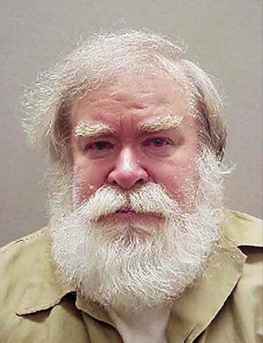
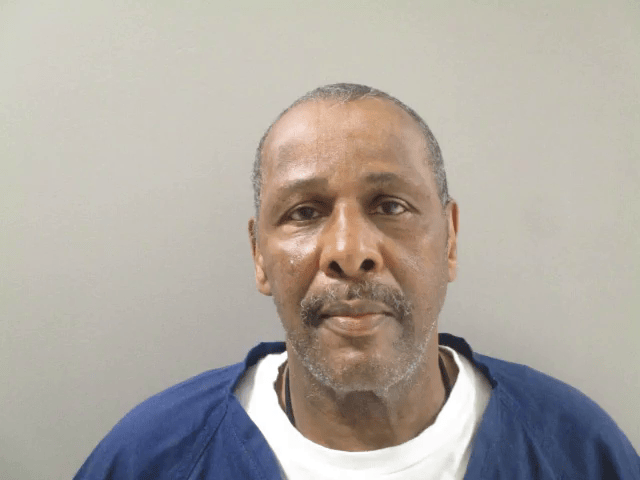
Dale Shawn Hausner: The Phoenix Serial Shooter
Dale Shawn Hausner was an American serial killer whose random drive-by shootings terrorized the Phoenix metropolitan area between 2005 and 2006. Rather than selecting victims because of personal disputes, robbery, revenge, or any recognizable connection, Hausner targeted strangers who happened to be walking, riding bicycles, waiting at bus stops, or standing outside late at night. The apparent randomness of the attacks made the crimes especially frightening because almost anyone outdoors after dark could become a target.
Hausner was ultimately convicted of murdering six people and committing dozens of other offenses, including attempted murder, aggravated assault, drive-by shooting, conspiracy, arson, and animal cruelty. Two additional killings were investigated as part of the same crime series, but Hausner was acquitted of those murders.
Early Life and Personal Background
Dale Shawn Hausner was born on February 4, 1973. Before his arrest, he lived in Arizona and maintained an outwardly ordinary working life. He was employed as a custodian at Phoenix Sky Harbor International Airport and also worked around the local boxing community as a photographer and journalist.
Hausner had experienced significant personal tragedy. In 1994, two of his young sons died in an automobile accident. During his later murder trial, evidence was also presented concerning his family relationships, substance abuse, and previous violent behavior. None of these circumstances explained or excused the calculated attacks he committed against strangers.
At the time of the shootings, Hausner was regularly using methamphetamine. His friend and roommate, Samuel John Dieteman, joined him during many of the crimes. Hausner's brother, Jeff Hausner, was also involved in several related violent offenses, although the evidence did not establish that Jeff participated in the six murders for which Dale Hausner was convicted.
The Beginning of the Serial Shooter Investigation
The first attacks associated with the Phoenix Serial Shooter investigation occurred in May 2005. The gunman generally approached victims from a moving automobile, fired at them, and quickly left the area. Most of the shootings occurred late at night or during the early morning hours, when there were few witnesses.
The victims were frequently pedestrians, bicyclists, unhoused people, or individuals waiting alone near roads and bus stops. Several dogs and other animals were also deliberately shot. The shooters used different firearms, including a .22-caliber weapon and 12-gauge and .410 shotguns.
Because the attacks were scattered across Phoenix and surrounding communities, investigators initially had difficulty proving that they were connected. The crimes occurred in Phoenix, Mesa, Scottsdale, Tempe, Tolleson, and other parts of the metropolitan area. As additional victims were attacked under similar circumstances, police concluded that a serial shooter was deliberately hunting vulnerable people and animals.
Victims Hausner Was Convicted of Murdering
- David Roy Anthony Estrada, 20 — June 29, 2005 — Tolleson, Arizona: Estrada was killed in a random drive-by shooting in Tolleson, west of Phoenix. He had been born on May 20, 1985, and was only 20 years old when his life was taken. Hausner was later convicted of his murder.
- Nathaniel Shoffner, 44 — November 11, 2005 — Phoenix, Arizona: Shoffner was fatally shot during a night in which Hausner was also targeting dogs. Accounts of the crime described Shoffner as attempting to protect a dog from being shot. Hausner was convicted of murdering him.
- Jose Ortis, 44 — December 29, 2005 — Phoenix, Arizona: Ortis was shot and killed during a concentrated series of nighttime attacks. His murder occurred within a short distance of the location where Marco Carillo was also killed. Some records spell his surname as Ortiz, but the Arizona Supreme Court opinion in Hausner's case identifies him as Jose Ortis.
- Marco Carillo, 28 — December 29, 2005 — Phoenix, Arizona: Carillo was murdered within minutes and approximately two blocks of the shooting that killed Jose Ortis. Hausner also attacked another pedestrian in the same area that evening, but that victim survived.
- Claudia Gutierrez-Cruz, 20 — May 2, 2006 — Scottsdale, Arizona: Gutierrez-Cruz was leaving the area of a bus stop when she was targeted. Samuel Dieteman fired the fatal shot while Hausner drove the vehicle. Hausner was convicted of her murder under Arizona law because he knowingly and actively participated in the planned killing.
- Robin Blasnek, 22 — July 30, 2006 — Mesa, Arizona: Blasnek was walking at night toward her boyfriend's home when she was shot in the back with a .410 shotgun. A neighbor found her alive, but she later died from her injuries at a hospital. Her murder became the final fatal shooting in the series before Hausner and Dieteman were arrested.
Additional Suspected Victims
Hausner was charged with two additional murders committed near the beginning of the crime series. Prosecutors believed the killings were connected to the later Serial Shooter attacks, but the jury acquitted Hausner of both charges. These victims should therefore be described as suspected victims rather than murders legally proven against him.
- Tony Junior Mendez, 38 — May 17, 2005 — Phoenix, Arizona: Mendez was a construction worker who was riding a bicycle when he was shot in the back. First responders initially believed he might have been struck by a vehicle before discovering the gunshot wound. Hausner was tried for the murder but was acquitted.
- Reginald “Reggie” Remillard, 56 — May 24, 2005 — Phoenix, Arizona: Remillard was attacked while sleeping at a bus stop. He was shot in the neck and died from his injuries. Investigators connected the shooting to the Serial Shooter investigation, but Hausner was acquitted of Remillard's murder.
The December 2005 Night of Violence
December 29, 2005, was one of the most violent nights in the crime series. Hausner traveled through the Phoenix area and fired at buildings, animals, and pedestrians over several hours. The attacks included shots directed at a bartending school in Tempe and several shootings in nearby neighborhoods.
Jose Ortis and Marco Carillo were killed within minutes of each other and within approximately two blocks of one another. A third pedestrian was also shot in the same area but survived. On the following night, another person was attacked and survived. The sequence demonstrated that Hausner was not acting impulsively during a single brief encounter. He was driving through the metropolitan area searching for targets and repeatedly returning to violence.
Attacks on Survivors
In addition to the people who were killed, numerous victims survived shootings connected to Hausner. The Arizona Supreme Court described 18 wounded victims in the offenses for which he was convicted. Other public accounts of the broader Serial Shooter investigation have reported a higher number of injured people when suspected or separately prosecuted attacks are included.
Many survivors were struck without warning while carrying out ordinary activities. Some were walking home, riding bicycles, standing near roads, or going to stores. One survivor, Paul Patrick, was attacked while walking through his Phoenix neighborhood to purchase cigarettes. He survived and later attended Hausner's trial.
The indiscriminate nature of the shootings created unusual investigative difficulties. The victims generally did not know Hausner or Dieteman, and there was no obvious motive connecting one attack to another. Survivors often had only a brief impression of a passing vehicle and could provide little information about the person who fired the weapon.
Animal Shootings and Arson
Hausner's crimes were not limited to attacks on people. Dogs were shot outside their owners' homes, and other animals were targeted from passing vehicles. Two dogs named Irving and Shep were shot on November 11, 2005, within approximately one mile and one hour of each other. This was the same night Nathaniel Shoffner was murdered.
Investigators also examined the shooting of a horse named Apache in Tolleson during July 2005. Hausner was convicted at trial of animal cruelty in connection with the horse, but the Arizona Supreme Court later reversed that particular conviction because the evidence was insufficient to prove beyond a reasonable doubt that Hausner was responsible.
Hausner and Dieteman were also connected to arson. The crimes included fires at Walmart stores and other destructive acts. These incidents reflected the same pattern seen in the shootings: violence and destruction committed for excitement rather than for financial gain or a personal objective.
Samuel Dieteman's Role
Samuel John Dieteman was Hausner's friend and roommate. He participated in many of the shootings and later became an important witness for the prosecution. Dieteman testified that he and Hausner drove around at night while armed and searched for people or animals to attack.
Dieteman admitted firing the shot that killed Claudia Gutierrez-Cruz while Hausner drove. His testimony also described conversations in which Hausner discussed earlier crimes, including murders committed before Dieteman became involved.
Dieteman eventually entered a plea agreement. He pleaded guilty to two murders and received life imprisonment without the possibility of parole. In exchange, he testified against Hausner and provided jurors with an inside account of their activities.
The Tip That Led Police to the Suspects
The investigation changed direction after Ron Horton, an acquaintance of Dieteman, contacted authorities. Dieteman had made statements suggesting that he was involved in the shootings. Horton was initially uncertain whether the confession was truthful, but he later provided Dieteman's name to investigators.
After Robin Blasnek was murdered on July 30, 2006, the urgency of the investigation increased. Police connected Dieteman to surveillance footage involving a Walmart fire and began watching him. During this surveillance, investigators identified Hausner, who had not previously been a principal suspect.
On August 1, Horton arranged to meet Dieteman at a bar. Police observed Hausner drive Dieteman to the location in a Toyota Camry. Witnesses in some of the shootings had described a similar type of vehicle, increasing investigators' suspicions.
Police Surveillance and Emergency Wiretaps
During the early morning hours of August 2, 2006, officers followed Hausner and Dieteman as they drove through several communities in the southeastern Phoenix metropolitan area. Their route appeared aimless until they encountered pedestrians or bicyclists. At those moments, the vehicle slowed, circled the area, or passed the same person more than once.
Police feared another shooting was imminent. Investigators obtained authorization to install electronic monitoring devices in Hausner's apartment and automobile. The recordings captured Hausner and Dieteman discussing specific shootings, mocking victims, and making incriminating statements about their crimes.
Hausner spoke about enjoying shooting people and complained that the number of victims reported by the police was too low. The conversations showed that the attacks were not accidents or momentary reactions. Hausner viewed the shootings as entertainment and took pride in the fear created by the crime series.
Investigators also recovered a discarded bag containing .410 shotgun shells, newspaper stories, and a map of the Phoenix area marked near shooting locations. Hausner's and Dieteman's fingerprints were found on the map. A note contained Robin Blasnek's name and information about the time and date of her shooting.
Arrest and Searches
Hausner and Dieteman were arrested shortly before midnight on August 3, 2006. Their arrests ended more than a year of random shootings that had frightened residents throughout the Phoenix metropolitan area.
When questioned, Hausner admitted that he owned shotguns but denied participating in the attacks. He referred to the use of a .410 shotgun even though police had not publicly disclosed that detail. This statement further increased investigators' belief that he possessed information only someone connected to the shootings would know.
Searches of Hausner's apartment and vehicle produced firearms, ammunition, shell casings, bullets, maps, recordings, and newspaper clippings concerning the investigation. A firearms examiner linked evidence from several crime scenes to weapons or ammunition associated with Hausner.
Hausner publicly declared his innocence and held a press conference after his arrest. He continued to deny responsibility during his trial, attempting to place blame on Dieteman and challenge the prosecution's physical and testimonial evidence.
The Criminal Charges
Prosecutors filed 88 felony charges against Hausner in a group of indictments that were later consolidated for trial. The allegations included eight murders, numerous attempted murders and assaults, drive-by shootings, conspiracies, animal cruelty, weapons offenses, and arson.
On March 13, 2009, a jury found Hausner guilty of 80 offenses and acquitted him of seven charges. One other charge had been dismissed. The guilty verdicts included six counts of first-degree murder.
The jury acquitted Hausner of murdering Tony Mendez and Reginald Remillard. Although investigators continued to consider those deaths part of the broader Serial Shooter crime pattern, the acquittals meant that Hausner could not legally be punished for those two killings.
The Death Sentences
During the sentencing proceedings, prosecutors argued that several murders were committed in an especially cruel, heinous, or depraved manner. They also presented evidence showing that Hausner carefully planned the attacks even though he selected his individual victims at random.
The jury imposed six death sentences, one for each murder conviction. Hausner declined to present substantial mitigating evidence and told the jury that he believed the death penalty should be imposed. The court also sentenced him to consecutive life terms for conspiracy and imposed numerous additional prison sentences for his non-capital crimes.
Appeal to the Arizona Supreme Court
Because Hausner received death sentences, his case was automatically reviewed by the Arizona Supreme Court. On July 10, 2012, the court affirmed his six murder convictions, the death sentences, and nearly all of his additional convictions.
The court reversed one animal-cruelty conviction involving the horse Apache. The justices ruled that the evidence did not establish beyond a reasonable doubt that Hausner had committed that particular shooting. The reversal did not affect his murder convictions or death sentences.
Death in Prison
Hausner was imprisoned on death row at the Arizona State Prison Complex-Eyman near Florence, Arizona. He later expressed a desire to end his appeals and have his execution carried out without unnecessary delay.
On June 19, 2013, Dale Shawn Hausner was found unresponsive in his prison cell. He was pronounced dead later that day at the age of 40. A medical investigation determined that he died from an overdose of the antidepressant medication amitriptyline. His death was ruled a suicide.
The Impact on the Phoenix Metropolitan Area
The Serial Shooter attacks created widespread fear because there was no reliable way for residents to predict who would be targeted. Victims were selected because they were visible and accessible, not because they had any relationship with their attackers. Walking alone, waiting for transportation, riding a bicycle, or standing outside after dark became activities associated with danger.
The case was further complicated by another serial offender operating in the same region. While police were searching for the Serial Shooter, the man later identified as Mark Goudeau was committing a separate series of murders, sexual assaults, robberies, and kidnappings. The simultaneous investigations contributed to a period sometimes described as Phoenix's “Summer of Fear.”
Hausner's offenses demonstrated how random violence can affect an entire metropolitan area. Although six murders were proven against him, the scope of the case extended far beyond the fatal attacks. Survivors lived with permanent injuries and trauma, families lost loved ones without warning, animals were deliberately harmed, and thousands of residents changed their daily routines because of fear.
Remembering the Victims
The victims of Dale Hausner and his associates were not connected by a shared lifestyle, occupation, neighborhood, or personal relationship. They were brought together only by the actions of offenders who treated strangers as targets. The randomness that defined the shootings should not be allowed to erase the individuality of the people who died.
David Estrada, Nathaniel Shoffner, Jose Ortis, Marco Carillo, Claudia Gutierrez-Cruz, and Robin Blasnek were the six people Hausner was convicted of murdering. Tony Mendez and Reginald Remillard were also killed during the period covered by the Serial Shooter investigation, although Hausner was acquitted of their murders.
The lasting history of the case belongs not only to the killer but also to the victims, survivors, relatives, witnesses, investigators, and community members who endured more than a year of violence. Hausner died in prison without being executed, but the convictions ensured that the six murders legally proven against him remained part of the public record.