Gary Charles Evans: The Crimes and Victims of a New York Serial Killer
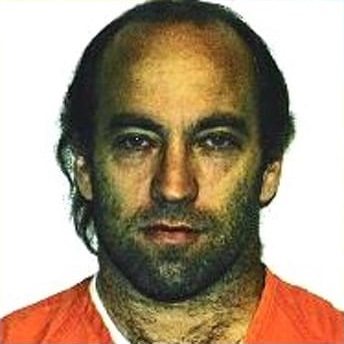
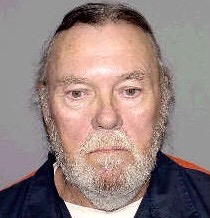
Gary Charles Evans was an American burglar, antiques thief, escape artist and confessed serial killer who murdered five men in New York between 1985 and 1997. His victims included three friends and criminal associates, as well as two merchants killed during carefully planned robberies.
Evans was born on October 7, 1954, in Troy, New York. He spent much of his adult life moving between prison, parole and new criminal schemes. Although theft remained his primary occupation, he was willing to kill anyone he believed threatened his freedom, interfered with a robbery or possessed information that could expose him.
His murders remained disconnected and unsolved for years. It was not until Evans surrendered to authorities in 1998 and began confessing that investigators were able to connect him to the five deaths. He died on August 14, 1998, during an escape attempt before he could be tried for the killings.
Confirmed Victims of Gary Charles Evans
- Michael Falco, approximately 30 years old — Killed in July 1985 inside an apartment in Troy, Rensselaer County, New York. Evans dismembered Falco's body and transported the remains to Palm Beach County, Florida, where they were buried. The remains were recovered on July 14, 1998.
- Douglas J. Berry, 63 years old — Killed on September 8, 1989, inside his secondhand, coin and jewelry store near Public Square in Watertown, Jefferson County, New York.
- Damien James Cuomo, approximately 27 years old — Killed on December 29, 1989, in Watertown, Jefferson County, New York. Evans buried his body behind an apartment building. Cuomo's remains were recovered on June 23, 1998.
- Gregory “Greg” Jouben, 36 years old — Killed on October 17, 1991, inside his coin and jewelry shop in the Burrell Building in Little Falls, Herkimer County, New York.
- Timothy Wayne “Tim” Rysedorph, 39 years old — Killed on October 3, 1997, at or near a rented storage facility in Colonie, Albany County, New York. His remains were discovered in a wooded area in Brunswick, Rensselaer County, on June 19, 1998.
Early Life in Troy, New York
Gary Charles Evans grew up in Troy in a troubled and unstable household. He later described his childhood as physically and emotionally abusive. His family life was marked by conflict, instability and repeated personal crises.
Evans began stealing at a young age. What initially appeared to be ordinary juvenile theft gradually developed into a lifelong obsession with valuable property. He was particularly attracted to antiques, coins, jewelry, rare books and historic objects that could be sold to collectors.
He left school without completing his education and lived an unsettled life. During his younger years, he formed close friendships with Michael Falco and Timothy Rysedorph. The three men knew one another in Troy and eventually became involved in burglaries and the sale of stolen property.
These relationships were based partly on friendship and partly on criminal dependence. Falco and Rysedorph helped Evans commit thefts, store stolen merchandise and dispose of evidence. Both men would eventually become murder victims when Evans decided that they could no longer be trusted.
A Career of Burglary and Theft
Evans became an experienced and methodical burglar. He did not always enter a building impulsively. He often studied potential targets, observed the movements of owners and employees, examined entrances and exits and assembled specialized tools before committing a crime.
His knowledge of antiques made him especially dangerous to dealers and collectors. He understood which objects were valuable, portable and likely to attract buyers. He targeted coin shops, jewelry stores, private collections, libraries and other locations containing rare merchandise.
On January 13, 1977, Evans was arrested after stealing property in Lake Placid, New York. He received a prison sentence and was sent to Clinton Correctional Facility in Dannemora.
Evans was later transferred to Great Meadow Correctional Facility and released on parole on March 21, 1980. After returning to Troy, he resumed committing burglaries with Falco and Rysedorph.
In June 1980, Evans was arrested again and confined in the old Rensselaer County Jail. With outside assistance, he escaped from the jail. His freedom lasted only several hours before police captured him and returned him to custody.
This escape was an early example of a pattern that continued throughout his criminal life. Evans studied restraints, searched for weaknesses in security procedures and refused to accept confinement. His final escape attempt would eventually result in his death.
The Murder of Michael Falco
Michael Falco was one of Evans's oldest friends and criminal partners. Falco, Evans and Timothy Rysedorph had participated in burglaries and shared the profits obtained from stolen merchandise.
On February 16, 1985, Evans and Falco burglarized the East Greenbush residence of an antiques collector. They reportedly stole property valued at approximately $15,000. The crime was part of a larger pattern in which the men targeted valuable antiques and collectibles.
Tension developed over the division of stolen property and money. Rysedorph told Evans that Falco was secretly selling stolen items and keeping the proceeds. Evans accepted the accusation and became convinced that Falco had betrayed him.
The accusation may not have been true. Later accounts indicated that Rysedorph may have blamed Falco for property or money that Rysedorph himself had taken. Whether the accusation was true or false, Evans decided that Falco had become an enemy.
In July 1985, Evans prepared to kill him. He constructed or obtained a homemade sound-suppressing device for a firearm. Evans then shot Falco inside an apartment in Troy.
After the shooting, Evans dismembered Falco's body. The mutilation was intended to make the remains easier to transport and more difficult to identify.
Evans contacted Rysedorph and asked him to assist in disposing of the body. Rysedorph agreed. Falco's remains were wrapped or placed inside a container and transported from New York to Florida.
The men buried the remains near property associated with Evans's sister in Palm Beach County. Falco was then treated as a missing person. His disappearance remained unresolved for approximately thirteen years.
After Evans confessed in 1998, he told investigators where Falco had been buried. Authorities searched the property and recovered Falco's remains on July 14, 1998.
The killing of Falco established a pattern that Evans later repeated. He viewed criminal associates as useful only while they remained loyal and silent. Once he believed that an associate had betrayed him, he was prepared to kill and conceal the body.
Evans Meets Damien Cuomo
Evans continued moving through the prison system after Falco's murder. Following another period of incarceration, he was released on March 1, 1988.
After his release, Evans became associated with Damien James Cuomo, a young thief who joined him in burglaries and robberies. Cuomo was approximately 27 years old when he died.
The two men carried equipment associated with planned burglaries, including masks, ropes, electronic scanners and other tools. In March 1989, police stopped them and discovered suspicious equipment in their vehicle. However, authorities did not have enough evidence to connect them to a particular crime, and both men were released.
Evans and Cuomo continued working together. Their criminal partnership eventually led them to the store of Douglas Berry in Watertown, New York.
The Murder of Douglas J. Berry
Douglas J. Berry was a 63-year-old businessman who operated a secondhand, coin and jewelry store near Public Square in Watertown. His store contained exactly the type of merchandise Evans preferred to steal: valuable items that were relatively small and easy to transport.
On September 8, 1989, Evans and Cuomo entered or broke into Berry's business intending to commit a robbery. Berry was present inside the store and interrupted the crime.
Rather than abandon the robbery, Evans shot Berry. Berry died inside the business where he had worked and dealt with customers.
After killing him, Evans and Cuomo searched the store and escaped with coins, jewelry and other merchandise. The stolen property was reportedly worth approximately $15,000.
The killers left investigators with few useful leads. There was no immediately obvious connection between Berry and Evans, and the crime remained unsolved for years.
Berry differed from Evans's criminal associates. He was not killed because he knew about an earlier murder or because Evans suspected him of betrayal. He was killed because he stood between Evans and property Evans wanted to steal.
The murder demonstrated that Evans was willing to use lethal force during a burglary. A shop owner who unexpectedly appeared or resisted could immediately become a target.
The Murder of Damien James Cuomo
Following the murder of Douglas Berry, Damien Cuomo possessed extremely dangerous information. He knew that Evans had killed Berry, understood the details of the robbery and could potentially identify Evans to police.
Cuomo reportedly experienced periods of depression and emotional instability. Evans began to fear that his partner might confess, speak carelessly or cooperate with investigators.
Evans responded to this perceived danger by deciding to kill him. On December 29, 1989, Evans shot Cuomo in Watertown.
After the murder, Evans buried Cuomo's body behind an apartment building associated with the men. The location allowed Evans to conceal the remains without transporting them a great distance.
Cuomo disappeared without a clear explanation. His family and acquaintances did not know whether he had voluntarily left, been arrested or become the victim of a crime.
The truth remained hidden until 1998. After confessing, Evans provided investigators with information about the burial site. Cuomo's remains were recovered on June 23, 1998.
Cuomo's murder revealed Evans's willingness to eliminate his own accomplices. Evans had worked beside Cuomo and trusted him during multiple crimes. Once Cuomo became a possible witness, however, their partnership offered him no protection.
The Murder of Gregory Jouben
Gregory “Greg” Jouben was a 36-year-old coin and jewelry dealer in Little Falls, New York. He operated a shop inside the Burrell Building, a large and recognizable structure in the center of the city.
Evans carefully prepared for the robbery. He studied the building, observed Jouben's activities and examined possible methods of entering and leaving the shop.
Some accounts indicate that Evans spent days or weeks watching the business. He reportedly used upper sections or the roof of the building as an observation point. His goal was to understand Jouben's routine and determine when the shop would be vulnerable.
On October 17, 1991, Evans entered Jouben's store. He approached the merchant as though he were an ordinary customer and presented an object for inspection or appraisal.
When Jouben turned his attention to the object, Evans produced a firearm and shot him. The attack gave Jouben little opportunity to recognize the danger or defend himself.
Evans then stole coins, jewelry and other valuable merchandise from the shop. The stolen property was later sold for a substantial amount of money, reportedly totaling approximately $60,000.
After the murder, Evans concealed or disposed of the firearm at Albany Rural Cemetery in Menands, New York. He was familiar with the cemetery and had also stolen a large marble monument or bench from the property.
Jouben's killing shocked the Little Falls community. It appeared to be a business robbery, but investigators initially had little evidence identifying the man who had planned and carried out the crime.
The murder remained unsolved until Evans confessed in 1998. His statement connected him to Jouben and provided details about the robbery and the disposal of evidence.
The Theft of Rare and Historic Objects
Throughout his criminal career, Evans stole more than ordinary household property. He was fascinated by objects with artistic, historic or collectible value.
He targeted antiques, rare books, coins, jewelry and cemetery monuments. He often selected objects that required planning, specialized knowledge or equipment to remove.
One of his most notable crimes involved the theft of a valuable edition of John James Audubon's The Birds of America from the Norman Williams Public Library in Woodstock, Vermont.
The book was extremely valuable and easily recognizable to dealers and collectors. This made it difficult to sell without attracting attention.
Investigators eventually traced the theft to Evans. He was arrested in 1994. Facing the possibility of a severe sentence, he revealed where the book had been concealed and allowed authorities to recover it intact.
Evans received a prison sentence in Vermont and was released on parole on June 6, 1996. He then returned to New York and renewed his association with Timothy Rysedorph.
The Return of Timothy Rysedorph
Timothy Wayne Rysedorph had known Evans since their younger years in Troy. He had committed thefts with Evans and Falco and had helped dispose of Falco's remains in 1985.
After Evans returned to New York in 1996, he and Rysedorph resumed committing crimes together. The men rented a storage unit in Colonie, where they kept tools, stolen merchandise and other criminal equipment.
Rysedorph's knowledge made him especially dangerous to Evans. He knew Evans had murdered Falco, and he had personally participated in transporting and burying the body.
If Rysedorph cooperated with police, his testimony could expose Evans as a murderer. Evans became increasingly suspicious that his longtime friend might reveal the truth.
The Murder of Timothy Wayne Rysedorph
On October 3, 1997, Evans killed 39-year-old Timothy Rysedorph at or near their rented storage facility in Colonie.
Evans shot Rysedorph and then dismembered his body. As he had done after killing Michael Falco, Evans used dismemberment to make the remains easier to transport and conceal.
He moved the body from Colonie to a wooded area in Brunswick, Rensselaer County. There, he buried or concealed the remains.
Rysedorph's disappearance deeply affected his family, including his young son. Evans knew what had happened but allowed Rysedorph's relatives to live without answers.
After the murder, Evans fled New York and violated the conditions of his parole. Authorities began searching for him as a fugitive.
Rysedorph's remains were discovered on June 19, 1998. Information supplied by Evans helped investigators find the burial location and establish that Rysedorph had been murdered.
The killing completed the cycle that had begun with Falco's murder. Rysedorph had helped Evans conceal one homicide and had then been killed because of what he knew about it.
The Search for Gary Evans
Following Rysedorph's murder, Evans moved between New York and other parts of the northeastern United States. He attempted to avoid authorities while remaining in contact with selected people from his past.
Private investigator Jim Horton, who had followed Evans's activities for years, became involved in efforts to locate him. Horton understood Evans's criminal methods, relationships and history of escape.
Evans was resourceful and accustomed to living without a permanent home. He could survive with limited money, use false information and move among acquaintances who did not necessarily know the full extent of his crimes.
Despite these abilities, the pressure surrounding Rysedorph's disappearance increased. Evans eventually decided to surrender.
Surrender and Confession
On May 27, 1998, Gary Evans surrendered to police in St. Johnsbury, Vermont. At first, he was primarily wanted for violating parole. His arrest soon developed into a much larger murder investigation.
During questioning in June 1998, Evans began describing killings that had remained unsolved for years. He admitted responsibility for the deaths of Michael Falco, Douglas Berry, Damien Cuomo, Gregory Jouben and Timothy Rysedorph.
Evans provided details about the victims, the methods used to kill them and the locations where bodies or evidence had been concealed.
His information helped investigators recover the remains of Rysedorph, Cuomo and Falco. The discoveries confirmed important portions of his confession and connected him directly to the missing men.
Evans reportedly claimed that the effect of Rysedorph's disappearance on Rysedorph's son contributed to his decision to confess. However, it is impossible to know whether guilt was his only motive.
He may also have wanted to control the account of his crimes, demonstrate his knowledge to investigators or avoid leaving the truth entirely undiscovered.
Criminal Charges
Because the murders occurred in several New York counties, Evans faced separate investigations and criminal proceedings.
On August 12, 1998, he was arraigned in Rensselaer County on charges connected to the murders of Falco, Cuomo and Rysedorph. He also faced proceedings involving the deaths of Berry and Jouben.
Prosecutors possessed Evans's confessions, recovered human remains and information that appeared to be known only to the killer or an accomplice.
The murder of Rysedorph occurred after New York restored capital punishment. Because Rysedorph was allegedly killed to prevent him from revealing an earlier murder, Evans potentially faced a death-penalty prosecution.
Evans never stood trial. Two days after his Rensselaer County arraignment, he made a final and fatal attempt to escape from custody.
The Final Escape Attempt
On August 14, 1998, officers transported Evans in a police vehicle between Albany and Troy. He was restrained with handcuffs, leg irons and additional security devices.
Evans had concealed a small handcuff key inside his nose. During the journey, he retrieved the key and used it to free himself from at least part of his restraints.
As the vehicle crossed the Troy-Menands Bridge over the Hudson River, Evans forced or broke open a window and climbed out of the moving transport.
He attempted to escape across the bridge while officers pursued him. Finding himself trapped and facing immediate recapture, Evans climbed over the railing.
Evans jumped from the bridge toward the Hudson River. He struck a shallow section or the riverbed and suffered fatal injuries.
Gary Charles Evans died on August 14, 1998, at the age of 43. His death was classified as a suicide.
Investigators later learned that Evans had left written messages suggesting he had considered ending his life rather than spending the remainder of it in prison.
Evans's Motives
Evans's murders were directly connected to his criminal career. Unlike serial killers who selected victims according to a physical preference, Evans killed people who interfered with his thefts or threatened to expose him.
Michael Falco was killed because Evans believed he had been secretly keeping money from stolen property. Damien Cuomo was killed because he knew Evans had murdered Douglas Berry and might inform police.
Timothy Rysedorph was killed because he knew about Falco's murder and had helped dispose of the body. His knowledge made him a potential witness capable of connecting Evans to a homicide committed more than a decade earlier.
Douglas Berry and Gregory Jouben were merchants whose businesses contained coins, jewelry and other valuables. They were killed because Evans wanted their property and was unwilling to abandon his robberies.
Control was central to Evans's behavior. He carefully planned burglaries, controlled the movements of his associates and attempted to control what investigators could discover. Murder became a method of removing uncertainty.
Criminal Planning and Concealment
Evans was known for patience and preparation. He studied buildings before entering them, watched the routines of potential victims and selected tools suited to a particular crime.
He also used mechanical knowledge to defeat locks and restraints. His ability to manipulate handcuffs and identify weaknesses in security procedures contributed to his reputation as an escape artist.
After committing murder, Evans relied on concealment. He dismembered Falco and Rysedorph, transported their remains and selected remote or private burial locations.
Cuomo was buried close to a building associated with the men. The location remained undiscovered for years because investigators did not initially know where to search.
Evans also separated crimes geographically. His murders occurred in Troy, Watertown, Little Falls and Colonie, while some remains were taken to Brunswick or transported as far away as Florida.
This geographic separation made it difficult for investigators in different jurisdictions to recognize that the cases were connected.
The Public Image of Gary Evans
People who knew Evans did not always recognize him as a violent killer. Some described him as quiet, intelligent, disciplined or helpful.
He reportedly avoided alcohol and cigarettes, maintained an interest in physical fitness and followed a vegetarian diet. He could discuss antiques, books and collectible objects with considerable knowledge.
This outward appearance concealed extreme violence. Evans could maintain a friendship for years and then decide that the same person had become a threat who needed to be killed.
His intelligence and self-discipline did not lead him away from crime. Instead, he used those qualities to improve his burglary methods, conceal evidence and escape from custody.
Unresolved Questions
Evans died before his confessions could be fully examined during a criminal trial. Prosecutors were never able to present all of their evidence to a jury, and defense attorneys never had the opportunity to challenge each statement in court.
Investigators nevertheless accepted Evans's responsibility for five murders. His information led to the recovery of remains and included details consistent with the known facts of the crimes.
Because Evans committed burglaries across several states and spent years moving between communities, investigators considered whether he might have killed additional people.
No other murder has been conclusively attributed to him. His accepted victim count remains five.
Legacy of the Case
The crimes of Gary Charles Evans combined serial murder with professional burglary, antiques theft and repeated escape attempts.
His victims were not connected by appearance, occupation or age. They were connected by their position within Evans's criminal world.
Falco, Cuomo and Rysedorph were associates who possessed damaging information. Berry and Jouben were business owners whose property attracted Evans's attention.
The case also demonstrated how disappearances involving people connected to crime can remain unresolved. Investigators initially had difficulty determining whether Falco, Cuomo and Rysedorph had voluntarily disappeared, fled from legal trouble or become victims of violence.
Evans exploited that uncertainty. By dismembering bodies, transporting remains and selecting concealed burial locations, he delayed discovery for years.
His confession finally gave investigators enough information to resolve the disappearances and connect the separate murders. His death, however, denied the victims' families the opportunity to see him tried and convicted.
Conclusion
Gary Charles Evans was born on October 7, 1954, and died on August 14, 1998. Between July 1985 and October 1997, he murdered five men in New York.
His victims were Michael Falco, Douglas J. Berry, Damien James Cuomo, Gregory Jouben and Timothy Wayne Rysedorph.
Evans killed for money, self-preservation and revenge. He murdered merchants during robberies and eliminated associates whom he believed might expose his crimes.
For years, the murders appeared to be unrelated disappearances and unsolved robberies. Evans's 1998 confession connected the cases and led investigators to several hidden burial sites.
Before the evidence could be presented at trial, Evans escaped from a police vehicle and jumped from the Troy-Menands Bridge. His death ended the prosecution but left behind a detailed record of betrayal, theft, murder and concealment spanning more than twelve years.