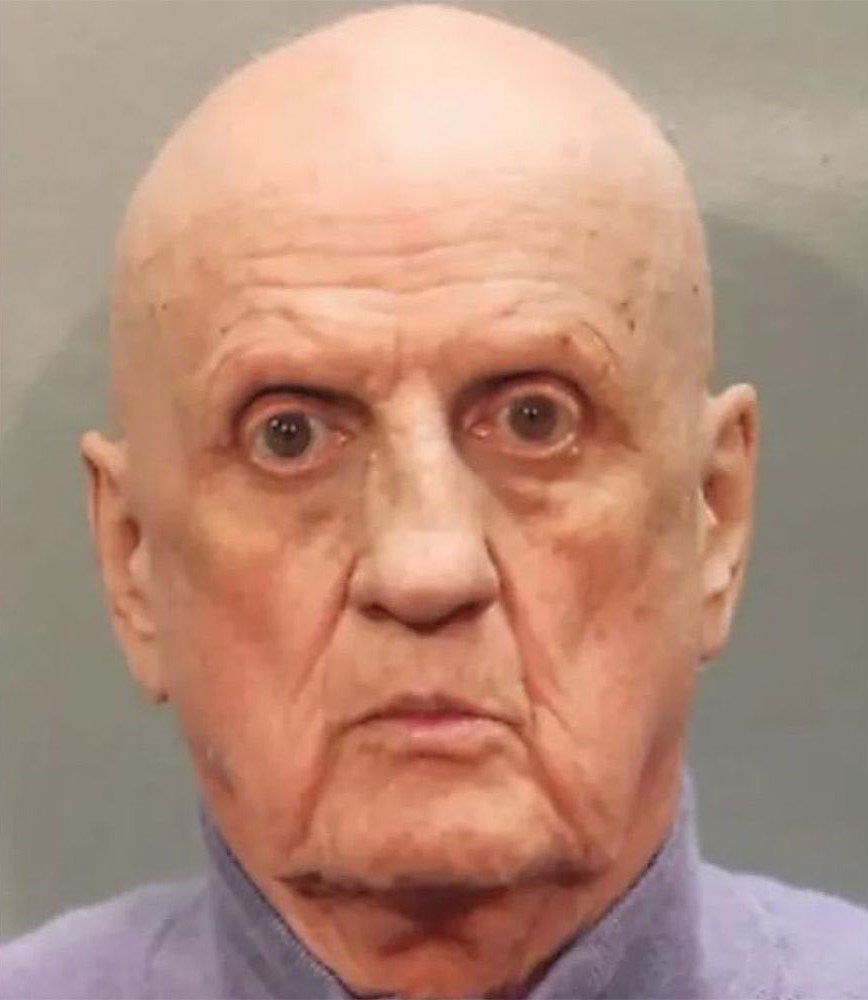
George Blatti – The Long Island Doctor Whose Prescription Practices Led to Five Deaths
Background
George Blatti was a Long Island, New York physician whose reckless prescription practices were blamed for the deaths of five patients between 2016 and 2018. His case became extraordinary because prosecutors initially charged him with five counts of second-degree murder under a theory of depraved indifference to human life. Authorities believed he was the first physician in New York State to face murder charges on that legal theory for the reckless prescribing of controlled substances. Although Blatti has sometimes been characterized as a serial killer because his actions were connected to five separate deaths over an extended period, he was ultimately not convicted of murder. He pleaded guilty to five counts of second-degree manslaughter.
Blatti had been licensed to practice medicine since 1976 and worked as a general practitioner. Despite prescribing large amounts of powerful opioid painkillers and other controlled medications, he had no specialized training or accreditation in pain management. Investigators later determined that some of his patients were receiving thousands of pills while showing unmistakable signs of addiction, deteriorating health, previous overdoses, and other medical conditions that made continued opioid use particularly dangerous.
A Highly Unusual Medical Practice
Blatti's practice eventually bore little resemblance to a conventional medical office. For a period of time, he saw patients in a makeshift office inside a former Radio Shack storefront in Franklin Square, New York. The old Radio Shack sign and merchandise racks reportedly remained inside the building while Blatti conducted his practice.
After losing access to the Franklin Square location, Blatti continued seeing patients from his automobile. Investigators said he wrote prescriptions while meeting people in parking lots near the Rockville Centre hotel where he lived and near a Dunkin' Donuts. Authorities found that prescriptions were sometimes issued without a meaningful physical examination or review of a patient's medical history. In some instances, controlled substances were prescribed for individuals Blatti had reportedly never personally examined or even spoken with.
Blatti also had authorization to use paper prescriptions rather than New York's generally required electronic prescription system. Electronic prescribing provides a greater degree of oversight and makes unusual prescribing patterns easier to identify. His extensive use of paper prescriptions became an important part of the investigation into how such large quantities of controlled medication could continue to be distributed.
Warnings and Signs of Danger
The most disturbing aspect of the case was not simply the quantity of drugs Blatti prescribed, but the repeated warnings prosecutors said he received. Family members told him that patients were addicted. Insurance companies and pharmacies raised concerns about excessive prescriptions. Medical records documented overdoses and other dangerous behavior. Some patients showed dramatic weight loss, breathing problems, liver disease, intoxication, and other serious medical conditions.
Prosecutors alleged that Blatti nevertheless continued prescribing opioids, benzodiazepines, and other controlled medications. Investigators also determined that he knew several patients had suffered overdoses and that relatives had specifically warned him that continued prescriptions could result in death. The pattern eventually became the basis for prosecutors' argument that his conduct went beyond ordinary medical negligence or malpractice and demonstrated an extreme disregard for human life.
Victims
- Geraldine Sabatasso, 50 – March 22, 2016 – Long Island, New York: Sabatasso had originally begun seeing Blatti in 2007 for pain associated with an earlier neck operation. Blatti was aware that she had chronic obstructive pulmonary disease and other breathing-related risks. During the final months of her life, she received 35 prescriptions totaling more than 4,000 pills. In February 2016, Sabatasso suffered a fall and complained of dizziness and difficulty walking normally. On March 15, she reported shortness of breath and weakness. Despite her worsening condition, she was prescribed additional controlled medication. Seven days later, on March 22, 2016, Sabatasso died at age 50 from acute oxycodone intoxication. Public case summaries do not specify the precise location where she died.
- Michael Kinzer, 44 – November 17, 2016 – Valley Stream/Long Island, New York: Kinzer was an electrician from Valley Stream who began seeing Blatti in 2013. He suffered from back pain, asthma, chronic obstructive pulmonary disease, and other respiratory problems. On October 21, 2016, Blatti prescribed morphine and clonazepam. Eight days later, Kinzer was hospitalized following an overdose and subsequently developed pneumonia. Blatti was aware of Kinzer's hospitalization and condition. Nevertheless, Kinzer saw Blatti again on November 15 and received additional controlled medications, including alprazolam and OxyContin. Kinzer died two days later, on November 17, 2016. During less than six months of opioid treatment documented in the case, Blatti had provided him with more than 1,000 pills.
- Robert Mielinis, 55 – January 21, 2017 – Long Island, New York: Mielinis had been a patient of Blatti for approximately eight years. His physical health had markedly deteriorated, and investigators said he had lost at least 40 pounds during the final months of his life. He was a smoker and had serious breathing problems. A relative reportedly warned Blatti that Mielinis was addicted to the medication and expressed concern that continued opioid prescriptions could kill him. Insurers also warned Blatti about excessive prescribing and informed him that Mielinis had previously overdosed and was at risk of another overdose. On January 10, 2017, Blatti issued prescriptions that included hundreds of oxycodone and alprazolam pills. Mielinis died 11 days later, on January 21, 2017, from mixed drug toxicity. Records examined by prosecutors showed that Blatti had prescribed him more than 10,000 pills during approximately two and a half years of documented treatment. Public prosecution summaries do not identify his precise place of death.
- Sean Quigley, 31 – December 2, 2017 – Floral Park/Long Island, New York: Quigley was a volunteer firefighter from Floral Park who had struggled with opioid abuse for years. Blatti had at one time treated him with Suboxone, a medication used in the treatment of opioid dependence. After Quigley suffered a knee injury in 2014, however, Blatti began prescribing large quantities of oxycodone. Testing reportedly revealed other substances that increased concern about continued controlled-drug use. Quigley also suffered from chronic respiratory problems and, by 2017, was experiencing liver failure and significant weight loss. Blatti continued seeing him throughout 2017. On November 21, despite his failing liver and visibly deteriorating health, Blatti prescribed another 180 oxycodone pills. Quigley died 11 days later, on December 2, 2017, from acute intoxication involving oxycodone and oxymorphone. Records showed that he had received more than 10,000 pills during roughly three years and four months of treatment.
- Diane Woodring, 53 – September 11, 2018 – Port Washington/Long Island, New York: Woodring was from Port Washington and had received controlled medications from Blatti for more than four years. She died on September 11, 2018, from acute intoxication caused by the combined effects of several medications, including oxycodone and alprazolam, that had been prescribed by Blatti. Records presented in the case showed that she had received approximately 18,000 pills through 153 prescriptions during the documented period. Authorities deliberately released fewer details concerning Woodring's medical history and circumstances out of respect for her family's request for privacy.
The Investigation
The investigation that ultimately exposed Blatti began in August 2018, when the Nassau County Police Department's Asset Forfeiture and Intelligence Unit examined a series of fatal and nonfatal opioid overdoses. Investigators noticed that several people receiving extraordinarily large numbers of opioid prescriptions shared one physician: George Blatti.
Nassau County police joined forces with the Drug Enforcement Administration's Long Island District Office Tactical Diversion Squad. Investigators began examining prescription records, medical histories, pharmacy information, insurance warnings, and interviews with patients and family members. What emerged was a pattern in which people struggling with addiction continued receiving enormous quantities of controlled medications despite numerous indications that the prescriptions were placing their lives in danger.
Investigators also determined that Blatti continued prescribing after becoming aware that patients had overdosed and after relatives begged or demanded that he stop supplying drugs to their loved ones. Prosecutors argued that these circumstances distinguished the case from an accidental medical error. In their view, Blatti repeatedly recognized the danger and nevertheless continued the same behavior.
Arrest and Murder Charges
Blatti was arrested on April 18, 2019, by Nassau County police and members of the DEA Tactical Diversion Squad. Later that year, he was arraigned on a 54-count indictment containing charges involving the criminal sale of prescriptions, diversion of prescription medications, forgery, and reckless endangerment.
On June 24, 2019, after the investigation had begun, Blatti voluntarily surrendered his New York medical license. The investigation continued as authorities worked with victims' relatives and reviewed additional medical and prescription evidence.
On March 4, 2021, prosecutors took the unusual step of charging Blatti with five counts of second-degree murder, one for each deceased patient, as well as 11 counts of first-degree reckless endangerment involving the five people who died and six surviving patients. The murder prosecution was based on the allegation that his prescribing practices demonstrated depraved indifference to human life.
The charges were historically significant. Prosecutors said it was the first known case in New York in which a physician had been charged with second-degree murder under a depraved-indifference theory because of prescription practices. The prosecution maintained that Blatti had received so many warnings about his patients' addictions, overdoses, medical problems, and deteriorating health that continuing to prescribe potentially fatal amounts of medication represented more than simple carelessness.
Guilty Plea and Sentence
The case ultimately did not result in murder convictions. On October 10, 2023, George Blatti pleaded guilty to five counts of manslaughter in the second degree, accepting criminal responsibility for recklessly causing the deaths of Geraldine Sabatasso, Michael Kinzer, Robert Mielinis, Sean Quigley, and Diane Woodring.
On January 22, 2024, Blatti, then 78 years old, was sentenced in Nassau County to a prison term of five to fifteen years. Relatives of the victims appeared in court and described the lasting consequences of the deaths. The sentencing formally concluded one of the most unusual criminal prosecutions of a physician in New York history.
Classification as a Serial Killer
George Blatti is sometimes included in discussions or databases concerning serial killers because five separate people died over a period of approximately two and a half years as a result of conduct attributed to him. The circumstances differ significantly from the traditional pattern associated with serial murder, however. There was no allegation that Blatti physically attacked his patients or selected them for the purpose of deliberately killing them.
Legally, the distinction is especially important. Although prosecutors initially accused him of five murders and argued that his repeated conduct showed depraved indifference to human life, those murder charges did not result in convictions. His final convictions were five counts of second-degree manslaughter. Any description of Blatti as a serial killer therefore reflects a broader criminological or popular characterization rather than his final legal conviction.
Legacy of the Case
The Blatti case demonstrated how the power to prescribe controlled medication can become deadly when medical safeguards are ignored. Five patients died on five separate dates: Geraldine Sabatasso on March 22, 2016; Michael Kinzer on November 17, 2016; Robert Mielinis on January 21, 2017; Sean Quigley on December 2, 2017; and Diane Woodring on September 11, 2018. Their deaths occurred amid an opioid epidemic that had already devastated families throughout Long Island and the United States.
What made the case particularly significant was the documented pattern of warnings. According to prosecutors, Blatti was confronted with overdoses, serious illnesses, addiction, alarming medical symptoms, family complaints, insurance notifications, and other signs that his prescribing practices were placing patients at risk. Yet the prescriptions continued. The eventual investigation transformed what initially appeared to be a collection of individual overdose deaths into a single criminal case involving one physician.
By the time the prosecution ended, George Blatti had lost his medical license, admitted criminal responsibility for five deaths, and received a sentence of five to fifteen years in prison. The case remains a stark example of how reckless medical prescribing can cross the boundary from professional misconduct into serious criminal conduct, while the five people whose deaths brought the investigation to light remain at the center of the case.