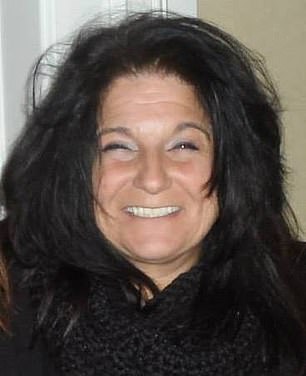
In the late summer of 2018, the life of 53-year-old Diane Woodring of Port Washington, New York, came to a tragic end. On September 11th, the Caucasian female was found deceased, not from natural causes or an accident, but from a lethal combination of prescribed medications. An investigation into her death would uncover a disturbing pattern of medical malpractice and lead to the downfall of a once-trusted physician.
The cause of Diane Woodring's death was determined to be acute
intoxication by the combined effects of oxycodone, alprazolam, mirtazapine, and valproic acid. It soon became clear that the source of these potent drugs was a single doctor, George Blatti. Investigators discovered that Blatti had been prescribing massive quantities of opioids and other controlled substances without proper medical justification, often meeting patients in unconventional settings like the parking lot of a hotel and a nearby donut shop. Woodring was one of five patients whose deaths were directly linked to Blatti's reckless prescribing practices.
The investigation culminated in the arrest of Dr. George Blatti. He was initially charged with five counts of second-degree murder, with prosecutors arguing that his actions demonstrated a depraved indifference to human life. The case drew significant attention, highlighting the devastating impact of the opioid crisis and the responsibility of medical professionals in prescribing addictive medications.
Ultimately, to avoid a trial on the murder charges, George Blatti pleaded guilty to five counts of manslaughter. In a courtroom that heard the heart-wrenching stories of the lives he had destroyed, the disgraced doctor was sentenced to a term of five to fifteen years in prison. His medical license was surrendered, ensuring he could never again endanger patients. The case served as a stark reminder of the human cost of prescription drug abuse and the legal consequences for those who facilitate it.