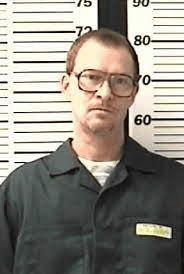
Juan Vallejo Corona: The Murders of 25 Men in California's Sutter County Orchards
Background
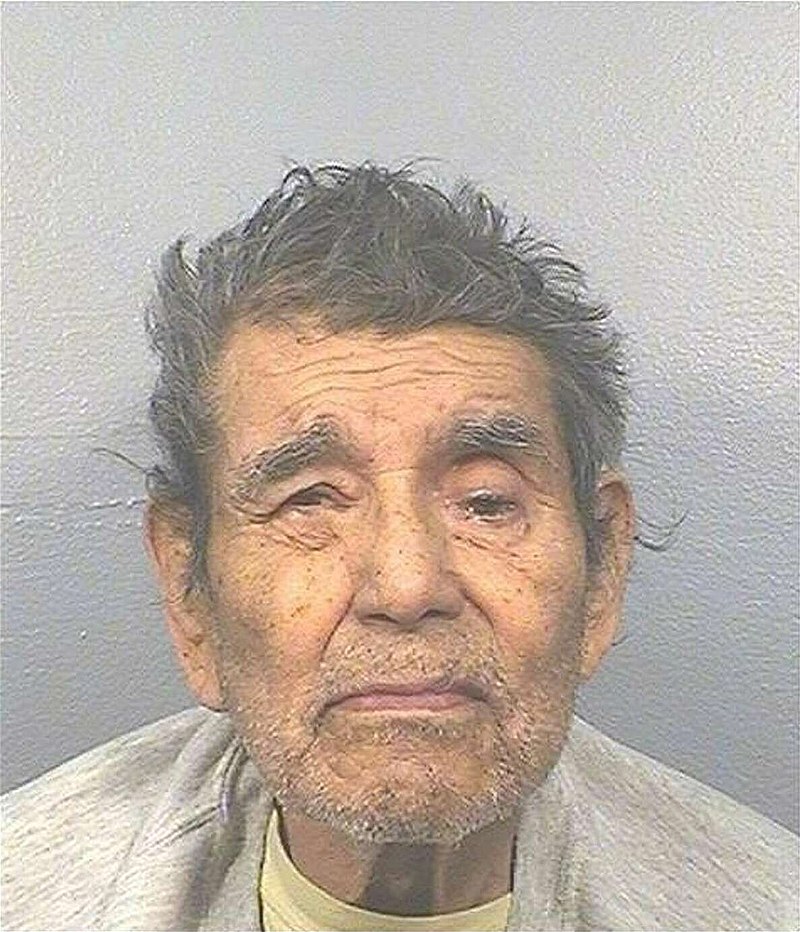
Juan Vallejo Corona was a Mexican-born farm-labor contractor who was convicted of murdering 25 men in and around the agricultural country of Sutter County, California, during the spring of 1971. Born on February 7, 1934, in Autlán, Jalisco, Mexico, Corona eventually settled near Yuba City, where he made his living supplying agricultural workers to local growers. His occupation placed him in regular contact with transient men and seasonal laborers looking for temporary work.
Many of the men who became Corona's victims lived itinerant lives, moving from one agricultural community to another and often maintaining little contact with relatives. Corona was in a position to approach these men openly, offer them employment and transport them to farms without arousing suspicion. During his trials, witnesses described several victims accepting work from Corona and getting into his vehicle shortly before disappearing.
The resulting crimes became one of the largest serial murder cases known in the United States at the time. Twenty-five bodies were eventually recovered from shallow graves in orchards and river-bottom property near Yuba City and Marysville. Twenty-one of the victims were identified. Four men remained unidentified.
Understanding the Victim Dates
The chronology of the Corona murders requires an important distinction between a victim's actual or probable killing date and the date on which his body was discovered or entered into later records. The surviving California appellate record specifically states that, with the exception of Kenneth Whitacre, investigators could not determine the exact dates on which the victims died.
More precise dates can nevertheless be associated with several victims because Corona kept a handwritten ledger containing names and dates. The ledger included entries for Warren Kelley, John Jackson, Mark Shields, Sam Bonafiede, Charles Fleming, Jona Smallwood and Paul Allen. Some of those dates fall within the murder periods charged by prosecutors and provide useful evidence concerning when Corona encountered a particular victim. They cannot automatically be treated as medically established times of death.
Several later victim records also contain dates that correspond more closely to the discovery of remains than to the actual killings. For example, some men whose bodies were recovered on May 25 or May 27 have those discovery dates associated with their records even though the criminal charges alleged that they were murdered earlier. Donald Smith and Sam Bonafiede have also appeared in some records with an August 22, 1971 date, but that is impossible as a Corona murder date because both men were among the bodies recovered during the investigation that ended in early June, and Corona had already been arrested on May 26.
For accuracy, the list below gives the most defensible murder date or range from the criminal proceedings and notes the more specific ledger or recovery information when it helps narrow the chronology.
The Murder Pattern
The condition of the bodies revealed an unmistakable pattern. All but one of the 25 victims suffered one or more chopping, hacking or slashing injuries to the head. Investigators determined that some of the lighter wounds could have been caused by a knife while the most destructive blows were consistent with a heavy cutting weapon such as a bolo-style machete.
Many of the victims were also stabbed in the upper left portion of the chest. Some of these wounds penetrated the heart or lung or severed major blood vessels. William Emery Kamp was the principal exception to the usual pattern because he had been shot in the head.
The burial method was similarly repetitive. The men were concealed in relatively shallow graves in the same general agricultural area. Many were placed on their backs with their arms positioned over their heads, chests or stomachs. Clothing was frequently pulled upward toward or over the head. Investigators regarded the similarities in the wounds, burial positions and locations as powerful evidence that the same killer or group of killers was responsible.
The Discovery of Kenneth Whitacre
The case began to unravel on May 19, 1971, when peach grower Goro Kagehiro noticed a newly dug, man-sized hole in his orchard. At approximately 10:00 that morning the hole was still open, with excavated soil piled beside it. When Kagehiro returned at approximately 6:00 p.m., the hole had been filled.
Suspicious, he contacted authorities. Deputies excavated the location on the morning of May 20 and found the body of Kenneth Whitacre. Whitacre had suffered a serious blow or chopping injury to the back of his head and a stab wound to the chest. The chest wound severed a major blood vessel between his heart and lung and caused his death.
Medical testimony indicated that Whitacre had probably been dead for less than 24 hours. Witnesses had seen him alive at approximately 1:00 p.m. on May 19. This allowed investigators to establish May 19, 1971, as his murder date with far greater confidence than was possible for the other victims.
Corona was also connected to the vicinity of Whitacre's grave. Witnesses fishing near the ranch that evening saw a red-and-white pickup marked with Corona's name and identifying him as a labor contractor. Corona was observed coming out of the brush and leaving. Tire evidence near the grave was also consistent with the type of tires used on one of his vehicles.
The Orchard Search Expands
After Whitacre was discovered, investigators began searching surrounding orchards and ranch property. A second cluster of discoveries on the Sullivan Ranch dramatically changed the scope of the investigation. On May 25, deputies uncovered one body during the morning and seven more between late afternoon and approximately 10:45 p.m. Each displayed similar evidence of stabbing and hacking violence.
The search continued even after Corona was arrested. Grave after grave was excavated from agricultural land around the Feather River until the total reached 25. By June 4, 1971, authorities had recovered all of the victims included in the prosecution.
The 25 Confirmed Victims
- Kenneth Edward Whitacre - Murdered on May 19, 1971. Whitacre was the only victim whose time of death could be established with substantial certainty. His body was excavated on May 20 from the Kagehiro orchard in Sutter County. He suffered a severe head injury and fatal stabbing to the chest.
- Charles Levy Fleming - Prosecutors placed Fleming's murder between May 8 and May 11, 1971. Corona's ledger contained an entry apparently referring to Fleming beside the date May 11, making May 11 the most significant specific date associated with him. His remains were recovered during the expanding orchard search in Sutter County.
- Melford Everett Sample - Charged as murdered on or about May 21, 1971. Sample's grave became extremely important because two meat-market sales slips dated May 21 were recovered near his body. The slips bore Corona's name, and one had been signed by him. Sample had suffered hacking injuries to the head and stabbing injuries to the chest.
- Unidentified Male Victim - Count IV - Prosecutors alleged that this unidentified man was murdered sometime between February 25 and May 11, 1971. He was one of four victims who could not be identified in the criminal proceedings. Location: Sutter County orchard burial area.
- Donald Dale "Red" Smith - Murdered sometime between April 30 and May 11, 1971. Later records have sometimes attached an August 22 date to Smith, but that date cannot represent his murder because his remains were already among the Corona victims recovered during the spring investigation. Location: Sutter County, California.
- John Joseph Haluka - Murdered sometime between February 25 and May 11, 1971. Haluka's body was recovered on May 25 during the major search of the Sullivan Ranch area. That May 25 date is a recovery date rather than a medically established murder date. Location: Sutter County, California.
- Unidentified Male Victim - Count VII - Murdered sometime between February 25 and May 11, 1971. His identity and precise date of death were never established. Location: Sutter County, California.
- Warren Jerome Kelley - Prosecutors charged that Kelley was murdered sometime between March 30 and May 11, 1971. Corona's handwritten ledger contained the entry "Warren Gerome Kelley March 30 1971," making March 30 the earliest and most significant specific date associated with Kelley's disappearance. Location: Yuba City-Sutter County area.
- Sigurd E. "Pete" Beierman - Murdered sometime between February 25 and May 11, 1971, according to the murder charge. Some later records associate a date in late May with Beierman, but that is inconsistent with the prosecution's established killing period and is more appropriately treated as a later case or recovery date. Location: Sutter County near Yuba City.
- Unidentified Male Victim - Count X - Murdered sometime between February 26 and May 12, 1971. His identity remained unknown. Location: Sutter County, California.
- William Emery Kamp - Murdered sometime between February 26 and May 12, 1971. Kamp differed from nearly all of the other victims because he had been shot in the head rather than killed solely by stabbing or chopping injuries. Investigators later recovered a loaded 9mm Browning pistol belonging to Corona, and ammunition evidence became part of the prosecution's case.
- Unidentified Male Victim - Count XII - Murdered sometime between February 26 and May 12, 1971. Neither his exact identity nor his precise murder date was established. Location: Sutter County, California.
- Clarence Hocking - Murdered sometime between February 26 and May 12, 1971. His remains were recovered on May 27, explaining why May 27 is associated with him in later records. Human hair recovered from a post-hole digger found in Corona's garage showed similarities to Hocking's hair. Location: Sutter County, California.
- James Wylie Howard - Murdered sometime between May 1 and May 13, 1971. Howard's body was among those concealed in the Sutter County orchard burial sites. His exact day of death could not be established.
- Jona R. Smallwood - Murdered on or about May 12, 1971. Smallwood was seen with Elbert Riley and Paul Allen when Corona approached the men and offered them work. They accepted and left in Corona's pickup. The witness never saw them alive again. Corona's ledger also contained Smallwood's name beside May 12, strongly reinforcing that date.
- Elbert J. T. Riley - Murdered on or about May 12, 1971. Riley was one of the men seen accepting Corona's offer of employment and leaving with him on May 12. Hair recovered from the post-hole digger in Corona's garage also showed similarities to Riley's hair. His body was recovered later during the orchard search.
- Paul Buel Allen - Prosecutors charged that Allen was murdered sometime between May 2 and May 13, 1971. He was last seen with Jona Smallwood and Elbert Riley accepting work from Corona on May 12. Corona's ledger contained an entry for Paul Allen dated May 15. Because that ledger date falls slightly beyond the murder range charged at trial, it is best regarded as a date associated with Allen in Corona's records rather than a proven time of death.
- Edward Martin Cupp - Murdered sometime between May 9 and May 13, 1971. Cupp was among the identified men recovered from the Sutter County burial sites. His exact day of death could not be medically established.
- Albert Leon "Scratchy" Hayes - Murdered sometime between February 27 and May 13, 1971. Hayes was among several victims whose remains were recovered on May 27. His injuries were particularly severe, and testimony concerning his wounds was presented during Corona's trial. Location: Sutter County, California.
- Raymond Reand Muchache - Murdered on or about May 12, 1971. Some secondary accounts have used a later May date, but the murder count on which Corona was convicted specifically alleged that Muchache was killed on or about May 12. Location: Sutter County, California.
- John Henry Jackson - Murdered sometime between April 15 and May 14, 1971. Corona's ledger contained Jackson's name beside April 15, although a witness remembered seeing Jackson still alive in early May. The witness said Corona approached Jackson while he was seeking work, hired him and drove away with him. He was never seen alive by that witness again.
- Lloyd Wallace Wenzel - Murdered sometime between May 14 and May 22, 1971. Later records associate May 25 with Wenzel, but the criminal charge placed his killing no later than May 22, indicating that the later date is connected to the discovery or recording of his remains rather than the actual murder. Human hair recovered from Corona's post-hole digger showed similarities to Wenzel's hair.
- Mark Beverly Shields - Murdered sometime between April 28 and May 15, 1971. Corona's ledger contained Shields's name beside April 28, and later victim records identify April 28 as his death date. Hair recovered from the post-hole digger also showed similarities to Shields's hair. Location: Sutter County, California.
- Sam Bonafiede, also known as Joe Carriveau - Murdered sometime between April 21 and May 20, 1971. Corona's ledger contained the particularly important entry "Sam Bonafiede May 6 1971," making May 6 the strongest specific date associated with Bonafiede. An August 22 date appearing in some later records cannot represent the actual murder date because his body had been recovered months earlier.
- Joseph J. Maczak - Murdered sometime between April 26 and May 21, 1971. Maczak was found in the 25th grave investigated in the case. Items connected with Corona and two Bank of America deposit slips printed with Corona's name and Yuba City address were found in the grave. June 4, 1971, is associated with Maczak in some records because it marks the end of the grave-recovery operation, not a plausible murder date.
The Ledger
One of the most important pieces of evidence was a green handwritten ledger seized from a filing cabinet in Corona's bedroom. Investigators determined that the entries were in Corona's handwriting. Several of the names corresponded directly to men whose bodies had been recovered from the orchards.
The ledger included Warren Kelley with March 30, John Jackson with April 15, Mark Shields with April 28, Sam Bonafiede with May 6, Charles Fleming with May 11, Jona Smallwood with May 12 and Paul Allen with May 15. These entries helped prosecutors establish that Corona had personal contact with men who subsequently disappeared and were found murdered.
Another name appearing in the ledger was William Earl Vaughn, who had disappeared from the Marysville-Yuba City area but was not identified among the 25 known bodies. Corona was never convicted of Vaughn's murder, but his presence in the ledger contributed to long-running questions over whether additional victims may have existed.
Evidence Found Inside the Graves
The graves themselves produced some of the most incriminating evidence in the case. Near Melford Sample's body were two pink sales slips from the Del Pero Meat Company dated May 21, 1971. Both bore Corona's name, and one contained his signature. A meat-market employee testified that he had personally given the receipts to Corona after selling him meat that day.
The significance was difficult to dismiss. The receipts had gone from Corona's possession into a grave containing a murdered man.
In Joseph Maczak's grave, investigators found additional objects associated with Corona, including pieces of a colored glass candleholder and two Bank of America deposit slips printed with "Juan V. Corona" and his Yuba City address. Similar objects were later located in the work facilities Corona used at the Sullivan Ranch.
Weapons and Forensic Evidence
Searches of Corona's residence, vehicles, garage and work area produced an extensive collection of evidence. Investigators found knives bearing human blood, a bolo-style knife beneath the driver's seat of a van, bloodstained clothing and other objects containing blood.
A loaded 9mm Browning automatic pistol purchased by Corona was recovered from a desk at the Sullivan Ranch facility. William Kamp had been shot in the head with a 9mm weapon. Examination of the ammunition provided additional circumstantial evidence connecting Corona's firearm and ammunition supply to Kamp's killing.
A post-hole digger recovered from Corona's garage contained human hairs embedded in dried soil. The hair was not Corona's. Microscopic comparisons found similarities between hairs on the tool and hair belonging to several victims, including Whitacre, Hocking, Riley, Allen, Wenzel and Shields. One hair contained an actively growing follicle, indicating that it had been forcibly pulled from someone's head rather than simply shed naturally.
Blood was also discovered in Corona's vehicles and on various personal items. Witnesses testified that Corona had been observed using a hose to wash the inside of his van rather than merely cleaning its exterior. Prosecutors presented this evidence as another link in the chain connecting his vehicles to the murders.
Victims Last Seen With Corona
Corona's legitimate employment as a labor contractor provided an effective way to approach men without immediately appearing threatening. A worker looking for a job had little reason to be suspicious when an established contractor arrived and offered transportation to an orchard.
That pattern became especially important in the cases of Jona Smallwood, Elbert Riley and Paul Allen. A fellow labor contractor testified that he was speaking with the three men in lower Marysville on May 12 when Corona arrived in a pickup truck and asked whether they wanted work. They accepted his offer and departed with him. The witness never saw them alive again.
John Jackson was also last seen accepting employment from Corona. A witness recalled Jackson looking for work when Corona approached him, hired him and drove away with him. Jackson later became one of the men recovered from the orchard graves.
The Jose Romero Raya Incident
Investigators and prosecutors also examined an earlier incident involving Jose Romero Raya. In February 1970, Corona approached Raya and another man near the Guadalajara Cafe in Marysville and offered them pruning work at the Sullivan Ranch. Corona proposed transporting them to the job.
Raya later became the victim of an extremely serious assault that left him with devastating injuries to his head and face. Corona was not convicted of the attack, and the incident therefore cannot be presented as another proven Corona crime. It nevertheless became relevant because Corona's ledger contained Raya's name together with the February 24, 1970 date on which Corona had approached him about work.
The employment approach also closely resembled the method later documented with several murder victims: Corona contacted a man looking for agricultural work, offered him employment and offered transportation.
Corona's Arrest
By May 26, 1971, investigators had accumulated enough evidence to arrest Corona. At that point only part of the eventual burial ground had been uncovered. Authorities continued searching after he was taken into custody, and the number of bodies eventually rose to 25.
No eyewitness testified to actually watching Corona murder one of the men. The prosecution therefore constructed an enormous circumstantial case. Corona had access to the burial areas through his employment. Victims had been seen leaving with him. His ledger contained their names. His personal documents appeared inside graves. Human blood was found on objects associated with him. Human hair linked to several victims was found on a tool in his garage. Weapons capable of producing the victims' injuries were recovered from property associated with him.
Prosecutors argued that individually some pieces of evidence might have been explained away, but together they formed a pattern pointing overwhelmingly toward Corona.
First Conviction
Corona was prosecuted for 25 counts of first-degree murder. After a lengthy trial, a jury found him guilty on all 25 counts in January 1973. He initially received 25 consecutive life sentences.
The magnitude of the conviction was extraordinary. At that point in American criminal history, no other individual had been convicted of so many murders in a single serial murder prosecution.
Convictions Overturned
In 1978, a California appellate court overturned Corona's convictions and ordered a new trial. The ruling was not a declaration that Corona was innocent. The appellate court concluded that serious deficiencies in his original legal representation, including his attorney's failure to properly investigate potentially important defenses and a problematic agreement involving literary and dramatic rights to Corona's story, deprived him of adequate representation.
The state therefore had to prosecute the 25 murders again.
The Second Trial
At the retrial, Corona's defense attempted to shift suspicion toward his half-brother, Natividad Corona. Natividad had operated the Guadalajara Cafe in Marysville and had previously been associated with violent conduct. The defense argued that he could have been the person responsible for the orchard murders.
Natividad was never charged with any of the 25 murders, and the second jury again found Juan Corona guilty on every count in 1982. Corona was sentenced to 25 concurrent life sentences. Those were the sentences he was serving at the end of his life.
Prison Years
Corona spent decades in the California prison system. In December 1973 he was nearly killed in a prison stabbing that left him with numerous injuries and cost him the sight in his left eye.
He continued to maintain his innocence and repeatedly appeared before the California parole board. Parole was denied eight times, including hearings in 1984, 1987, 1990, 1993, 1998, 2003, 2011 and 2016.
Death of Juan Corona
Juan Vallejo Corona remained incarcerated at California State Prison, Corcoran. On March 4, 2019, the 85-year-old inmate died of natural causes at an outside hospital while still serving his 25 concurrent life sentences.
He never obtained parole and never publicly provided a comprehensive explanation for why the murders occurred.
Motive
No single motive for the 25 murders was conclusively established. The victims were vulnerable men whose transient lifestyles made them easier to isolate and whose disappearances could go unnoticed. Corona's work provided him with legitimate access to both the men and the agricultural property where the graves were dug.
The unusual manner in which some of the bodies were positioned led investigators and attorneys to consider possible sexual elements to the crimes, but no definitive motive was proven. Other explanations, including robbery, anger toward transient workers and personal hostility, have also been suggested over the years without producing a universally accepted answer.
Legacy of the Sutter County Murders
The Juan Corona case remains one of the darkest episodes in California criminal history. The sheer number of graves was shocking, but equally disturbing was how long the murders remained concealed. Many of the victims were men living on society's margins. Their work was temporary, their housing unstable and their movements difficult to trace. A man could leave one labor camp and fail to appear at another without immediately generating a missing-person report.
That vulnerability allowed a large number of deaths to remain hidden until a farmer happened to notice freshly disturbed soil in his orchard.
The chronology also illustrates the importance of distinguishing murder dates from discovery dates in historical cases. Kenneth Whitacre can confidently be placed on May 19, 1971. Several other victims can be associated with particular dates because of eyewitness testimony or entries in Corona's ledger. For many others, however, only ranges can responsibly be stated. Dates such as May 25, May 27 or June 4 frequently correspond to the recovery of bodies rather than the day the victim was killed.
What is certain is that 25 men were found murdered and buried in the agricultural land of Sutter County, that Juan Vallejo Corona was prosecuted twice for all 25 killings, and that two separate juries found him guilty of every murder. Twenty-one victims were eventually identified while four remained unidentified, leaving behind a case whose full human toll can still be seen in the names of the men recovered from the orchards along the Feather River.