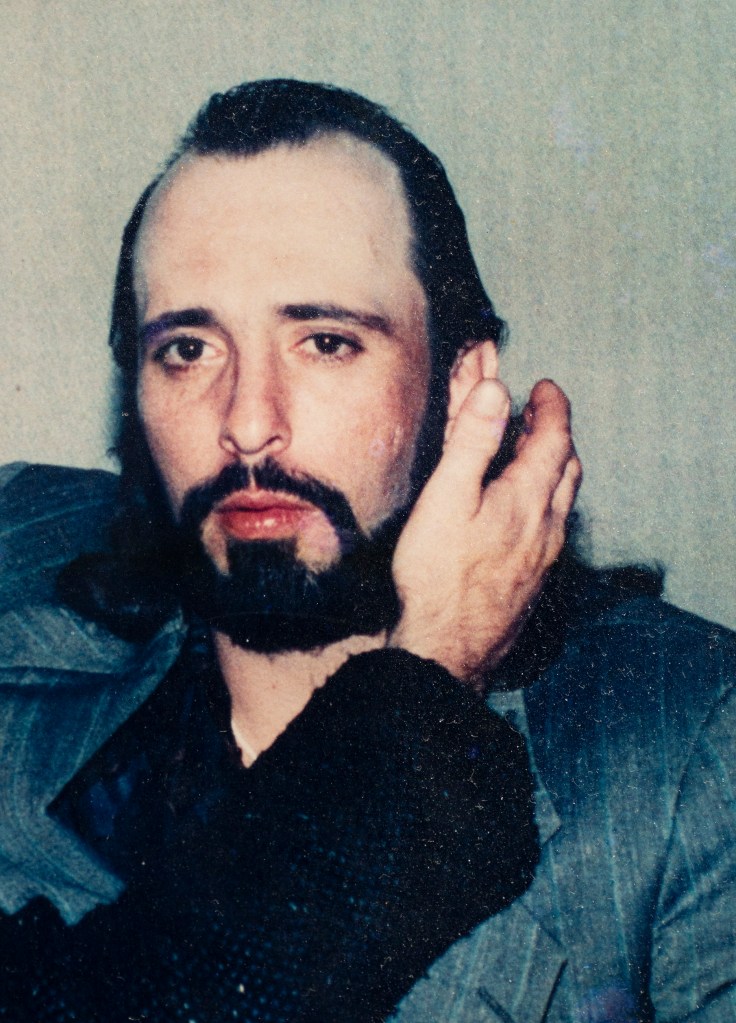
Sean Quigley, 31, a white male volunteer firefighter from Floral Park on Long Island, had been wrestling with opioid addiction for years when his life narrowed to a grim rhythm of doctor visits, prescriptions, and the quiet deterioration of his health. By 2017, records described him as seriously ill—retaining fluid, losing significant weight, and showing signs consistent with liver failure—yet he was still being seen month after month by a Nassau County physician, Dr. George Blatti.
In the weeks leading up to December 2, 2017, that pattern became deadly. Prosecutors later said Blatti continued prescribing high doses of narcotics even as red flags stacked up: substance-abuse history dating back years, tests showing concerning combinations, and a body increasingly unable to handle what it was being given. On November 21, 2017—despite what authorities described as clear signs of a failing liver—Quigley was prescribed 180 oxycodone pills. Eleven days later, he was dead. The medical finding cited by officials was acute intoxication of oxycodone and oxymorphone.
For a long time, there was no masked intruder to hunt, no street-corner suspect, no single violent moment—just a slow-motion collapse that investigators would later argue was fueled by a prescription pad. As Nassau County police and federal diversion investigators looked into a cluster of overdoses—fatal and non-fatal—they focused on a single prescriber whose patients were receiving extraordinary quantities of controlled substances. The investigation described a doctor who, according to prosecutors, sometimes issued prescriptions without meaningful examinations and whose “office” arrangements grew increasingly irregular, including seeing patients in unconventional settings after losing access to a storefront space.
The case eventually turned Quigley’s death into one count among several in a sweeping prosecution. Blatti was arrested on April 18, 2019, after the investigation identified his prescribing practices as a common thread in multiple overdoses. In 2021, authorities announced he had been indicted and arraigned on five counts of second-degree murder and additional reckless-endangerment charges—an approach officials described as historically significant for targeting a doctor under a “depraved indifference” theory tied to prescribing practices.
The legal ending came years after Quigley’s final day. On October 10, 2023, Blatti pleaded guilty to five counts of second-degree manslaughter, and on January 22, 2024, he was sentenced to a prison term of five to fifteen years. In the official accounting, Quigley’s death was not treated as an unsolved mystery but as one of five overdose deaths prosecutors attributed to reckless, dangerous prescribing—an outcome framed in court not as a tragic accident in isolation, but as part of a repeated pattern that left multiple families with the same absence and the same unanswered what-if.