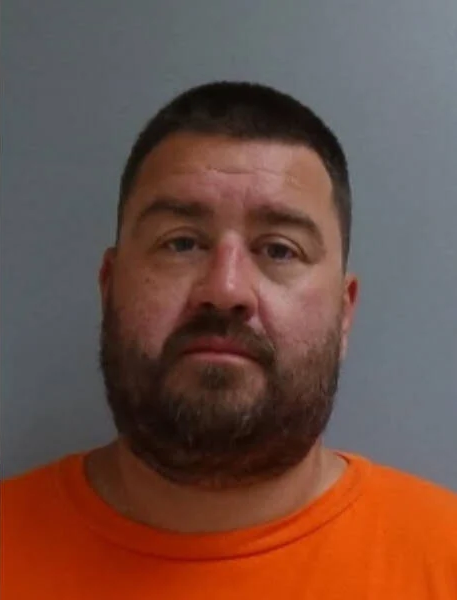
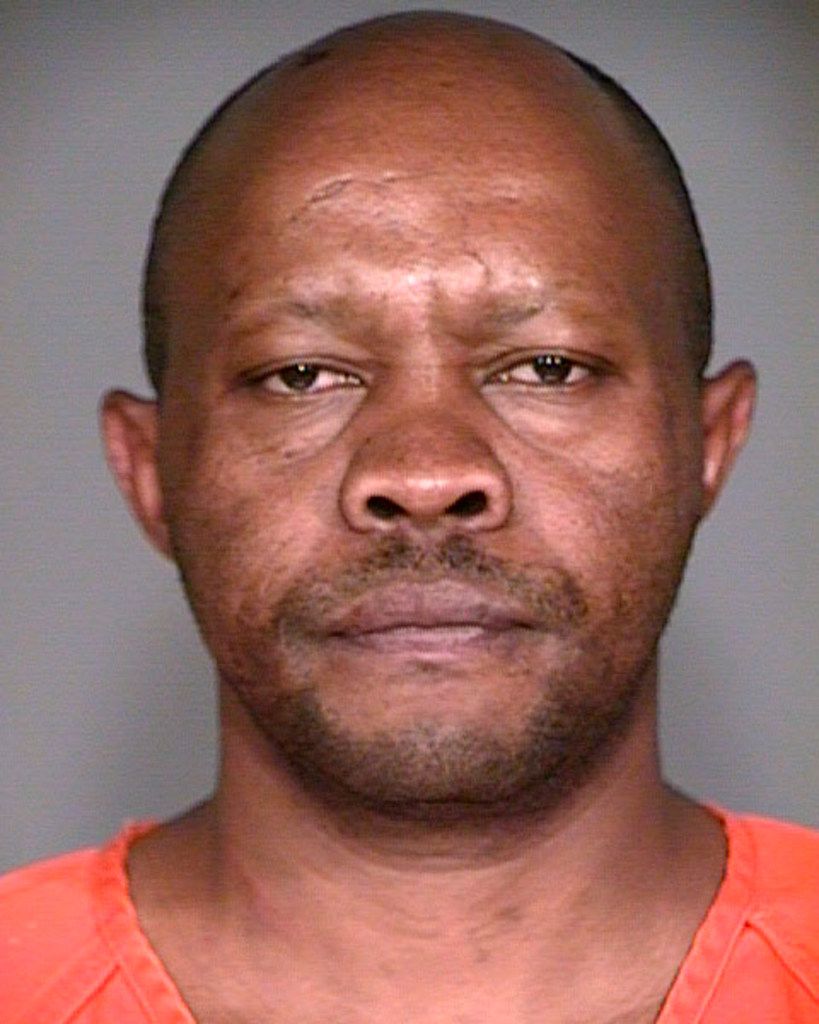
Benjamin Franklin Miller Jr. and the Stamford “Bra Murders”
Overview of the Case
Benjamin Franklin Miller Jr. became the central suspect in a series of five strangulation murders committed in and around Stamford, Connecticut, between 1967 and 1971. The crimes became widely known as the “Bra Murders” because several of the women were strangled with their own bras. Their bodies were discovered near roads, abandoned structures and wooded areas close to the Merritt Parkway in northern Stamford.
Miller was arrested and charged with all five killings after undergoing extensive police questioning and making statements that investigators considered confessions. He was later found not guilty by reason of insanity in three of the cases, while the remaining two charges were dropped. However, serious questions eventually arose about the reliability of his confessions, the interrogation methods used against him and evidence implicating another suspect. Miller’s convictions were overturned, the charges were dismissed and he was released in 1988. The five murders remain officially unsolved.
The Victims
- Rose Ellen Pazda, 29: Pazda, who was also known as “Sissi Rush,” disappeared from Stamford on or after August 4, 1967. Her skeletal remains were discovered on April 4, 1969, near Riverbank Road in North Stamford, close to the Merritt Parkway. Because of the condition of her remains, authorities could not determine her exact date of death. She is believed to have been the first victim in the series.
- Donna Roberts, 22: Roberts disappeared from Stamford on May 2, 1968. Her body was found the following day, May 3, near Riverbank Road in North Stamford. She had been strangled with her bra. The location of her remains later became significant because additional victims were discovered in the same general area.
- Gloria Conn, 21: Conn, a resident of Mount Vernon, New York, was found murdered on September 8, 1968, near the Merritt Parkway in Stamford. Her body was discovered approximately 60 yards from the location where Donna Roberts had been found several months earlier. Conn had also been strangled with her bra.
- Gail Thompson, 19: Thompson was found strangled on July 10, 1971, inside an abandoned house in North Stamford. Unlike some of the other victims, she had not been strangled with a bra. Investigators reported that a handkerchief or similar piece of cloth had been used around her neck. A playing card, described as the queen of hearts, was reportedly discovered near her body.
- Alma T. Henry, 34: Henry was found dead on August 22, 1971, inside a discarded trash container near the Merritt Parkway in Stamford. Two motorists traveling through the area discovered her remains. She had been strangled with her own bra. Henry was a married mother of four who lived in Stamford’s Southfield Village housing development and was not known to have the same lifestyle or background attributed to several of the earlier victims.
A Pattern Along the Merritt Parkway
The bodies were found within a relatively small section of North Stamford. Several were located only a short distance from the Merritt Parkway, and three of the women had been strangled with their own bras. The similarities in location, victim characteristics and method of killing led investigators to believe that one person was responsible.
Many of the victims were Black women who were poor, involved in sex work or struggling with substance use. Members of Stamford’s Black community accused authorities of failing to investigate the disappearances and murders with sufficient urgency. Community leaders argued that the victims had been marginalized and that their cases would have received greater attention if the women had come from wealthier neighborhoods.
The criticism intensified as the killings continued over several years. Residents demanded answers and questioned why a murderer appeared able to leave multiple bodies in the same general area without being identified. The pressure on Stamford police increased sharply after the deaths of Gail Thompson and Alma Henry in the summer of 1971.
Benjamin Franklin Miller Jr.
Miller was born around 1930 and had lived in Connecticut since the late 1940s. He worked as a postal employee and presented himself as a street preacher or lay minister. He frequently distributed religious literature and preached in Stamford neighborhoods, particularly in areas where he encountered Black women and sex workers.
Miller had a long history of psychiatric difficulties. He had received treatment or been confined in mental-health institutions on several occasions beginning in the 1950s. People who knew him described him as isolated, deeply religious and socially awkward. He experienced delusions, anxiety, depression, obsessive thoughts and other symptoms later associated with schizophrenia.
Police first became interested in Miller after a man claiming to be a preacher telephoned authorities in 1969 and provided information about the location of Rose Pazda’s remains. Investigators attempted to identify Connecticut clergymen named Miller and eventually began examining Benjamin Miller’s background and movements.
Questioning and Confessions
Detectives questioned Miller repeatedly during late 1971 and early 1972. He initially denied killing the women. He admitted that he had encountered Gail Thompson and claimed that he had once had sexual contact with her in his automobile, although the medical examination of Thompson’s body did not support recent sexual intercourse.
Investigators became more suspicious when Miller appeared to know details that they believed had not been made public. During questioning, he reportedly stated that Thompson had been strangled with a handkerchief rather than a bra. This distinction was important because news reports had commonly grouped all of the deaths together as bra strangulations.
Miller underwent a polygraph examination, but his psychological condition made the results unreliable. He was sent to Fairfield Hills Hospital for psychiatric evaluation and treatment. While hospitalized, he reportedly confessed to killing seven women and asked to speak with investigators.
During interviews in February and March 1972, Miller made statements describing the deaths and accompanied police to areas associated with the crimes. Authorities said he demonstrated how some of the women were killed and showed where their bodies had been left. Miller was arrested in March 1972 and formally accused of murdering Pazda, Roberts, Conn, Thompson and Henry.
The Insanity Proceedings
After his arrest, Miller withdrew his confessions and claimed that police had pressured him into accepting responsibility. His defense maintained that his severe mental illness made him unusually vulnerable to suggestion and incapable of providing a reliable confession.
Miller alleged that investigators threatened him with violence, the loss of his employment, the destruction of his marriage and separation from his child. His father testified that Miller telephoned him after signing a confession and said that he was ill and would have signed almost anything placed in front of him.
Questions also arose about errors in Miller’s statements. Although investigators believed that parts of his accounts revealed private knowledge, other details were inconsistent with the evidence. The defense argued that police had supplied information during repeated interviews and then treated Miller’s repetition of that information as proof of guilt.
Psychiatrists concluded that Miller suffered from severe schizophrenia and experienced hallucinations and delusions. In February 1973, prosecutors dropped two of the murder charges. Miller was found not guilty by reason of insanity in the remaining three cases and was committed to a psychiatric institution.
Evidence Pointing Toward Another Suspect
After Miller’s confinement, his attorneys uncovered evidence involving another Stamford man, Robert Lupinacci. Lupinacci had been arrested in July 1972 after attempting to strangle a Black sex worker in an automobile near the area where several of the murder victims had been found.
Lupinacci was familiar with Stamford’s red-light district and reportedly knew some of the women who worked there. Witnesses placed a vehicle resembling his near locations connected to the murders. Investigators also found strands of hair from a Black woman in the trunk of his car.
The case of Gail Thompson contained particularly troubling similarities. Thompson was reportedly last seen entering a vehicle resembling Lupinacci’s car. Lupinacci had worked at a motel where Thompson had stayed and was believed to have known her. Police found a deck of pornographic playing cards in his vehicle with the queen of hearts missing, while a queen of hearts had reportedly been recovered near Thompson’s body.
Lupinacci also had connections to locations associated with other victims. Witnesses reportedly saw him at businesses frequented by one of the women, and one victim was said to have stayed in a hotel room with him. Despite this circumstantial evidence and his attempted strangulation of another woman, Lupinacci was never charged with the five murders.
Overturned Case and Release
Miller’s attorneys continued challenging the legality and reliability of his confessions. A federal appeals court eventually ruled that the circumstances surrounding his interrogation raised serious constitutional concerns and ordered further proceedings.
By 1988, prosecutors faced a weakened case. Miller’s mental condition, the absence of definitive physical evidence, contradictions in his statements and the evidence concerning Lupinacci made a successful retrial doubtful. The murder charges against Miller were dismissed, and he was released after approximately 15 years in psychiatric confinement.
Miller spent his later years in housing for people with serious mental illness. He died in February 2010. Lupinacci continued to deny committing the murders and was never prosecuted for them. He died in 2013.
An Unresolved Legacy
Benjamin Franklin Miller is frequently described in older publications and criminal reference works as a serial killer responsible for the Stamford Bra Murders. Legally and historically, however, that description is disputed. His insanity findings were overturned, his confessions were ruled unreliable and all charges were ultimately dismissed.
No physical evidence publicly established that Miller killed any of the five women. At the same time, some investigators remained convinced that he was responsible because they believed his statements contained knowledge only the murderer could possess. Other observers concluded that a severely mentally ill man had been manipulated into confessing to crimes committed by someone else.
The competing evidence surrounding Miller and Lupinacci prevented the case from reaching a final resolution. Rose Ellen Pazda, Donna Roberts, Gloria Conn, Gail Thompson and Alma Henry remain the five recognized victims of the series, but the identity of the person who murdered them has never been conclusively established. Their deaths remain among Stamford’s most notorious unsolved crimes.