Mansel “Sonny” Hammett and the 1985 Anchor Glass Factory Murders
Background
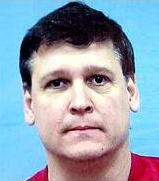
Mansel Lincoln “Sonny” Hammett was a 39-year-old factory worker employed by the Anchor Glass Container Corporation in South Connellsville, Pennsylvania. Coworkers later described him as a quiet, private and hardworking man. Before March 16, 1985, he was not publicly known as a violent person, making the sudden workplace attack especially shocking to employees and residents of the small Fayette County community.
Anchor Glass operated a large glass-container manufacturing plant in South Connellsville. Hammett worked there as an hourly employee under several supervisors. Accounts of the incident indicate that he had become dissatisfied with working conditions and the pressure he felt at the plant. His anger became focused on members of management whom he apparently blamed for his workplace difficulties.
The Workplace Disciplinary Incident
On the morning of Saturday, March 16, 1985, Hammett was reprimanded for violating a company rule. Contemporary reports stated that the disciplinary action involved Hammett talking with his wife while he was supposed to be working. He reportedly argued with his supervisors and was suspended or ordered to leave the factory.
Hammett was reportedly warned that his behavior could threaten his employment. According to later court records, he responded to the reprimand by threatening supervisor Donald Abbot, stating in substance that Abbot would be killed if the disciplinary action caused Hammett to lose his job. Hammett then left the plant, but the confrontation was not over.
Hammett Announces His Intentions
After leaving Anchor Glass, Hammett obtained a .38-caliber revolver. Before returning to the plant, he reportedly stopped at the cafeteria at Pechin Shopping Village. Witnesses later recalled that Hammett openly announced that he was returning to Anchor Glass to kill the bosses.
Despite this reported statement, no warning reached the factory in time to prevent the attack. Approximately three hours after being sent home, Hammett returned to the Anchor Glass property. It was around 10:00 a.m. when he approached the plant carrying the revolver.
The Attack Begins
At the entrance, Hammett encountered security guard James Silbaugh. Instead of immediately shooting Silbaugh, Hammett struck him in the head with the revolver. The injured guard survived, but he was left requiring assistance as the armed employee entered the factory.
Once inside, Hammett deliberately searched for members of management. Witnesses said that he was not firing indiscriminately at every employee he encountered. His apparent targets were the supervisors and foremen whom he associated with his suspension and workplace grievances.
The enormous factory contained production areas, offices and corridors filled with industrial equipment. Employees began running or hiding as word spread that a man with a gun was searching for supervisors. The shooting created confusion throughout the plant, with workers uncertain about Hammett’s location or who had already been attacked.
The Murders of Four Supervisors
Hammett located and shot four supervisors during his movement through the factory. Donald Abbot, Paul Gabelt, John Coligan and Ralph Tomaro were all fatally wounded. The men were attacked in different areas as Hammett pursued members of the plant’s management staff.
John Coligan and Ralph Tomaro were reportedly sitting at their desks and drinking coffee when Hammett entered their small office. He shot both men there. The ordinary setting of the office, with the two supervisors engaged in a routine morning break, illustrated how suddenly the violence erupted.
Donald Abbot, the supervisor associated with Hammett’s earlier reprimand, was also shot and killed. Paul Gabelt was fatally attacked as Hammett continued moving through the facility. Police later concluded that Hammett alone had fired the shots and that none of the victims had exchanged gunfire with him.
Fatal Victims
- Donald Abbot, 48 — Killed on March 16, 1985, at the Anchor Glass Container Corporation plant in South Connellsville, Fayette County, Pennsylvania. Abbot was a supervisor and had reportedly been involved in reprimanding Hammett earlier that morning.
- Paul Gabelt, 52 — Killed on March 16, 1985, inside the Anchor Glass factory in South Connellsville, Pennsylvania. Gabelt was a member of the plant’s management staff and one of the supervisors specifically sought by Hammett.
- John Coligan, 31 — Killed on March 16, 1985, in a small office at the Anchor Glass plant in South Connellsville, Pennsylvania. Coligan was reportedly drinking coffee at his desk when Hammett entered and shot him.
- Ralph Tomaro, 52 — Killed on March 16, 1985, in the same office area as John Coligan at the Anchor Glass plant in South Connellsville, Pennsylvania. Tomaro was also seated at his desk when the attack reached the office.
Injured Survivors
- Richard Hosier — Shot in the back and face while attempting to run through the Anchor Glass plant on March 16, 1985. Hosier survived his injuries.
- James Silbaugh — A security guard who was struck in the head with Hammett’s .38-caliber revolver near the factory entrance. Silbaugh survived the assault.
Emergency Response
A fire whistle summoned local emergency personnel to the plant. Pete Casini, then the acting police chief of South Connellsville, initially believed that an industrial accident had occurred. He arrived without a firearm and immediately encountered injured men being treated near the entrance.
Workers told Casini that an employee was inside the factory shooting supervisors. The plant was in chaos, and responding personnel did not initially know how many gunmen were involved or whether Hammett was still actively searching for additional victims.
Casini and other responders entered the building. At one point, a victim’s body had to be moved away from a doorway so they could continue their search. Officers and firefighters cautiously moved through the industrial complex while employees attempted to escape or remain hidden.
Hammett’s Suicide
After killing four supervisors and wounding Richard Hosier, Hammett turned the revolver on himself. Casini and a firefighter eventually located his body inside the factory. Hammett died at the scene from a self-inflicted gunshot wound.
Investigators determined that Hammett had carried out the attack alone. Police found no evidence that anyone else had fired a weapon. Including Hammett, five people died inside the plant, while two other men survived injuries connected to the attack.
Immediate Aftermath
The factory became an extensive crime scene, but portions of the plant reportedly continued operating even before all of the bodies had been removed. Broken glass, damaged materials and bloodstained tiles were cleaned or replaced. By the following morning, much of the physical evidence of the tragedy had been removed from the working areas.
Employees were ordered to return for a regular shift at approximately 3:00 p.m. on the following day. At the time, organized workplace trauma counseling was far less common than it would become in later decades. Workers who had witnessed the murders or discovered the bodies were largely expected to resume their duties without the structured psychological assistance routinely offered after modern mass-casualty events.
Questions About Motive
The immediate catalyst for the murders was Hammett’s reprimand and suspension on March 16, 1985. His statement at Pechin Shopping Village and his methodical search for supervisors indicate that the attack was planned during the period between his departure and return.
Although Hammett had reportedly expressed frustration about working conditions and pressure inside the factory, no single grievance could adequately explain the decision to murder four coworkers. Because Hammett killed himself, investigators were unable to question him or obtain a complete account of his thinking.
The available evidence nevertheless showed a clear progression. Hammett was disciplined, threatened at least one supervisor, left the property, armed himself and returned after announcing that he intended to kill members of management. His actions were therefore treated as a targeted act of workplace revenge rather than a spontaneous exchange of gunfire.
Legal Proceedings After the Murders
Because Hammett died at the scene, there was no criminal prosecution. However, the murders later became the subject of civil litigation involving the families of Donald Abbot and Paul Gabelt. The lawsuits examined whether Anchor Glass could be held legally responsible for failing to prevent the actions of an employee who had threatened a supervisor before leaving the factory.
The litigation also highlighted questions that would become increasingly important after later workplace shootings: how employers should respond to threats, when law enforcement should be contacted and what precautions should be taken when an angry employee is suspended or dismissed.
Impact on South Connellsville
The Anchor Glass murders became one of the darkest events in the history of South Connellsville. The attack occurred in a community where many residents either worked at the plant or knew someone employed there. The victims were not strangers passing through a public location; they were local working men killed during an ordinary Saturday shift.
Former police chief Pete Casini continued to remember the crime scene decades later and described it as the worst incident he encountered during his law-enforcement career. He retained photographs from the investigation and used the case to remind later generations of officers that extreme violence could occur without warning, even in a small community and a seemingly familiar workplace.
Legacy
The March 16, 1985, Anchor Glass shooting occurred before the modern term “active shooter” became widely used. Emergency procedures, threat-assessment programs and workplace counseling services were much less developed. The employees and first responders were forced to react to a rapidly unfolding attack without the specialized training that later became standard in many workplaces and police departments.
Mansel Hammett’s actions left four families without husbands, fathers, relatives and friends. Richard Hosier and James Silbaugh survived, but carried the physical and emotional consequences of the attack. For the surviving factory workers, the plant remained both their place of employment and the location where four colleagues had been deliberately hunted and killed.
The Anchor Glass factory murders remain an early and devastating example of targeted workplace mass violence in the United States. What began as a disciplinary dispute ended within hours in four murders, two injured survivors and the suicide of the gunman.